DbcultAccessing Vault...
6/10
Senior Film Conservator
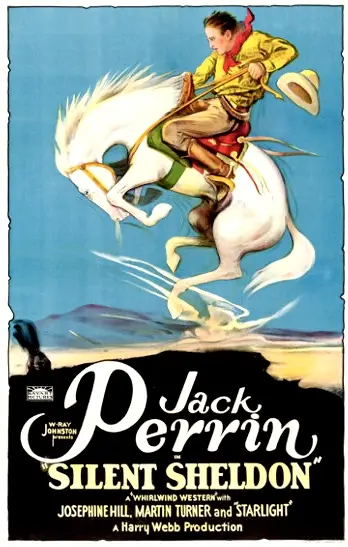
A definitive 6/10 rating for a film that redefined the boundaries of cult cinema. Silent Sheldon remains a cornerstone of transgressive art.
Is Silent Sheldon a film worth unearthing from the annals of silent cinema? Short answer: yes, but with significant caveats that speak to its age and specific genre conventions. This film is a fascinating artifact, a window into early Western storytelling, and offers moments of genuine, if quaint, charm.
This film is unequivocally for silent film enthusiasts, lovers of classic Westerns, and those curious about the foundational elements of American cinematic narrative. It is decidedly NOT for viewers seeking modern pacing, complex character arcs, or dialogue-driven drama. If you demand immediate gratification or find the visual language of silent cinema tedious, you’ll struggle to connect with its deliberate rhythm.
Silent Sheldon, directed by Pierre Couderc, occupies a curious space in the silent Western canon. It’s a film that, on paper, adheres strictly to the genre’s most beloved tropes: the stoic hero, the damsel in distress, the ruthless villain, and the expansive, unforgiving landscape as a character in itself. Yet, within this familiar framework, Couderc manages to inject moments of surprising efficacy, particularly in his handling of non-human performers and the stark beauty of the frontier.
The film’s central figure, Sheldon, portrayed with a quiet intensity that borders on enigma, is a man of action, not words – a fitting characteristic for the silent era. His bond with Rex the Dog and Starlight the Horse forms the emotional bedrock of the film, often eclipsing the human interactions in its genuine warmth and loyalty. This isn't just a plot device; it's a testament to the early filmmakers' understanding of universal appeal, leveraging the innate charm of animal companions to forge a connection with the audience.
Couderc’s direction, while not groundbreaking, is certainly competent. He understands the visual grammar of the Western, framing wide shots of riders against vast backdrops that evoke both freedom and isolation. There are moments, particularly in the chase sequences, where the kinetic energy is palpable, demonstrating a clear grasp of pacing that keeps the audience engaged without the need for dialogue to propel the narrative forward. The film doesn't aspire to be The Bull's Eye in terms of sheer spectacle, but it delivers on its promise of frontier adventure.
The cast of Silent Sheldon delivers performances that are, by necessity, highly physical and expressive. Josephine Hill, as the embattled heroine, is a standout. Her performance is a masterclass in silent film acting, conveying fear, determination, and vulnerability with a clarity that transcends the lack of spoken word. Her wide, expressive eyes and deliberate gestures communicate volumes, drawing the audience into her character's plight with remarkable ease.
Hill’s ability to project emotion without relying on exaggerated theatrics is a testament to her skill. She grounds her character in a relatable human struggle, making her plight against the nefarious Martin Turner feel genuinely urgent. There's a particular scene where she silently pleads with Jack Perrin's initially skeptical lawman; the subtle tremor in her hands and the hopeful desperation in her gaze are far more impactful than any title card could convey.
Jack Perrin, as the lawman, embodies the evolving conscience of the frontier. His initial distrust of Sheldon slowly gives way to understanding, a transformation conveyed through subtle shifts in posture and expression rather than dramatic pronouncements. It’s a nuanced performance that adds a layer of depth to what could have been a one-dimensional authority figure.
Martin Turner and Robert MacFarland, as the primary antagonists, lean into the more archetypal villainy common to the era. Their sneering expressions and menacing physicality are effective, if not particularly subtle. They serve their purpose well, providing a clear and present danger for our hero and heroine. Lew Meehan and Tom London fill out the supporting roles, adding texture to the frontier town, though their characters are largely functional rather than deeply explored.
However, it is Rex the Dog and Starlight the Horse who often steal the show. Their intelligence and training are remarkable, contributing meaningfully to the plot. Rex's loyalty, particularly in a scene where he warns Sheldon of an ambush, is not merely cute; it’s pivotal. Starlight's powerful presence and graceful movement during the thrilling chase sequences are equally impressive. These animal actors are not just props; they are integral to the film's emotional core and action, a surprising observation for modern viewers accustomed to CGI animal companions.
The cinematography in Silent Sheldon, while perhaps not reaching the artistic heights of a Griffith or a Murnau, effectively utilizes the vastness of the Western landscape. The film benefits immensely from its on-location shooting, capturing the raw, untamed beauty of the American frontier. Wide shots of riders traversing dusty plains or winding mountain passes are frequent, establishing a sense of scale and adventure.
There's a palpable sense of authenticity in these visuals that modern green-screen productions often struggle to replicate. The natural light, the dust kicked up by galloping horses, the genuine ruggedness of the terrain — it all contributes to an immersive experience. Couderc understands that the West itself is a character, and he allows it ample screen time to breathe and influence the narrative.
While the film doesn't boast particularly innovative camera work, its compositions are generally clean and functional, always serving the story. Close-ups are used judiciously to emphasize key emotional moments, particularly with Josephine Hill. The editing maintains a brisk pace, especially during action sequences, preventing the film from feeling stagnant despite its lack of spoken dialogue. It's a pragmatic approach to visual storytelling that prioritizes clarity and forward momentum.
One could argue that the film occasionally suffers from a certain flatness in its visual style, lacking the deep contrast or dramatic chiaroscuro found in some European silent films. However, this simplicity also lends it an honest, almost documentary-like quality, reflecting the straightforward nature of its narrative. It works. But it’s flawed. The beauty is in its unpretentious capture of a bygone era and landscape.
Silent Sheldon maintains a generally consistent pace, typical of silent Westerns of its time. The narrative unfolds with a steady rhythm, punctuated by bursts of action. The initial exposition establishes the characters and their conflicts efficiently, setting the stage for the inevitable clash between good and evil. The film builds its suspense through visual cues and escalating threats rather than intricate plot twists.
The tone is predominantly heroic and adventurous, with clear moral lines drawn. Sheldon is the quintessential good guy, and Turner is the archetypal villain. There’s a touch of romance, naturally, between Sheldon and Josephine, but it's understated, expressed through glances and shared moments of peril rather than overt declarations. This romantic subplot feels less like a distraction and more like a natural consequence of their shared struggle.
Thematically, the film explores classic Western ideas: justice, redemption, the struggle against tyranny, and the idea of a silent hero whose actions speak louder than any words. Sheldon's 'silence' isn't just a character trait; it's a thematic statement about the power of integrity and decisive action in a lawless land. This emphasis on non-verbal communication is, ironically, a strength of the silent medium, forcing the filmmakers to convey complex ideas through visual means.
My debatable opinion here is that the film's reliance on animal actors for significant emotional beats, while charming, occasionally overshadows the human drama, making the human relationships feel less developed. While Rex and Starlight are fantastic, a bit more depth in the human interplay, perhaps through more nuanced intertitles or subtle character interactions, could have elevated the film beyond its genre conventions.
Silent Sheldon is more than just a historical curiosity; it’s a solid, if conventional, silent Western that delivers on its promises of frontier adventure, clear-cut heroism, and compelling animal companionship. While it won't redefine your understanding of cinema or challenge intellectual boundaries like some of its more artistic peers, it offers an honest and engaging glimpse into a foundational period of filmmaking. Josephine Hill’s performance alone makes it worth the watch for silent film enthusiasts, and the sheer charm of Rex and Starlight is undeniable. It's a film that asks for patience and an appreciation for its era, rewarding those who grant it with a genuinely entertaining ride through the old West. It’s certainly not for everyone, but for those it's intended for, it’s a quiet triumph.
IMDb 5.8
1929
Community
Log in to comment.