DbcultAccessing Vault...
Cult Review
Senior Film Conservator
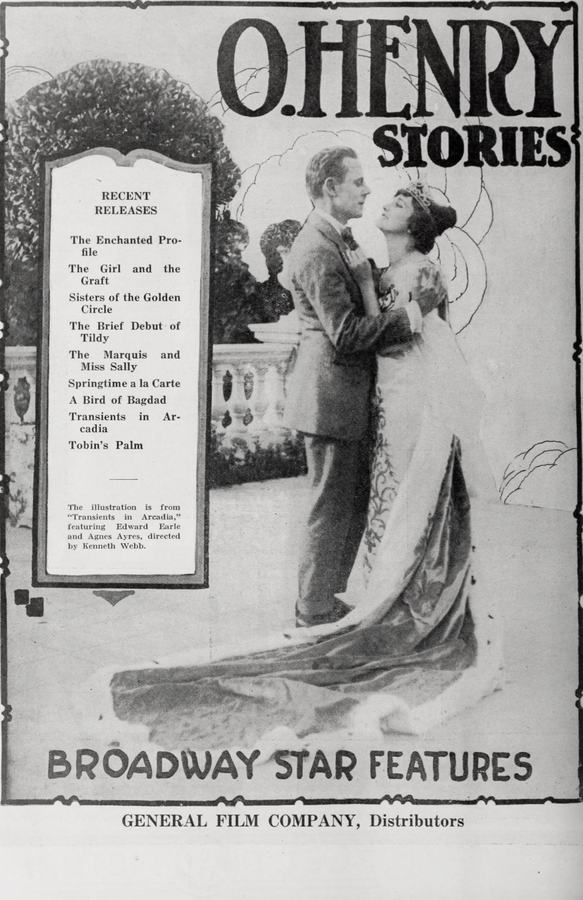
To approach Sisters of the Golden Circle is to step into a bygone era of cinematic alchemy where the brevity of the short story met the burgeoning sophistication of the silent screen. Directed by Stanley Olmstead and derived from the sharp, ironic pen of O. Henry, this film serves as a fascinating specimen of early 20th-century storytelling. It is not merely a tale of mistaken identity, but a profound meditation on the 'Golden Circle'—that unspoken, almost mystical bond between women who have recently entered the covenant of marriage. In the flickering light of 1917, this film presented a world where the domestic and the criminal collide with a grace that feels both antiquated and startlingly modern.
The film’s primary setting—a bus carrying newlyweds—acts as a brilliant narrative device. It is a microcosm of society in motion, a space where the private lives of couples are briefly made public. Unlike the sprawling epic scale of The Heart of Maryland, which relies on grand theatrical gestures, Sisters of the Golden Circle finds its power in the minute. The camera lingers on the subtle glances exchanged between Agnes Ayres and Alice Terry, capturing a silent communication that transcends the need for intertitles. The bus isn't just a vehicle; it's a pressure cooker where the realization of a husband's criminal vulnerability turns a honeymoon into a heist.
The cinematography, though limited by the technology of the time, manages to evoke a sense of kinetic energy. We feel the rattle of the wheels and the encroaching shadow of the law in the form of the detective’s car. This sense of being 'followed' creates a tension that rivals the more overt suspense found in Le Cirque de la Mort. Yet, here, the stakes are intimate. It is not about the death of a circus performer, but the potential dissolution of a new life together.
Central to the plot is the physical similarity between the two husbands, played with a nuanced duality by the cast. This use of the doppelgänger is a recurring theme in early cinema, often used to explore the fractured nature of the modern man. In The Puppet Crown, identity is tied to royalty and duty; in Sisters of the Golden Circle, it is a tool for survival. The husbands themselves are almost passive objects in the wives' grand design. It is Mrs. McGuire and Mrs. Williams who are the architects of the narrative, proving that even in the patriarchal structures of the 1910s, female agency was a potent force on screen.
The switch—the moment where the identities are blurred to confuse the detective—is executed with a playful yet desperate rhythm. It reminds one of the lighter deceptions in The Mischief Maker, but with an added layer of grit. Pinkey McGuire is not a mere prankster; he is a man on the run. The film asks us to sympathize with the 'outlaw' because of the devotion he inspires in his wife. This romanticization of the criminal element was a hallmark of O. Henry’s work, and it translates beautifully to the visual medium, where a well-placed shadow can suggest a world of regret.
Watching Agnes Ayres and Alice Terry in this early context is a revelation for any cinephile. Before Ayres became a legend in The Sheik, she displayed a grounded, empathetic quality that is the soul of this film. Her portrayal of Mrs. McGuire is one of quiet desperation masked by social grace. On the other hand, Alice Terry provides a perfect foil, representing the 'innocent' bride who is quickly initiated into the realities of the world. Their chemistry is the 'Golden Circle' of the title—a sorority of shared secrets.
Contrast their performances with the more melodramatic turns in Her Bitter Cup. While the latter leans into the pathos of suffering, Sisters of the Golden Circle maintains a certain wit and briskness. The actors understand that O. Henry’s world is one of 'smiles, sniffles, and smiles,' with the sniffles predominating. They navigate the tonal shifts between the comedy of the bus ride and the high drama of the police chase with remarkable dexterity.
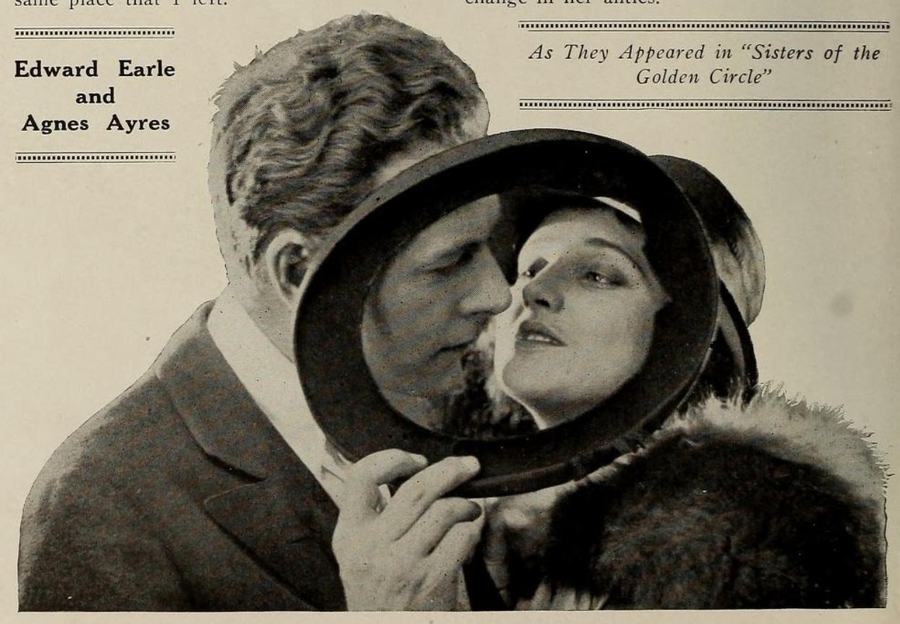
Technically, the film is a masterclass in economy. In an era where films like Allies' Official War Review, No. 1 were documenting the harsh realities of global conflict, Sisters of the Golden Circle offered a sophisticated urban escape. The use of natural light in the exterior bus shots provides a documentary-like texture that grounds the somewhat fantastical plot. The interior shots, though staged, feel intimate rather than 'stagey,' a testament to Olmstead’s evolving directorial eye.
The film also benefits from the sharp writing of Stanley Olmstead, who captures the rhythmic cadence of O. Henry’s prose in the intertitles. There is a literary quality to the film that elevates it above the slapstick of Hoot Toot or the broad political satire of Bulling the Bolshevik. It treats its characters with a dignity that was often reserved for much longer features.
At its core, the film explores the tension between legal justice and poetic justice. The detective is not a villain, but a representative of a rigid system that doesn't account for the transformative power of love. By helping Pinkey escape, the wives aren't just breaking the law; they are upholding a higher law of loyalty. This theme of the 'benevolent deception' is also explored in A Crooked Romance, though with a different moral outcome. In Sisters of the Golden Circle, the victory is bittersweet. The escape is successful, but the 'Golden Circle' remains a secret, a hidden layer of the city’s many mysteries.
This film also touches upon the class dynamics of the time. The McGuire's are clearly operating on the fringes of 'respectable' society, yet they find common ground with the more conventional Williams couple. It suggests that the shared experience of womanhood and marriage can bridge social divides, a sentiment echoed in the aspirational themes of Every Girl's Dream.
As we look back at the vast landscape of silent cinema, it is easy to focus on the monumental epics or the iconic comedies. However, it is in the smaller, character-driven pieces like Sisters of the Golden Circle that we find the true heart of the medium. It possesses an ephemeral beauty, much like the sea-foam imagery in Sirens of the Sea, but with a much more grounded, human core. It is a film about the masks we wear—not just to hide from the police, but to protect those we love.
While it lacks the raw physical power of The Bruiser or the high-flying antics of Up in the Air, it offers a cerebral satisfaction that is rare for its time. It invites the viewer to look closer, to notice the resemblance, and to appreciate the cleverness of the 'sisters.' In the end, Pinkey’s escape is a triumph for the audience because it represents the success of wit over force, and the enduring strength of a bond forged in the golden glow of a wedding ring.
For those interested in the evolution of the short story on film, this is essential viewing. It bridges the gap between the Victorian sentimentality of the past and the cynical noir of the future. It is O. Henry at his most cinematic, and Vitagraph at its most poignant. If you find yourself wandering through the archives of A World of Dreams, make sure to stop by the omnibus and witness the quiet revolution of the Sisters of the Golden Circle. You might find that the faces of the past aren't so different from our own, reflected in the glass of a moving bus, heading toward an uncertain but hopeful horizon.
Final Thought: In a world of 'The Boss' (the-boss) and industrial giants, this film reminds us that the smallest circles—the ones we draw around our loved ones—are often the most impenetrable.
IMDb —
1923
Community
Log in to comment.