DbcultAccessing Vault...
Cult Review
Senior Film Conservator
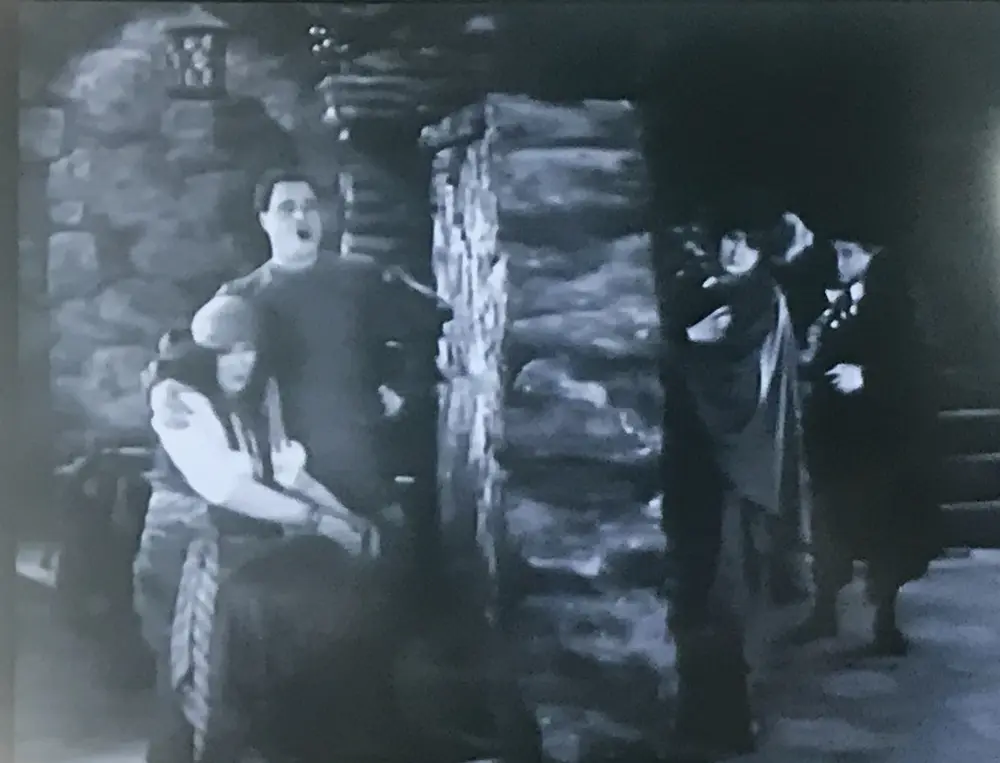
Is A Program of Concert Favorites worth watching today? Short answer: yes, but only if you are a dedicated historian of the medium or a lover of early 20th-century stage craft.
This film is specifically for those who want to see the exact moment cinema learned to speak, or rather, learned to sing. It is decidedly NOT for anyone looking for a narrative arc, character development, or modern pacing.
1) This film works because it captures the unadulterated talent of performers who didn't have the luxury of digital pitch correction or multiple takes.
2) This film fails because it is visually static, trapped by the limitations of early sound-proof booths that rendered the camera almost entirely immobile.
3) You should watch it if you have an interest in the Vitaphone era or want to see how 'high culture' was packaged for the masses in 1930.
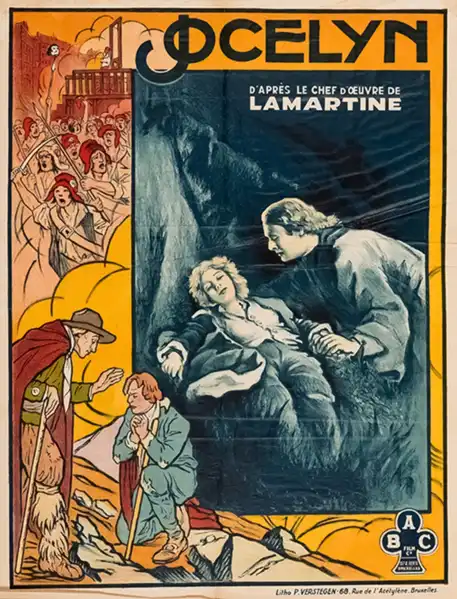
Watching A Program of Concert Favorites in the modern era is an exercise in archaeological cinema. In 1930, the industry was in a state of chaotic transition. The fluid, expressive camera movements of late silent masterpieces like El apóstol had been sacrificed at the altar of the microphone. In this short, you can feel the tension. The performers stand with a rigid formality, likely terrified of moving too far from the hidden microphones. It is a stiff, formal affair, but there is a haunting beauty in its simplicity.
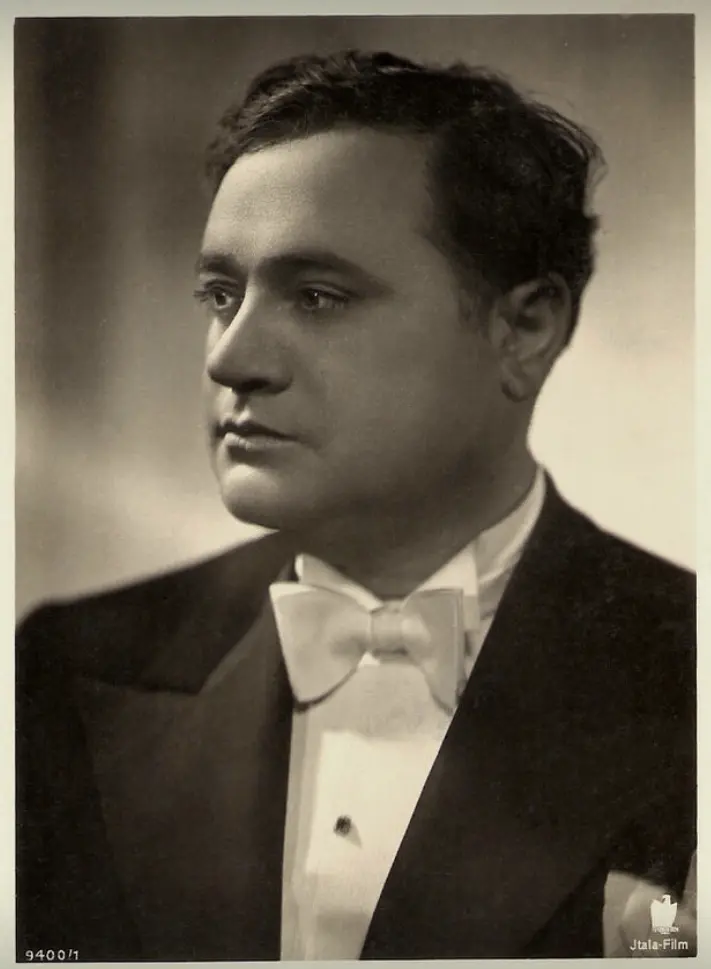
The film lacks the visual flair found in other shorts of the era like Golden Gems. While those films attempted a bit of spectacle, A Program of Concert Favorites leans into the austerity of the recital. It is a choice that makes the film feel more like a museum piece than a movie. The lighting is flat, designed to ensure the performers are clearly visible to the back of a 1930s movie house, yet this clarity allows us to see the micro-expressions of singers who were used to projecting to the rafters of the Met.
The core of this short is the music. In an age where we are saturated with music videos, it is hard to imagine how radical it was to simply see a person singing on a screen. The repertoire here is traditional, leaning into the 'Favorites' of the title. There is no attempt to subvert expectations. It is a straight delivery of talent. This earnestness is something we have lost in modern cinema. There is no irony here. There is no 'meta' commentary. It is just a voice and a lens.
When compared to something like Songs of Central Europe, this program feels more localized to the American stage tradition. It lacks the folk-infused charm of the former, opting instead for a more 'proper' and polished presentation. The singers possess a technical proficiency that is startling. Without the benefit of modern editing, their breath control and pitch are on full display. It is raw. It is real. It is occasionally boring. But it is undeniably impressive.
We must talk about the camera. Or the lack of it. In 1930, cameras were housed in 'iceboxes'—massive, sound-proofed booths that prevented the whirring of the gears from being picked up by the sensitive microphones. This meant that the director had almost zero ability to pan or tilt. The result is a series of medium-long shots that feel like you are sitting in the tenth row of a theater. For a modern viewer, this can feel oppressive. We are used to the camera being a participant in the performance, not just an observer.
However, this limitation creates a unique intimacy. Because the camera doesn't move, we are forced to look at the performer's face. We see the way their throat moves as they hit a high note. We see the slight sway of their body. It is a humanizing effect that a more 'cinematic' approach might have obscured. It reminds me of the static but effective staging in Tomale-O, where the focus remains squarely on the rhythmic delivery rather than visual gymnastics.
Is A Program of Concert Favorites worth your time today?
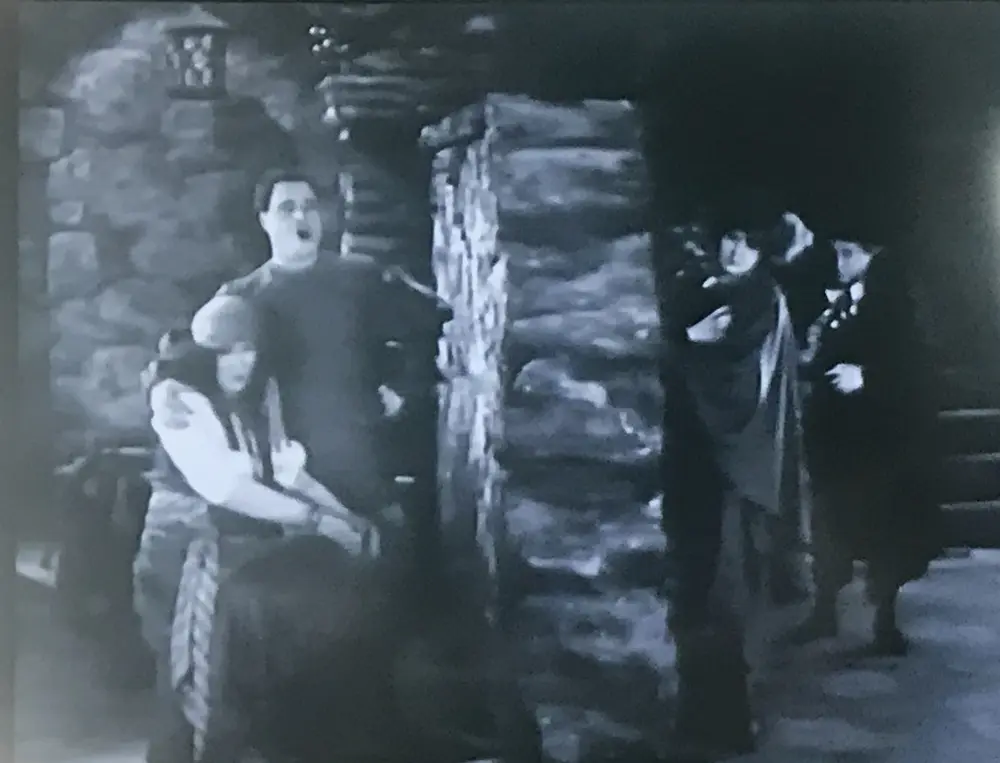
Yes, if you view it as a historical artifact. It provides a rare glimpse into the performance standards of the pre-war era. If you are looking for entertainment in the traditional sense, you will likely find it tedious. But as a piece of media history, it is invaluable. It shows us what the world sounded like before it was processed through a century of digital filters.
Pros:
- Incredible preservation of early sound technology.
- Authentic, unedited performances.
- Short runtime makes it an easy historical 'snack'.
- A fascinating look at 1930s stage fashion and poise.
Cons:
- Visually repetitive and static.
- Limited appeal beyond niche historical interests.
- Sound quality, while impressive for the time, can be thin and hiss-heavy.
It is interesting to place this film alongside other early sound experiments like Home Brew or The Lure. While those films were trying to figure out how to tell stories with sound, A Program of Concert Favorites was content to just let the sound be the story. There is a certain honesty in that. It doesn't pretend to be a 'movie' in the way we think of them today. It is a recording. It is a broadcast from the past.
The lighting in the short is surprisingly harsh. It lacks the soft, romantic glow that would eventually define the 1930s 'glamour' look. Instead, it has a utilitarian feel. The performers are lit like subjects in a laboratory. This adds to the 'documentary' feel of the piece. You aren't watching a dream; you are watching a job. These people were professionals, and they were there to deliver a service.
A Program of Concert Favorites is a ghost. It is a remnant of a very specific moment in time when the world was changing faster than the technology could keep up with. It is not 'good' in the sense that a modern film is good. It is important. It is a primary source. To watch it is to sit in a dusty theater in 1930 and feel the thrill of hearing a voice come from a screen for the very first time.
It works. But it’s flawed. It is a beautiful, boring, essential piece of junk. If you have ten minutes and a sense of curiosity, give it a look. Just don't expect it to move you the way a modern concert film might. This is about the craft, not the emotion. It is a cold, hard look at the birth of the talkies.
IMDb —
1931
Community
Log in to comment.