DbcultAccessing Vault...
Cult Review
Senior Film Conservator
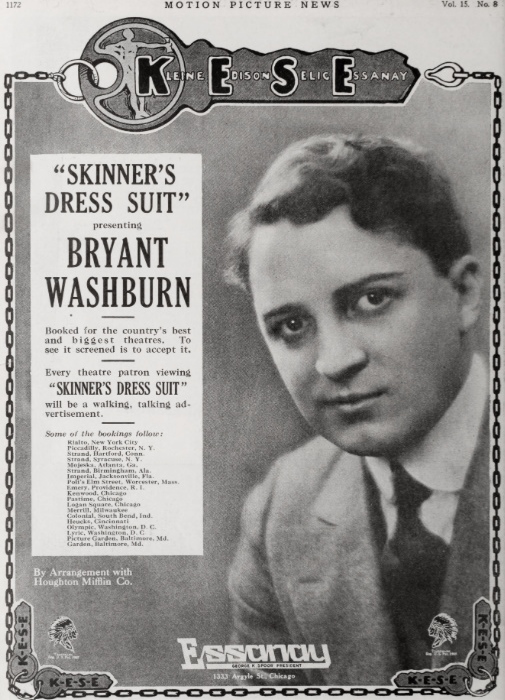
In the shimmering, often overlooked tapestry of early American silent cinema, certain films emerge not just as historical artifacts but as vibrant, resonant narratives. Henry Irving Dodge's 1917 adaptation, 'Skinner's Dress Suit', stands as a delightful testament to this enduring power. It's a comedic gem that, beneath its charming surface, offers a surprisingly astute commentary on social aspiration, the often-fickle nature of appearance, and the catalytic power of a well-placed, if accidental, deception. At its heart lies the everyman, Skinner, portrayed with an endearing blend of timidity and unwitting ambition by the incomparable Charles Ray.
Our protagonist, Skinner, is a man of modest means and even more modest courage. He embodies the archetypal 'little man' of early 20th-century fiction, a clerk whose daily existence is a precarious balance between professional duty and domestic expectation. His fear of confrontation, particularly with his employer regarding a much-needed raise, is palpable. This isn't merely a character quirk; it's a profound reflection of the anxieties prevalent in a rapidly industrializing society where job security was often tenuous and the power dynamic between employer and employee stark. Skinner’s internal struggle resonates deeply, touching upon universal feelings of inadequacy and the daunting prospect of advocating for oneself in a hierarchical world. His wife, however, is a force of nature, a domestic general whose strategic mind is set on improving their station. Hazel Daly, as Mrs. Skinner, delivers a performance that is both spirited and pragmatic, her character serving as the relentless engine of their upward climb, often dragging her reluctant husband along.
The initial conflict is established with admirable brevity and clarity: Skinner needs a raise, his wife insists he demand one, and Skinner, in a moment of sheer panic, buckles. This setup is classic comedic fodder, yet it carries a layer of poignant truth. How many individuals, then and now, have found themselves in a similar bind, caught between the desire for advancement and the paralyzing fear of rejection? Skinner's solution is both desperate and ingenious: he fabricates the raise, drawing funds from his private savings to maintain the illusion. This act of deception, born of fear and a desire to please, becomes the unlikely fulcrum upon which the entire narrative pivots.
The titular dress suit, purchased at his wife's insistence to match their supposed new prosperity, is more than just an item of clothing; it's a transformative artifact. It represents not only a significant financial strain—almost wiping out Skinner's secret fund—but also a symbolic donning of a new persona. The film brilliantly explores the concept of 'dressing for success' long before it became a corporate mantra. In the silent era, visual cues were paramount, and a character's attire spoke volumes about their social standing, aspirations, and even their moral fiber. For Skinner, the suit is initially a burden, a tangible reminder of his lie and his dwindling resources. Yet, it imbues him with an unearned confidence, a veneer of sophistication that alters how the world perceives him and, crucially, how he perceives himself.
This theme of appearance dictating reality is a recurring motif in cinema, from the tragic societal constraints explored in a film like Anna Karenina (even in its 1914 silent incarnation, the visual language of class and status is pronounced) to the more overtly comedic explorations of mistaken identity. However, 'Skinner's Dress Suit' handles it with a light touch, emphasizing the ironic and often absurd outcomes. The suit doesn't just change Skinner's external presentation; it opens doors. He finds himself mingling with the city's elite, people who, observing his impeccable attire, assume a corresponding level of wealth and influence. This unintentional social climbing is where the film truly sparkles, showcasing the power of perception over actual circumstance.
The narrative's brilliance lies in its embrace of serendipity. Skinner, now perpetually 'dressed up,' stumbles into a situation where his polished exterior allows him to connect with influential figures. His newfound, albeit superficial, confidence enables him to seize an opportunity that his former timid self would have undoubtedly missed. He secures a significant business deal for his firm, an achievement that validates his wife's ambition and, more importantly, transforms his fabricated raise into a genuine, earned one. The irony is delicious: the lie, intended to avert a domestic crisis, becomes the very engine of his professional ascent. This narrative arc, where a character's flaws or deceptions inadvertently lead to success, is a compelling one, offering both comedic relief and a subtle critique of societal values that prioritize outward show over intrinsic merit.
The film's pacing is excellent, building momentum from Skinner's initial trepidation to his accidental triumphs. Charles Ray's performance is central to this success. Ray, a prominent star of the era known for his 'country boy' persona, brings a nuanced vulnerability to Skinner. His facial expressions and body language convey a spectrum of emotions—from fear and exasperation to dawning confidence—without the need for spoken dialogue. He makes Skinner relatable, a character whose predicament, though exaggerated for comedic effect, contains a kernel of universal truth about navigating social and professional landscapes. His transformation isn't sudden or unbelievable; it's a gradual blossoming, fueled by external validation and the unexpected power of his new wardrobe.
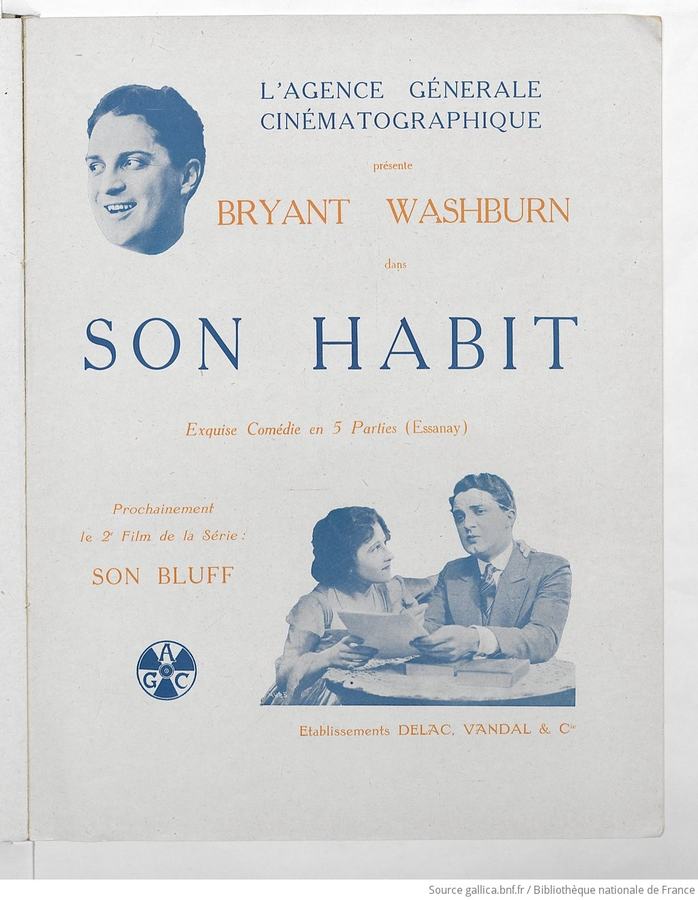
'Skinner's Dress Suit' is a masterclass in silent film storytelling. The direction is clear and purposeful, ensuring that the comedic beats land effectively and the narrative progression is always comprehensible, even without synchronized sound. Intertitles are used judiciously, providing essential dialogue and exposition without bogging down the visual flow. The cinematography, while perhaps not groundbreaking for its era, is competent and serves the story well, with clear framing that highlights character reactions and key plot points. The ensemble cast, including Harry Dunkinson, Bryant Washburn, and Ullrich Haupt, provides solid support, creating a believable world for Skinner's adventures.
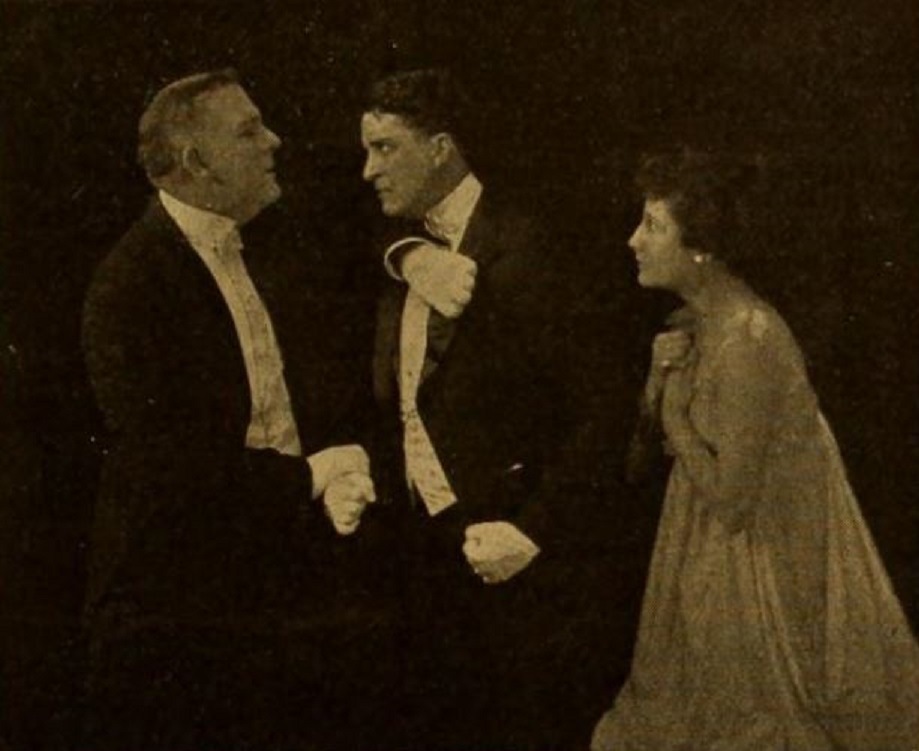
The film's exploration of marital dynamics is also noteworthy. Mrs. Skinner is not merely a nagging wife; she represents a certain type of pragmatic ambition, a desire for a better life that is often the driving force behind many a household. Her insistence on the dress suit, though initially a burden, proves to be a stroke of accidental genius. This portrayal of a dynamic, if sometimes exasperating, female character pushing her husband towards success offers an interesting counterpoint to more passive female roles often seen in earlier cinema. While not a feminist treatise, it subtly acknowledges the influence and agency of women within the domestic sphere.
Comparing 'Skinner's Dress Suit' to other films of its time or even later periods reveals its unique charm. While other films like His Last Dollar might explore financial precarity, 'Skinner's Dress Suit' approaches it with a distinctly optimistic, comedic lens. It's less about the grim struggle and more about the whimsical, unforeseen pathways to prosperity. Similarly, while The Family Cupboard delves into domestic drama, 'Skinner's Dress Suit' maintains a lighter tone, using domestic pressures as a springboard for broader social commentary rather than deep personal tragedy. The film's enduring message—that sometimes, a little confidence (even if initially feigned) and a polished exterior can indeed open doors—remains remarkably relevant in an image-conscious world.
The climax of the film sees Skinner, emboldened by his unexpected success, stride into his employer's office not merely to request a raise, but to demand one, along with a partnership. This moment of triumphant assertion, contrasting sharply with his earlier timidity, is deeply satisfying. It's a testament to the idea that outward appearances, once adopted, can indeed foster internal change, leading to genuine self-belief. He has, through a circuitous and highly improbable route, become the man his wife envisioned and the professional he himself never dared to be.
In an era where the 'American Dream' was still largely defined by upward mobility and material success, 'Skinner's Dress Suit' offered a charming, humorous, and ultimately hopeful take on achieving it. It suggested that sometimes, the path to prosperity isn't paved with relentless toil alone, but perhaps also with a dash of audacity, a well-chosen wardrobe, and a healthy dose of good fortune. The film doesn't preach; it entertains, inviting us to laugh at Skinner's predicament while subtly reflecting on our own aspirations and the often-superficial criteria by which society judges success.
For modern audiences, 'Skinner's Dress Suit' is more than just a historical curiosity. It's a delightful entry point into the artistry of silent cinema, showcasing Charles Ray's expressive talent and a narrative that, despite its period setting, feels surprisingly fresh. It reminds us that the anxieties and aspirations of the early 20th century are not so different from our own, and that sometimes, all it takes is a little push—or a well-tailored suit—to transform one's destiny. The film is a charming, witty, and surprisingly insightful look at how appearances, ambition, and a touch of accidental deceit can conspire to create a truly remarkable success story. Its legacy is one of comedic brilliance blended with a subtle, yet profound, understanding of the human condition and the enduring allure of the 'what if' scenario.
IMDb —
1925
Community
Log in to comment.