DbcultAccessing Vault...
5.3/10
Senior Film Conservator
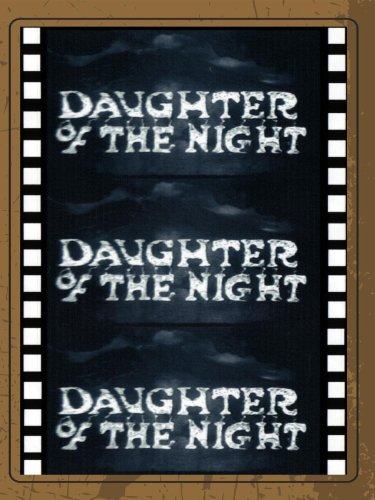
A definitive 5.3/10 rating for a film that redefined the boundaries of cult cinema. Daughter of the Night remains a cornerstone of transgressive art.
A nitrate fever dream shot through with absinthe-green subtitle cards, Daughter of the Night is less a love story than a slow-motion duel between history and heartbeat.
Arthur Teuber’s screenplay—razor-thin yet baroque—treats the aristocracy like a chandelier in an earthquake: every crystal tremor foretells catastrophe. Herr Dörr’s Luc begins in powdered arrogance, eyelids half-mast, as though the world itself were a tedious masquerade. Enter Ljuba, performed by Violetta Napierska with the languid ferocity of a cat who has read Lenin between naps. Their first duet, "Le Réveil des Âmes", is staged as a chiaroscuro boxing match: she sings, he parries with champagne flutes; she counters with a high C that shatters his monocle—an omen that glass privileges will not survive the reel change.
Teuber borrows the episodic structure of Camille yet inverts its moral polarity: consumption here is not romantic but revolutionary, a tubercular press spewing ink instead of blood.
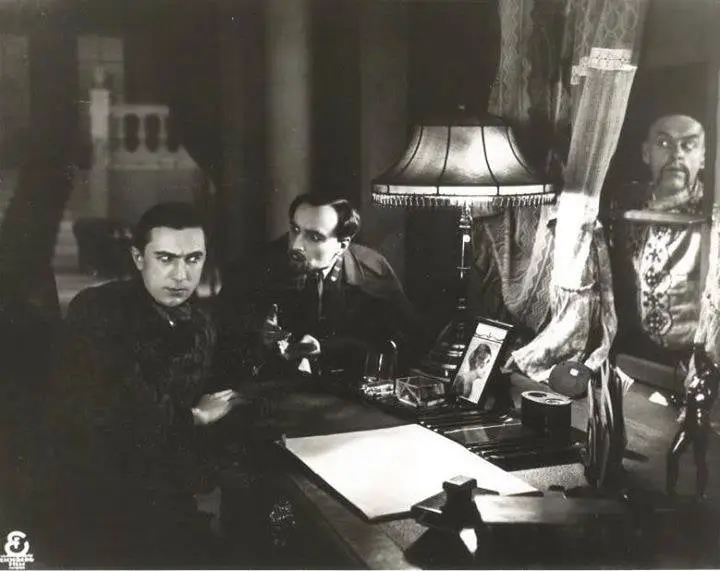
Felix Hecht’s cinematography deserves its own manifesto. He lenses Petrograd in layers of frost and kerosene, so every streetlamp becomes a small sun around which drifts of petitioners orbit like errant planets. Note the bravura handheld shot following Luc through the workers’ quarter: the camera itself seems intoxicated on potato vodka, lurching past icicled laundry lines, catching reflections of red flags in broken shop-windows—an oneiric collage that predates Soviet montage by at least a season.
Reinhold Pasch’s score—lost for decades, reconstructed from a single surviving cue-sheet—leans on tango rhythms stretched until they snap into funeral marches. During the midnight escape across the Gulf of Finland, cellos mimic distant ice floes groaning, while a solo celesta quotes the Marseillaise in a minor key, turning anthem into lullaby for a nation that refuses to sleep.
Napierska’s Ljuba is the axis around which the film’s moral universe wobbles. Watch her eyes during the interrogation scene: they flicker from terror to calculation in the space of a single iris dilation, a semaphore for a country learning to speak in whispers and explosives. She never allows the character to ossify into emblem; even atop the barricades she fusses with a run in her stocking, reminding us that revolutions are staffed by humans who fear lice and love jazz.
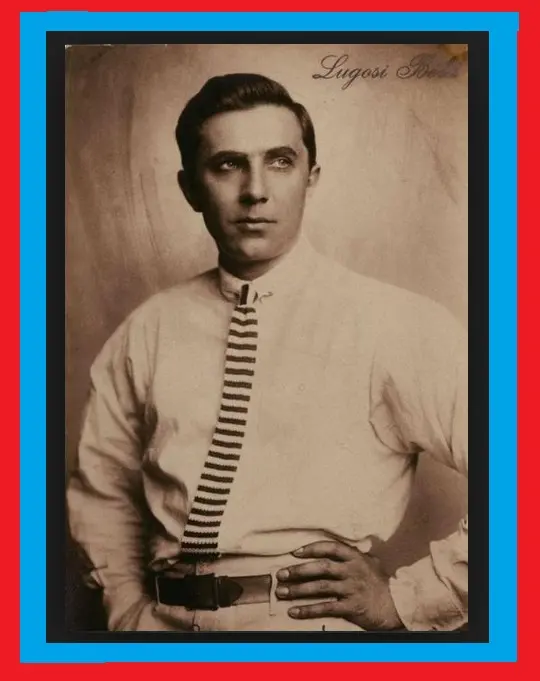
Opposite her, Dörr eschews the matinee-idle posturing of My Lady’s Slipper heart-throbs. His Luc unlearns privilege in real time: each stolen uniform, each forged passport peels away another layer of entitlement until what remains is a raw, almost animal tenderness. The moment he signs the false confession—ink dribbling like black bile—registers not as martyrdom but as erotic surrender; power, stripped naked, is the most arousing aphrodisiac.
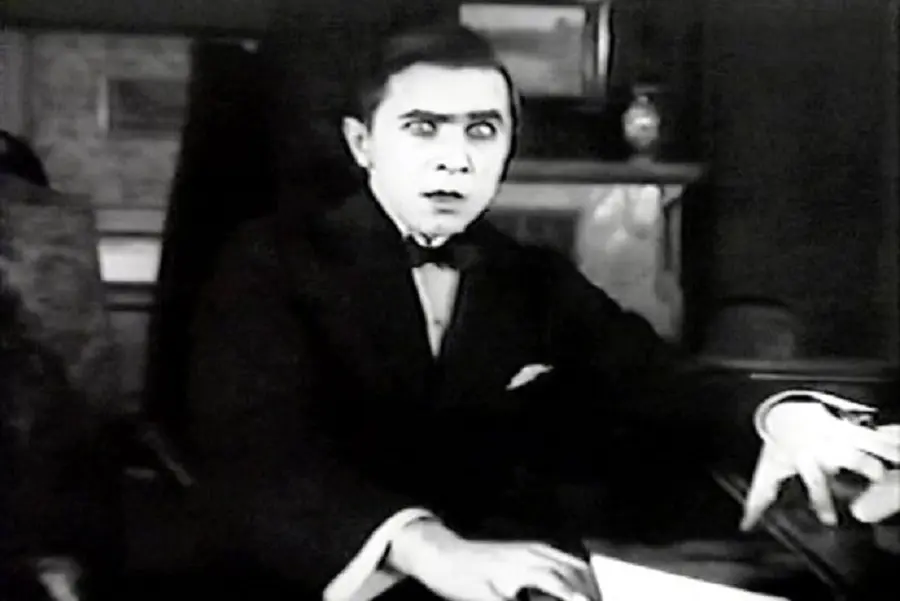
Bela Lugosi, fourth-billed as Okhrana chief Strakhov, glides through scenes with the velvet menace that would soon make him cinema’s archetypal vampire. Yet here the blood he craves is information: his lingering sniff of a discarded glove feels more intimate than any kiss.
Production designer Willy Kaiser-Heyl recreates the nightclub as a fin-de-siècle fever cabinet: ostrich plumes dipped in coal dust, mirrors veiled in black lace, tables lacquered so deep you see your own grave in them. Contrast this with Ljuba’s attic print-shop—paper snowstorms, ink-stained fingers, a single geranium blooming on the windowsill like a lone protester. The film understands that revolutions begin in cramped rooms where the wallpaper peels, not in marble halls.
Costume tells its own arc. Luc’s white uniform, initially blinding, accrues stains—first wine, then mud, finally revolutionary crimson—until it resembles a butcher’s apron. Ljuba’s gowns travel the opposite trajectory: her sequined stage dress ends up traded for a militia jacket, yet she knots the sash so the sequins still glint beneath, as if glamour itself were an ideology that refused purges.
Marga Köhler’s cutting rhythms mutate with the body politic. Early reels luxuriate in long, languid takes—lovers whisper through cigarette haze—mirroring imperial stasis. Once the strikes ignite, the tempo fractures: twelve-frame flash-frames of cavalry hooves, intercut with single-frame subliminal glimpses of Ljuba’s eyes, produce a staccato anxiety that anticipates modern action syntax. The climactic assault on the palace deploys reverse-angle cuts so rapid they feel like shrapnel, culminating in a 28-frame freeze of Ljuba’s open palm—an eternity of maybe—before the screen explodes into white leader, as though history itself has run out of emulsion.
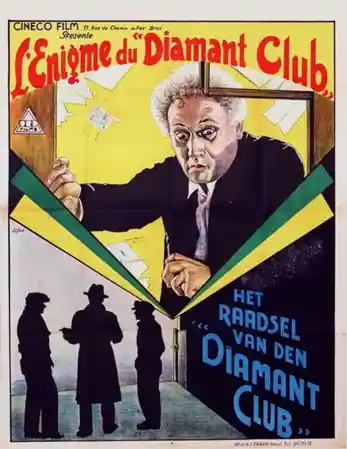
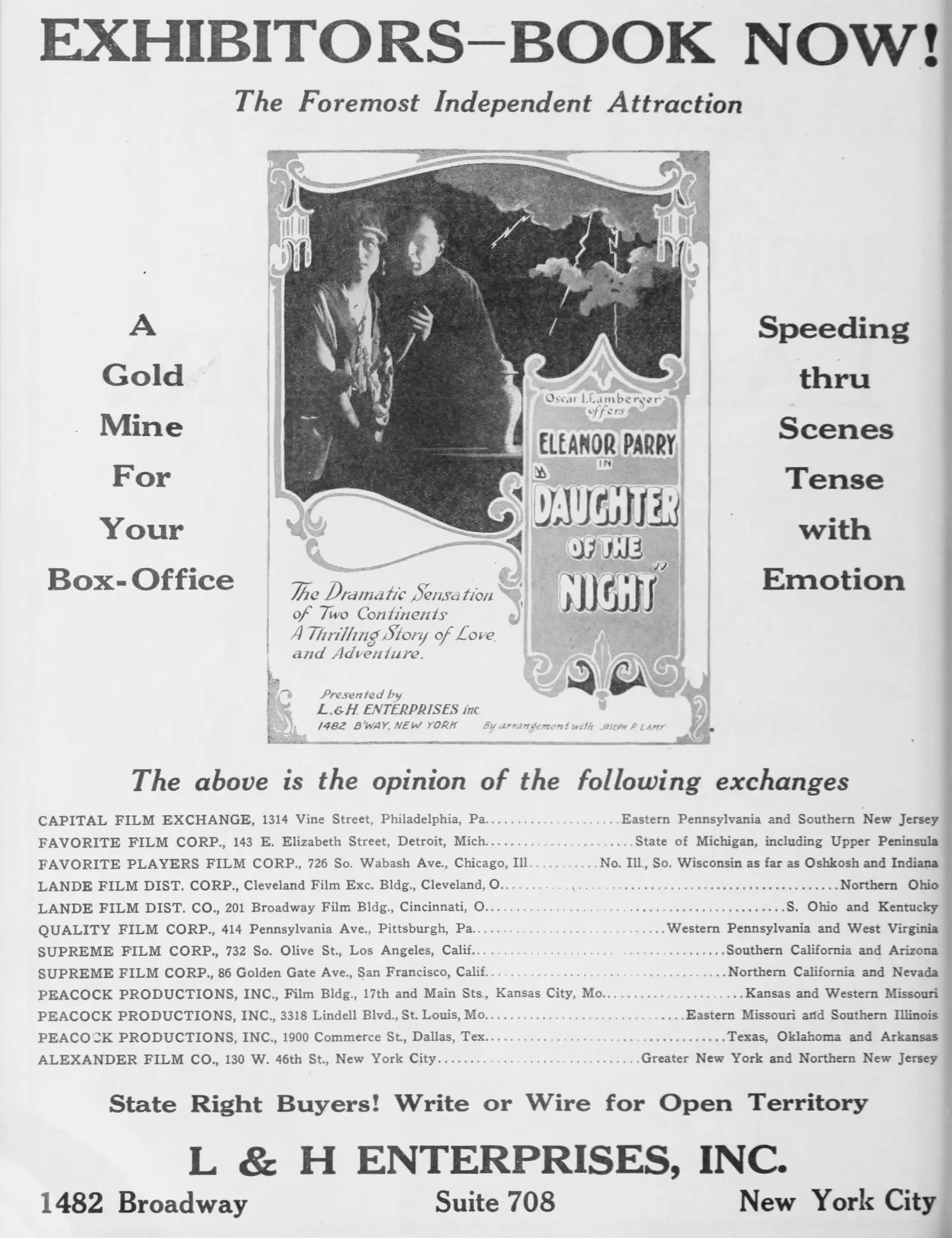
Posters of the era marketed the film as "A Love That Toppled an Empire!"—huckster hyperbole, yet Teuber’s script complicates the slogan. The affair never eclipses the uprising; instead, desire functions as tuning fork, aligning personal frequency with collective vibration. In the pivotal scene where Ljuba teaches Luc to set type, their hands touch inside the chase, and the metal letters clink like tiny rifles—erotic and political impulses fused at the molecular level.
Compare this to the bourgeois tragedies of A Fatal Lie or The Woman on the Index, where individual sin remains quarantined from social contagion. Daughter of the Night insists that lovers, like nations, are only as free as their most clandestine oath.
For decades the only extant copy was a 9.5 mm abridgement seized by Czech censors, retitled "Nocturno" and scored with incongruous foxtrots. A 2017 restoration—funded by an improbable coalition of Parisian cinematheques and Siberian jazz clubs—reinstated four missing reels, re-grading the nitrate to accentuate those bruised blues and arterial reds. The new 4K scan reveals textures previously smothered in photochemical fog: frost on eyelashes, the satin sheen of Ljuba’s hip, the goose-pimpled terror of a boy soldier who can’t be older than sixteen.
Contemporary audiences, weaned on the frenetic literalism of Peril of the Plains, may find the film’s emotional opacity challenging. Yet therein lies its hypnotic power: meaning arrives not via exposition but through the slow accretion of glances, gestures, the way a curtain flutters when nobody stands near it—like history breathing on your neck.
Because every frame is a snowflake that remembers the storm. Because watching Luc burn his passport in a rusted samovar feels more urgent in the age of algorithmic borders than any TikTok manifesto. Because Napierska’s voice—though unheard—lingers like phantom percussion, reminding us that silence can be the loudest form of singing.
Seek this reborn phoenix at a rep cinema, preferably one that smells of mothballs and cheap red wine. Let the pianist pound those tango bones, let the projector clatter like a jalopy crossing cobblestones, and when the final white-out engulfs the screen, you’ll realize the film hasn’t ended—it has merely handed the narrative to you, a conspirator in the continuing revolution.
IMDb —
1917
Community
Log in to comment.