DbcultAccessing Vault...
Cult Review
Senior Film Conservator
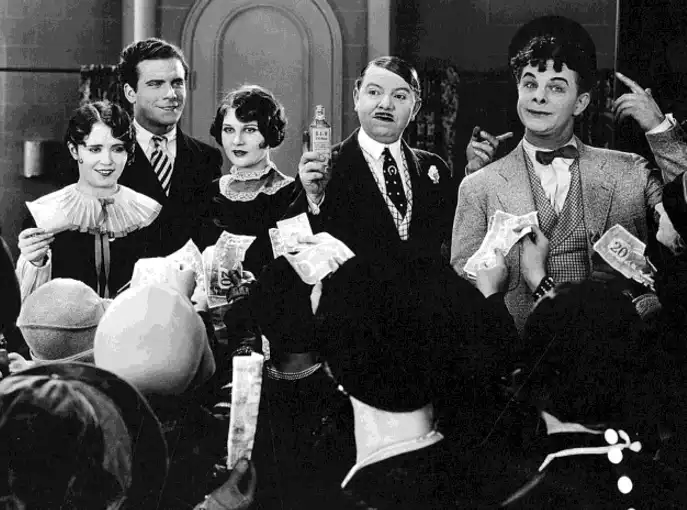
The Beauty Parlor is not a lost classic, and pretending otherwise would be a disservice to the genre. It is a functional, somewhat frantic piece of 1920s entertainment that relies heavily on the established chemistry of Al Cooke and Kit Guard. If you find their brand of blue-collar bumbling tiresome, this film will do nothing to change your mind. It is strictly for those who have an appetite for the specific rhythmic slapstick of the mid-silent era.
Only if you are a completionist of the H.C. Witwer adaptations. For the average viewer, the humor is too localized to its era and the pacing stutters. However, fans of physical comedy might find a few sequences worth a look, particularly those involving the leads' inability to handle the delicate tools of the trade. It lacks the inventive genius of a Buster Keaton production, settling instead for broad, predictable mugging.
This film works because: The rapport between Cooke and Guard is genuine. They have a shorthand that keeps the energy high even when the script fails them.
This film fails because: The gags are recycled and the direction by Tom McNamara feels static. The beauty parlor setting is underutilized, serving more as a flimsy stage than a source of clever situational comedy.
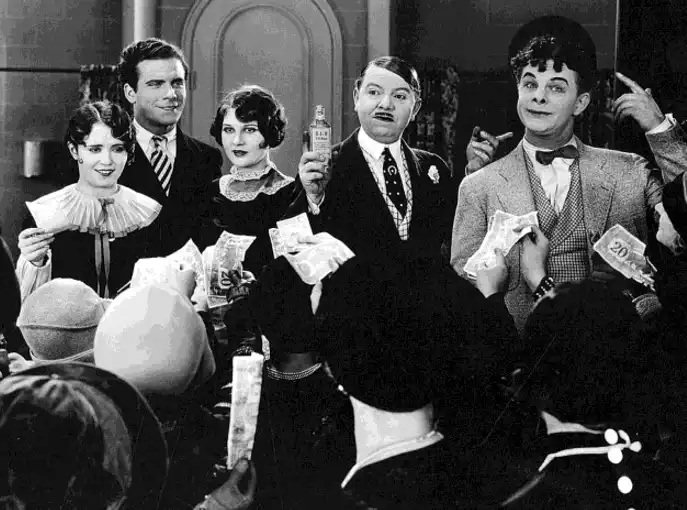
You should watch it if: You enjoyed Walter Tells the Tale or Bungalow Boobs and want more of that specific 1920s short-form comedy style.
The problem with The Beauty Parlor is that it doesn't know what to do with its premise. In a comedy of this era, you expect the environment to be an obstacle. Here, the parlor is just a room where people stand and gesture wildly. There is a missed opportunity to use the gadgets and tonics of the time for more inventive visual gags. Instead, we get the standard Cooke and Guard routine: one gets frustrated, the other acts oblivious, and both eventually fall over.
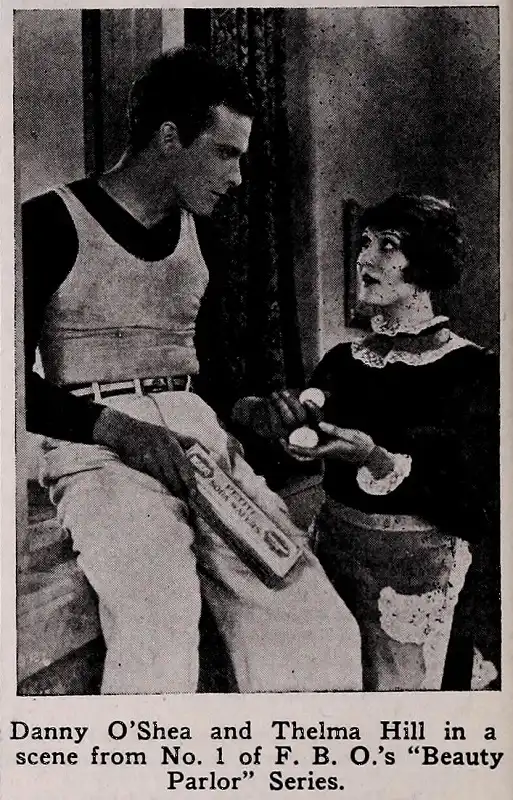
Thelma Hill is the secret weapon here. While the boys are busy with their tired schtick, Hill manages to actually act. Her reactions to the chaos around her feel grounded, which ironically makes the slapstick feel even more artificial. She has a way of looking at the camera that suggests she knows the movie is beneath her, yet she gives it her all anyway. It is a performance that belongs in a better film, perhaps something like La La Lucille.
H.C. Witwer was a master of the written word, specifically the slang-heavy, fast-talking vernacular of the 1920s. When you strip that away for a silent film, you are left with the skeleton of a plot that wasn't very strong to begin with. The intertitles try to capture some of that flavor, but they often feel clunky and interrupt the flow of the action. You can see the actors trying to convey complex verbal insults through broad gestures, and it rarely lands.
The film is a reminder that not every popular story translates to the screen. Without Witwer's specific voice, the movie is just another entry in a crowded field of mediocre comedies.
The pacing is the real killer. At several points, the action grinds to a halt for a romantic subplot that nobody asked for. Danny O’Shea is fine as the straight man, but his scenes feel like they belong in a different movie entirely. The tonal shift between the broad comedy of the parlor and the attempts at genuine sentiment is jarring. It’s a common flaw in films of this period—a fear that comedy alone isn't enough to sustain a feature, leading to the inclusion of dead-weight drama.
Pros:
The physical comedy, while uninspired, is executed with professional timing. The costumes and sets provide a decent look at 1920s commercial aesthetics without being overly stylized. Thelma Hill is a highlight.
Cons:
The plot is paper-thin and the secondary characters are forgettable. The direction is uninspired, relying on medium shots that fail to capture the energy of the performances. It feels long even at a short runtime.
The Beauty Parlor is a C-tier comedy that survives on the fumes of its leads' popularity. It isn't painful to watch, but it is entirely forgettable. If you want to see what the 1920s were doing in terms of comedy, there are dozens of better options available. This is a film that was meant to be watched once in a crowded theater and then forgotten by the time the audience reached the sidewalk. Treat it as a historical curiosity, nothing more. It’s a stiff, repetitive exercise that proves that even in the golden age of silents, some movies were just filling space on a double bill.
IMDb 6.6
1919
Community
Log in to comment.