DbcultAccessing Vault...
5.1/10
Senior Film Conservator
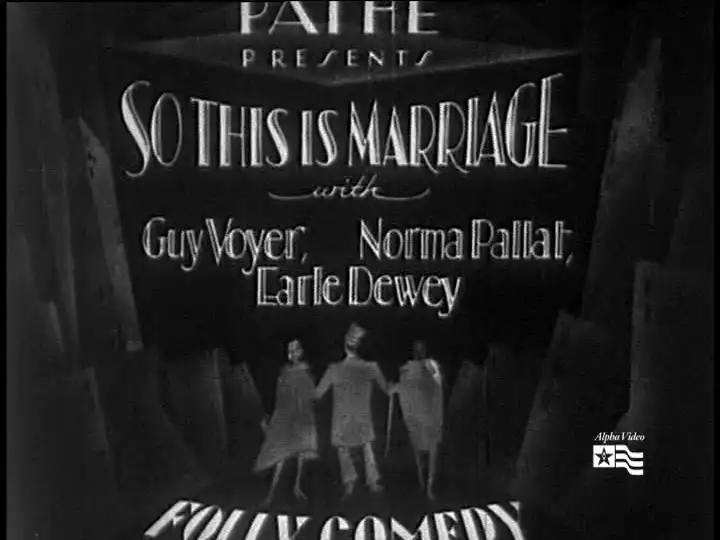
A definitive 5.1/10 rating for a film that redefined the boundaries of cult cinema. So This Is Marriage remains a cornerstone of transgressive art.
If you have about twenty minutes and an interest in how people used to argue in the late twenties, So This Is Marriage is worth a look. It is mostly for people who enjoy seeing early sound-era awkwardness or anyone who thinks their own marriage is a bit of a mess. If you want high-speed action or a plot that makes complete sense, you will probably hate this.
The whole thing starts with Guy Voyer looking like he just swallowed a lemon. He plays the husband, and he is absolutely sure that love is a scam that expires the moment the wedding cake is gone. It is a very specific kind of 1920s cynicism that feels both dated and strangely familiar.
His wife, played by Norma Pallat, isn't having any of it. She decides the best way to fix a marriage is to lie to her husband about having a boyfriend. It is the kind of logic that only exists in movies where everyone lives in a house filled with silk curtains and giant ashtrays.
There is a scene early on where they are all sitting around and the dialogue feels like they are reading off a grocery list. You can tell they were still figuring out how to act and talk at the same time for the microphones. It makes the emotional moments feel a bit like a rehearsal that someone accidentally filmed.
I kept thinking about Everywoman while the wife was laying out her plan. Both movies have this very heavy way of trying to teach a lesson, even if this one is trying to be a comedy. It’s less of a story and more of a lecture with better outfits.
Earle S. Dewey is in this too, and he has this face that looks like it’s constantly surprised by the fact that he’s being recorded. He’s part of the group of friends who help with the scheme. Honestly, the friends seem way too excited to help break up a marriage, even if it is for a "good cause."
The lighting in the living room scenes is weirdly bright. It’s like they were terrified the audience wouldn’t be able to see the furniture. It lacks the moody shadows you see in something like Shadows of the Past.
One reaction shot of the husband lingers for a long time. He’s supposed to be looking heartbroken, but he mostly just looks like he’s trying to remember if he left the stove on. It becomes accidentally funny after the first five seconds.
The way they talk about divorce back then is fascinating. It’s treated like this looming monster that lives in the closet. You can feel the movie trying to be very serious about a plot that is essentially a sitcom episode.
Maury Holland doesn't have a ton to do, but he stands there very well. Sometimes that is all you need from a supporting actor in 1929. Just stand near a lamp and look like you belong in a room with a rug that expensive.
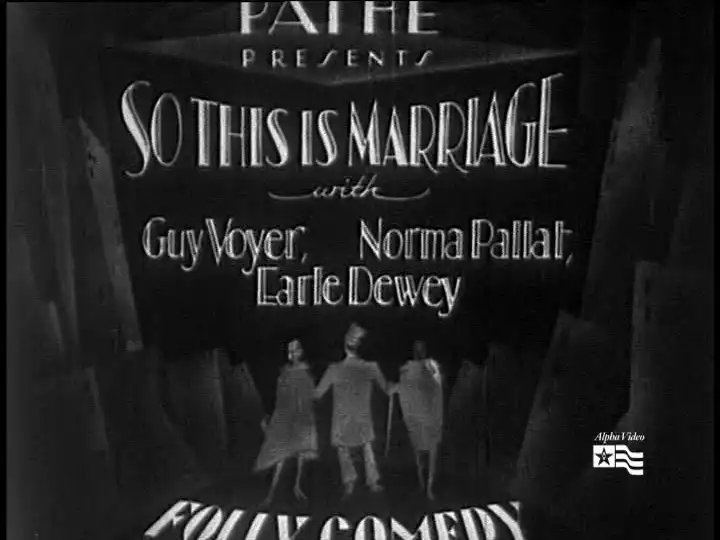
I noticed that the characters keep moving toward the center of the frame. It’s like they were afraid if they stepped two inches to the left, they would fall off the edge of the world. It gives the whole movie a very cramped, stage-like feeling.
It reminded me a bit of Vacation in how it tries to capture a very specific social class having very specific problems. It’s a lot of people with nothing to do but worry about how they feel. First world problems, 1920s edition.
There is a moment where the wife is talking to her friends and the sound quality just dips. It’s a tiny thing, but you realize how hard it must have been to make these early talkies. You can almost hear the crew sweating behind the camera.
The pacing is a bit like a car that won't start. It chugs along, then stops, then suddenly zooms forward for a minute. If you’ve seen Billy Jim, you know that older movies can sometimes struggle to find a rhythm.
The husband’s transformation at the end is way too fast. He goes from "I hate being married" to "I will die without you" in about thirty seconds. It’s not very realistic, but I guess they only had so much film left in the camera.
Is it a great film? No. But it’s a weirdly charming piece of history. It feels like finding an old postcard in a junk shop that someone forgot to mail.
The costumes are the real stars here. Norma Pallat wears this hat that looks like a very stylish bucket. I spent more time looking at the hat than listening to the dialogue in one scene. 🎩
If you like seeing the transition from silent to sound, this is a perfect example. You can see the actors still using their hands too much, like they don't trust their voices to do the work. It makes the whole thing feel a bit jittery and nervous.
I’d say it’s a decent watch if you’re bored on a Sunday. Just don't expect it to give you any actual marriage advice that works in the real world. Lying to your spouse usually ends with more screaming and less hugging than it does here.
It’s definitely better than some of the other shorts from that year. At least something actually happens. Even if that something is just a bunch of people being dramatic in a very nice living room.
IMDb 5.4
1931
Community
Log in to comment.