DbcultAccessing Vault...
Cult Review
Senior Film Conservator
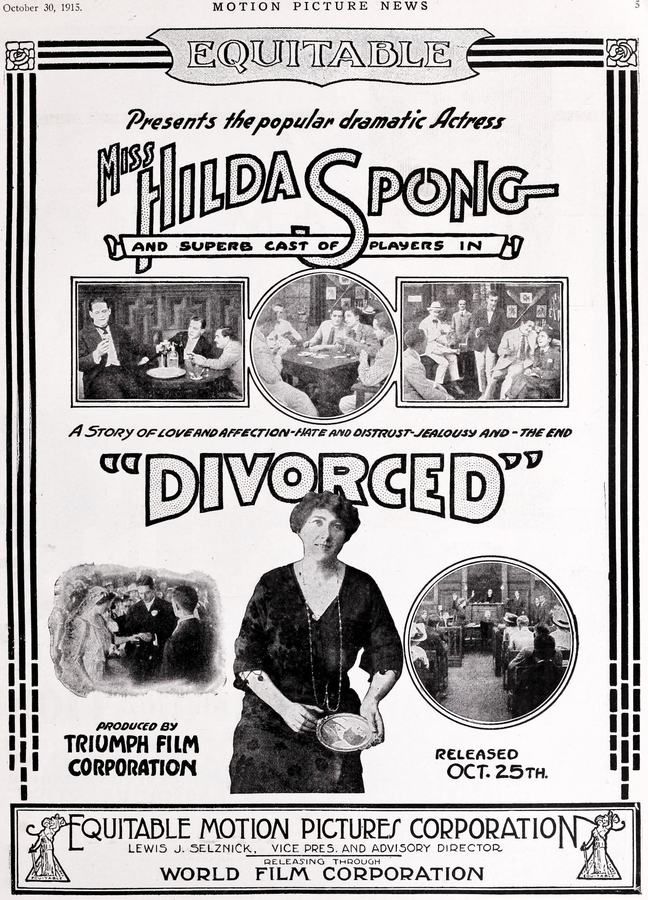
The first time you see Leonore Fenwick’s eyes, they already know betrayal.
Edwin Archer’s Divorced—a 1915 one-reel grenade lobbed into polite society—doesn’t waste reels on exposition. Within ninety seconds Ralph Manson, brisk stockbroker with the posture of a man who has never questioned his appetites, is lured offstage by a chorine whose laughter sounds like coins clinking. The camera, immobile but merciless, watches Leonore’s silhouette sag in a parlour that suddenly feels cavernous. From that single visual sigh the film lunges into a thorny thicket of exchanged vows, broken promises, and gunpowder.
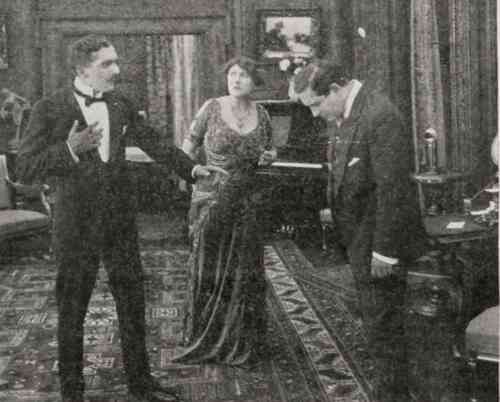
What follows is less a narrative than a moral autopsy.
Archer, adapting his own stage scorcher, refuses the sentimental cushions that soften many early features. There are no iris-outs on praying hands, no comic-relief butler. Instead, the picture proceeds like a stack of dynamite cigarettes: each scene a casual puff, each title card a sulfurous wick burning closer to the filter. The resultant explosion—Hadley’s body slumped on an Aubusson rug—feels simultaneously shocking and inevitable, the logical end-point of a culture that monetifies affection.
Hilda Spong’s Leonore is the film’s bruised nucleus. She ages a decade between two successive medium shots simply by lowering her eyelids a millimetre; when she finally levels the revolver, her tremor is so microscopically calibrated it seems less like aim than like the recoil of memory. Opposite her, Charles Hutchison’s Ralph is all kinetic smugness—his gait a living ledger of unpaid debts. Yet the revelation is Lyster Chambers as Hadley, investing the “other man” with oleaginous charm that never topples into moustache-twirling. Watch the way his fingers drum a waltz on the parlour piano while he negotiates Leonore’s future: every digit sings I own you.
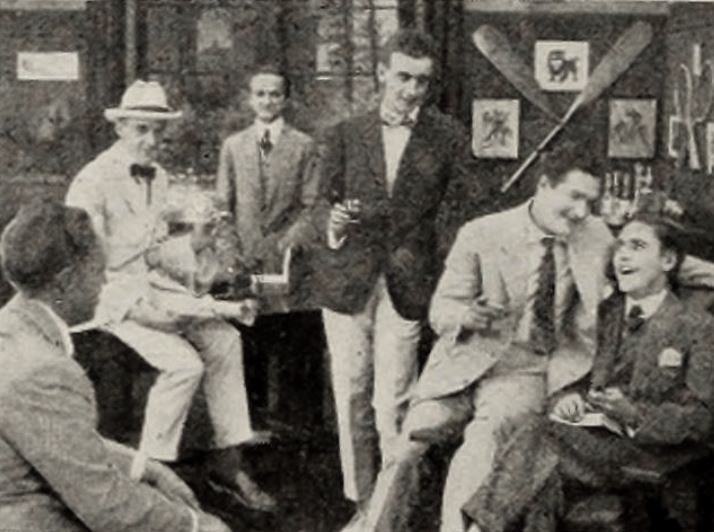
Ogden Childe, playing grown son Eugene, has the gawkiness of someone who has read about bravery in books but never practiced it aloud. His hesitation in the final reel—whether to cradle his unstrung mother or flee the courtroom—carries a documentary pang. Silent-era acting is often caricatured as semaphore; here the semaphore is encrypted, legible only if you’ve ever tried to love someone who forgot how to receive it.
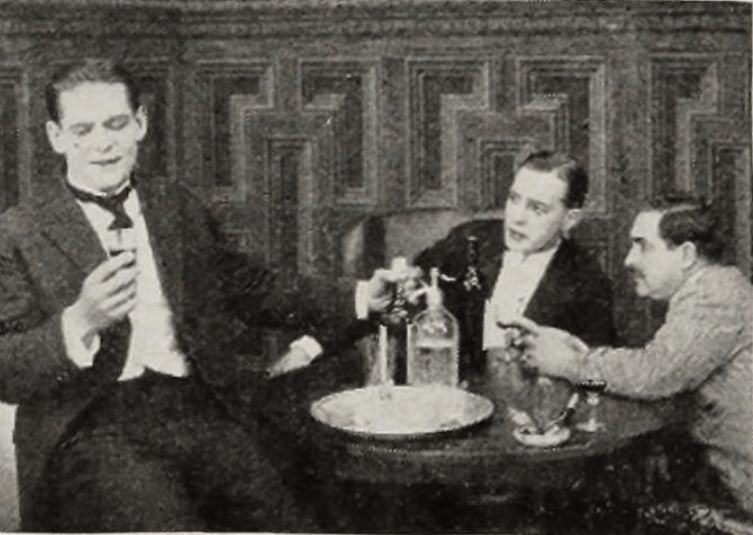
Cinematographer Lucien Andriot (uncredited in 1915 press sheets but attested by treasury sheets) shoots divorce not as a single legal stamp but as metastasising negative space. Note the repeated motif of doorframes swallowing characters: Leonore shut out of Ralph’s dressing room; Eugene exiled from Hadley’s study; finally Leonore escorted through the courtroom’s yawning oak maw. Each threshold is a miniature divorce—from spouse, from innocence, from self.
The palette, hand-tinted in 16mm survivals, flickers between bilious amber for interiors (the gaslight complicity of drawing rooms) and cadaverous sea-blue for night exteriors—most unforgettably the pier where Eugene first confronts Hadley. Against today’s 4K restorations, these washes feel impressionistic, almost bruise-like, as though the print itself sustained contusions.
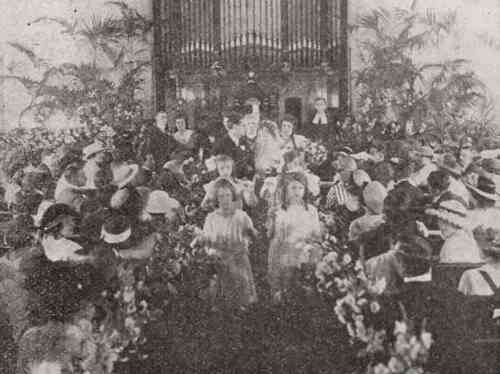
Intertitles, often the weak vertebrae of silent melodrama, here crackle with legalistic venom. When Hadley writes, “My dear Mrs. Fenwick, consider this cheque a down-payment on tomorrow,” the word down-payment lands like a slur. Archer has the foresight to let silence do equal lifting: a full 28-second hold on Leonore’s face after she reads the letter allows the audience to draft its own internal headlines. In 1915, that was practically Brechtian.
Comparisons? The contemporaneous The Cheat channels similar anxieties about transactional desire, yet DeMille cushions his climax with colonial spectacle. Divorced stays indoors, convinced that parlour shadows are exotic enough. Jump ahead to The Fighting Hope (1915) and you find a woman also on trial for shooting her tormentor, but that picture flirts with didactic rehabilitation; Archer has no interest in reforming anyone, only in exposing the hairline cracks where decency leaks out.
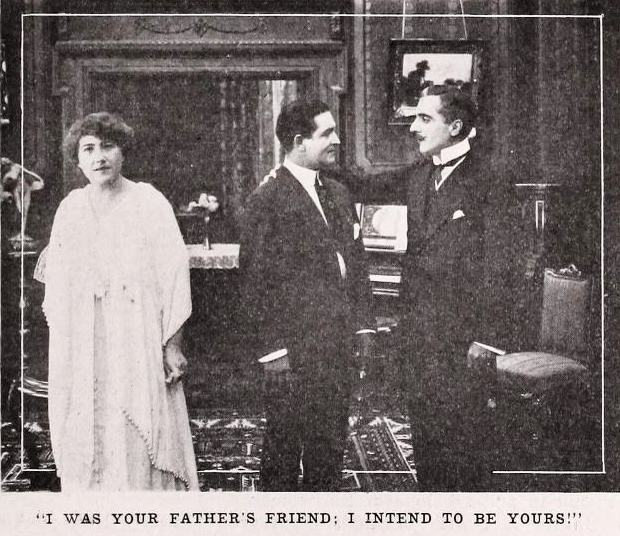
Modern viewers may balk that Leonore’s vindication hinges on “temporary insanity,” a verdict that pathologises female rage. Yet within the film’s hermetic logic the acquittal feels less like absolution than society’s sheepish admission that Hadley’s gaslighting was itself a form of slow-motion murder. Archer stages the jury as a Greek chorus of grimacing men, their eyes shifting from Leonore to Hadley’s vacant chair as if to say: There but for the grace of our own scams go we.
Meanwhile, Eugene’s fiancée Mabel—played with scene-stealing insouciance by Lucy Cotton—refuses to relinquish her beau despite parental apoplexy. Her steadfastness balances the maternal catastrophe, suggesting that while one generation burns its contracts, the next might draft fairer ones. Their closing clinch, framed against the courthouse steps, is shot from ankle-height: the lovers tower while pedestrians blur, a visual whisper that private fidelity can eclipse public disgrace.
Archer’s boldest gambit is sonic absence. No score survives, and many exhibitors improvised accompaniment. If you screen the unrestored 16mm today in a quiet room, the click-click of the projector becomes the heartbeat; the gunshot arrives as a mere title—BANG!—yet the mind supplies the reverberation. That phantom echo follows you out of the theatre, a reminder that the most devastating divorces are not judicial but cranial: the mind evicting its own tenants of trust.
Like many one-reelers, Divorced survives piecemeal—an incomplete negative at Eye, a dupe at MoMA, a scattering of lobby cards that read like ransom notes. Yet its thematic DNA replicates: trace its chromosomes through The Broken Promise (1915), through Sirk’s Written on the Wind, through Kramer vs. Kramer and into the algorithmic custody battles of Marriage Story. Each iteration asks the same bruised question: is love a contract or a covenant, and who gets to draft the fine print?
As of this month, a 2K restoration loops on Europeana; a 720p rip with Russian intertitles haunts the usual video bins. Either way, chase it down. Divorced is not a curiosity but a cauterisation—an 11-minute short that brands the cortex like a feature ten times its length. Watch it, then listen for the after-hush: that is the sound of your own assumptions packing their bags and quietly closing the door.
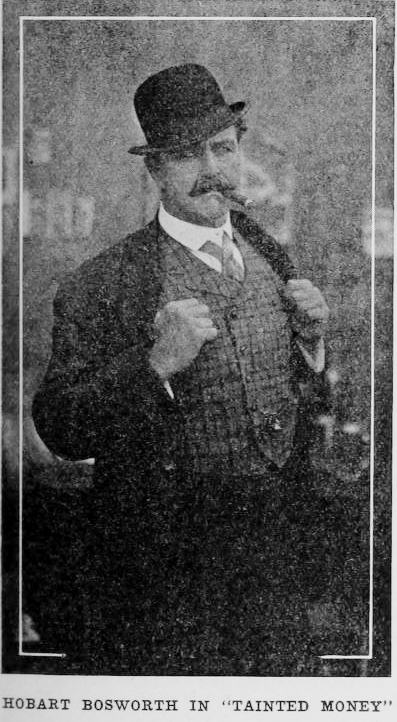
IMDb —
1915
Community
Log in to comment.