DbcultAccessing Vault...
Cult Review
Senior Film Conservator
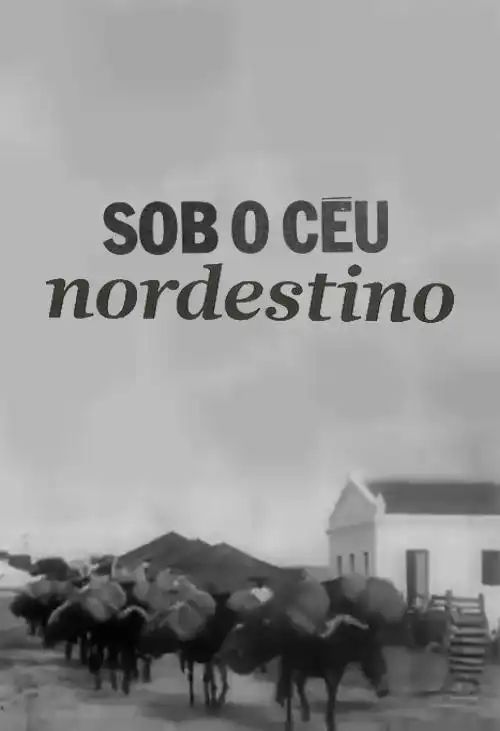
Okay, so Sob o Céu Nordestino – *Under the Northeastern Sky* – is definitely one for folks who like their drama quiet and heavy, with a slow burn. If you're into films that just *sit* with you, exploring a place and its people without much fuss, give it a shot. But if you need fast pacing or big plot twists, you'll probably find yourself checking your watch. This ain't for everyone, for sure. 😌
The whole thing feels so incredibly *real*. It’s like the camera just happened to be there, watching Maria (Eleonora Cantizani) and José (Braz Cantizani) live their lives. There’s no big, dramatic event to kick things off; it’s more about the accumulated weight of their days.
Eleonora Cantizani, as Maria, just has this presence. Her face tells a story without a single word. You see the years of hard work, the quiet worry about the sky. It's all there, etched in her eyes.
Braz Cantizani, playing José, is equally compelling. He's got that worn-out strength, the kind you see in people who've spent a lifetime coaxing a living out of stubborn soil. His silences are often louder than any dialogue.
There's this one scene where José is just trying to fix a broken fence post, and it goes on for a long time. The sun beats down. He struggles with the wood. You hear the rasp of his breath. It’s not exciting, but it pulls you right into that moment. You *feel* his effort. 💪
The landscape itself is practically a character. The vast, dry expanses of the sertão are everywhere. You get these wide shots of the dusty earth stretching out forever, and the sky, oh, the sky. It's immense, sometimes clear and punishing, sometimes gathering these hopeful, dark clouds that never quite break.
I remember this one shot of a single, gnarled tree, standing alone against the horizon. It looked like it had been there for a hundred years, defying everything. It kind of sums up the people in this movie, actually.
The pacing is… deliberate. If you're used to quick cuts and constant dialogue, this might test your patience. Sometimes, the camera just… waits. It really does. It allows you to soak in the atmosphere, the quiet hum of life in a remote place.
There's a scene involving a bucket being lowered into a well, and the sound design is just incredible. Every creak of the rope, the splash as it hits the water, the careful winding up. It's so simple, yet it communicates so much about the value of water here.
You can almost smell the dust and the dry earth, honestly. The film does such a good job of immersing you without ever needing big, flashy visuals. It’s all about the texture of things, the light, the subtle shifts in the air.
I found myself thinking about that old bucket well after the movie ended. How essential it was. How precarious everything felt.
The script, by Walfredo Rodrigues, feels more like observations than structured dialogue. People don't say much. When they do, it's usually something important, or a shared understanding that needs no further words. It adds to that feeling of authenticity.
One small thing I noticed: Maria always seems to be wearing the same faded blue dress. It’s such a tiny detail, but it speaks volumes about their limited resources, the unchanging nature of their daily grind. It just felt *right*.
It’s not really about *what* happens, you know? More about the *feeling* of being there. The resilience. The quiet dignity of just enduring. There’s a quiet strength that permeates every frame.
The ending, too, isn't a grand resolution. It just… is. Life goes on, under the same vast, indifferent sky. It's a very honest conclusion, I think. No easy answers. 🤷♀️
This film won't be for everyone. If you’re a fan of slow cinema, or just want to see a really grounded, human story without all the usual movie fluff, give it a try. It’s a quiet gem, definitely worth sitting with.

IMDb 7.5
1935
Community
Log in to comment.