DbcultAccessing Vault...
5.7/10
Senior Film Conservator
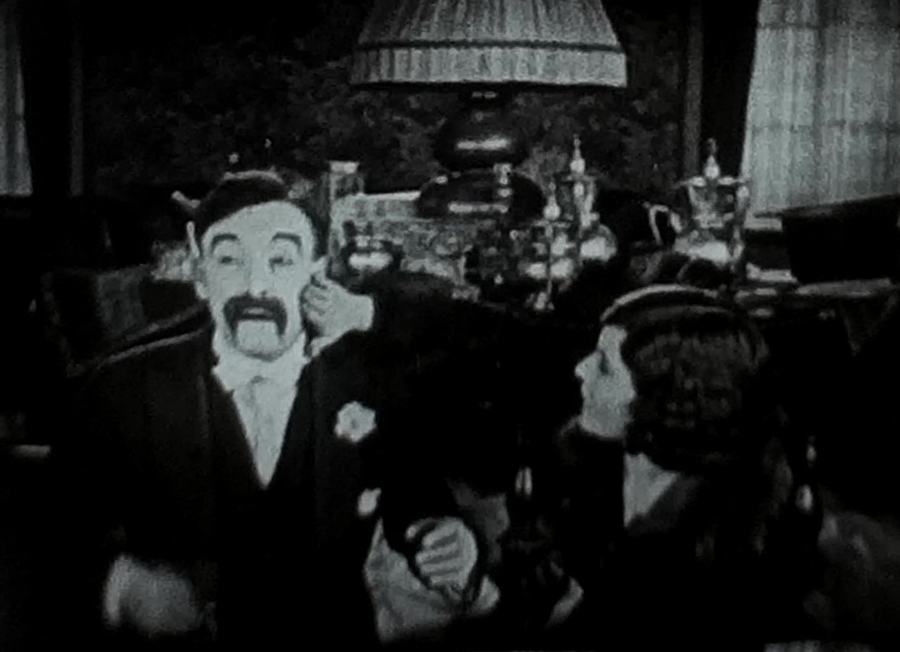
A definitive 5.7/10 rating for a film that redefined the boundaries of cult cinema. Some Baby remains a cornerstone of transgressive art.
"Some Baby" opens with a modest domestic tableau: George Rowe (playing himself) and Marie Mosquini, freshly united in matrimony, are presented with an infant as a whimsical wedding gift. The absurd premise—receiving a child before even mastering the art of cohabitation—sets the tone for a comedy that thrives on the collision between expectation and reality. The baby, a symbol of both hope and havoc, immediately disrupts the couple's nascent routine, prompting a cascade of slapstick mishaps that range from diaper disasters to furniture fiascos. When a shadowy figure—embodied by the ever‑mischievous Snub Pollard—stages a brazen robbery, the plot accelerates into a high‑octane chase, with the mother’s fury propelling her through alleys, markets, and a series of increasingly ludicrous set pieces. The film’s denouement restores order, yet the journey offers a kaleidoscopic glimpse into the era’s comedic sensibilities.
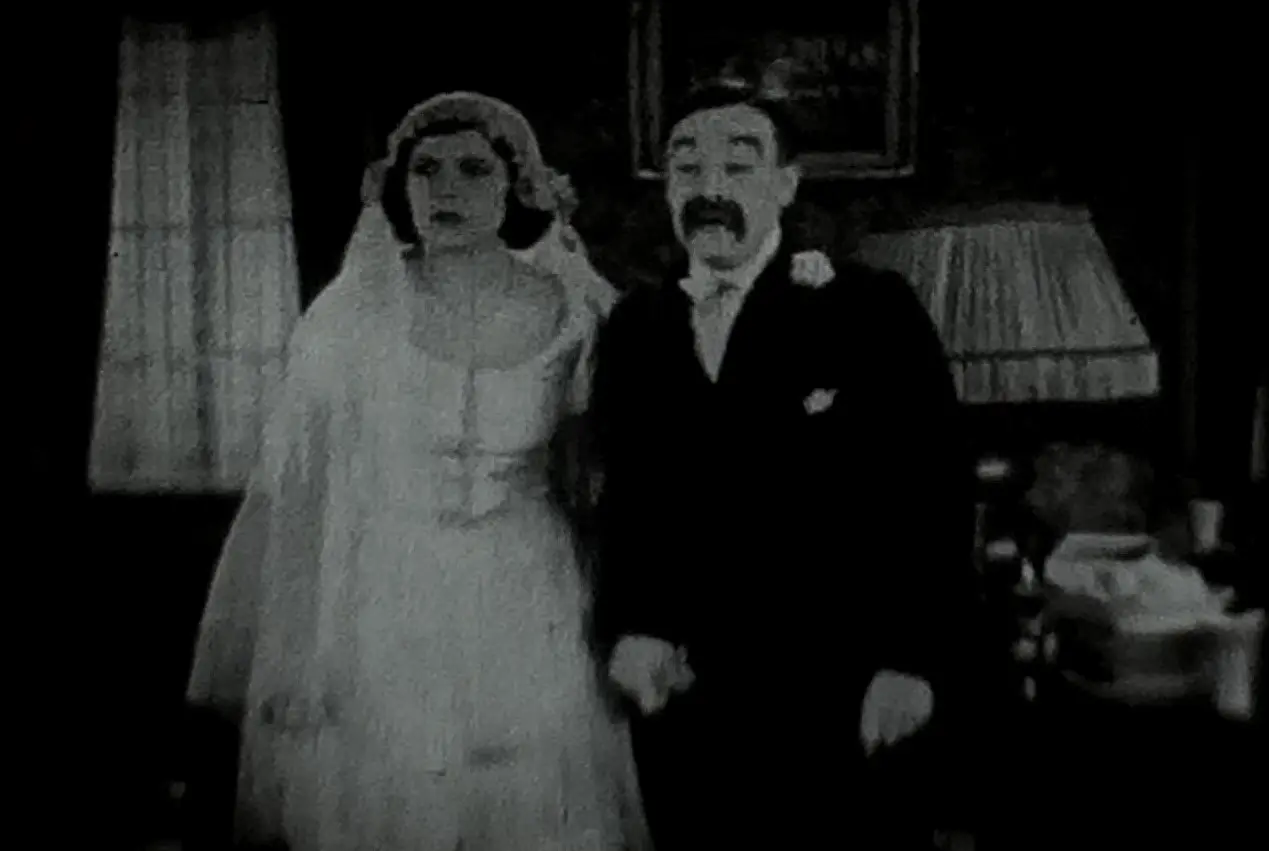
In a medium devoid of spoken words, the actors’ bodies become the primary conduit for narrative. George Rowe’s earnest bewilderment, conveyed through exaggerated eye‑rolls and frantic gesticulation, anchors the audience’s empathy. Meanwhile, Marie Mosquini delivers a masterclass in silent‑era femininity: her eyes flicker between terror and determination, and her swift, decisive movements during the pursuit sequence reveal a latent ferocity that belies her initial demure demeanor. Snub Pollard, the quintessential comic foil, excels at the art of the pratfall; his lanky frame repeatedly collides with doors, furniture, and even his own shadow, producing a rhythm of chaos that feels both spontaneous and meticulously choreographed. The supporting cast, including Noah Young’s hulking antagonist, contributes to a visual hierarchy that emphasizes size, speed, and slapstick timing, ensuring that each gag lands with the precision of a well‑timed metronome.
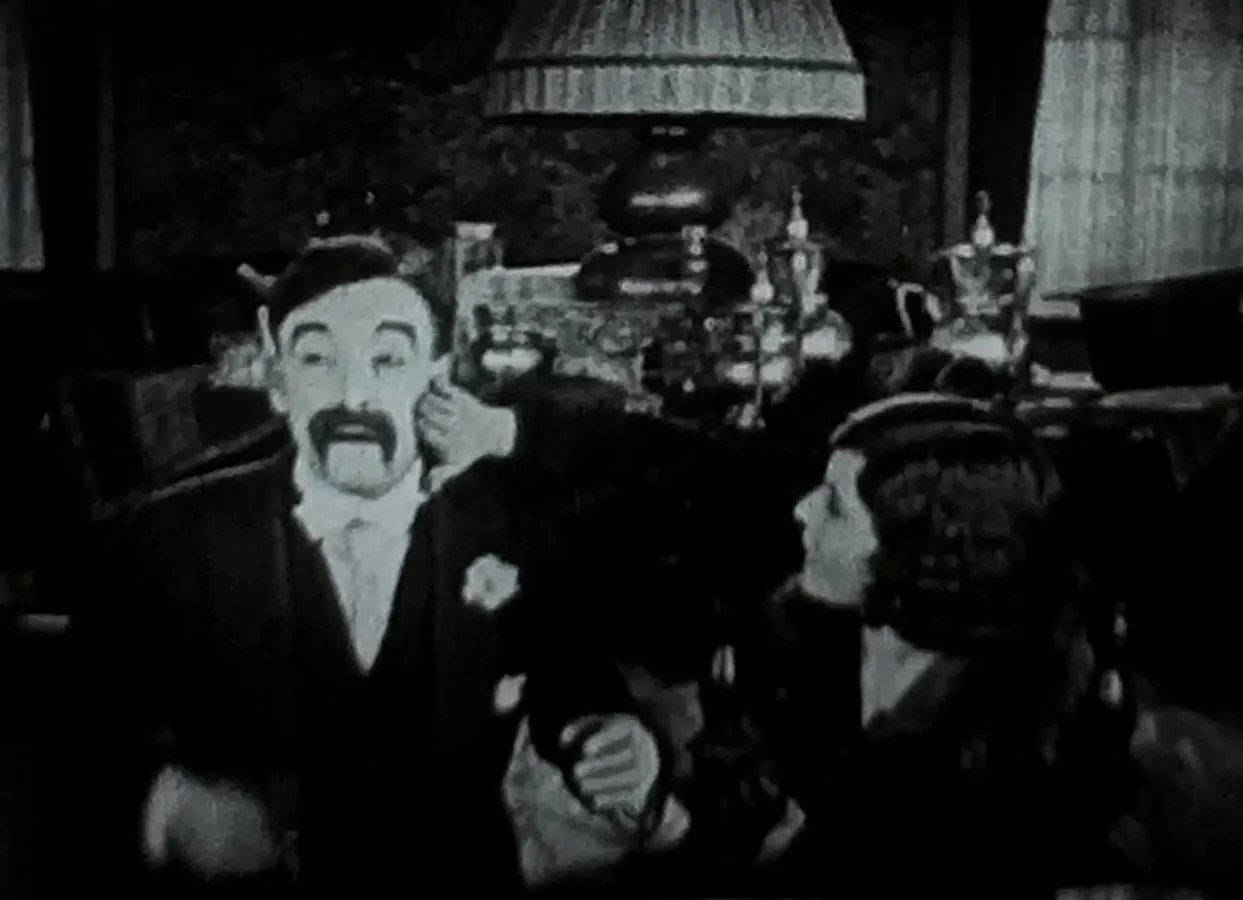
The director—though uncredited in many archives—demonstrates an uncanny grasp of kinetic storytelling. The film’s pacing oscillates between languid domestic scenes and rapid‑fire chase sequences, mirroring the emotional pendulum of the protagonists. Camera work remains largely static, a hallmark of the period, yet the strategic use of wide‑angle shots captures the full breadth of the comedic set pieces. When the thief absconds with the baby and the couple’s furniture, the camera follows the frantic scramble with a series of quick cuts, each framing the characters in progressively tighter compositions that heighten tension. This technique recalls the chase choreography of Buster Keaton’s "The General," albeit with a lighter, more farcical tone. Moreover, the director’s decision to intersperse moments of stillness—such as the quiet contemplation of the mother holding the infant—provides a necessary emotional counterbalance, allowing the audience to breathe before the next wave of hilarity crashes ashore.
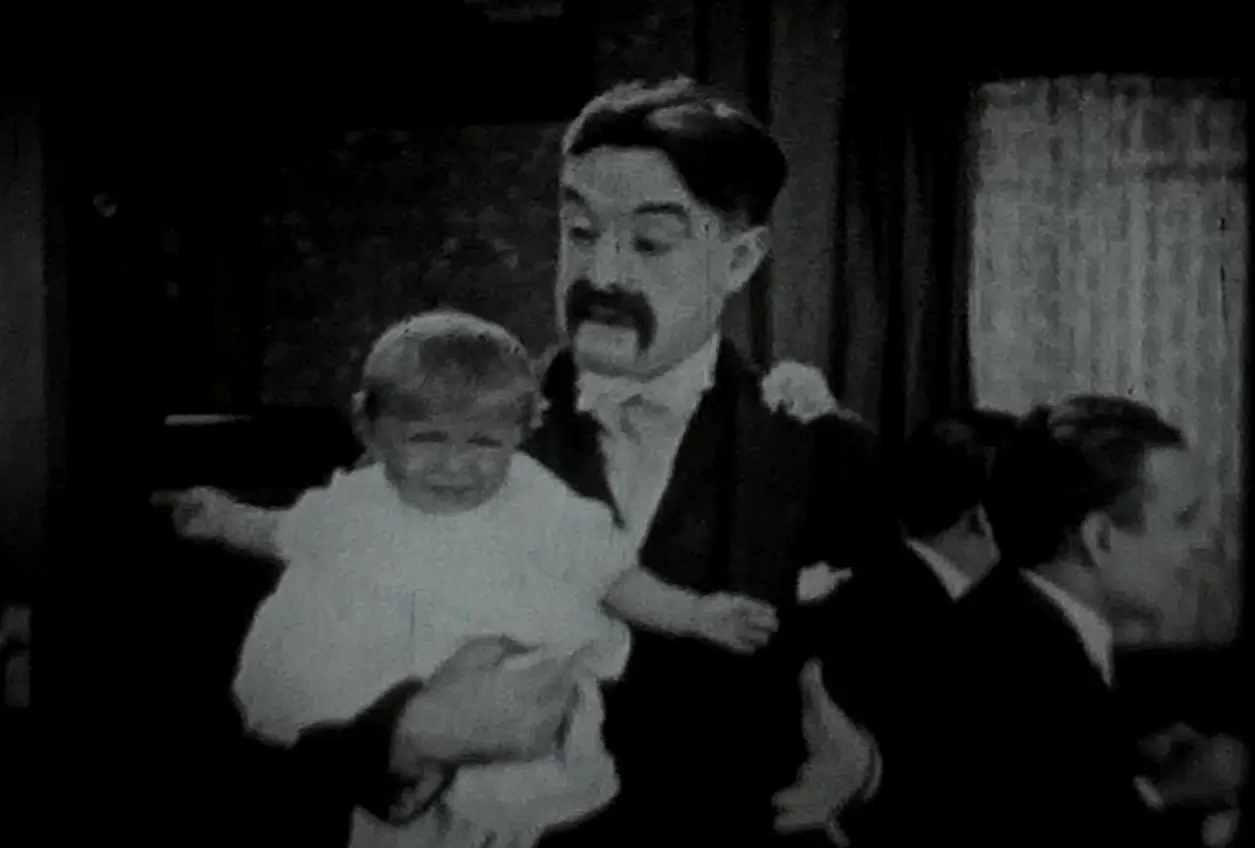
Although the film is presented in black‑and‑white, the visual composition employs a sophisticated palette of light and shadow. The use of high‑contrast lighting accentuates the starkness of the urban backdrop, while the occasional soft focus on the infant creates an ethereal aura, emphasizing the baby’s symbolic purity amidst surrounding pandemonium. The set design—particularly the cluttered living room from which the furniture is stolen—functions as both a comedic prop and a narrative catalyst. The chaotic arrangement of chairs, tables, and cradles serves as a visual metaphor for the couple’s disordered new life. When the chase spills onto the street, the bustling cityscape is rendered with an almost documentary‑like authenticity, reminiscent of the atmospheric streetscapes seen in "The Man from Nowhere" (The Man from Nowhere), though the tonal intent diverges sharply toward levity.
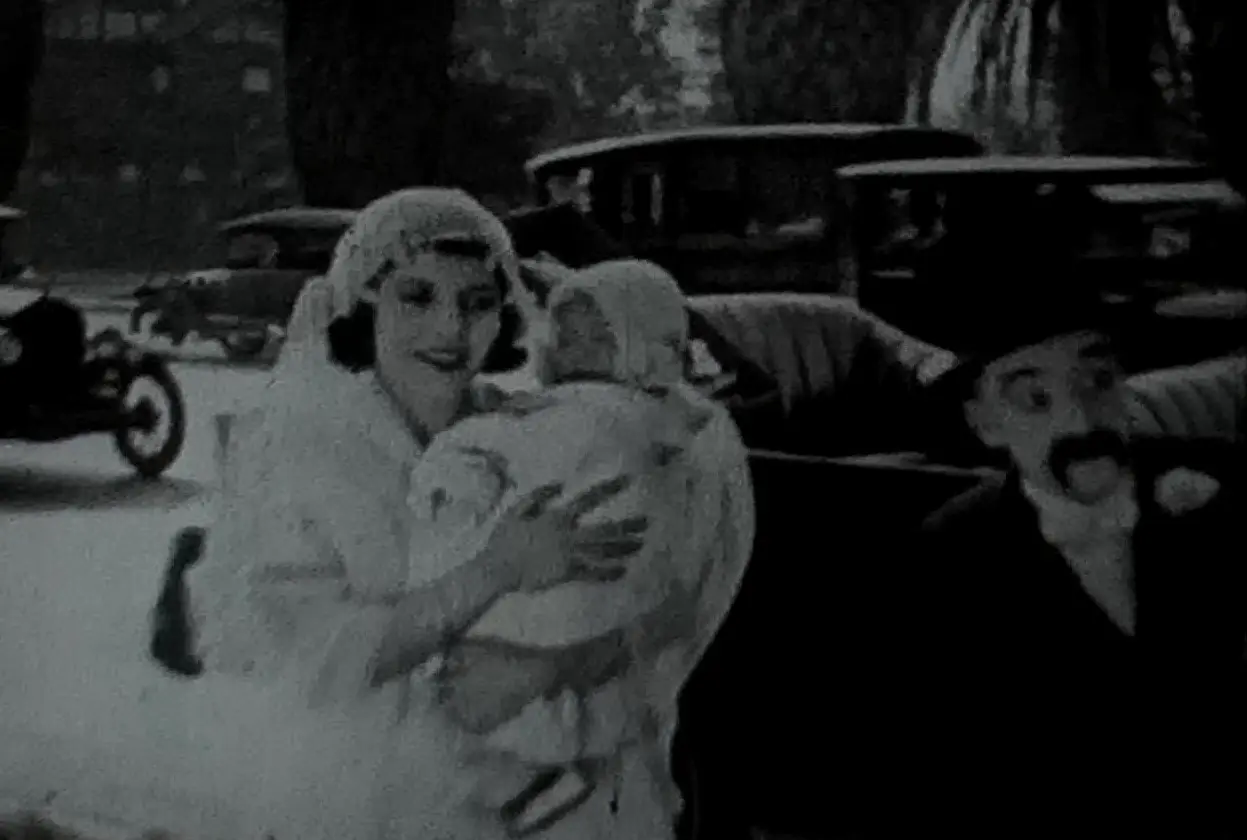
Beneath its slapstick veneer, "Some Baby" probes the anxieties of early twentieth‑century domesticity. The sudden arrival of a child without prior consent mirrors societal pressures on newlyweds to procreate, while the theft of furniture underscores a fear of material instability. The mother’s relentless pursuit can be read as an assertion of agency in a patriarchal framework, challenging the notion that women are passive recipients of familial duties. Moreover, the film’s comedic treatment of loss and recovery offers a cathartic exploration of resilience: the protagonists, though initially overwhelmed, ultimately reclaim both child and home, suggesting an optimistic view of marital fortitude. This thematic layering aligns the film with contemporaneous works such as "Don't Blame the Stork" (Don't Blame the Stork), which also navigates the tumult of unexpected parenthood through humor.
When juxtaposed with the volcanic spectacle of "The Volcano" (The Volcano), "Some Baby" opts for intimate, ground‑level chaos rather than grand, elemental disaster. Its comedic rhythm shares DNA with the physicality of "The Painted Soul" (The Painted Soul), yet the narrative stakes are decidedly more personal. The film’s chase sequence bears a structural resemblance to the relentless pursuit in "Treat 'Em Rough" (Treat 'Em Rough), though the latter leans toward Western grit, whereas "Some Baby" remains firmly in the realm of domestic farce. These intertextual echoes enrich the viewing experience, positioning the film as a connective tissue within the silent‑era comedy canon.
Although the original prints lack a synchronized soundtrack, contemporary screenings often pair the film with a ragtime piano score, accentuating the jittery tempo of the chase and the tender lullabies that accompany the infant’s moments of calm. This musical juxtaposition amplifies the emotional dichotomy, allowing audiences to feel both the urgency of the pursuit and the warmth of familial love. The choice of a lively, syncopated piano line mirrors the kinetic energy of the visual gags, while softer, melodic passages underscore the film’s occasional sentimental beats.
While "Some Baby" never achieved the iconic status of Chaplin’s masterpieces, it occupies a niche as a quintessential example of early slapstick that foregrounds domestic turmoil. Film historians cite it as an early exploration of parental anxiety within a comedic framework, predating the more nuanced treatments seen in later sound-era comedies. Its influence can be traced to modern sitcoms that hinge on the absurdities of new parenthood, proving that the film’s core premise remains resonant. The preservation efforts undertaken by silent‑film societies have ensured that contemporary audiences can still experience its kinetic charm, and its inclusion in retrospectives alongside titles such as "The Grain of Dust" (The Grain of Dust) underscores its enduring relevance.
In sum, "Some Baby" delivers a robust blend of physical comedy, narrative ingenuity, and thematic depth. Its performers exhibit a virtuosity that compensates for the absence of dialogue, while the director’s deft handling of pacing ensures that each gag lands with maximal impact. The film’s visual composition, though constrained by monochrome, leverages contrast to create a vivid tableau that feels both period‑specific and universally relatable. For aficionados of silent cinema, the film offers a rewarding study in how humor can be harnessed to interrogate societal expectations surrounding marriage and parenthood. For the casual viewer, it provides an unpretentious, laugh‑laden ride that remains as entertaining today as it was nearly a century ago. The chase may be chaotic, but the ultimate reunion affirms a timeless truth: love, in its most frantic form, always finds a way back home.
IMDb —
1917
Community
Log in to comment.