DbcultAccessing Vault...
Cult Review
Senior Film Conservator
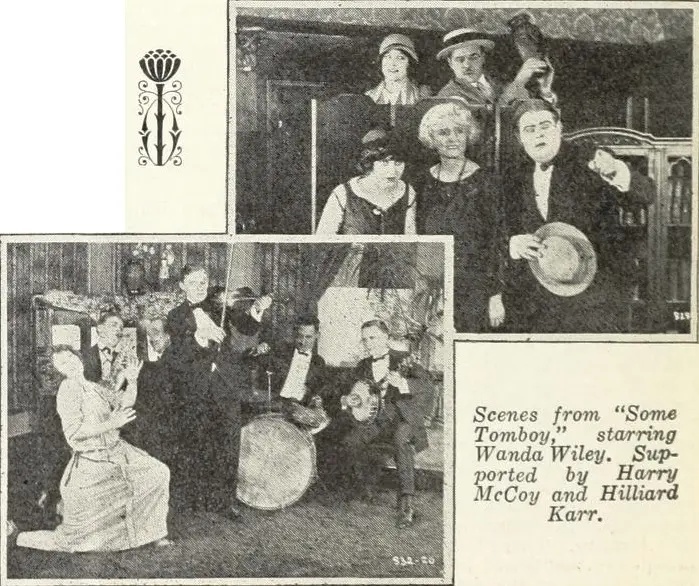
Wanda, a skilled pitcher on a local kids' baseball team, lives an unassuming life until she catches the eye of a wealthy young man. This encounter sets off a chain of events that transform her world. As the plot unfolds, Wanda finds herself in a series of hilarious and intense situations that challenge her to assert her independence and redefine her place in society.
The film opens with Wanda on the baseball field, her skill and determination evident. Her talent is not just in her throwing but in her ability to outwit and outplay others. This sets the stage for the unexpected turn of events that follow. The young man, whose identity is not immediately revealed, watches from the sidelines, drawn to Wanda's spirited nature and her impressive athletic abilities.
One day, while Wanda is swimming in her nearly birthday suit, the young man surprises her, presenting a stark contrast to her active, athletic lifestyle. He makes a bold and somewhat crude proposition, threatening to steal her remaining clothing unless she consents to a kiss. Instead of succumbing to pressure, Wanda cleverly turns the situation to her advantage. She outmaneuvers the young man by stealing his automobile and leading him on a chase. This daring act not only showcases her wit but also introduces a sense of adventure and rebellion that permeates the rest of the film.
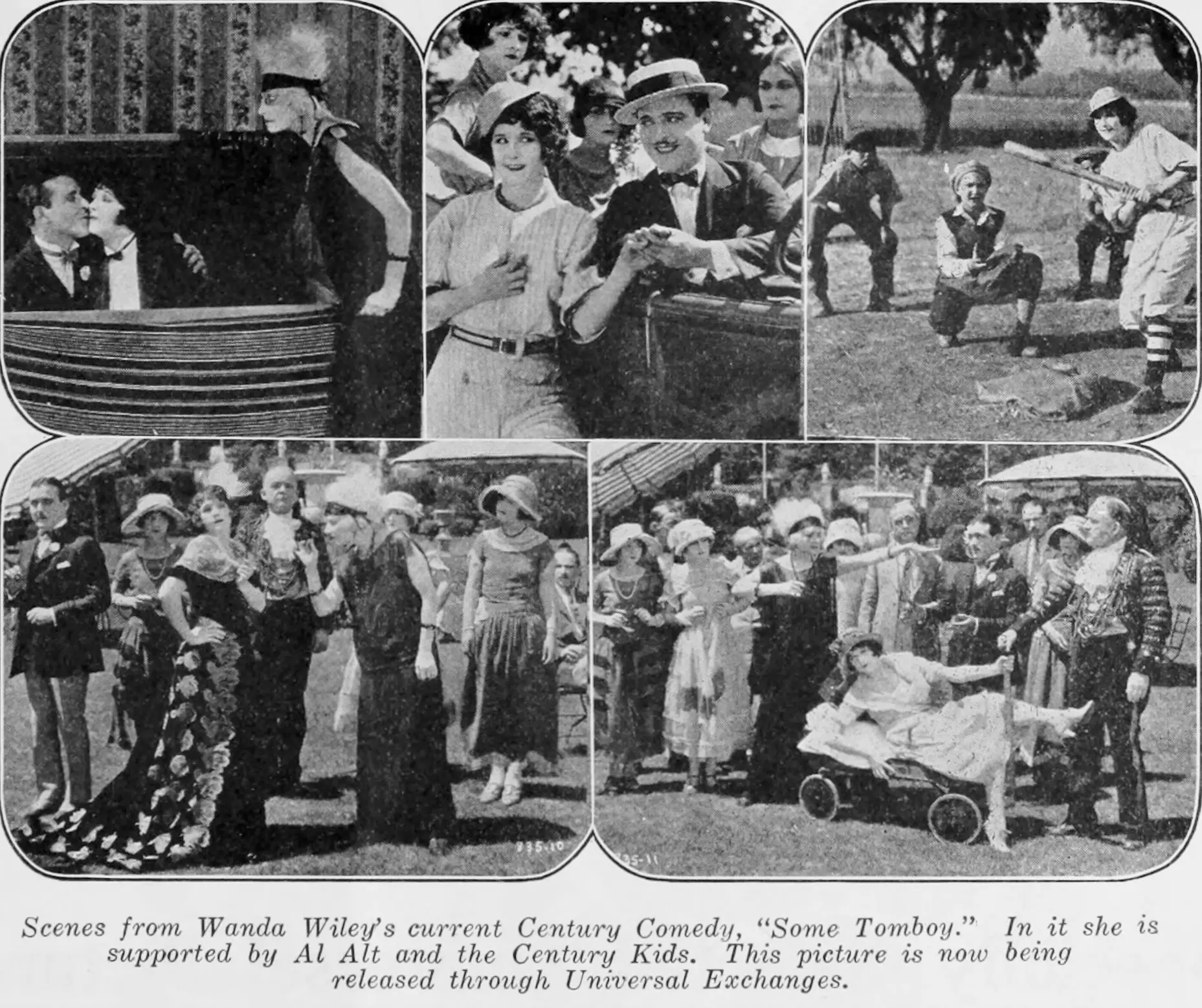
As the plot progresses, Wanda finds herself in a new environment, working in a hairdressing shop. Here, she encounters the mother of the young man, who is preparing for an event. Wanda, in her attempt to be useful, accidentally damages the hairdressing apparatus, leaving the old lady's hair in a state of disarray. This mishap, while leading to an immediate confrontation, also sets up a comedic moment that highlights Wanda's impulsive nature and the consequences of her actions.
The climax of the film revolves around a daring rescue operation. Wanda, with her newfound courage and resourcefulness, takes on a group of burglars who are attempting to steal the family's silver and jewels. Her quick thinking and bravery not only save the family's valuable possessions but also bring her closer to the young man. This sequence is a testament to Wanda's character development, showcasing her transformation from a rebellious teenager to a confident and capable individual.
The resolution of the film is both satisfying and unexpected. Wanda's actions, driven by a combination of fearlessness and a desire for recognition, not only resolve the immediate conflict but also pave the way for a romantic outcome. The old lady, impressed by Wanda's courage and resourcefulness, agrees to the marriage, marking the end of a journey that began with a simple act of defiance and culminated in a triumph of spirit and character.
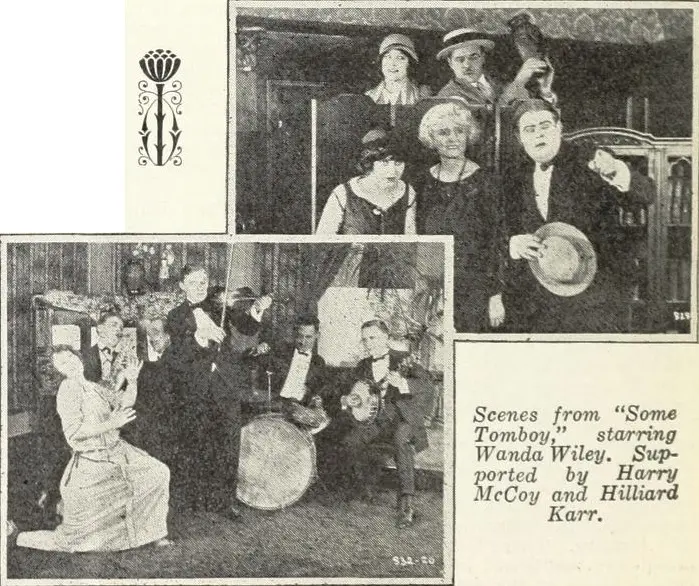
Edward Ludwig, the writer of Some Tomboy, imbues the story with a sense of humor and adventure that resonate well with the early 20th-century audience. The film's blend of romance, comedy, and action makes it a standout piece in the genre. The performances, particularly by Mary Land as Wanda, add depth and authenticity to the characters, making the story more engaging and relatable.
Compared to other films of the era, Some Tomboy stands out for its unique narrative and the adventurous spirit of its protagonist. It shares thematic elements with films like The Victory of Virtue and The Summer Girl, both of which explore the complexities of gender roles and societal expectations. However, the specific plot and character arcs in Some Tomboy offer a fresh perspective on these themes, making it a valuable addition to the early cinema canon.
Overall, Some Tomboy is a film that captures the essence of early 20th-century cinema, blending humor, adventure, and romance in a way that is both entertaining and thought-provoking. It is a testament to the creative spirit of its time and a reminder of the enduring appeal of stories that celebrate courage and independence.
IMDb —
1925
Community
Log in to comment.