
DbcultAccessing Vault...
6.4/10
Senior Film Conservator
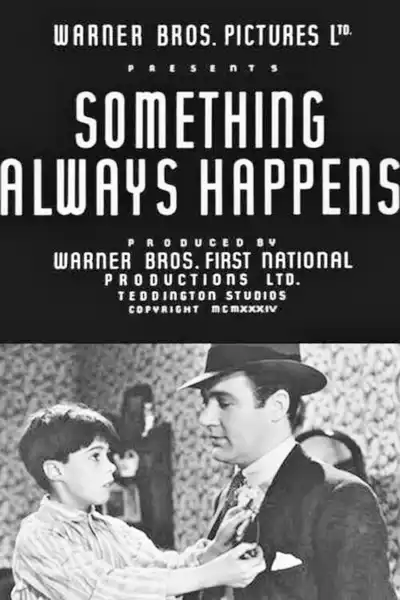
A definitive 6.4/10 rating for a film that redefined the boundaries of cult cinema. Something Always Happens remains a cornerstone of transgressive art.
Is this worth watching today? Only if you have a weird obsession with early 1930s British quickies or petrol station marketing. You'll probably love it if you like fast-talking guys with bad ideas who get lucky. If you want actual high stakes, you will absolutely hate this. ⛽
Ian Hunter plays Peter, this incredibly smug guy who is basically broke but acts like he owns London. He wants to impress a girl, played by Nancy O'Neil, whose dad is a big shot in the petrol business.
So Peter comes up with this "genius" plan to double gas station profits. His big idea? Putting cafes and shops next to the pumps.
Honestly, it's hilarious how the movie treats this like he invented electricity. Like, wow, selling snacks where people buy gas, what a mind-blowing concept! 🤯
It reminded me a bit of the frantic energy in Turn Back the Clock, but way more British and obsessed with petrol. When the dad rejects him, Peter just goes to the rival company and helps them ruin the dad's business.
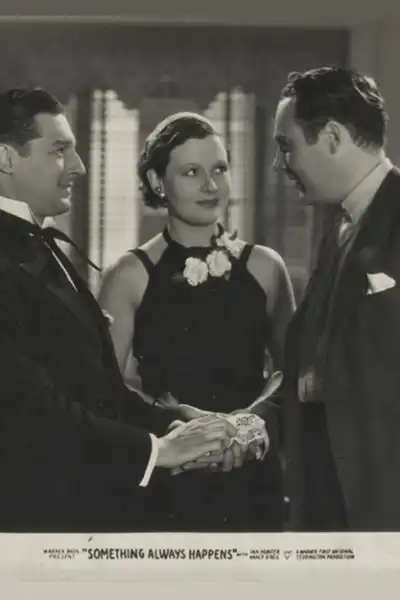
There is this one scene where Peter is explaining his business model and he keeps waving his hands around like he's trying to catch flies. The actor Ian Hunter has these very loud eyes that look like they're about to pop out of his head.
Also, the sound quality in this old print is so scratchy. At one point, a car drives by and it sounds like someone is ripping a giant piece of wet cardboard right next to the microphone.
I also noticed this one extra in the background of the office scene who just stares directly at the camera for three seconds. He looks so lost, like he wandered in from the set of Lost: A Wife.
The whole thing is barely over an hour, which is its saving grace. It moves so fast because if it slowed down, you'd realize how thin the plot is.
The romance is also completely unbelievable. She hates him, he talks about gas pumps, and suddenly she's madly in love.
Classic 1930s logic, I guess. It is not a masterpiece, but it's a weirdly fun relic of a time when gas stations were exciting new tech.