DbcultAccessing Vault...
Cult Review
Senior Film Conservator
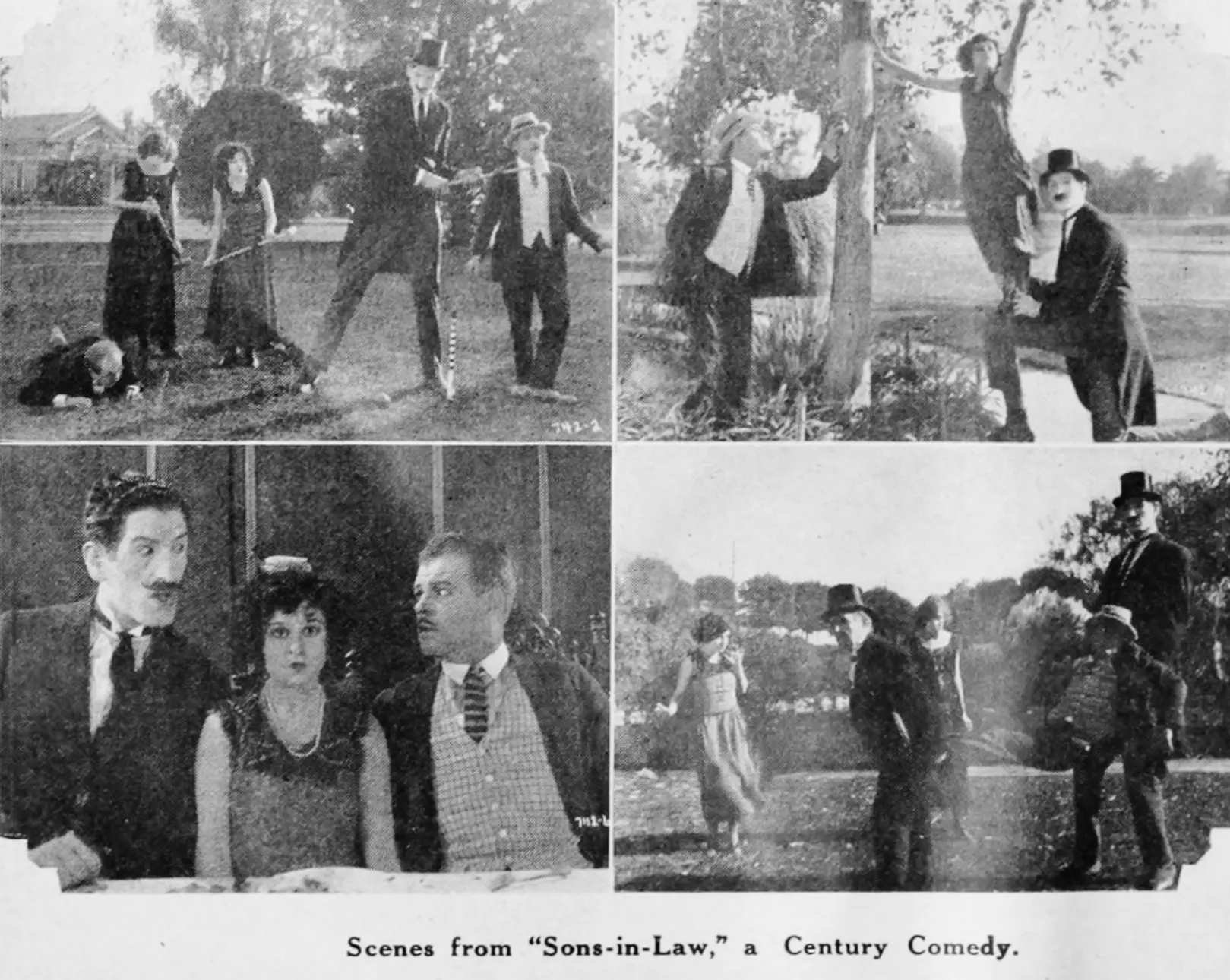
Jack and Harry, two suitors deeply infatuated with the same set of sisters, find their quests thwarted by their shared father. His disapproval stems from the brothers' shared affection, a situation that requires a creative and daring plan. The brothers’ solution is to master their father's favorite game: croquet. However, Jack’s clumsy nature disrupts their carefully laid plans. During a crucial moment, Jack's enthusiasm for the game leads to an unforeseen accident, as he strikes their father with a croquet ball, causing him to fall and injure his eye. The father, now seriously injured, seems to be beyond the brothers’ reach, yet their love for the sisters drives them to devise a new strategy.
Harry’s ingenuity comes to the fore as he and Jack concoct an elaborate ruse involving the father's car. The plan is for the father to attempt to drive a new car, which would inadvertently send him plummeting off a cliff. This act of deception is meant to create a window of opportunity for Jack and Harry to enter the sisters’ home and declare their love. However, their scheme is discovered, setting off a series of misadventures and a relentless pursuit. The chase scene becomes the highlight of the film, showcasing the brothers’ determination and the comedic relief they provide throughout the narrative. The father's recovery and the revelation of the brothers' deception lead to a climactic and somewhat bittersweet conclusion, leaving viewers to ponder the complexities of love, family, and the lengths one will go to win a woman's heart.
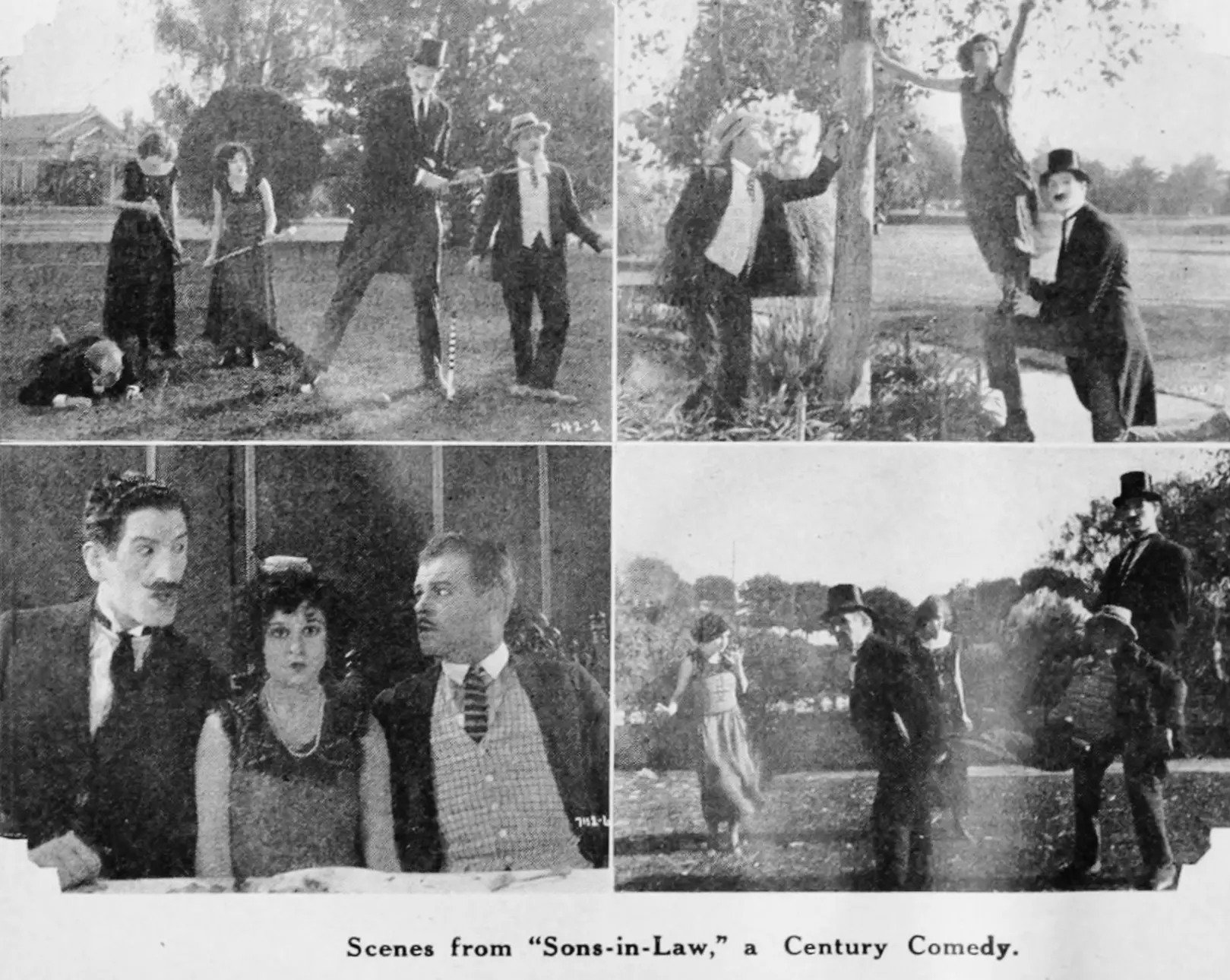
Upon closer inspection, Sons-in-Law emerges as a fascinating piece of early cinema. Its plot, while somewhat predictable, is executed with a finesse that reflects the filmmaking techniques and storytelling methods of the time. The film’s humor is rooted in its characters' misadventures and the escalating complications of their schemes, making it a delightful watch for enthusiasts of classic comedy and early film history.
Comparing Sons-in-Law to other films of its era, it shares thematic similarities with Pace That Kills, another film that explores the comedic and dramatic elements of family and love. The film’s reliance on physical comedy and the use of a car as a plot device echo the comedic elements found in Man by the Roadside. The intricate plotting and the chase scenes are reminiscent of the action and suspense found in The Lion and the Mouse and The Bandbox.
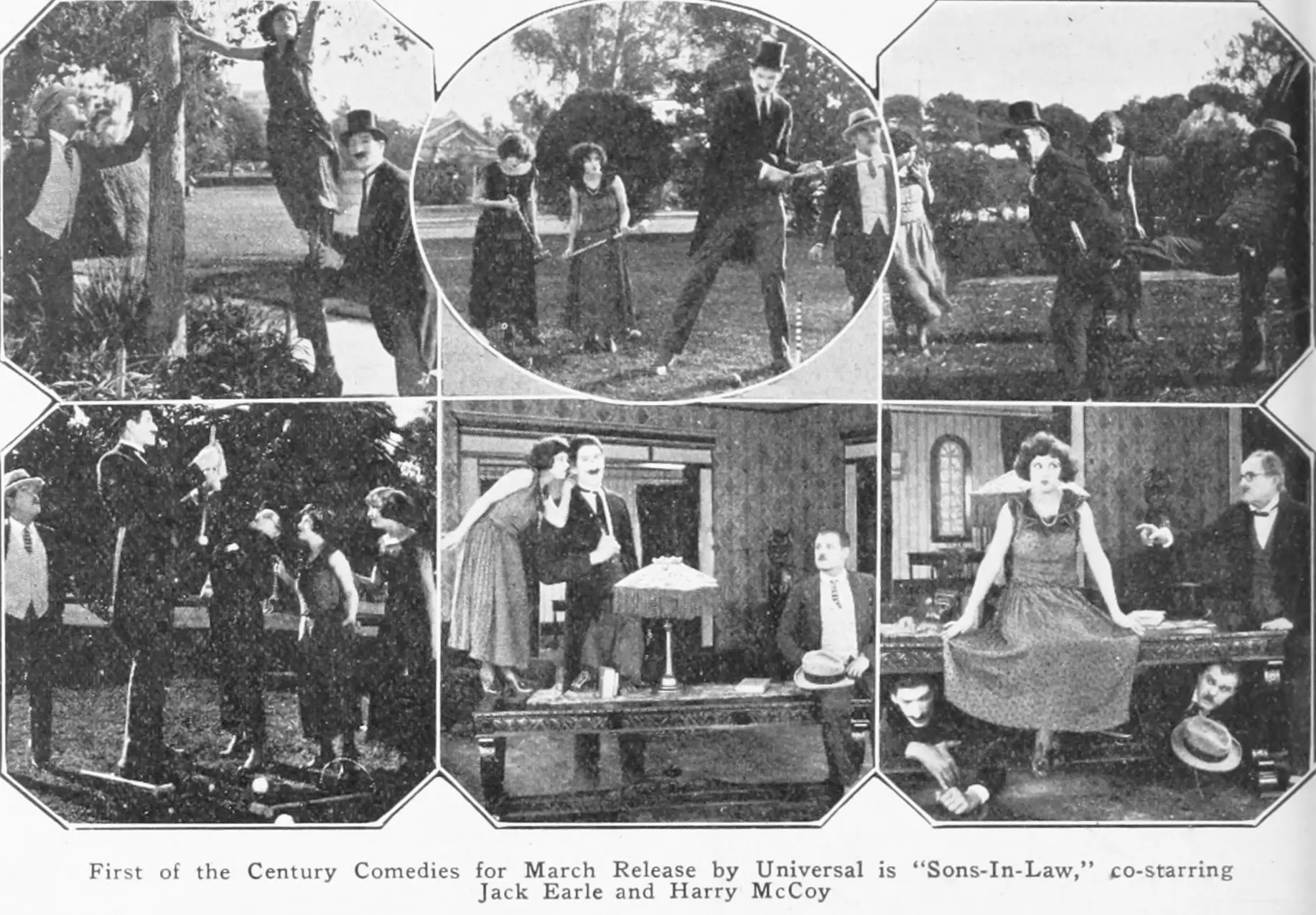
While the film may not offer the depth and complexity of some contemporary works, it is a testament to the ingenuity and creativity of early filmmakers. Its use of physical comedy, intricate plot twists, and the exploration of familial and romantic relationships provide a unique viewing experience. For those interested in the evolution of cinema and the early days of storytelling, Sons-in-Law is an essential watch. It offers a glimpse into the art of filmmaking at a time when the medium was still finding its footing and establishing its conventions.
In conclusion, Sons-in-Law is a delightful and engaging film that captures the essence of early cinema. Its blend of humor, suspense, and the exploration of love and family makes it a valuable addition to any film enthusiast's collection. Whether enjoyed as a historical artifact or a charming piece of entertainment, this film offers a unique and entertaining viewing experience.
IMDb —
1923
Community
Log in to comment.