DbcultAccessing Vault...
6/10
Senior Film Conservator
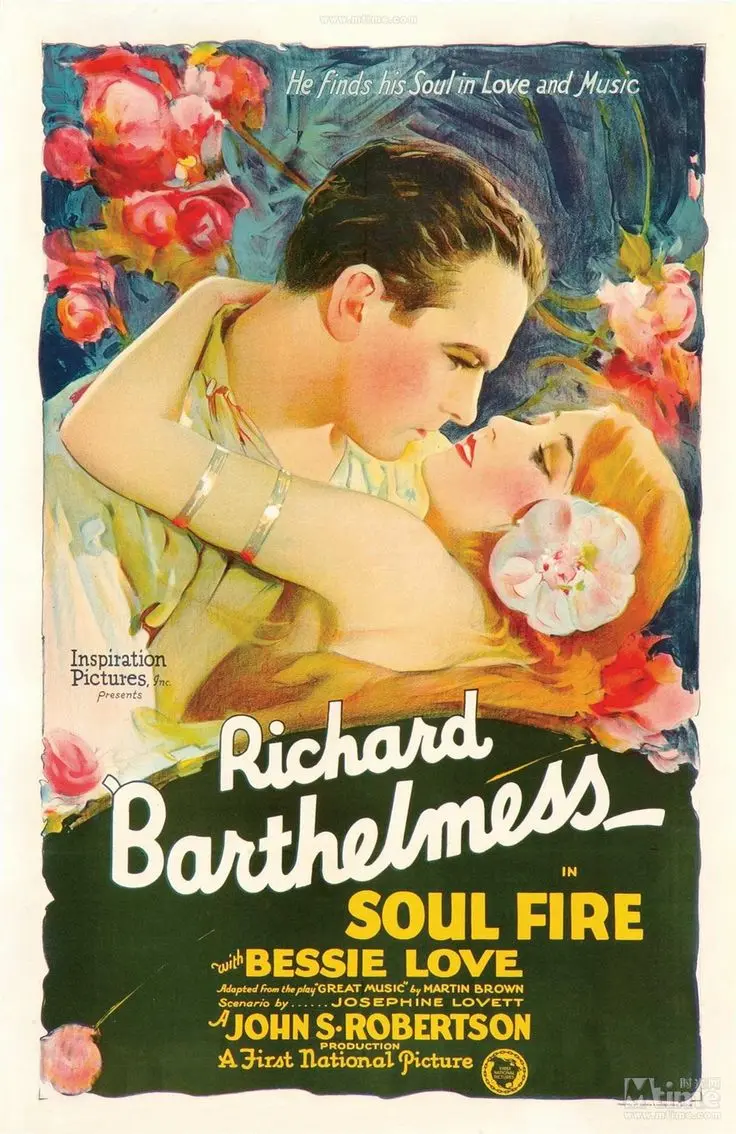
A definitive 6/10 rating for a film that redefined the boundaries of cult cinema. Soul-Fire remains a cornerstone of transgressive art.
The opening scene of 'Soul-Fire' is a masterful blend of dramatic tension and poetic imagery, immediately immersing the audience in the central character's emotional turmoil. Directed with a keen eye for visual storytelling, the film is a testament to its era’s innovative techniques, seamlessly integrating narrative with visual cues that enhance the emotional resonance of the story.
Eric Fane, played by the versatile Gus Weinberg, is a composer whose dedication to his muse is both his strength and his weakness. The film opens with Fane in a bustling city, his musical compositions drawing crowds and admiration, yet also highlighting the practical challenges of his livelihood. This setting establishes the dichotomy between his creative aspirations and the financial constraints that threaten to stifle them.
As the narrative unfolds, Fane is faced with a pivotal decision: accept a lucrative opportunity to compose for a film, thereby gaining financial security and a stable future, or continue pursuing his muse, risking both his financial stability and his artistic soul. The tension mounts as Fane’s internal conflict is mirrored in his external interactions, with each scene building towards a climax that is both emotionally charged and thematically rich.
The supporting cast, including Effie Shannon as Fane’s love interest and Alexander Hesse as his former mentor, add depth to the narrative. Their performances are nuanced, contributing to a multifaceted portrayal of the various pressures and influences that shape Fane’s journey. The interplay between Fane and his love interest, in particular, is a poignant exploration of the sacrifices and compromises inherent in romantic relationships.
The film’s visual style is a standout feature, with a palette that enhances the emotional tone of each scene. The use of color, lighting, and cinematography creates a visual narrative that complements the thematic depth. For instance, scenes set in the city are bathed in stark, clinical lighting, underscoring the cold, impersonal nature of the commercial world Fane must navigate. In contrast, scenes depicting Fane’s artistic moments are bathed in warm, golden hues, symbolizing the warmth and vitality of his creative spirit.
The narrative structure of 'Soul-Fire' is meticulously crafted to maintain audience engagement. The film employs a non-linear approach, interweaving flashbacks and present-day scenes to provide a comprehensive view of Fane’s journey. This structure not only adds layers to the story but also enhances the emotional impact of the narrative. The use of flashbacks to Fane’s early days as a composer, when he was more carefree and less burdened by financial concerns, serves as a poignant contrast to his current struggles.
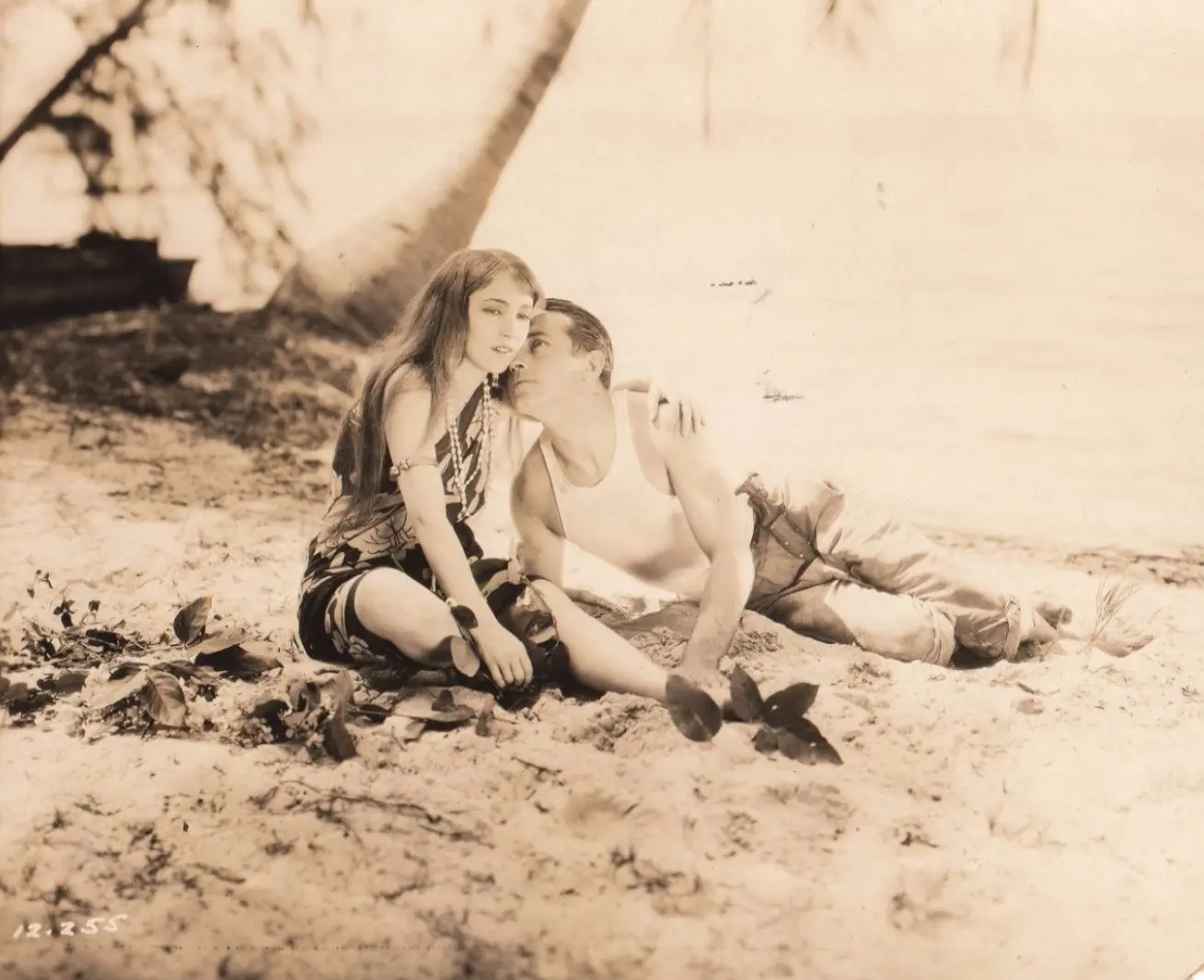
The dialogue in 'Soul-Fire' is both elegant and impactful, reflecting the period's literary influences. The characters’ exchanges are filled with poetic language that enhances the film’s intellectual and emotional depth. The script, penned by Josephine Lovett, Martin Brown, and Agnes Smith, is a masterclass in scriptwriting, balancing character development with thematic exploration. The dialogue is not merely functional but also contributes to the film’s overall aesthetic, adding to its cultural significance.
One of the film’s most powerful elements is its exploration of the relationship between art and commerce. Fane’s dilemma is not just a personal one but also a societal one, reflecting the broader tension between artistic integrity and commercial success. The film raises important questions about the value of art in a capitalist society and the moral implications of compromising one’s principles for financial gain. This thematic depth adds a layer of complexity to the narrative, making 'Soul-Fire' more than just a simple tale of love and art; it is a profound exploration of the human condition.
The film's musical score also deserves mention. The score, composed by Fane himself, is an integral part of the narrative, enhancing the emotional impact of each scene. The music is a reflection of Fane’s inner turmoil, mirroring his struggle between his passion and his practical needs. The score’s evocative melodies and rhythms contribute to the film’s overall ambiance, creating a rich auditory experience that complements the visual and narrative elements.
'Soul-Fire' stands as a significant work in the early silent film era, offering a nuanced exploration of the human psyche and the complex dynamics of artistic and personal life. The film’s technical achievements, combined with its rich narrative and stellar performances, make it a standout piece of cinema. Its relevance extends beyond its historical context, making it a valuable addition to any film enthusiast’s collection.
When compared to contemporaneous works such as 'Going Straight' (1920) or 'The Little Diplomat' (1920), 'Soul-Fire' emerges as a more introspective and artistically ambitious project. Films like 'Going Straight' and 'The Little Diplomat' tend to focus more on external conflict and comedic elements, while 'Soul-Fire' delves deeper into the internal struggles of its protagonist. This thematic depth is a hallmark of the film and sets it apart from many of its peers in the silent era.
'Soul-Fire' is a film that resonates with audiences beyond its historical context. Its exploration of the tension between art and commerce, and the sacrifices required to maintain one’s integrity, remains relevant in contemporary discussions about creativity and professional life. The film’s technical and artistic merits, combined with its thoughtful narrative, make it a must-see for cinephiles and film history enthusiasts alike.
In conclusion, 'Soul-Fire' is a film that transcends its era, offering a timeless exploration of personal and professional struggles. Its beautifully crafted narrative, stellar performances, and technical achievements make it a standout piece of cinema. Whether viewed as a historical artifact or a modern work of art, 'Soul-Fire' is a film that invites viewers to reflect on the value of artistic integrity and the complexities of human desires.
IMDb 5.7
1935
Community
Log in to comment.