DbcultAccessing Vault...
Cult Review
Senior Film Conservator
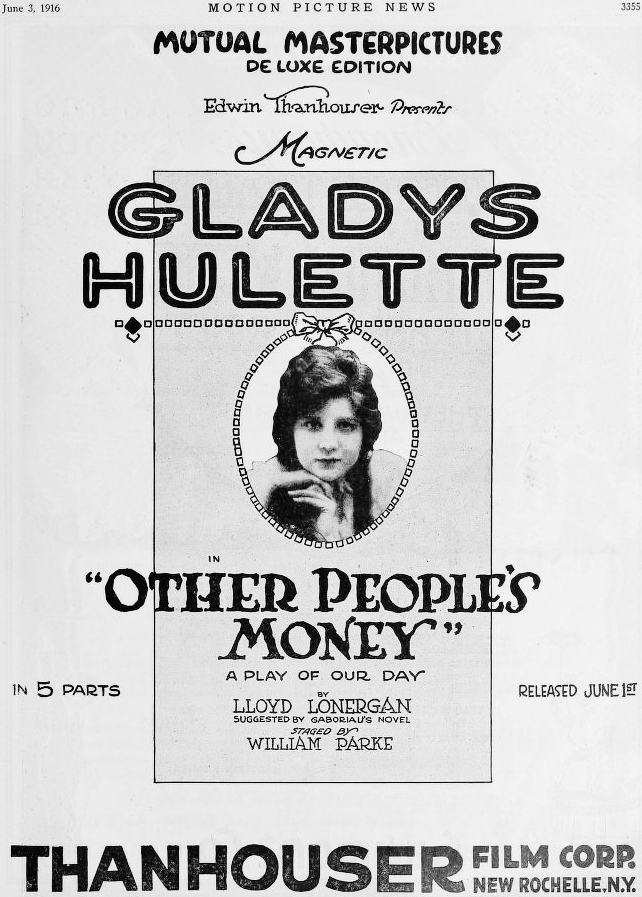
In the nascent years of cinema, when flickering images and orchestral scores wove narratives without uttered words, a particular fascination emerged for tales of financial intrigue and the moral quagmires they presented. 1916's Other People's Money stands as a remarkable testament to this fascination, a labyrinthine thriller that delves into the depths of human avarice and the enduring pursuit of justice. It’s a narrative tapestry woven with threads of betrayal, sacrifice, and an ingenious scheme of redemption, showcasing the sophisticated storytelling capabilities of early silent film. Far from a simplistic morality play, this picture offers a complex dissection of perception versus reality, challenging its audience to look beyond initial appearances.
The film opens with a scenario all too familiar in any era: a financial bubble bursts, leaving a trail of ruined investors and a prominent broker, the head of the enterprise, conspicuously absent. Public sentiment, fueled by the swift evaporation of promised riches, immediately condemns him as a swindler, another architect of a "get-rich-quick" fantasy who absconded with the spoils. This initial setup deftly taps into perennial anxieties surrounding speculative markets and the fragility of trust in financial institutions. However, the brilliance of Lloyd Lonergan's screenplay, the mind behind this intricate plot, lies in its immediate subversion of this conventional wisdom. We are quickly disabused of the notion that this man is merely a common crook; instead, he is revealed to be a pawn, a meticulously chosen scapegoat in a grander, more sinister game orchestrated by two true wizards of high finance. Their cunning manipulation of public perception, framing the broker for their own misdeeds, establishes a captivating premise that promises more than just a simple chase after a fugitive. This narrative complexity, a hallmark of Lonergan's work, echoes the intricate plots seen in films like The Clue, where appearances are consistently deceptive and the real culprits often hide in plain sight.
Central to this unfolding drama is the broker's daughter, a character embodying profound resilience and moral fortitude. Her father's disappearance, far from breaking her spirit, ignites a fierce determination to rectify the perceived wrongs and aid those who suffered. In a poignant display of altruism, she voluntarily relinquishes all her property, turning over her inheritance to the creditors, a gesture that speaks volumes about her integrity in a world tainted by greed. This act of self-sacrifice sets her on a new, arduous path, earning her livelihood in a dressmaking establishment, a stark contrast to her former life of privilege. Her journey from societal prominence to humble labor underscores the film's commentary on class and the arbitrary nature of fortune. Kathryn Adams, likely in the role of this steadfast daughter, would have had to convey immense emotional depth and unwavering resolve through pantomime and expressive gestures, a demanding feat characteristic of silent era acting. Her plight resonates with the struggles of strong female characters in other early films, such as those navigating societal expectations or economic hardship in The Seven Sisters or Ma Hoggan's New Boarder, portraying women who, despite adversity, forge their own paths.

The true villains of the piece, the scheming couple, emerge from the shadows at the creditors' meeting, their presence a chilling testament to their audacious nature. They are not merely observers but active participants, surveying the wreckage they wrought, not with remorse, but with an eye for their next victim. Their gaze falls upon a young man, seemingly an easy mark: he had lost a modest sum in the crash, yet possessed ample means to absorb further losses, and crucially, evinced a profound sympathy for the less fortunate. This blend of affluence and empathy made him irresistible to their predatory instincts. The woman, a master manipulator, orchestrates a theatrical suicide attempt, a performance designed to elicit immediate compassion. After her 'rescue' by the earnest young man, she spins a fabricated tale of woe, claiming her husband's meager earnings were obliterated, leaving them destitute. Her crocodile tears and feigned vulnerability are a chilling display of psychological manipulation, reminiscent of the intricate cons found in crime dramas like Alias Jimmy Valentine, where deception is an art form. The young man, true to his sympathetic nature, escorts her home, promising to help them rebuild their lives, unaware he is being drawn into a meticulously crafted web of deceit.
Just as the conspirators believe their plan is perfectly unfolding, an unforeseen event introduces a critical variable: the young man, while out driving with the scheming woman, accidentally strikes the broker's daughter. This chance encounter, a classic narrative device, serves as the pivotal turning point. Despite the manipulative woman's immediate attempts to disparage the daughter, labeling her an 'upstart' and implying unsavory character, the young man finds himself drawn to her. This burgeoning interest, rooted in an instinctive recognition of her plight or perhaps her quiet dignity, poses a direct threat to the villains' carefully constructed scheme. The woman, sensing her grip on the young man's sympathies weakening, devises a novel, more insidious plan to discredit her rival. She orchestrates a situation where the daughter's employer sends her out motoring in expensive gowns, ensuring the young man witnesses this seemingly sudden acquisition of wealth. The insidious implication is clear: the daughter must have resorted to illicit means to afford such finery, thus destroying her reputation and the young man's burgeoning affection. However, this cunning trick proves futile. The young man, now driven by a nascent love and a growing sense of unease regarding the situation, investigates independently and discovers the truth: the girl was merely acting as a model, her 'wealth' nothing more than borrowed plumage for a professional assignment. This act of proactive investigation by the young man is crucial, signaling a shift from gullibility to active skepticism, and it propels the narrative forward with renewed vigor.
The failure of their elaborate smear campaign only intensifies the villains' desperation. They resort to increasingly aggressive tactics, attempting various schemes to injure the girl or remove her from the picture entirely. Each attempt, however, meets with failure, further solidifying the young man's conviction that the daughter is being unjustly persecuted. His investigative instincts, now fully engaged, lead him to suspect a deeper, unknown motive behind the relentless attacks. This evolution of the young man's character from sympathetic bystander to amateur detective adds another layer of suspense to the story. The narrative skillfully builds tension through these repeated, thwarted attempts, keeping the audience on edge and anticipating the inevitable confrontation. The relentless pursuit of the innocent daughter by the malevolent couple highlights the profound moral stakes at play, echoing the dramatic struggles between good and evil often explored in films of the era, such as The Christian, which often pitted virtuous characters against corrupt forces.
In a final, desperate gambit, the swindlers employ their bookkeeper, a man who, despite his short tenure, has seemingly earned their full confidence. He is tasked with writing a letter to the daughter, purportedly from her father, requesting a clandestine meeting. This elaborate trap is designed to lure her into their clutches, where they can finally silence her. The daughter, yearning for answers and reunion, keeps the appointment, only to find the malevolent couple awaiting her. They unleash a torrent of threats, promising bodily harm unless she withdraws, chillingly reminding her of how they 'disposed' of her father. Confident in their impending victory, they grow boisterous, openly recalling the intricate details of the plot that led to the broker's apparent elimination. This moment of hubris, a classic dramatic irony, becomes their undoing. Their self-incriminating boasts are abruptly cut short by the sudden entrance of the bookkeeper, followed by the young man and a policeman. The villains' rage turns on the bookkeeper, whom they perceive as a traitor, but their fury quickly dissolves into stunned silence as the 'old man' smiles, removes his wig and glasses, and reveals his true identity: he is none other than the fugitive broker himself. This breathtaking revelation, a masterstroke of disguise and long-term planning, is the film's undeniable climax. The broker, having determined to expose the real criminals, had, with the aid of the police, installed a dictagraph, meticulously recording their every damning word. In the face of this irrefutable testimony, the swindlers are speechless, their intricate web of lies irrevocably shattered. They are silently escorted to prison, their reign of financial terror brought to an emphatic end, awaiting the justice they so richly deserve. This meticulously planned sting operation, complete with hidden identities and recorded confessions, showcases an ingenuity in plot construction that would be lauded even in contemporary thrillers, underscoring the timeless appeal of a well-executed plan for justice.
At its core, Other People's Money is a profound meditation on the corrosive nature of greed and the enduring power of integrity. The film critiques the allure of quick riches and the moral compromises often made in their pursuit, a theme as relevant today as it was in 1916. It also explores the concept of 'other people's money' not just as a literal asset, but as the collateral damage of human trust and reputation. The broker's sacrifice, his willingness to live under a cloud of ignominy to secure true justice, speaks to a higher moral imperative. His daughter's unwavering loyalty and selflessness provide a stark contrast to the villains' rapacity, serving as a beacon of hope amidst the moral murk. The narrative also thoughtfully examines the idea of perception versus reality. The public's initial judgment of the broker, the villains' manufactured suicide attempt, and their attempts to smear the daughter's character all highlight how easily appearances can be manipulated and how crucial it is to delve beneath the surface. This exploration of truth versus illusion resonates deeply, a timeless aspect of human experience. The eventual triumph of justice, orchestrated through cunning and patience, offers a satisfying resolution, affirming that even the most elaborate deceptions eventually crumble under the weight of truth.
To fully appreciate Other People's Money, one must consider the unique challenges and triumphs of silent filmmaking. Without spoken dialogue, the entire burden of conveying plot, character, and emotion fell upon visual storytelling: expressive acting, evocative cinematography, and the judicious use of intertitles. The intricate plot, with its multiple layers of deception, hidden identities, and dramatic reveals, required exceptional clarity in its visual presentation. The director, working with writer Lloyd Lonergan, would have meticulously choreographed every scene, relying on exaggerated gestures, facial expressions, and precise blocking to communicate the nuances of the narrative. The tension of the confrontations, the suspense of the investigations, and the emotional weight of the daughter's plight would all have been conveyed through the actors' physicality and the film's visual rhythm. The use of a dictagraph, a relatively new technology at the time, would have been particularly intriguing in a silent film context, requiring clever visual cues to demonstrate its function and significance. This innovative approach to storytelling, where every frame had to speak volumes, distinguishes films of this era and showcases the remarkable ingenuity of early cinematic artists. The careful construction of suspense and revelation, without the crutch of dialogue, is a testament to the sophisticated craft prevalent in films like The Last Chapter, where narrative momentum was entirely built on visual cues and intertitle exposition.
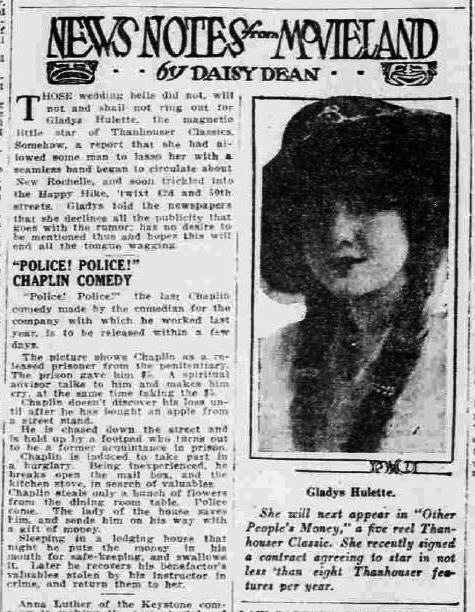
While specific directorial credits are often less emphasized in early cinema records, the unified vision behind Other People's Money is palpable. Lloyd Lonergan's script is a masterclass in intricate plotting, demonstrating a keen understanding of suspense and character development. The cast, including Kathryn Adams, Fraunie Fraunholz, Gladys Hulette, Yale Benner, and J.H. Gilmour, would have been instrumental in bringing these complex roles to life. Their performances, relying on the highly stylized yet deeply communicative acting techniques of the silent screen, would have been crucial in drawing audiences into this world of high stakes and moral ambiguity. The film stands as a compelling example of how early cinema tackled complex social issues and delivered sophisticated entertainment. Its intricate plot, moral depth, and satisfying resolution ensure its place as a fascinating artifact of a bygone era, yet one whose themes of financial deception and the relentless pursuit of justice remain remarkably pertinent. It reminds us that even in the absence of sound, the power of a well-told story, executed with ingenuity and passion, can resonate across generations, proving that the currency of compelling narrative is truly timeless, much like the enduring tales of good triumphing over evil seen in From the Manger to the Cross, albeit with a more secular, contemporary setting. The film's ability to weave such a convoluted yet ultimately coherent narrative without dialogue is a testament to the skill of its creators, offering a blueprint for future cinematic thrillers and solidifying its place as a noteworthy contribution to the evolving art form of motion pictures.
IMDb 6.2
1922
Community
Log in to comment.