DbcultAccessing Vault...
Cult Review
Senior Film Conservator
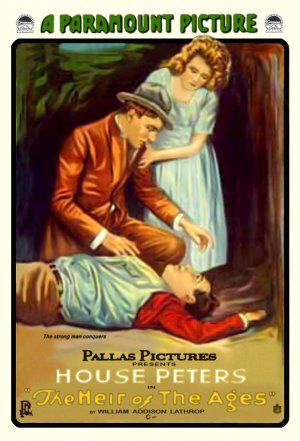
Stepping into the world of Heir of the Ages, one is immediately struck by the raw, unvarnished emotional landscape that director William Addison Lathrop (credited for the screenplay) so skillfully etches onto the silver screen. This isn't merely a silent Western; it's a profound exploration of fraternal devotion, self-sacrificing love, and the often-arduous journey toward truth. The film, a relic from an era where narrative subtlety and visual storytelling reigned supreme, transcends its historical context to deliver a tale that feels both classic and surprisingly resonant even today. It reminds us that the human heart, with its complexities and contradictions, remains an enduring subject, regardless of the technological advancements in filmmaking. The absence of spoken dialogue, far from being a limitation, amplifies the intensity of every gesture, every lingering gaze, every desperate act.
At its core, Heir of the Ages presents a poignant triangle of affection and loyalty, centered around Hugh Payne, portrayed with a quiet gravitas by Eugene Pallette. Hugh is the archetypal stoic frontiersman, his life a testament to relentless labor in the unforgiving mines of the West, a life largely dedicated to bankrolling the more opulent existence of his younger brother, Larry. Larry, brought to life by John Burton, embodies a more carefree, perhaps even oblivious, spirit. Their dynamic immediately establishes a foundational tension: the industrious, self-effacing elder brother versus the more flamboyant, dependent younger sibling. This setup is not unique to cinema; we see echoes of such dynamics in films like The Sowers, where societal roles and personal sacrifices often define familial relationships. However, Lathrop's narrative imbues this familiar trope with a particular intensity, especially as it intersects with Hugh's unspoken love for Abby Hope.
Abby, played by Adele Farrington, is the radiant heart of this story. Nurtured by Hugh from a young age, she represents hope and tenderness in a harsh environment. Hugh's affection for her is not merely romantic; it's paternal, protective, and deeply rooted in shared history. This layered love makes his subsequent sacrifice all the more agonizing. When Larry arrives and, with a swiftness that might seem jarring to modern audiences but was a common narrative device for accelerating plot in the silent era, wins Abby's hand, Hugh is faced with an impossible choice. His decision to feign infatuation with another woman (Nina Byron's character, though her role is primarily functional to this deception) to spare Abby any emotional turmoil is a monumental act of self-abnegation. It’s a classic melodramatic device, yes, but Pallette’s nuanced performance ensures it lands with genuine emotional weight, conveying the character’s internal agony through subtle shifts in posture and expression. This kind of noble self-denial is a recurrent theme in early cinema, often seen in films like De forældreløse, where characters endure immense personal suffering for the perceived happiness of others.
The narrative's turning point arrives with a dramatic flourish: a devastating fire that engulfs the building where Larry and Abby are staying. This isn't just a plot device; it's a symbolic inferno, a crucible designed to burn away the facades and reveal the raw truth of human emotion. The visual spectacle of the fire, while perhaps rudimentary by today's standards, would have been breathtakingly impactful for audiences of the time. It serves a similar narrative function to the climactic perils in adventure serials like Filibus, where danger often precipitates revelation. Hugh's heroic rescue of both Larry and Abby from the blaze is not merely an act of bravery; it's a physical manifestation of his unwavering love and loyalty, a love that transcends even his heartbreak. He risks everything, not just for the woman he loves, but for his brother, who has unwittingly become his rival.
It is in the aftermath of this harrowing event that Larry undergoes his profound transformation. Witnessing Hugh's selfless courage, and perhaps sensing the true depth of Abby's concern for his brother, a veil is lifted. John Burton's portrayal of Larry's awakening, moving from youthful self-absorption to a dawning realization, is crucial. This moment of epiphany, where Larry recognizes Abby's genuine affection for Hugh and, crucially, that Hugh's love is reciprocated, is the emotional crescendo of the film. It's a powerful statement on the redemptive potential of crisis, a theme also explored in more overtly spiritual films like Life of Christ or The Life and Passion of Jesus Christ, albeit in a secular context here. Larry's confession, a selfless act mirroring Hugh's earlier one, paves the way for the rightful union of Hugh and Abby, bringing the narrative to a satisfying, if somewhat predictably melodramatic, conclusion.
The success of Heir of the Ages hinges significantly on the caliber of its performances. Eugene Pallette, as Hugh, delivers a masterclass in understated acting. His broad frame and often-somber expression belie a deep well of emotion. He conveys Hugh's inner turmoil, his love, and his sacrifice through subtle shifts in his gaze, the set of his jaw, and his body language. It's a performance that speaks volumes without uttering a single word, a testament to the unique demands and artistry of silent film acting. Adele Farrington's Abby radiates an innocence and warmth that makes her the natural object of affection for both brothers. Her reactions to the unfolding drama, particularly her growing awareness of Hugh's feelings and Larry's eventual revelation, are handled with a delicate touch. John Burton, as Larry, manages to evolve his character from a somewhat superficial figure to one capable of profound empathy and self-awareness. The supporting cast, including House Peters, Henry A. Barrows, and Nina Byron, contribute effectively to the film's dramatic fabric, each playing their part in supporting the central emotional narrative. The ensemble works in concert to build a believable world of high stakes and heartfelt emotions.
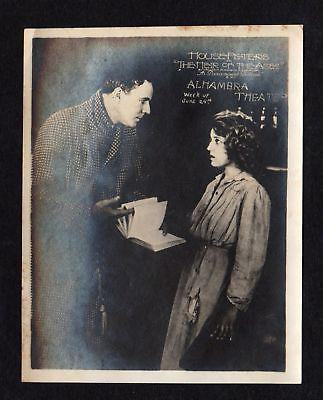
William Addison Lathrop's screenplay is a finely tuned instrument of melodrama. It understands the power of unspoken desires and the dramatic impact of delayed gratification. The pacing, though perhaps slower than modern blockbusters, allows for the characters' emotions to simmer and build, making the eventual release all the more potent. The narrative arc, from initial setup to rising tension, crisis, and resolution, follows a classic structure that was highly effective in the early days of cinema. While the film doesn't boast the avant-garde experimentation of some European contemporaries, it excels in its clear, emotionally direct storytelling, much like other narrative-driven films of the period such as The Ransom or The Footlights of Fate.
The setting of the American West is far more than a mere backdrop in Heir of the Ages; it's an active participant in the drama. The rugged landscape, the isolated mine, and the unforgiving elements mirror the internal struggles of the characters. The West, in this film, is a place where fortunes are forged through hard labor and where emotions, though often suppressed, run deep. It's a world where a man's word, and his actions, carry immense weight. This portrayal aligns with the broader genre conventions of the Western, which often used the frontier as a stage for testing moral character and exploring themes of justice, survival, and identity. Films like The Conqueror (1917) similarly leverage the vastness and challenges of the Western landscape to underscore the human drama unfolding within it.
The cinematography, while limited by the technology of its time, effectively captures the scale of the environment and the intimacy of the character interactions. Close-ups are used judiciously to highlight emotional moments, while wider shots establish the isolation and grandeur of the Western setting. The visual language of the film is articulate, guiding the audience through the emotional beats without the need for intertitles to explain every nuance. This visual literacy is a hallmark of the silent era's finest works, demanding a different kind of engagement from the viewer, one that relies on observation and interpretation. The stark contrast between the natural beauty of the West and the destructive force of the fire further enhances the film's dramatic impact, creating a visual metaphor for the purifying power of adversity.
Heir of the Ages stands as a compelling example of early American cinema's capacity for complex emotional storytelling within popular genre frameworks. It may not possess the experimental flair of a Sperduti nel buio, nor the overt social commentary of a The Chattel, but its strength lies in its masterful execution of a timeless narrative: the hero who suffers in silence, the eventual triumph of true love, and the redemptive power of honesty. It's a film that speaks to universal human experiences—love, sacrifice, loyalty, and the pursuit of happiness—making it accessible despite its age.
Comparing it to other films of its time, Heir of the Ages occupies a space where melodrama meets the rugged realism of the Western. It avoids the lighter, more comedic tones of films like Suzanne, professeur de flirt, opting instead for a earnest and heartfelt approach to its romantic drama. While not as overtly historical as One Hundred Years Ago, it captures a sense of a specific time and place through its setting and character types. The film's enduring appeal lies in its ability to evoke strong emotions through purely visual means, a skill that was honed to perfection during the silent era. It reminds us that cinema, in its purest form, is a language of images and gestures, capable of profound eloquence.
In conclusion, Heir of the Ages is more than just a historical curiosity; it's a beautifully crafted piece of early cinematic art that deserves renewed appreciation. Its narrative, though seemingly straightforward, is rich with emotional depth, driven by compelling performances and a keen understanding of human nature. The film's ability to tell such a nuanced story without spoken dialogue is a powerful testament to the skill of its creators and the inherent communicative power of the moving image. It’s a film that resonates with the quiet strength of its protagonist, Hugh Payne, whose selfless acts ultimately pave the way for a hard-won happiness. For those willing to immerse themselves in the unique rhythms and expressive power of silent cinema, Heir of the Ages offers a rewarding and emotionally resonant experience, a true testament to the enduring power of classic storytelling. It reaffirms that some tales of love, sacrifice, and redemption are truly timeless, capable of captivating audiences across generations, proving that the most profound emotions need no words to be deeply felt.
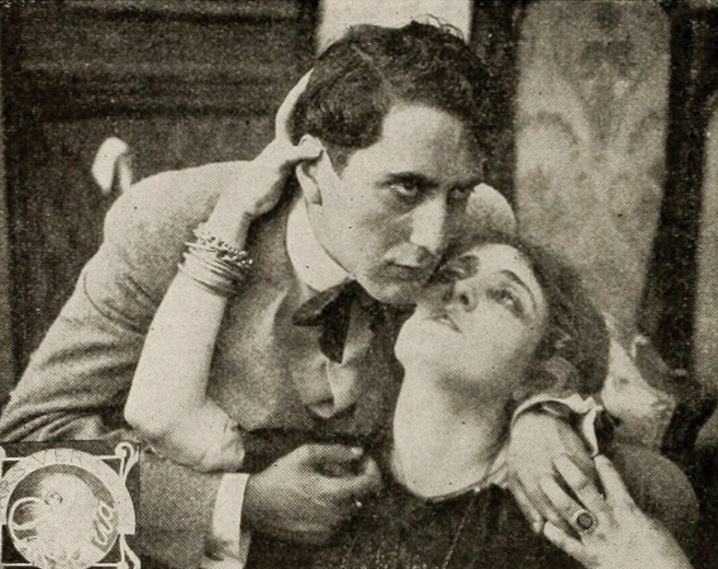
IMDb —
1915
Community
Log in to comment.