DbcultAccessing Vault...
Cult Review
Senior Film Conservator
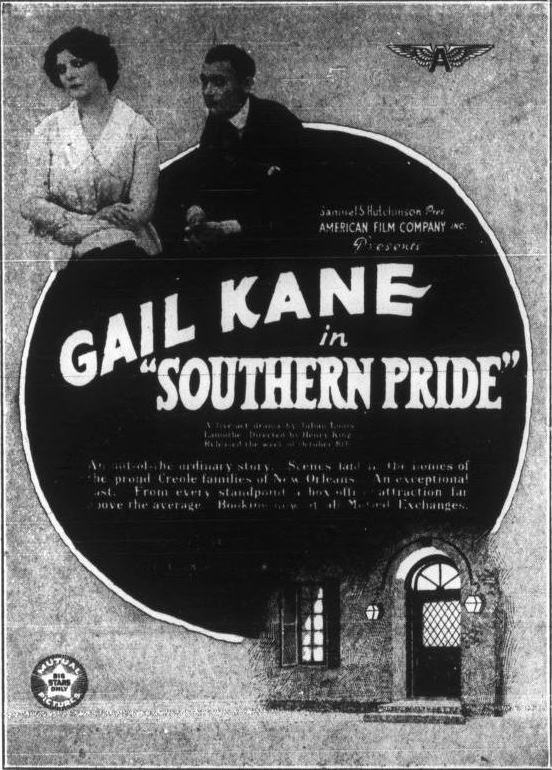
Stepping back into the cinematic past, particularly to the nascent years of feature-length storytelling, often feels like unearthing a forgotten relic. Yet, some films, even those from the silent era, possess an inherent resonance that transcends their technical limitations, speaking to universal human experiences with surprising clarity. Julian La Mothe’s 1917 production, 'Southern Pride,' is precisely such a discovery, a melodrama steeped in the rich, complex tapestry of New Orleans society, offering a poignant glimpse into a world grappling with tradition, aspiration, and the relentless currents of change. It's a narrative that, despite its century-old vintage, still pulsates with an emotional immediacy, a testament to the enduring power of its core themes.
At its heart lies the De Montrand family, a name once synonymous with Creole aristocracy, now teetering on the brink of financial ruin while fiercely guarding its tattered dignity. The film immerses us in this delicate balance, where ancestral pride clashes violently with present-day poverty. Lucie De Montrand, portrayed with a captivating blend of vulnerability and resolve by the luminous Gail Kane, becomes the focal point of this struggle. Kane, known for her strong portrayals in films of the period, imbues Lucie with a quiet strength that belies her seemingly fragile circumstances. Her performance is a masterclass in silent film acting, conveying a torrent of emotions through subtle gestures, expressive eyes, and a commanding presence that anchors the entire production. One might draw parallels to the powerful female protagonists seen in films like Madame Du Barry, where the central female figure navigates a treacherous social landscape with a blend of defiance and grace, albeit in a different historical context.
The pressures on Lucie are multifaceted and relentless. Her aunt, Tante Jeanne, a character brought to life by Cora Drew with a stern, unyielding matriarchal air, sees Lucie's marriage as the sole salvation for the family's dwindling fortunes. The chosen suitor, James Morgan (Robert Klein), a wealthy plantation owner, represents stability and a return to the perceived glory of their past. Klein delivers a performance that perfectly encapsulates the well-meaning but ultimately misguided suitor, a man whose intentions are perhaps honorable but whose understanding of Lucie's heart is tragically superficial. This arranged alliance, however, stands in stark contrast to Lucie's genuine affection for Robert Orme, an impoverished but honorable man whose love she reciprocates. This classic romantic dilemma, a staple of early cinema, is handled here with a nuanced emotional depth that prevents it from descending into mere cliché. The audience is invited to feel Lucie’s agonizing internal conflict, a choice between societal expectation and personal happiness, a theme explored in various forms across cinematic history, from the grand romances to more intimate dramas.
Further complicating Lucie's already tumultuous existence is her brother, François, a character rendered with compelling complexity by Lew Cody. François, driven by a misguided desire to restore his family's standing and perhaps his own, falls prey to the allure of Gaspar La Roche, an old antique dealer with a sinister, almost vampiric aura. George Periolat's portrayal of La Roche is chillingly effective, crafting a villain who is less a mustache-twirling caricature and more a manipulator preying on desperation. The film subtly hints at the darker undercurrents of his influence, making him a truly unsettling presence. François, in a moment of profound misjudgment, offers La Roche jewels that the dealer had previously given to Lucie, hoping to curry favor. This act of betrayal sets in motion a chain of events that will irrevocably alter all their lives.
The jewels themselves become a powerful symbol within the narrative, representing not just material wealth but also honor, obligation, and ultimately, a catalyst for deception and conflict. When Lucie, unaware of François's perfidy, fails to wear the gems as the queen of the Knights of Consus Ball, La Roche's fury erupts. His confrontation with Lucie is a masterstroke of dramatic tension, as he coldly offers her a choice: marry him and keep the jewels, or return them immediately. The sheer audacity of his proposition underscores the film's exploration of power dynamics and the vulnerability of those without financial recourse. The silent film medium excels in these moments of stark, visual confrontation, where the actors' expressions and body language carry the full weight of the scene.
The truth, as it often does in such melodramas, eventually surfaces. Corinne, the family cook, whose quiet presence and deep understanding of the household dynamics are subtly conveyed, reveals François's transgression to Lucie. This revelation propels Lucie into a desperate quest to retrieve the jewels, leading her to confront François's sweetheart. The escalating tension culminates in a fateful street encounter involving Lucie, François, Robert, and the enraged Gaspar La Roche. This scene, a dramatic crescendo, is deftly orchestrated, showcasing the raw, unbridled emotions that simmer beneath the surface of polite society. The accidental discharge of La Roche’s gun, resulting in his death, is a shocking twist, an unexpected yet tragically logical consequence of the heightened passions and desperate circumstances. It’s a moment that could easily be melodramatic, but the performances, particularly Lew Cody’s portrayal of François’s immediate shock and remorse, lend it a powerful gravity.
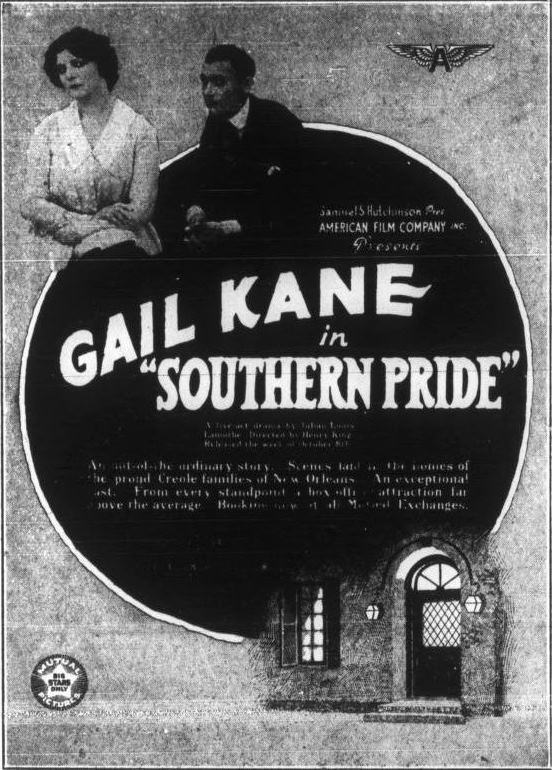
The aftermath of La Roche’s death serves as a profound turning point, particularly for François. The burden of his actions, and the tragic outcome, shatters his earlier frivolity. Lew Cody's transformation from the impulsive, somewhat reckless brother to a repentant individual willing to shoulder his family's responsibilities is compelling. He abandons his former associates and assumes his rightful position as the head of the De Montrand family, a testament to the film's exploration of personal growth and the weight of familial duty. This arc of redemption is a powerful narrative thread, echoing themes found in many dramas of the era where characters undergo significant moral shifts due to dramatic events. One might compare this personal reckoning to the struggles for integrity and self-discovery seen in films like The Show Down or The Recoil, where characters confront their past mistakes to forge a new future.
With the societal pressures and the external threats resolved, the path is finally cleared for Lucie and Robert. The mediation of Father Moret, a figure of quiet wisdom and moral authority (portrayed by Spottiswoode Aitken), is crucial in bringing about this resolution. His role as a compassionate intermediary underscores the enduring influence of faith and community in navigating personal crises. The film concludes with Lucie finally allowed to marry Robert, a resolution that feels earned, not merely handed down. It's a victory not just for romantic love, but for the triumph of genuine affection and personal integrity over superficial wealth and inherited status. John Vosper's portrayal of Robert Orme, while perhaps less flamboyant than the other characters, provides a steadfast and earnest counterpoint, embodying the quiet strength and unwavering devotion that ultimately win Lucie's heart.
'Southern Pride' stands as a fascinating artifact of early cinematic storytelling. While the pacing might feel deliberate by modern standards, it allows for a deeper immersion into the characters' emotional landscapes. The direction, while not attributed in the provided details, effectively uses the visual grammar of the silent era—intertitles, close-ups for emotional emphasis, and carefully composed wide shots to establish setting and mood. The film's portrayal of New Orleans, even through the lens of a silent film, evokes a sense of place, capturing the unique atmosphere of Creole society with its blend of European elegance and Southern tradition. The costumes and sets, though simple, contribute significantly to establishing the period and the social strata of the characters.
The screenplay by Julian La Mothe demonstrates a keen understanding of dramatic structure and character development. The plot, while complex, is meticulously woven, with each event building logically upon the last, culminating in a satisfying, if at times tragic, resolution. La Mothe's ability to craft a narrative that balances external conflict with internal struggle is commendable, especially considering the constraints of the silent medium. The film's exploration of class distinctions, the corrosive power of greed, and the ultimate triumph of love and honor are themes that resonate universally, making 'Southern Pride' more than just a historical curiosity. It speaks to the timeless struggles of human nature, a quality shared by other enduring melodramas of the era, such as The Eternal Grind, which similarly delved into societal pressures and personal endurance.
In its ensemble, the film boasts a solid array of talent. Beyond the central performances, other players like George Periolat as the cunning Gaspar La Roche and Spottiswoode Aitken as the benevolent Father Moret provide crucial support, adding layers to the narrative's emotional and moral fabric. Cora Drew’s Tante Jeanne, despite her rigid demeanor, embodies the anxieties of a fading lineage, making her character understandable even in her misguided attempts to secure Lucie’s future. These performances collectively contribute to a believable, albeit heightened, world that draws the viewer into its intricate web of family, romance, and societal expectation.
Ultimately, 'Southern Pride' is a compelling cinematic experience that rewards the patient viewer. It's a journey into a specific time and place, yet its emotional core remains remarkably fresh. It reminds us that the fundamental struggles of love, loyalty, and redemption are constants, regardless of the era or the technological advancements of filmmaking. For those interested in the evolution of narrative cinema or simply in a good old-fashioned drama with heart and high stakes, this film offers a rich, engaging narrative that continues to resonate, proving that true pride lies not in inherited status, but in integrity and the courage to follow one's heart.
IMDb —
1921
Community
Log in to comment.