DbcultAccessing Vault...
Cult Review
Senior Film Conservator
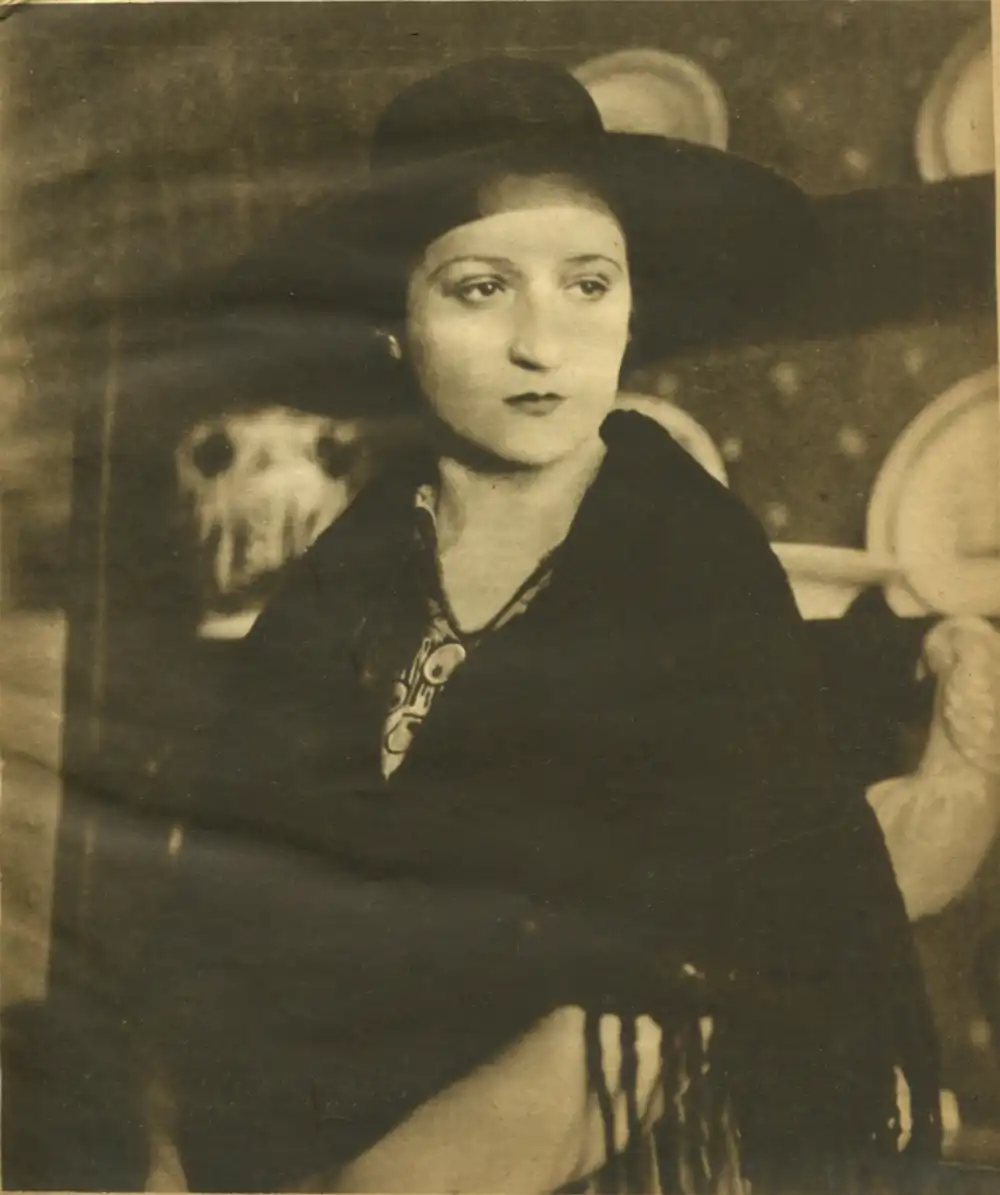
Alright, let’s talk about Sowing the Wind. If you’re into digging up old silent films, especially ones with a bit of melodrama but not in a *too* over-the-top way, then yeah, this one’s absolutely worth a peek. Folks who appreciate the subtle art of early cinema, or just want to see how stories were told before sound took over, will find something here. But if you need snappy dialogue and quick cuts, you’ll probably be checking your watch. 🕰️
This film, from 1929, feels like a last gasp of a certain kind of storytelling. It really leans into the idea that your actions have consequences, which is what the title implies, right? We follow Jeanne (Céline James), and she’s just… _so_ earnest at the beginning.
Céline James, as Jeanne, really carries the emotional weight. There’s a scene early on where she’s offered a simple, honest life, and you see this flicker in her eyes, a hesitation. She glances at a framed picture of some dashing, unknown man, and you just _know_ she’s about to make a choice that'll be a headache later. It’s all in the eyes, you know? No words needed. 👀
Then Marcel Marfu enters the picture. He plays this smooth-talking, slightly dangerous character, and honestly, his *eyebrows* do more acting than some entire casts I’ve seen. Every arch, every slight raise, just screams 'trouble.' You can almost see Jeanne thinking, "Oh, *this* is exciting," even as you, the viewer, are thinking, "Run, girl, run!"
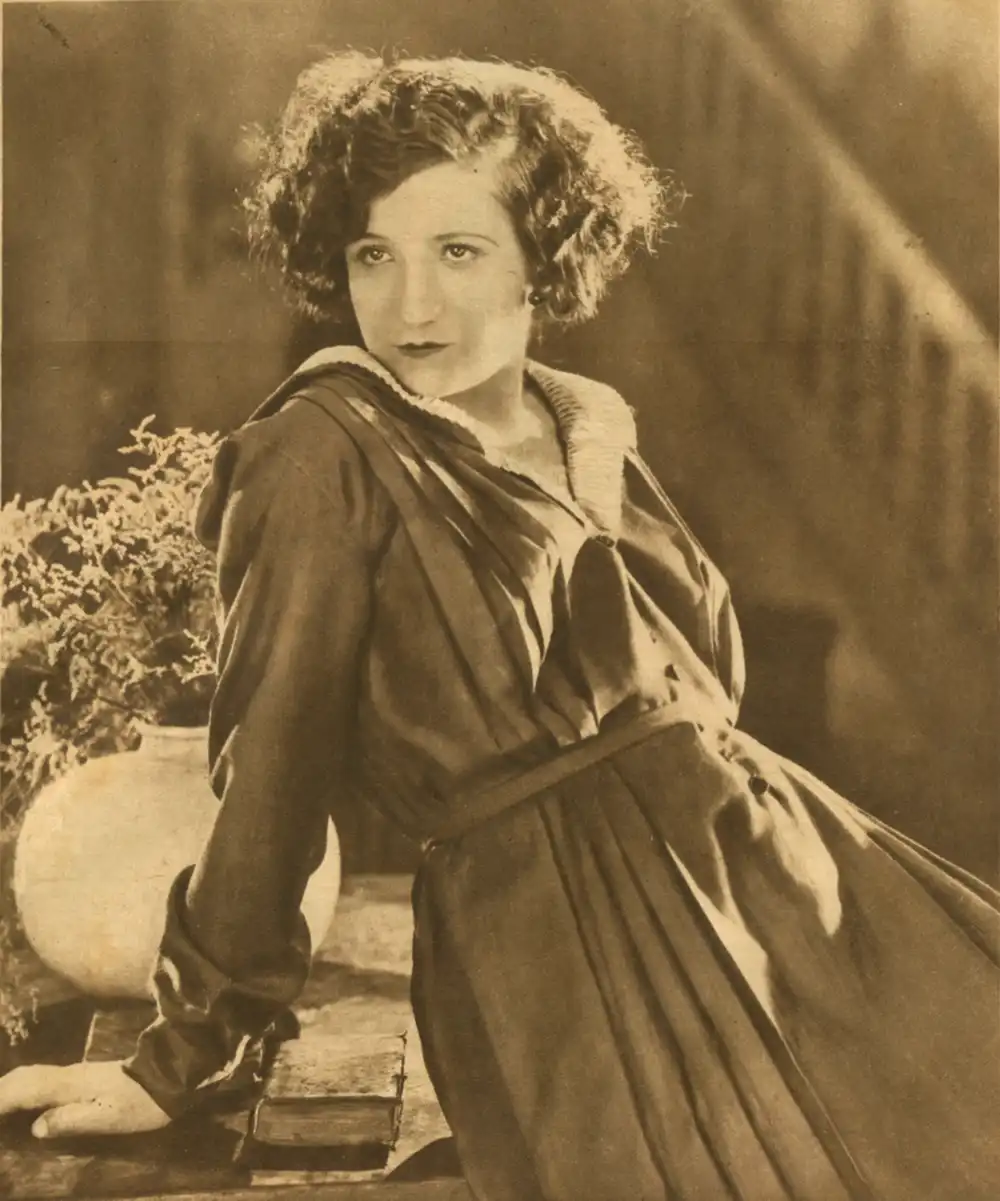
The film isn't trying to be a grand epic like The King of Kings; it’s much more personal, quieter. It focuses on the small, almost domestic tragedies that unfold because of one bad decision after another. It’s a bit like watching a slow-motion train wreck, but you're still hoping someone pulls the lever.
The pacing is… interesting. Sometimes it feels like it drags a bit, especially in the middle section where Jeanne is just sort of *existing* in her new, less-than-ideal circumstances. There's a particular shot of her looking out a window at a rainy street that goes on for what feels like a minute too long. You start to wonder if the projectionist fell asleep, but then it cuts, and the quiet resignation on her face *really* hits you. 🌧️
But then, other moments are surprisingly brisk. There’s a montage, if you can call it that in 1929, showing the passage of time, her decline. Quick cuts of different outfits, different settings, each one slightly shabbier than the last. It’s effective, almost jarring after the earlier slowness.
I also appreciated the little touches. Like, there’s a scene where Henri Baudin's character, the good-hearted suitor, is just sitting alone, polishing his shoes. It’s such a small, mundane detail, but it speaks volumes about his character and the stability Jeanne turned her back on. He’s not even looking sad; just *doing* something practical. It grounds the drama. 👞
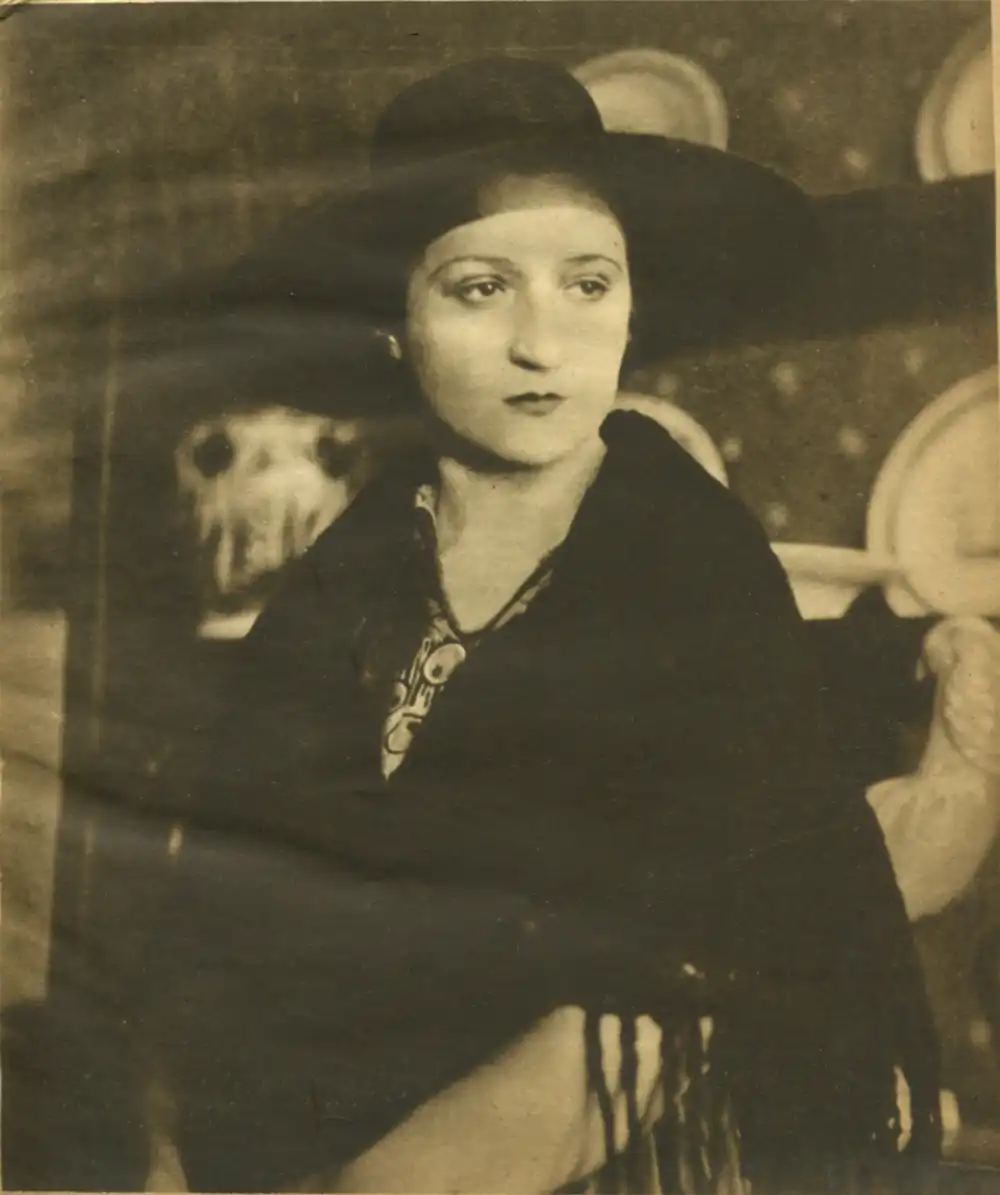
And speaking of small roles, André Deed pops up in a few scenes as a kind of busybody neighbor. He has this one *perfect* double-take when he sees Jeanne in a compromising situation. It’s quick, subtle, and genuinely funny in a way that feels very human, not theatrical. A real gem of a reaction shot that could easily be missed.
The film isn't perfect, of course. Some of the intertitles are a bit clunky, stating emotions that are already clear from the acting. You don't need a giant text card to tell me someone is "filled with despair" when Céline James is practically embodying it. It feels a bit like the filmmakers didn't quite trust the audience, or perhaps the actors, to convey everything.
Also, the ending feels a little… neat. After all that wandering and suffering, it resolves in a way that feels a *tiny* bit too tidy for the mess Jeanne made. I won't spoil it, but let's just say the 'wind' she sowed comes back, but perhaps not with the full storm I was expecting. It reminded me a bit of the neatness in a film like Gentle Julia, though that was a very different kind of story.
Still, for a film of its age, Sowing the Wind holds up remarkably well as a character study. It’s less about big events and more about the quiet tragedy of a life altered by choices. It makes you think about those little turns we all make, the ones that seem small at the time but end up changing everything. Definitely worth seeking out if you're curious about the roots of cinematic drama.
IMDb 5.6
1935
Community
Log in to comment.