DbcultAccessing Vault...
Cult Review
Senior Film Conservator
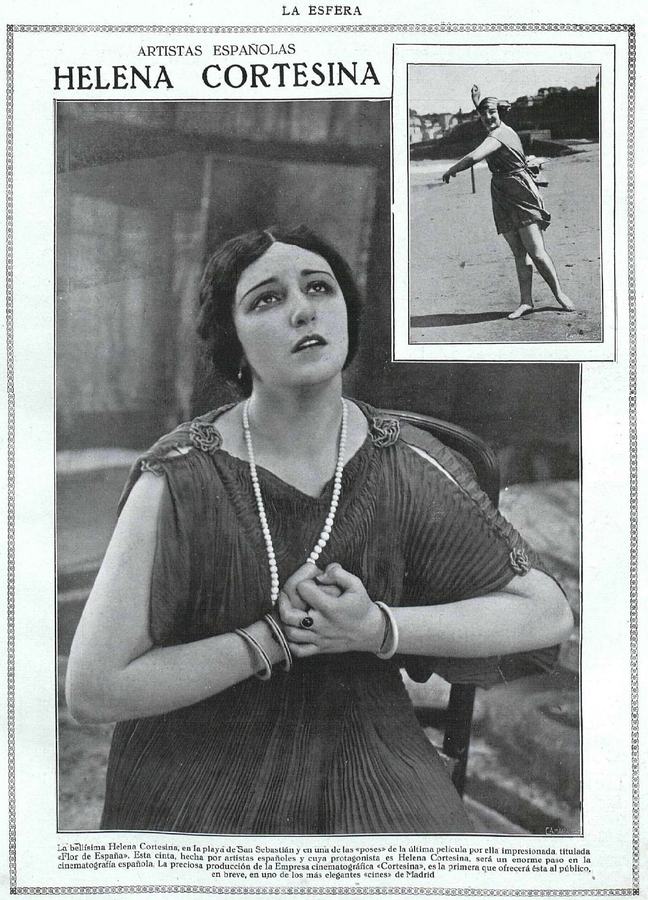
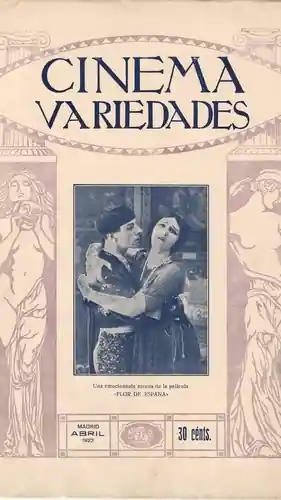
There are films that merely tell a story, and then there are those that sing, that dance, that bleed across the screen with an almost visceral intensity. José María Granada’s "Spanish Flower or the Bullfighter's Story" undeniably belongs to the latter category, a cinematic opera steeped in the rich, often brutal, tapestry of Andalusian culture. This is not just a film; it is an experience, a passionate embrace of life, death, and the indomitable spirit of a people woven into the very fabric of its narrative. Released in an era when cinema was still finding its most profound voice, Granada, along with his stellar cast, crafted something timeless, a testament to enduring human emotions.
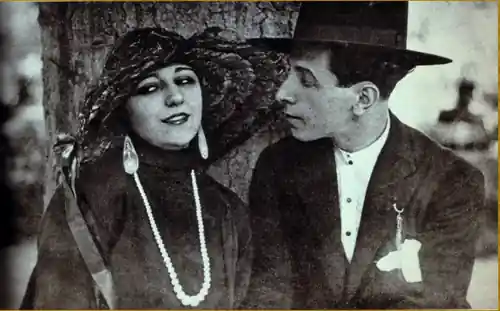
At its core, the film is a fervent exploration of a love that dares to challenge the rigid boundaries of tradition and societal expectation. We are immediately drawn into the world of Mateo 'El Fuego' Vargas, portrayed with an electrifying blend of arrogance and vulnerability by Pedro Basauri 'Pedrucho'. Basauri, a real-life bullfighter whose cinematic appearances were rare but impactful, brings an authenticity to Mateo that few actors could replicate. His movements in the ring are not merely choreographed; they are a primal dance, a ballet of danger and grace that captures the hypnotic allure of the corrida. But 'El Fuego' is more than just a matador; he is a man consumed by a passion that extends beyond the sand of the arena, finding its most potent expression in his devotion to Isabella.
Angélica Cortesina, as Isabella, the titular 'Spanish Flower,' delivers a performance of breathtaking intensity. Her Isabella is no demure damsel; she is a force of nature, a flamenco dancer whose every gesture crackles with an independent spirit that refuses to be tamed. Cortesina infuses Isabella with a fiery determination, her eyes reflecting both a profound love for Mateo and a fierce resistance to the constraints placed upon her. The chemistry between Basauri and Cortesina is palpable, a tempestuous storm of longing and defiance that drives the film's emotional engine. Their scenes together, whether in hushed whispers or explosive arguments, are charged with an undeniable magnetism, painting a vivid portrait of a love that is both exhilarating and perilous.

The narrative is further enriched by the formidable presence of Jesús Tordesillas as Don Esteban, Isabella's father. Tordesillas, a veteran of the screen, embodies the weight of tradition and past sorrow with masterful subtlety. His character is not simply an antagonist but a tragic figure, a man whose own experiences in the bullring have left him scarred, fueling his vehement opposition to Mateo and Isabella's union. His stern disapproval acts as a constant, palpable threat, a societal anvil against which their love is hammered and tested. The nuanced portrayal by Tordesillas adds layers of depth, making him a character whose motivations, though seemingly harsh, are rooted in a profound, albeit misguided, paternal love.
Adding another layer of conflict is Fernando Cortés as Ricardo, the wealthy, jealous landowner. Cortés crafts Ricardo as a suave yet sinister figure, whose machinations are driven by a possessive desire for Isabella and a thinly veiled contempt for Mateo. His performance is a study in controlled menace, a stark contrast to Mateo’s raw passion. The rivalry between Mateo and Ricardo transcends mere romantic competition; it becomes a clash of social classes, of old money versus raw talent, a theme that resonates deeply within the Spanish cultural landscape. The intricate web of deceit Ricardo weaves, involving local gossip and political maneuvering, serves to isolate Mateo and Isabella, pushing them closer to the precipice of despair.
The ensemble cast, under Granada’s astute direction, contributes significantly to the film’s rich texture. Helena Cortesina, Ofelia Cortesina, and Juan Julio de Diego, alongside José Argüelles, populate the vibrant world with characters who feel lived-in and authentic. From the gossiping villagers to the stoic members of the bullfighting cuadrilla, each performance, no matter how brief, adds to the immersive quality of the film. Their reactions and interactions serve as a Greek chorus, amplifying the dramatic tension and reflecting the societal pressures bearing down on the central lovers.
José María Granada’s screenplay, a tour de force of dramatic construction, understands the inherent theatricality of its subject matter. The bullfight, far from being a mere backdrop, becomes a powerful metaphor for life itself – a dance with death, a test of courage, and a public spectacle where honor can be won or lost in a single, fatal moment. This thematic depth elevates "Spanish Flower" beyond a simple love story, imbuing it with a profound meditation on fate, free will, and the sacrifices demanded by passion. The film’s narrative pacing, even if occasionally deliberate by modern standards, allows for a slow burn of emotions, letting the audience savor every fraught glance, every unspoken word, every thunderous roar from the crowd.
Granada’s direction is nothing short of masterful. He utilizes the sun-drenched landscapes of Andalusia not just as scenery, but as an active participant in the drama. The stark white walls of the villages, the dusty roads, and the vibrant colors of flamenco dresses and bullfighting capes create a striking visual palette. The cinematography, though of its era, captures the visceral energy of the bullring with breathtaking immediacy. Close-ups on the faces of the matador and the bull reveal a shared intensity, a mutual respect in the face of inevitable combat. The film's visual storytelling is so potent that even without dialogue (or with minimal intertitles, depending on the cut), the audience fully comprehends the emotional stakes.
The climax of the film, set during a fateful corrida, is a symphony of tension and tragedy. It’s here that the various narrative threads – love, jealousy, honor, and destiny – converge in a breathtaking crescendo. The sequence in the bullring is filmed with an almost documentary-like realism, yet imbued with an operatic grandeur that recalls the epic scale of films like Ivan the Terrible, albeit on a more personal, localized stage. The roar of the crowd, the thud of hooves, the swirl of the capes – it all builds to an unbearable pitch, leaving the audience gripped in suspense. The emotional payoff is immense, a cathartic release that lingers long after the final frame.
While distinctly Spanish in its sensibility, the universal themes explored in "Spanish Flower or the Bullfighter's Story" allow it to stand proudly alongside other cinematic explorations of intense personal drama and societal conflict. One might find echoes of its profound emotional depth in the domestic struggles depicted in a film like The Mother of His Children, though Granada's film possesses a grander, more fatalistic scope. The examination of honor and the crushing weight of societal judgment, particularly concerning the male protagonist's public image, also brings to mind thematic parallels with films like The Brand of Cowardice, where reputation and valor are everything, but here, the stakes are not just personal but also deeply cultural. The film's depiction of a strong, independent female character, battling against traditional expectations, might also draw comparisons to the spirit found in some narratives of All Dolled Up, if one looks beyond superficial genre differences to the core of character agency.
The performances, particularly from Basauri and Angélica Cortesina, are etched into the memory. One cannot discuss this film without acknowledging the raw power they bring to their roles. Their portrayal of love against insurmountable odds is both heartbreaking and inspiring. Jesús Tordesillas's gravitas and Fernando Cortés's cunning provide the perfect counterpoints, creating a dynamic ensemble where every player contributes to the tragic beauty unfolding on screen. The collaborative effort, guided by writer José María Granada, ensures that every beat of the story feels earned, every emotion profoundly felt.
"Spanish Flower or the Bullfighter's Story" is more than just a historical artifact; it is a living, breathing work of art that continues to resonate. Its themes of love, sacrifice, honor, and the struggle against destiny are universal, transcending the specific cultural setting. It captures the very essence of human passion and despair with an unflinching gaze, leaving an indelible mark on the viewer's soul. For those who seek cinema that challenges, provokes, and deeply moves, this film is an essential viewing experience. It is a cinematic triumph, a passionate testament to the enduring power of storytelling, and a vibrant, albeit tragic, ode to the indomitable spirit of Spain.
The intricate dance between individual desire and societal pressure, the intoxicating allure of glory juxtaposed with the stark reality of the bullring's final judgment, all coalesce into a narrative that feels both epic and intimately personal. Granada's vision, brought to life by a cast deeply immersed in their roles, ensures that this story, though rooted in a specific time and place, speaks to the eternal human condition. It reminds us that some loves are destined to burn so brightly they consume everything in their path, leaving behind not ashes, but a radiant, unforgettable ember in the heart of cinematic history. This is a film that demands to be seen, to be felt, and to be remembered for its sheer audacity and its profound emotional truth.
Community
Log in to comment.