Italy
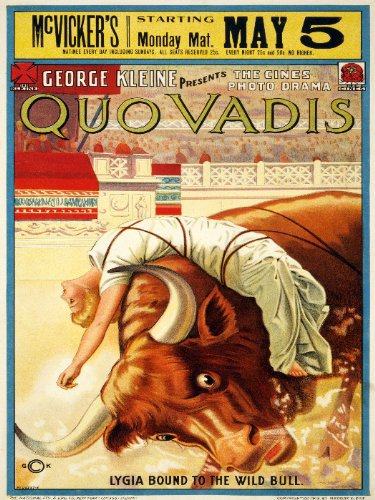
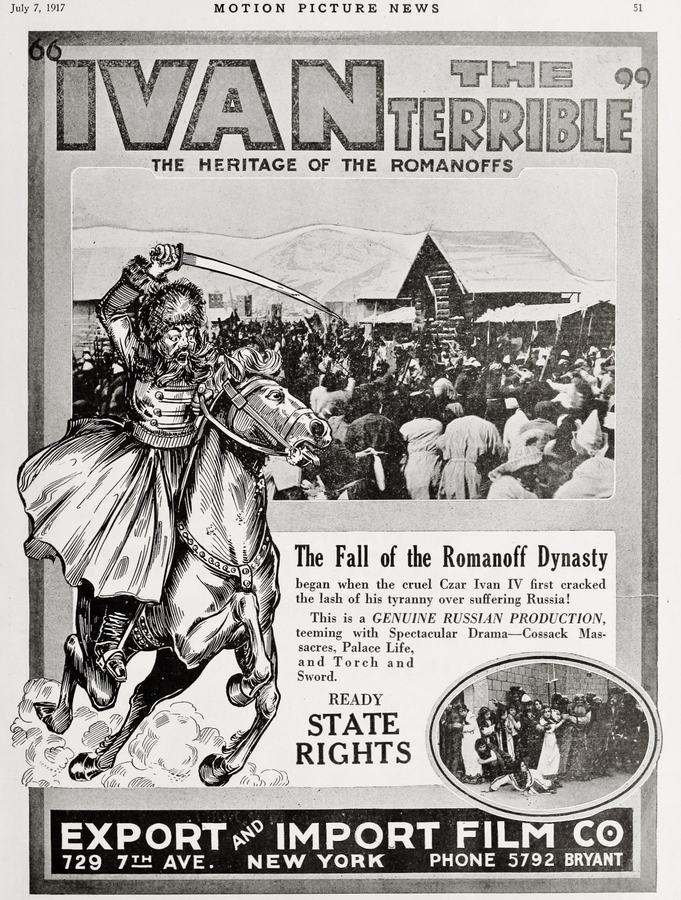
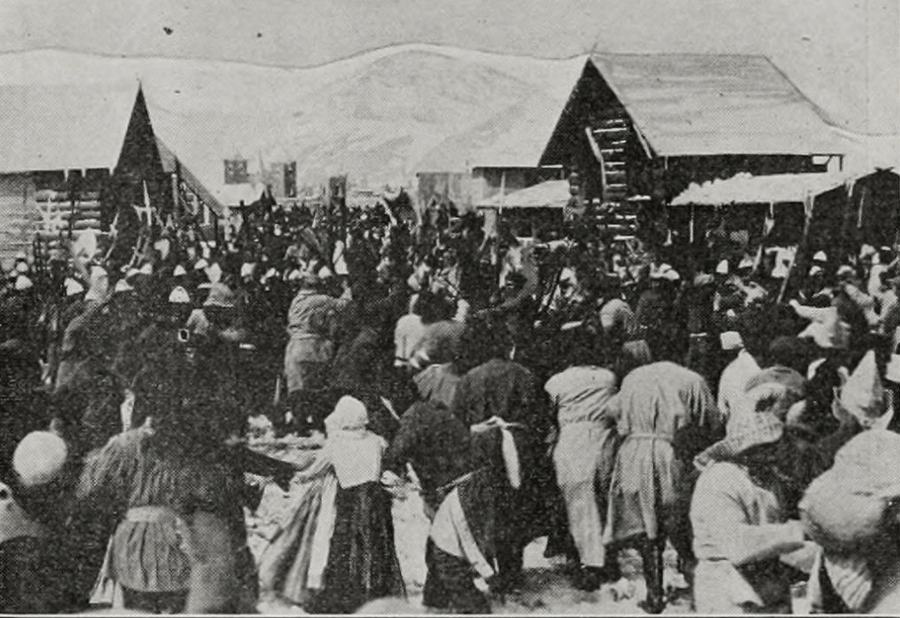
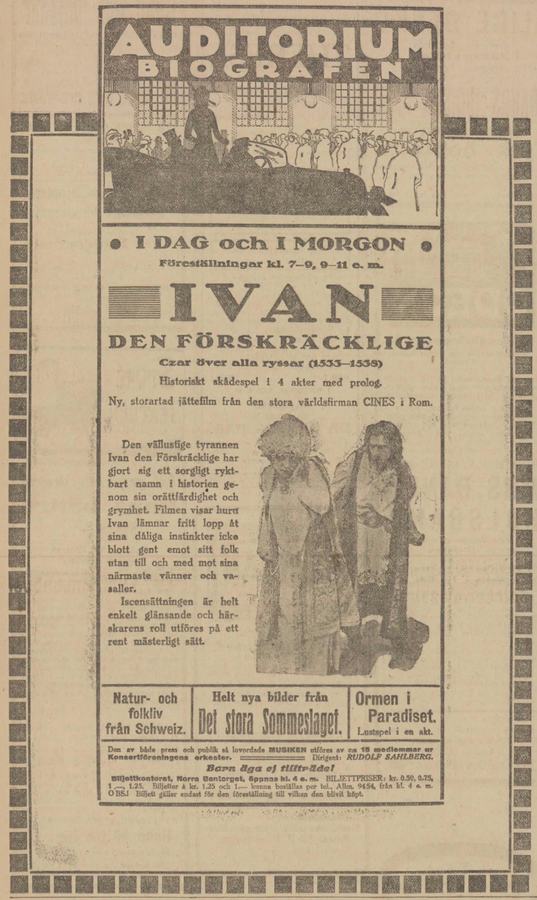
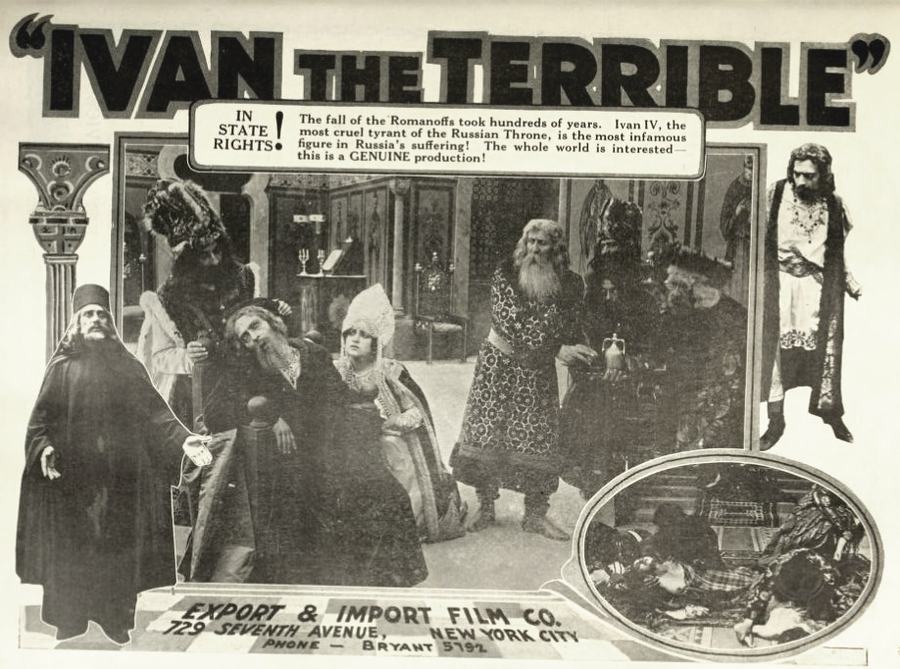
The Autocrat’s Chiaroscuro: A Re-evaluation of Guazzoni’s 1917 Vision To witness Enrico Guazzoni’s 1917 Ivan the Terrible (Ivan il Terribile) is to step into a time capsule where the nascent language of cinema collided with the ancient weight of historical tragedy. In an era where the medium was still grappling with...
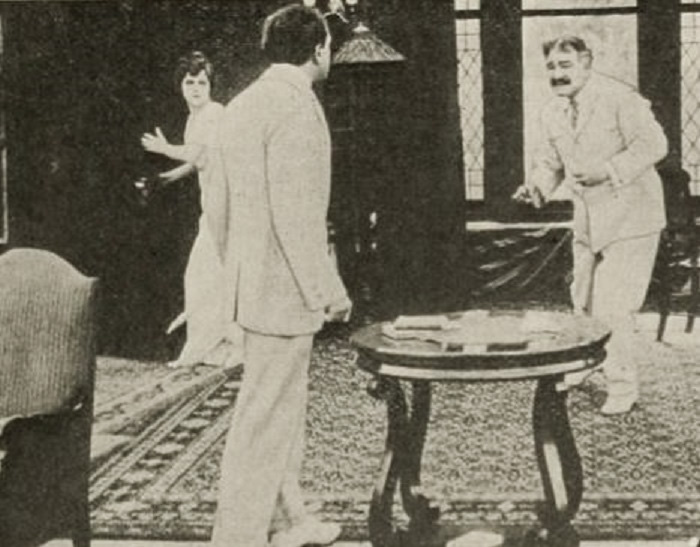
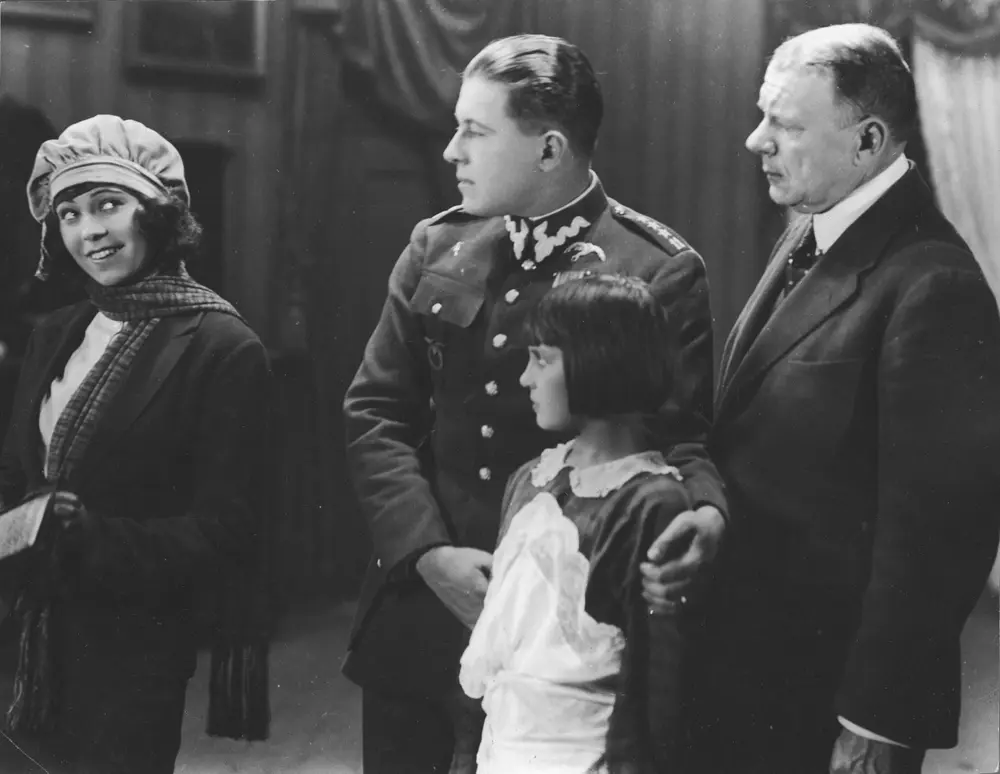
still_frame
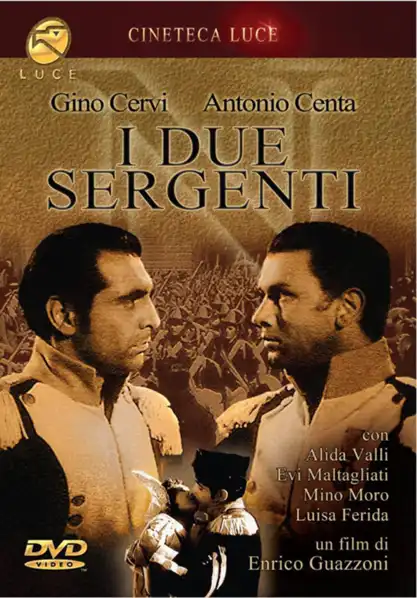
product
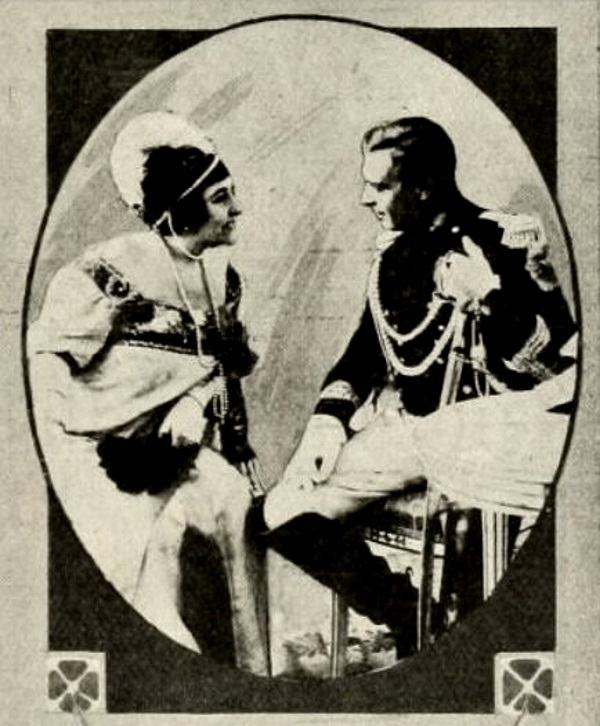
publicity
Comparing the cinematic DNA and archive impact of two defining moments in cult history.
Enrico Guazzoni
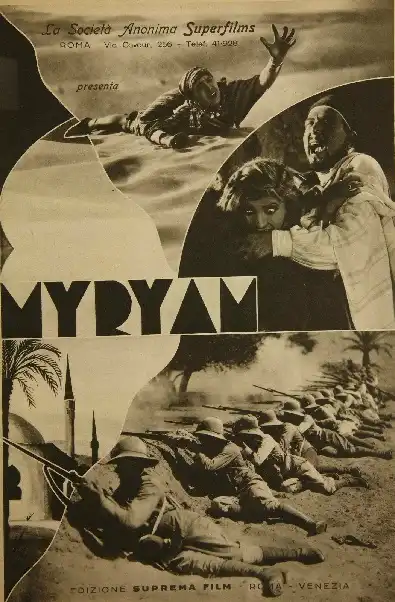
Enrico Guazzoni
Community
Log in to comment.
" The Autocrat’s Chiaroscuro: A Re-evaluation of Guazzoni’s 1917 Vision To witness Enrico Guazzoni’s 1917 Ivan the Terrible (Ivan il Terribile) is to step into a time capsule where the nascent language of cinema collided with the ancient weight of historical tragedy. In an era where the medium was still grappling with its own identity, Guazzoni—a man whose background in painting and set design informed every frame—constructed a visual lexicon that remains startlingly potent. While the 1917 cine..."
Deep dive into the cult classic
Discover similar cinematic experiences
A Directorial Spotlight on Enrico Guazzoni