DbcultAccessing Vault...
Cult Review
Senior Film Conservator
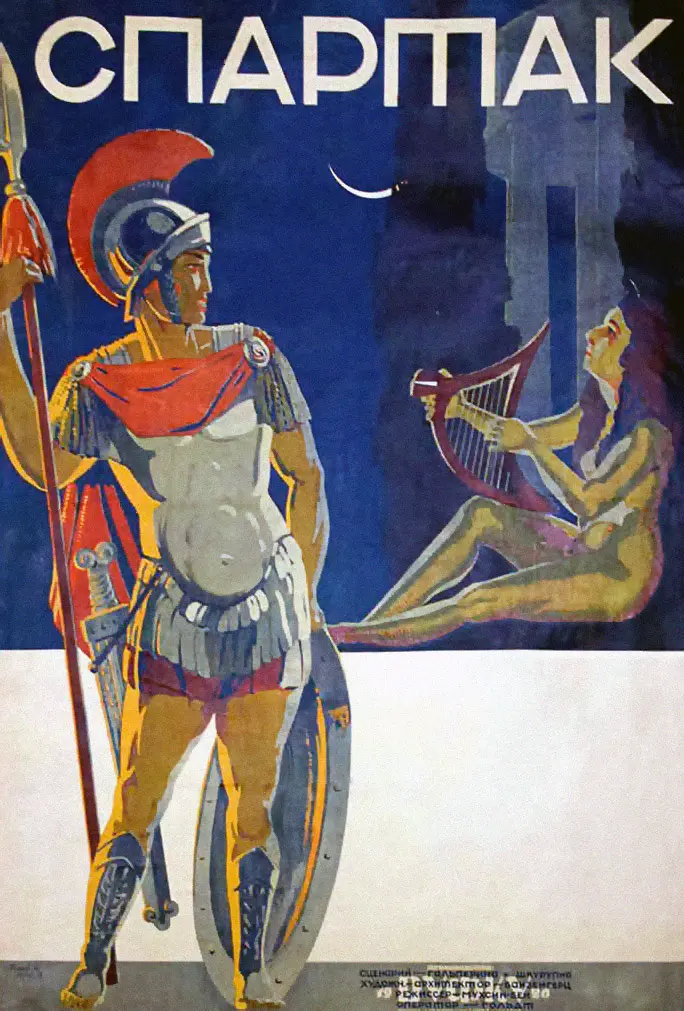
Is "Spartak" worth watching today? Short answer: yes, but with significant caveats that demand a particular kind of cinematic appreciation. This ambitious silent epic, a product of early Soviet cinema, is a monumental undertaking that offers a fascinating, if sometimes challenging, viewing experience.
It is a film primarily for historians, silent film enthusiasts, and those interested in the allegorical power of early Soviet storytelling. Conversely, it is decidedly not for casual viewers expecting modern pacing, those averse to the unique conventions of silent film acting, or anyone seeking a purely objective historical account divorced from its ideological underpinnings.
This film works because of its sheer ambition and scale, particularly for its era. It attempts to visualize a grand historical narrative through powerful imagery and robust thematic resonance, particularly concerning class struggle and rebellion. The visual storytelling, though silent, often achieves a profound emotional and political impact.
This film fails because its pacing can be grueling for contemporary audiences, and some performances, while effective within the silent film paradigm, lean heavily into theatricality that might feel dated. Furthermore, the narrative often simplifies complex historical realities to serve its clear ideological purpose, sacrificing nuance for message.
You should watch it if you appreciate historical epics on a grand scale, are a student of silent cinema, or are curious about how political ideologies were woven into early film narratives through powerful allegory. It’s a significant piece of cinematic history that demands engagement on its own terms.
"Spartak" plunges us into a historical narrative that has captivated storytellers for centuries: the slave revolt led by Spartacus. Here, writers Mihael Galperin and Geo Skurupiy, with Raffaello Giovagnoli as a foundational source, reinterpret this legendary tale through a distinctly early 20th-century Soviet lens. The film isn't merely recounting history; it's crafting a powerful allegory for the workers' revolution, a silent testament to the enduring power of the oppressed to rise against their masters.
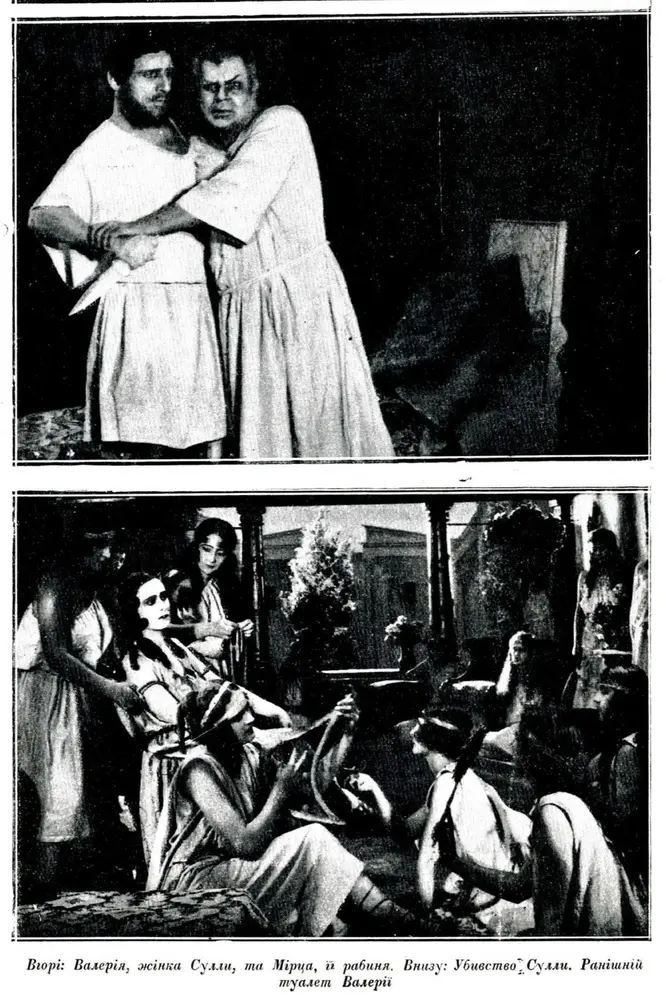
The story begins, as one would expect, with Spartak's enslavement and his brutalization within the gladiatorial school of Lentulus Batiatus. These initial sequences are crucial, depicting the dehumanizing conditions that forge a leader out of a broken man. We witness the systematic stripping away of identity, replaced by the grim reality of being a tool for Roman entertainment and conquest. It's a stark portrayal of oppression, designed to elicit empathy and outrage.
What truly stands out in these early moments is the film's ability to convey the simmering discontent. Without dialogue, the filmmakers rely on visual cues — the downcast eyes, the sudden flinches, the shared glances of desperation among the gladiators. These are not merely individuals; they are a collective, waiting for a spark. The film masterfully builds this tension, making the eventual eruption of rebellion feel not just inevitable, but cathartic. It's a testament to the power of visual storytelling that even without a word, the audience grasps the profound injustice.
The film’s narrative isn’t interested in the nuances of Roman politics or the intricacies of military strategy, at least not in the way a modern historical drama might be. Instead, it focuses on the visceral experience of slavery and the primal urge for freedom. It’s a story told in broad, powerful strokes, designed to resonate with universal themes of liberation and class struggle, which was, of course, entirely by design for its original audience.
The directorial vision behind "Spartak" is one of audacious scale and unwavering commitment to its thematic core. While specific directorial credits are often blurred in early Soviet productions, the collective effort is evident in the film's impressive visual language. The cinematography, a crucial element in any silent film, is particularly striking here. It’s not just about capturing images; it’s about conveying emotion, power dynamics, and the vastness of the conflict through light, shadow, and composition.
Crowd scenes are executed with a grandeur that belies the technical limitations of the era. When the gladiators finally break free, or when the slave army swells, the sheer number of extras and the careful choreography create a palpable sense of momentum and overwhelming force. There’s a particular sequence early in the revolt where the camera sweeps across the faces of the newly freed, a moment of silent triumph that feels genuinely exhilarating. This sense of scale is reminiscent of the epic ambitions seen in films like Erich von Stroheim's Greed (1924), though "Spartak" applies its grandeur to a more explicitly political narrative.
The use of wide shots for battle sequences effectively communicates the chaos and desperation of the clashes between the slave army and Roman legions. Conversely, close-ups are reserved for moments of intense emotional weight, often focusing on Spartak's face as he grapples with leadership, defiance, or sorrow. These visual choices are not merely aesthetic; they are narrative tools, guiding the audience's understanding and emotional response without the aid of spoken dialogue.
One particularly effective visual motif is the recurring image of chains and their eventual breaking. It’s a simple, yet potent symbol of oppression and liberation, used repeatedly to punctuate key moments in the narrative. The cinematography isn't just capturing events; it's crafting symbols that speak directly to the film's revolutionary message, making it a powerful example of how silent cinema could communicate complex ideas through purely visual means.
In silent cinema, acting is a distinct art form, relying heavily on exaggerated facial expressions, body language, and physical presence to convey character and emotion. The cast of "Spartak" navigates this challenge with varying degrees of success, but the central performance by Ivan Kononenko-Kozelskiy as Spartak is undeniably the linchpin of the film.
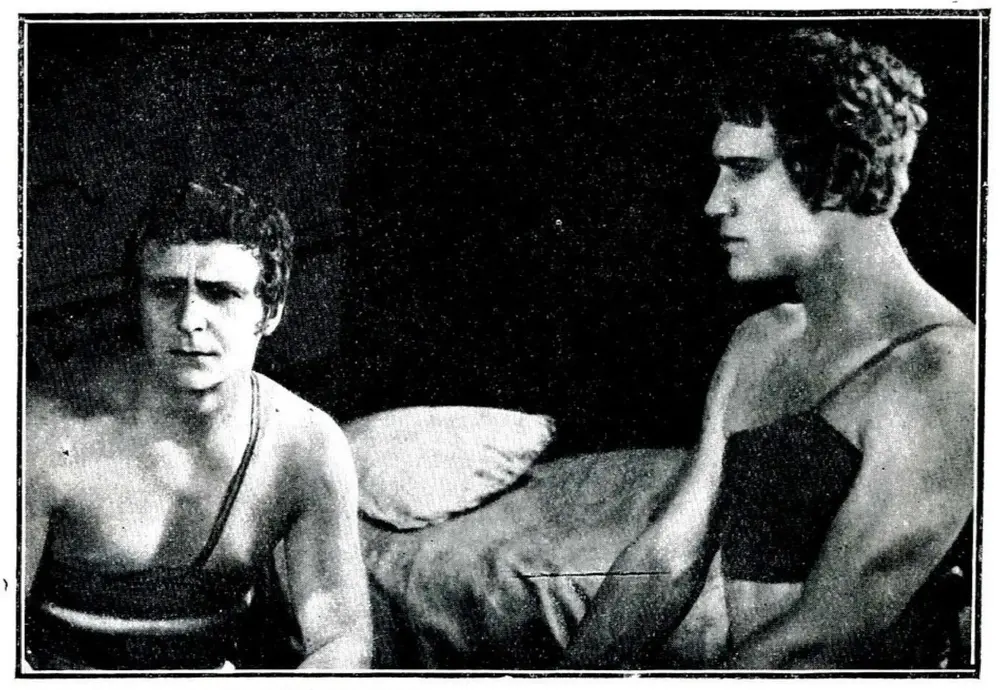
Kononenko-Kozelskiy embodies Spartak with a stoic intensity that is both commanding and deeply empathetic. His physical presence is formidable, conveying the strength of a warrior, but it's his eyes that truly speak volumes. In moments of quiet defiance or shared sorrow with his fellow slaves, his expressions communicate a profound inner resolve. He is not just a fighter; he is a reluctant leader, burdened by the immense responsibility of his cause. His portrayal avoids caricature, even within the broad strokes of silent acting, lending Spartak a heroic gravitas that feels earned.
The supporting cast, including Nikolay Deynar, Vasiliy Kozenko, and Matvei Lyarov, effectively fill their roles, often serving as archetypes rather than deeply fleshed-out characters. The Roman antagonists, for instance, are depicted with a theatrical villainy that leaves no doubt as to their cruelty and arrogance. This is not a film interested in humanizing the oppressors; their role is to represent the system that must be overthrown. While this approach might feel simplistic to modern viewers, it was highly effective in conveying the clear moral and political lines the film sought to draw.
The collective performance of the slave ensemble is also noteworthy. Their synchronized movements, their shared expressions of despair and later, triumph, create a powerful sense of solidarity. It’s a performance that emphasizes the collective over the individual, aligning perfectly with the film's ideological leanings. While individual performances might sometimes border on melodrama, they consistently serve the larger narrative and emotional impact the film aims for.
One of the most significant hurdles for modern audiences approaching "Spartak" is its pacing. Silent films, by their very nature, operate on a different rhythm than contemporary cinema. They often feature longer takes, more deliberate scene transitions, and a reliance on visual information that can feel slow to viewers accustomed to rapid-fire editing and constant dialogue.
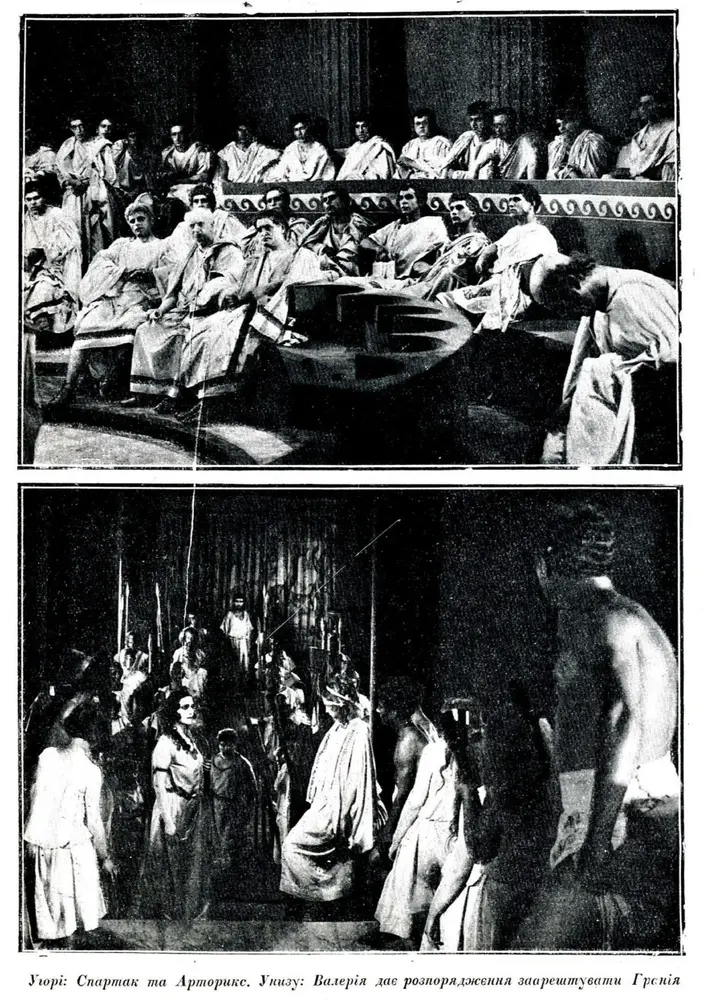
"Spartak" is no exception. Its runtime, coupled with its episodic structure and emphasis on grand tableaus, demands patience. The extended sequences of gladiator training, for example, while crucial for establishing the brutal reality of their lives, can feel drawn out. However, to dismiss this as simply 'slow' would be a disservice. This deliberate pacing is often used to build tension and allow the audience to fully absorb the visual information and emotional weight of each scene.
The tone of the film is overwhelmingly revolutionary and tragic, yet infused with an inspiring undercurrent of hope. It’s a call to arms, a lament for the oppressed, and a celebration of the human spirit's refusal to be broken. The tragic elements are inherent in the Spartacus story, but the film frames them within a larger narrative of historical inevitability – the eventual triumph of the working class, even if not immediately achieved by Spartak himself. There are moments of quiet despair, juxtaposed with bursts of furious action and triumphant solidarity.
The film’s tone is unapologetically didactic, aiming to inspire and educate its audience about the principles of class struggle. While this might feel heavy-handed at times, it’s an integral part of understanding "Spartak" as a product of its specific cultural and political moment. It’s not just an entertainment; it's a piece of political art, designed to stir the soul and ignite revolutionary fervor. This makes its pacing and tone less a flaw and more a characteristic of its intended purpose.
To discuss "Spartak" without addressing its profound ideological underpinnings would be to miss a significant part of its essence. Produced in the nascent Soviet Union, this film is far more than a historical retelling; it is a potent piece of propaganda, skillfully weaving Marxist-Leninist principles into the fabric of an ancient tale. The story of Spartacus, the slave who led an army against the Roman Republic, served as a perfect allegory for the Russian Revolution and the struggle of the proletariat against the bourgeoisie.
The film’s portrayal of the Roman elite is deliberately one-dimensional: they are cruel, decadent, and utterly deserving of their eventual downfall. The slaves, on the other hand, are depicted as a unified, suffering mass, their individual identities subsumed into the greater collective. This emphasis on the collective, on the power of solidarity to overcome oppression, is a recurring motif that directly mirrors the Soviet state's foundational narratives.
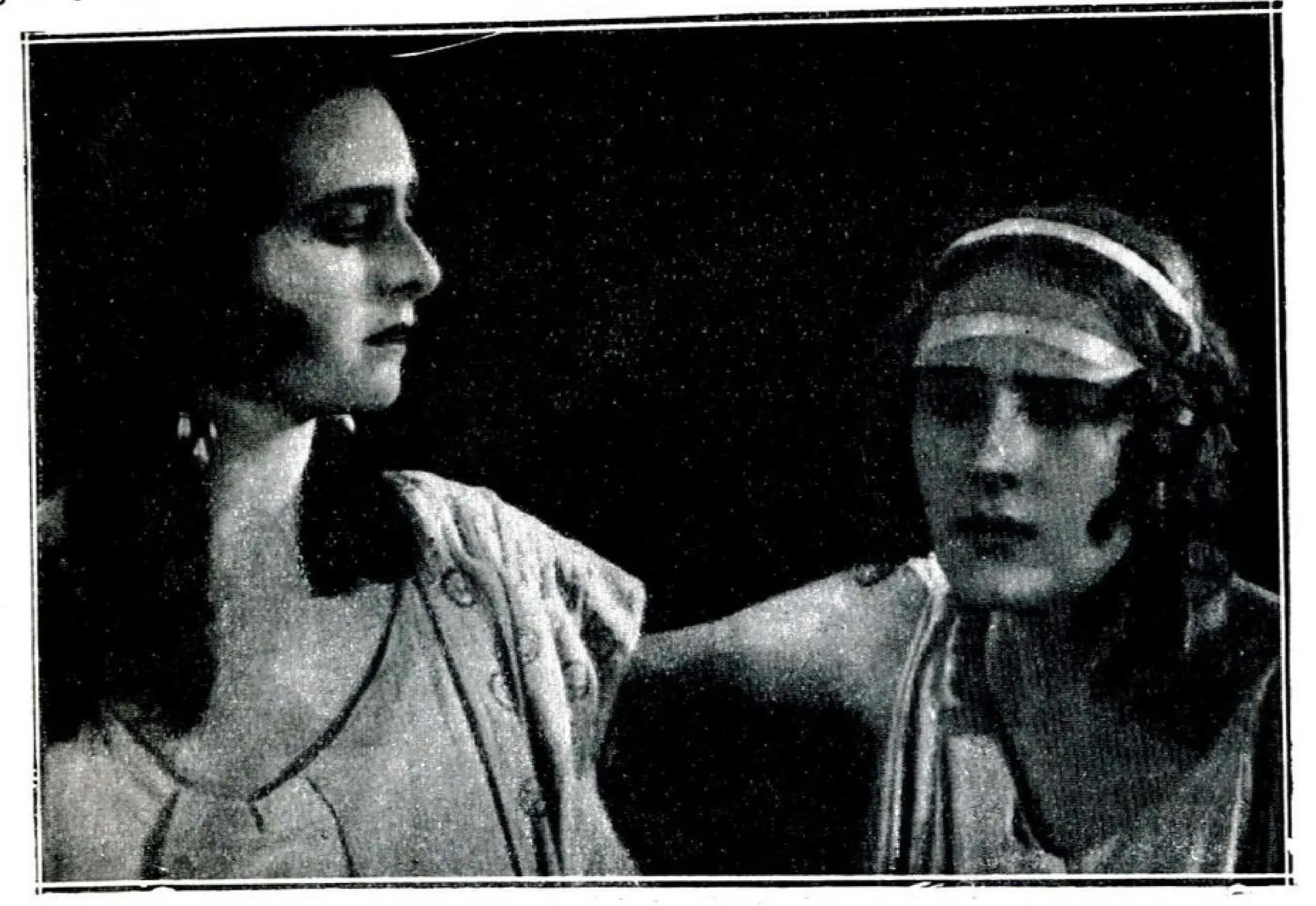
The film's ultimate message is one of hope in the face of defeat, suggesting that even if a particular uprising fails, the spirit of revolution will persist until victory. It's a powerful and effective use of historical narrative to bolster contemporary political ideals, making "Spartak" a fascinating case study in the intersection of art and ideology. It's an unconventional observation, perhaps, but "Spartak" isn't just a historical epic; it's a blueprint for revolutionary cinema, a silent scream for freedom that echoes even through the static of time.
Yes, "Spartak" is absolutely worth watching for specific audiences and for its significant place in cinematic history. It works. But it’s flawed.
It offers a rare glimpse into early Soviet filmmaking, showcasing ambitious visual storytelling and a powerful ideological message. Its scale and scope are impressive for the era, and its central performance carries significant weight.
However, be prepared for the pacing and acting conventions of silent cinema, which can be a barrier for those accustomed to modern film. It demands patience and a willingness to engage with its particular style and historical context.
"Spartak" stands as a fascinating, often compelling, relic of early cinematic ambition and political conviction. It is not an easy watch for the uninitiated, demanding a certain level of commitment and an understanding of its historical context. However, for those willing to meet it on its own terms, the rewards are considerable.
This film, despite its age and its inherent flaws, offers a powerful glimpse into how cinema was harnessed to tell grand stories and propagate revolutionary ideas. Its visual storytelling, while silent, often speaks volumes, conveying emotions and political messages with striking clarity. While many historical epics aim for realism, "Spartak" succeeds precisely because it embraces its allegorical nature, creating a myth more potent than mere fact.
It’s a film that resonates not just as a historical document, but as an enduring testament to the human spirit's yearning for freedom. "Spartak" is a piece of cinematic history that deserves to be seen, studied, and appreciated for its bold vision and its enduring, if ideologically charged, power.
IMDb 6.2
1931
Community
Log in to comment.