DbcultAccessing Vault...
Cult Review
Senior Film Conservator
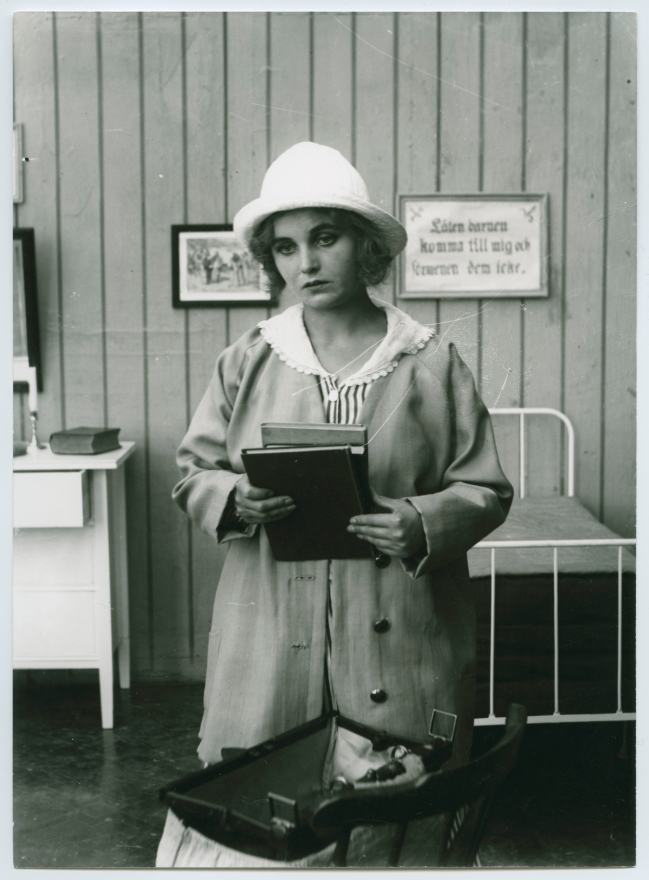
The cinematic landscape of the 1920s was often defined by its fascination with the rapidly expanding urban sprawl, a theme that Storstadsfaror (1923) explores with a nuanced, almost surgical precision. While many contemporary works focused on the glitz of the jazz age, this Swedish gem, penned by the perceptive Gabrielle Ringertz, chooses instead to focus on the human debris left in the wake of progress. The film operates as a cautionary tale, yet it avoids the didactic traps of its peers, opting instead for a visceral, atmospheric journey through the soul's transmutation from rural purity to urban exhaustion.
At its core, the film is a study in separation. The opening sequences, bathed in a soft, pastoral light that evokes a sense of nostalgic longing, establish the bond between Brynolf and Inga. Their upbringing in the countryside orphanage is depicted not as a place of deprivation, but as a crucible of character. Here, the film mirrors the thematic preoccupations found in Every Mother's Son, where the severance of familial and social ties serves as the catalyst for all subsequent tragedy. When Brynolf departs for the distant shores of America, the film effectively severs its own emotional anchor, leaving Inga to drift into the predatory currents of Stockholm.
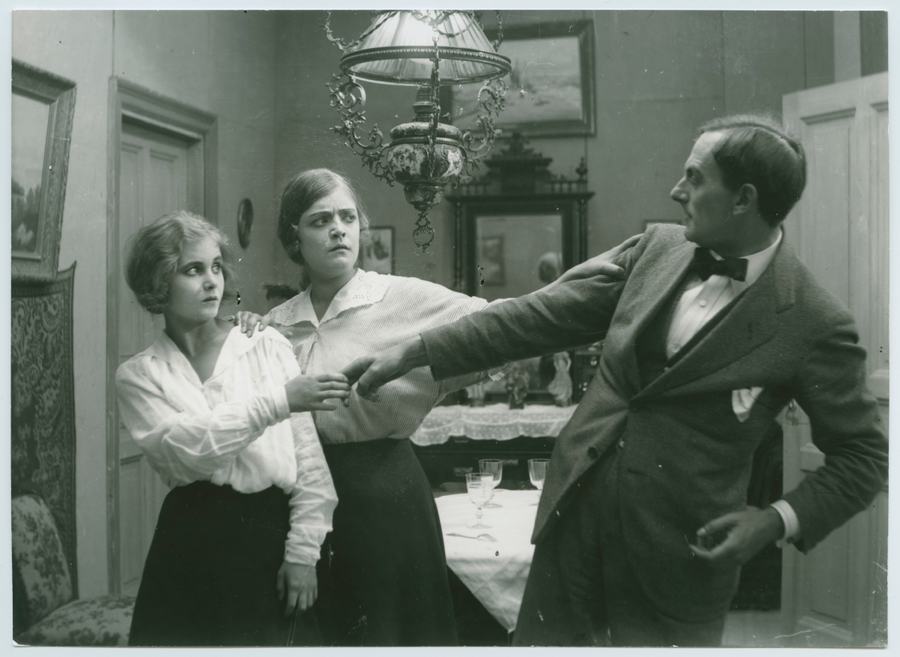
The casting of Mary Johnson as Inga is nothing short of revelatory. Johnson possessed a face designed for the silent screen—a canvas of micro-expressions that could convey a lifetime of hope and a sudden, shattering realization of betrayal in a single frame. Her performance here is more grounded than her work in the later, more stylized European productions, offering a raw, unvarnished look at a woman struggling to maintain her dignity. In many ways, her trajectory echoes the tragic elegance of La dame aux camélias, though Inga’s struggle is less about romantic sacrifice and more about existential survival.
As Inga enters Stockholm, the cinematography undergoes a subtle but profound shift. The wide-angle vistas of the countryside are replaced by the claustrophobic interiors of boarding houses and the sharp, vertical lines of city streets. This visual transition mirrors the psychological narrowing of Inga's world. The city is not merely a setting; it is an antagonist. It lurks in the background of every shot, a monster of stone and smoke waiting to swallow the unwary. The director uses shadow and light to create a sense of impending doom that feels remarkably modern, predating the height of German Expressionism while sharing its DNA.
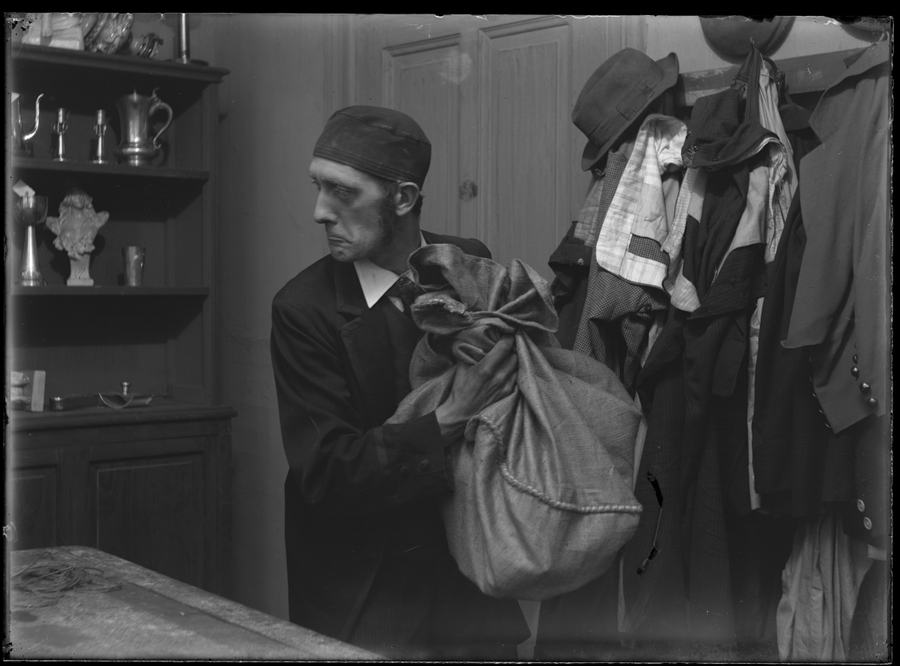
The 'dangers' promised by the title are not merely physical; they are existential. The characters Inga encounters—played with a chilling realism by the likes of Sture Baude and Tekla Sjöblom—represent the various facets of urban corruption. There is a sense of systemic exploitation that feels as relevant today as it did a century ago. Unlike the more melodramatic approach seen in The Shadow of Her Past, Storstadsfaror maintains a gritty, almost documentary-like focus on the mechanics of the city's underbelly.
One cannot discuss this film without acknowledging the supporting cast. Dagmar Ebbesen, a titan of Swedish cinema, provides a performance that adds layers of complexity to the social hierarchy depicted on screen. The interactions between the classes are fraught with tension, highlighting the chasm between those who own the city and those who are merely fuel for its engines. The film’s exploration of these power dynamics places it in conversation with The Pit, where the environment itself acts as a crushing force upon the individual.
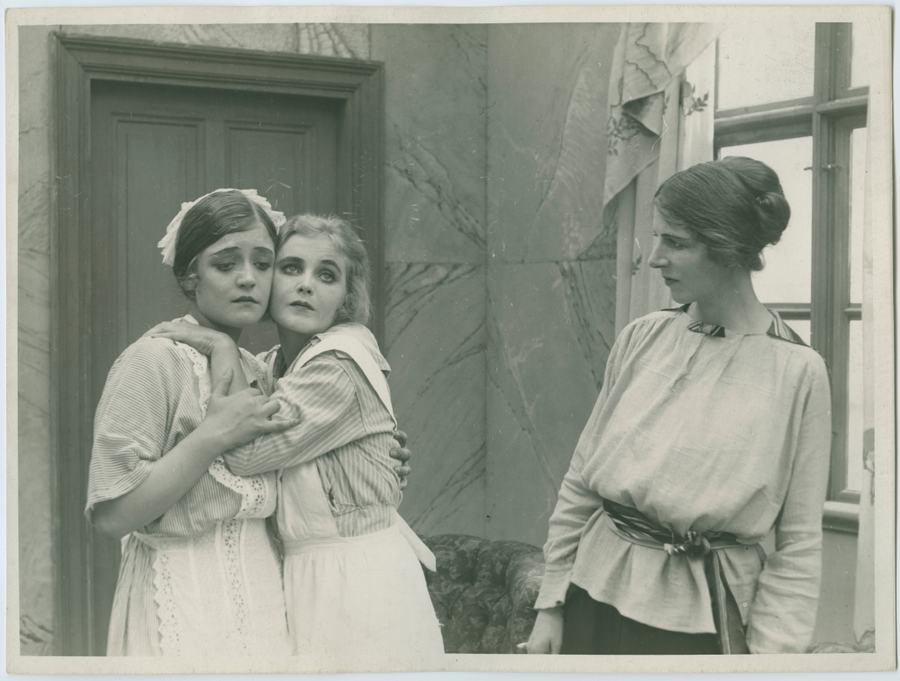
When we look at the narrative arc of Inga, it is impossible not to draw parallels with other silent era protagonists who find themselves at the mercy of circumstance. In Tangled Fates, the characters are often victims of cosmic irony, but in Storstadsfaror, the misfortune is distinctly man-made. The 'dangers' are the result of a society that has abandoned its communal responsibilities in favor of individualistic gain. This is further emphasized when comparing Inga’s journey to the more domestic tribulations found in Virtuous Wives or the youthful indiscretions of Seventeen. Inga’s plight is more desperate, more visceral, because she lacks the safety net of social standing or family wealth.
The film also touches upon the immigrant experience, albeit through the absence of Brynolf. His journey to America is a silent counterpoint to Inga's Stockholm struggle. While he seeks a future in a 'New World,' she is being consumed by the 'Old World's' modernization. This duality provides a rich subtext about the Swedish diaspora of the early 20th century, making the film a significant cultural document as much as a piece of entertainment. It lacks the whimsical nature of Dulcie's Adventure or the lighthearted satire of Mrs. Plum's Pudding, opting instead for a somber, reflective tone that lingers long after the final intertitle.
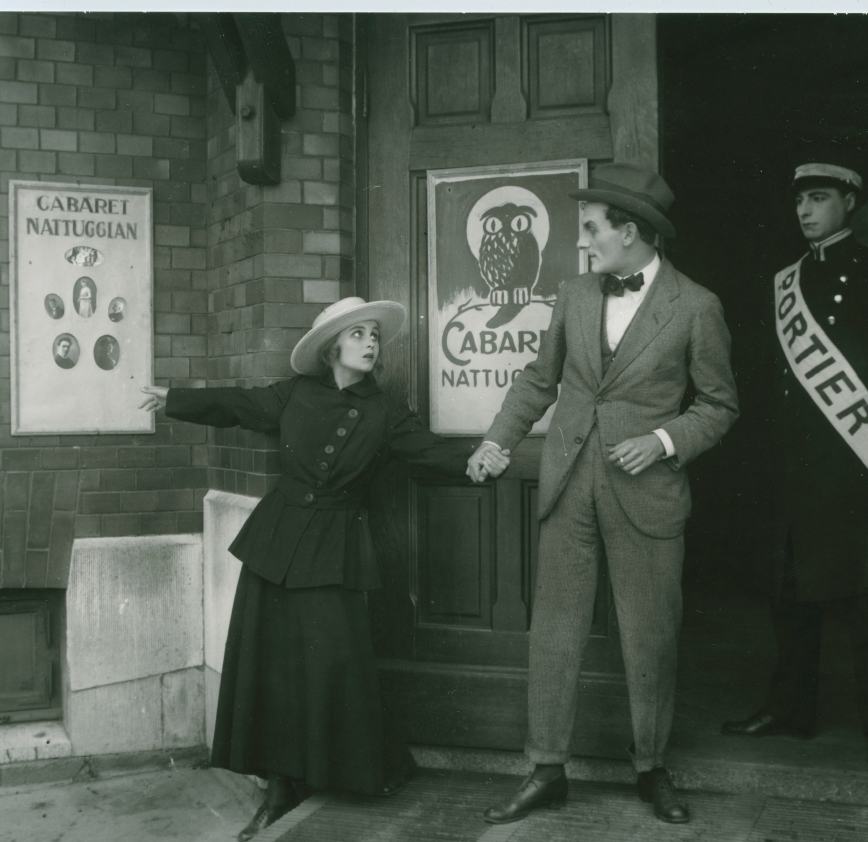
The direction—often attributed to the collaborative efforts of the era's great Swedish minds—is remarkably confident. The pacing is deliberate, allowing the dread to accumulate slowly. There is a specific sequence involving a walk through a crowded market that perfectly encapsulates the film's ethos: the camera remains tight on Inga’s face, while the world around her is a blur of movement and noise. It is a masterclass in subjective filmmaking, making the viewer feel her disorientation and fear. This technique is far more effective than the overt moralizing found in To Honor and Obey.
Furthermore, the set design deserves immense praise. The contrast between the sparse, clean lines of the orphanage and the cluttered, grimy reality of the city tenements creates a visual language of class struggle. The city is portrayed as a place of hidden corners and locked doors, a labyrinth where Inga is constantly being cornered. This sense of spatial entrapment is a recurring motif in silent cinema, yet here it feels particularly earned, echoing the thematic weight of The Havoc or the desolate landscapes of The Land of the Lost.
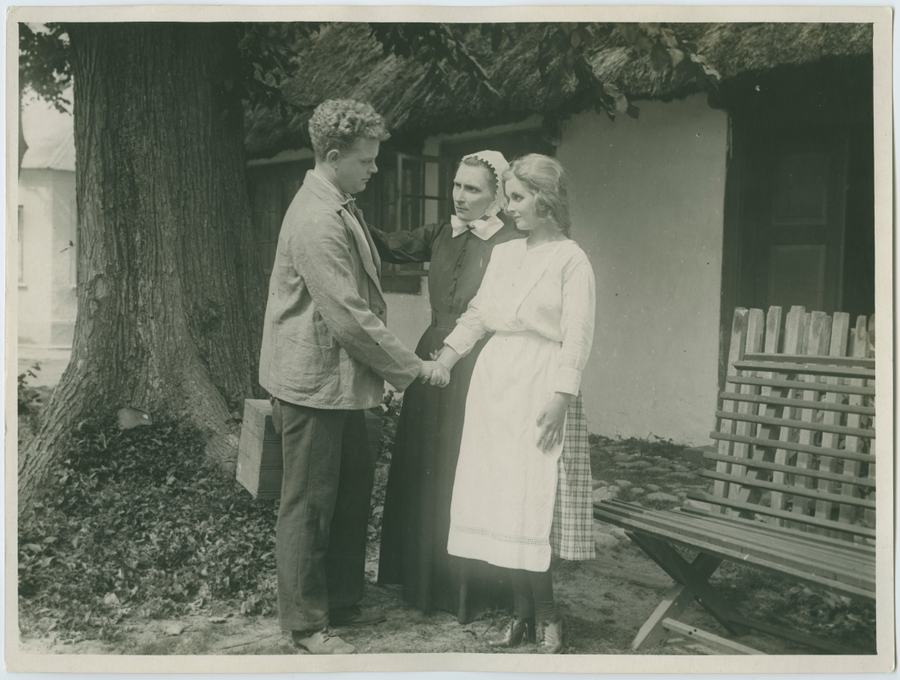
As we look back from a century's distance, Storstadsfaror stands as a testament to the sophistication of the Swedish film industry during its golden age. It avoids the easy sentimentality that plagued many American productions of the same period, such as Opportunity. Instead, it offers a stark, unflinching look at the human cost of societal change. The film’s ending, which I shall not spoil, provides a resolution that is both emotionally satisfying and intellectually honest, refusing to offer a simple 'happily ever after' in a world that clearly doesn't support one.
The performances of the entire ensemble, from John Erik Strandman to Lilly Cronwin, contribute to a sense of a lived-in world. This is not a film of archetypes, but of people. Even the 'villains' are given moments of humanity, suggesting that they too are products of the environment that shaped them. This level of psychological depth is what elevates Storstadsfaror above the level of mere melodrama. It shares a certain melancholic DNA with the Russian drama U kamina, focusing on the internal wreckage caused by external social pressures.
In the pantheon of silent cinema, this film deserves a more prominent place. It is a work of profound empathy and striking visual beauty. Whether it is the way the light catches the dust in a city apartment or the haunting stillness of the rural landscape, every frame is imbued with meaning. It is a reminder that the 'dangers' of the big city are not just about what might happen to us, but what might happen *within* us. While films like The Aryan dealt with different types of social conflict, Storstadsfaror remains one of the most poignant examinations of the individual's struggle against the overwhelming tide of modernity. It is, quite simply, essential viewing for anyone who wishes to understand the power of the silent image to tell a story that is both timeless and urgently of its moment.
IMDb —
1922
Community
Log in to comment.