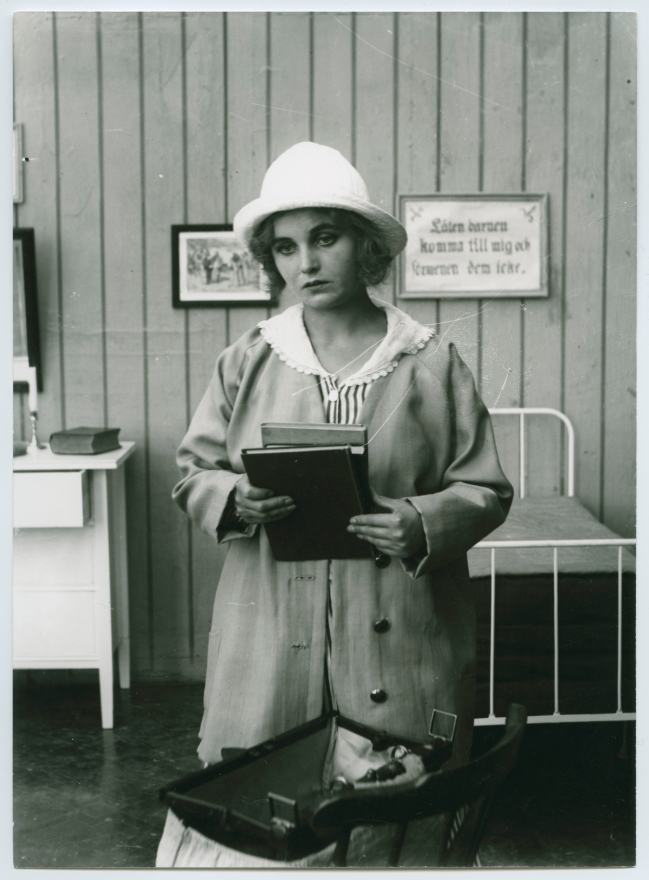
About two orphanages children's upbringing in the countryside. Brynolf travels to his father in America.
Gabrielle Ringertz
Sweden
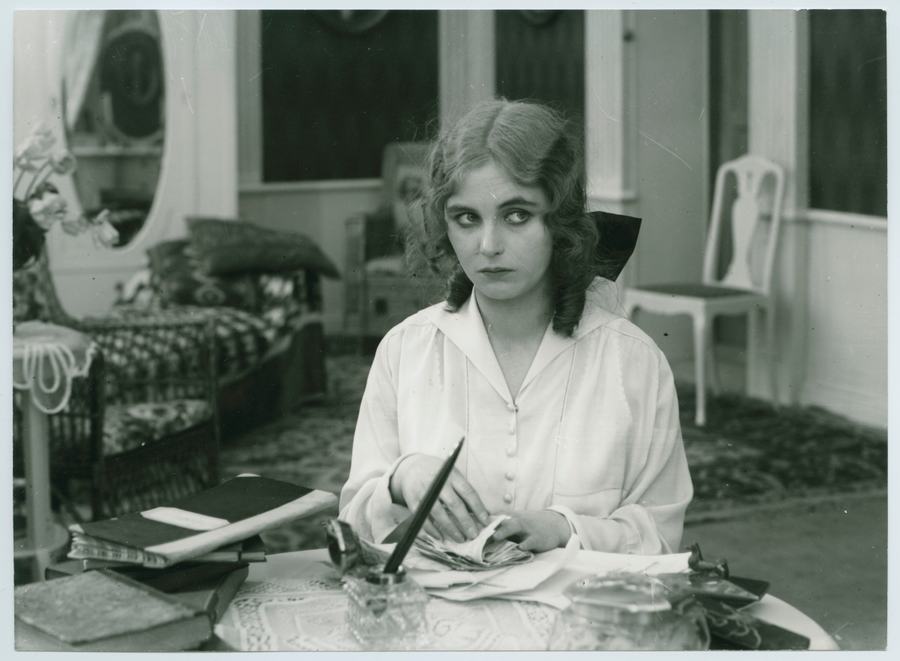
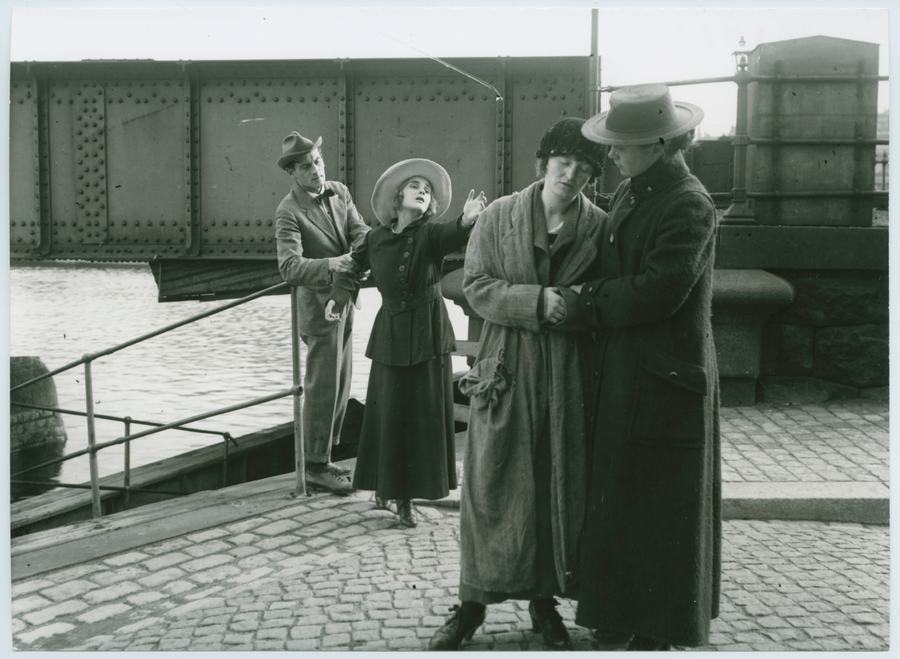
The cinematic landscape of the 1920s was often defined by its fascination with the rapidly expanding urban sprawl, a theme that Storstadsfaror (1923) explores with a nuanced, almost surgical precision. While many contemporary works focused on the glitz of the jazz age, this Swedish gem, penned by the perceptive Gabriel...
still_frame
still_frame
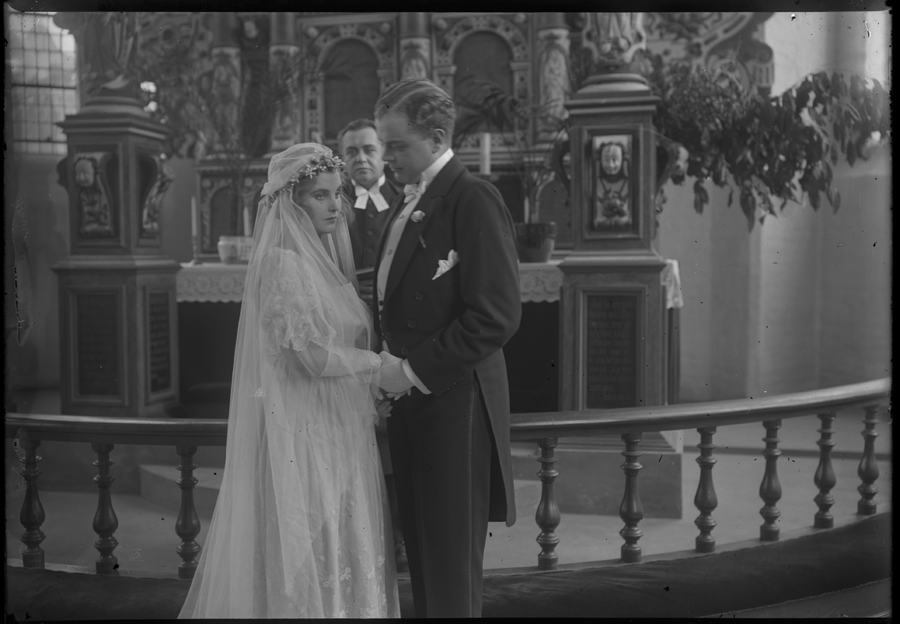
still_frame
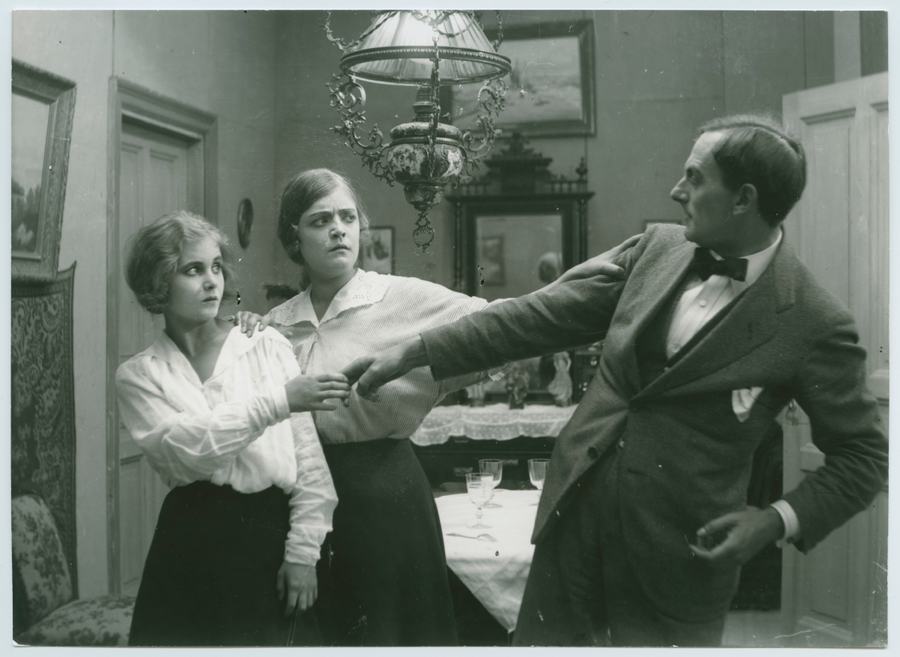
still_frame
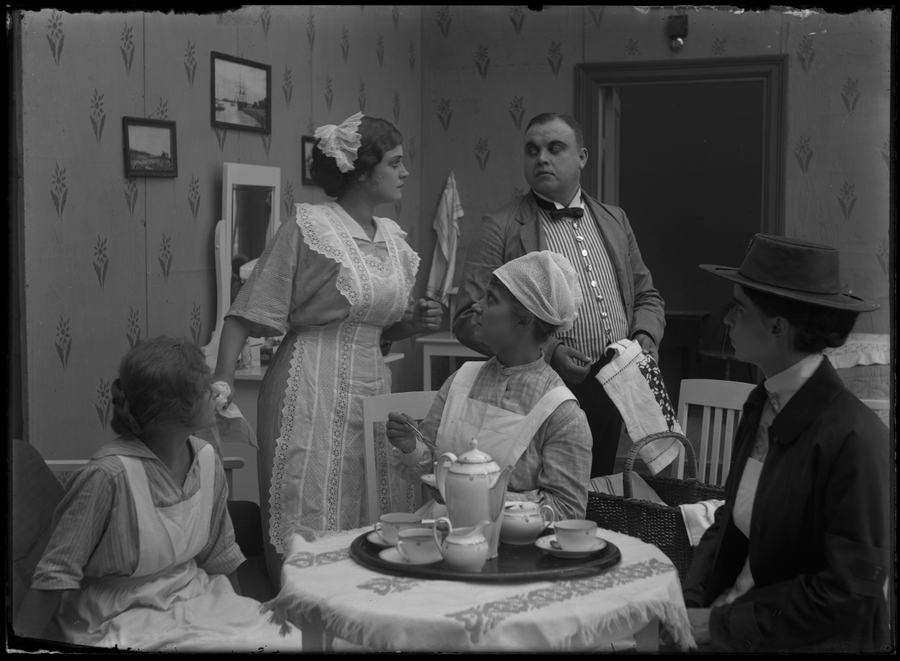
still_frame

still_frame

still_frame
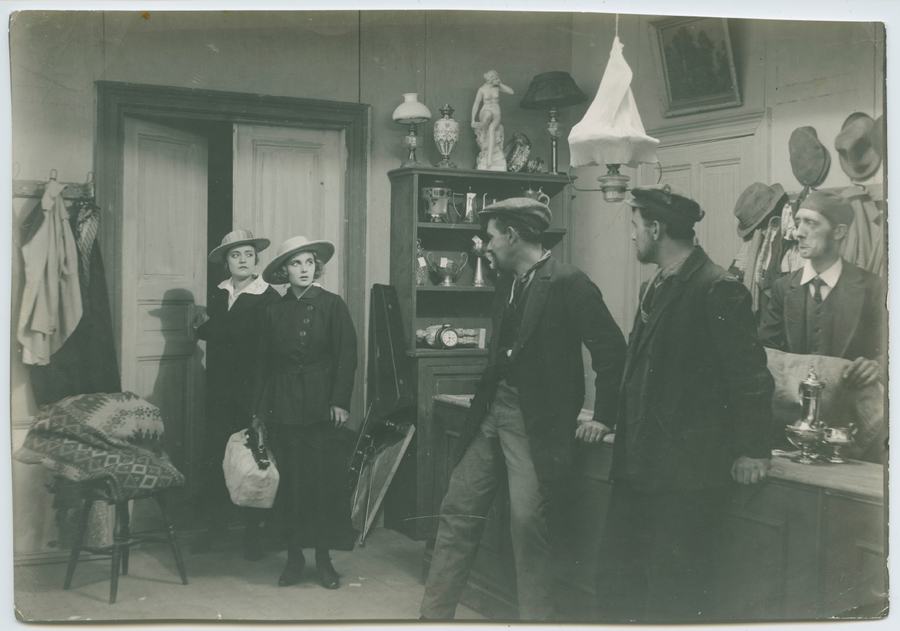
still_frame
Community
Log in to comment.
"The cinematic landscape of the 1920s was often defined by its fascination with the rapidly expanding urban sprawl, a theme that Storstadsfaror (1923) explores with a nuanced, almost surgical precision. While many contemporary works focused on the glitz of the jazz age, this Swedish gem, penned by the perceptive Gabrielle Ringertz, chooses instead to focus on the human debris left in the wake of progress. The film operates as a cautionary tale, yet it avoids the didactic traps of its peers, optin..."