DbcultAccessing Vault...
Cult Review
Senior Film Conservator
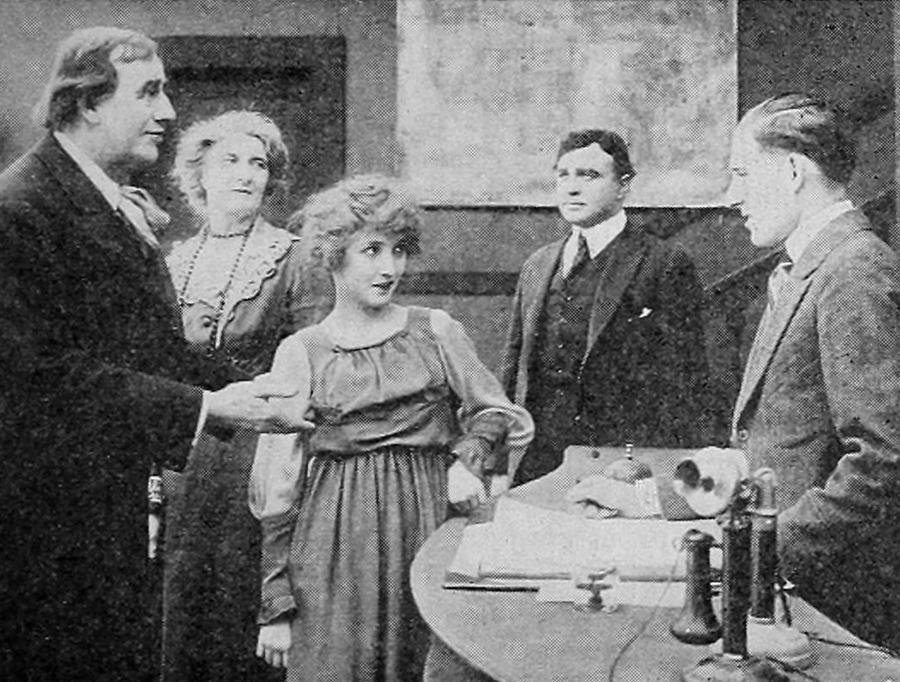
The year 1916, a pivotal moment in the nascent history of cinema, presented a fascinating, often brutal, crossroads for performers. As the silver screen began its inexorable ascent, the grand traditions of live theatre and the vibrant, if sometimes raucous, world of vaudeville found themselves contending with a formidable new rival. It is within this crucible of artistic transition that Stranded finds its compelling narrative, offering a poignant glimpse into the struggles of those caught between a revered past and an uncertain future. This film, though a product of its time, resonates with a timeless quality, exploring the human need for purpose, connection, and the enduring power of art, even as its forms evolve.
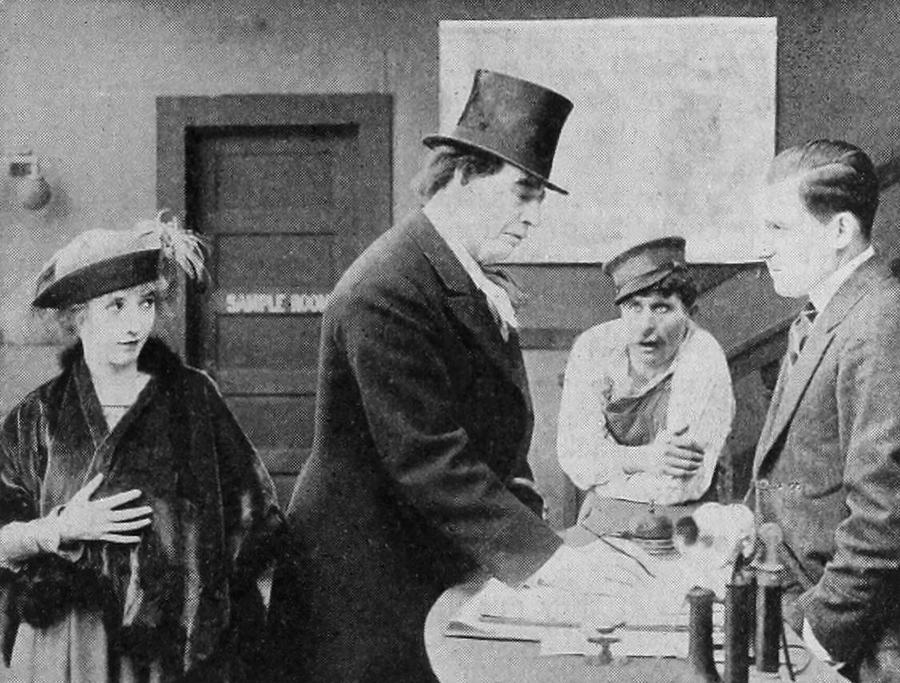
At the heart of Stranded lies the magnificent, if melancholic, performance of DeWolf Hopper Sr. as H. Ulysses Watts. Hopper, himself a renowned stage actor and singer, brings an authenticity to the role that transcends mere performance; he embodies the very essence of a bygone era. Watts is not merely an actor whose career is faltering; he is a living monument to a theatrical tradition that is rapidly losing its audience to the allure of moving pictures and the immediate gratification of vaudeville acts. His Shakespearean recitations, once met with fervent applause and discerning appreciation, now play to dwindling houses, their echoes swallowed by the cavernous indifference of an evolving public taste. There's a profound dignity in Watts's struggle, a refusal to completely abandon the grandeur of his art, even as the world around him clamors for something swifter, less demanding, more immediate. This internal conflict, the battle between artistic integrity and financial exigency, is painted with subtle brushstrokes by Hopper, a master of the silent screen's understated pathos.
The film deftly illustrates the economic realities faced by touring troupes of the era. Their existence was precarious, their livelihoods dependent on the whims of local audiences and the often-unscrupulous nature of theatrical management. Watts's decline isn't just a personal tragedy; it's a microcosm of a broader cultural shift. The narrative doesn't shy away from depicting the harshness of this transition, making Watts's eventual act of kindness all the more impactful. His journey mirrors, in a sense, the struggles observed in films like The Eleventh Commandment, where characters grapple with moral and societal pressures in a rapidly changing world, though Watts's battle is primarily artistic and existential.
The literal robbery by the character known as Stoner serves as a powerful, multi-layered metaphor within the film's fabric. On one level, it's a brutal act of violence and dispossession, stripping Watts and his companions of their remaining material wealth. This physical stripping away of possessions mirrors the broader cultural robbery Watts experiences – the gradual erosion of his artistic relevance, the theft of his audience, the diminishment of his chosen craft's societal value. The very act of being 'robbed' by a character named Stoner, implying perhaps a crude, unrefined force, underscores the perceived vulgarity of the new entertainment forms that are supplanting the classical arts.
Yet, from this moment of profound vulnerability and loss, a new purpose emerges for Watts. It is during the aftermath of this traumatic event that he encounters the injured young trapeze artist. This encounter is not merely coincidental; it represents a collision of two distinct worlds of performance, one rooted in ancient texts and grand pronouncements, the other in physical daring and ephemeral grace. The trapeze artist, a symbol of youthful, dynamic entertainment, yet equally susceptible to the dangers of her craft, becomes the unexpected recipient of Watts's compassion. This moment is a stark contrast to the often-cynical portrayals of human interaction found in some contemporary dramas, highlighting a profound humanism at the core of Stranded.
Watts's decision to care for the injured trapeze artist is the narrative's emotional anchor. It signifies a profound shift from introspection and lamentation over his own professional demise to an outward-looking act of selfless nurturing. He finds a renewed sense of purpose not in resurrecting his own fading star, but in tending to a young performer from a different, yet equally demanding, discipline. This act of mentorship, however informal, is deeply moving. It suggests that even when one's own artistic path seems blocked or obliterated, the capacity to foster creativity and support another's journey remains. The aging Shakespearean actor, once concerned with the lofty ideals of dramatic interpretation, now finds himself tending to physical wounds and offering solace to a broken spirit. This unexpected bond transcends the boundaries of their respective artistic realms, illustrating a universal language of empathy.
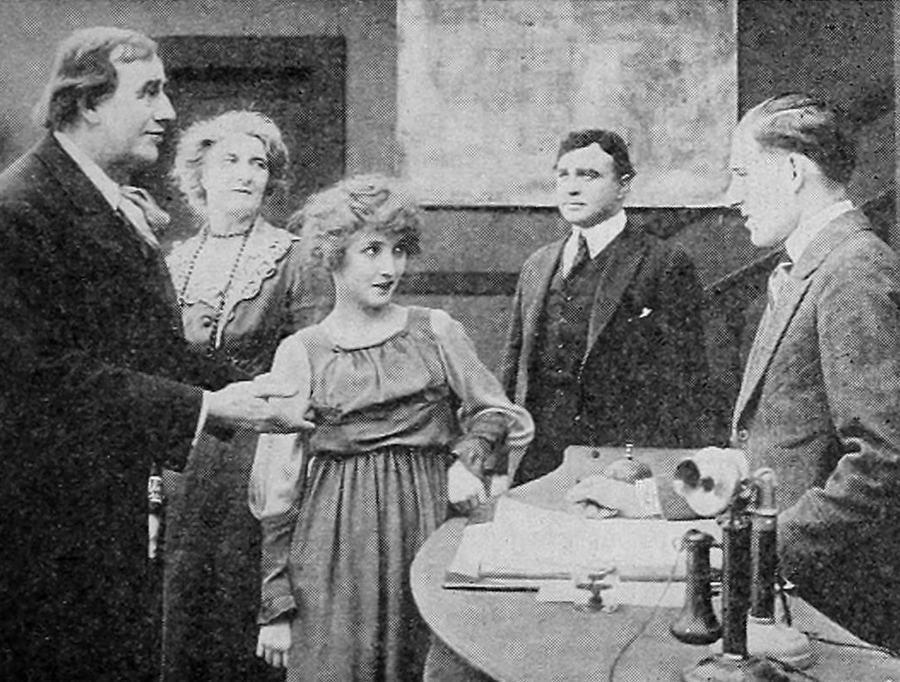
Bessie Love, as the young trapeze artist, brings a vital energy and vulnerability to her role. Her character, though physically incapacitated, embodies the vibrant, often precarious, future of entertainment. Her injury highlights the inherent risks of her art, a stark contrast to the intellectual risks of Watts's theatrical endeavors. The dynamic between Watts and the trapeze artist is beautifully understated, a quiet dialogue of mutual respect and unspoken understanding. Watts, with his classical training, likely sees in her dedication and physical discipline a different kind of artistry, one he can admire even if it's far removed from his own world. This nurturing relationship echoes themes found in films where characters find redemption or new meaning through caring for others, much like the transformative journeys often depicted in melodramas such as Madame X, though with a distinct focus on artistic rather than purely familial bonds.
The screenplay, penned by the remarkably talented Anita Loos, demonstrates her keen understanding of human nature and the evolving demands of cinematic storytelling. Loos, a pioneer in film writing, was adept at crafting narratives that were both emotionally resonant and visually compelling, a necessity in the silent era where gesture and expression carried the weight of dialogue. Her ability to infuse such a seemingly simple plot with profound thematic depth is a testament to her skill. Loos avoids excessive sentimentality, instead opting for a dignified portrayal of struggle and connection. Her work here, much like her later contributions to Hollywood, showcases a sharp wit and an empathetic eye for the human condition, even when dealing with characters on the fringes of societal change. This nuanced approach to character and plot is characteristic of her early, impactful contributions to the burgeoning film industry.
The screenplay’s construction allows for moments of quiet reflection, juxtaposing the grand theatricality of Watts’s past with the intimate, often stark, realities of his present. It’s a masterclass in visual storytelling, where the decline of Watts's career is not merely stated but shown through empty seats, weary expressions, and the stark contrast between his dignified attire and his increasingly humble surroundings. Loos’s writing ensures that the emotional arc feels earned, the transitions from despair to tentative hope are organic, and the characters, even minor ones like Stoner, serve a distinct narrative and thematic purpose. Her contributions elevate Stranded beyond a mere melodrama, positioning it as a thoughtful commentary on the cultural anxieties of its period.
The cinematic techniques employed in Stranded are typical of the sophisticated silent film production of 1916. While lacking the elaborate camera movements and editing innovations of later eras, the film relies heavily on strong performances, evocative mise-en-scène, and the judicious use of intertitles to convey narrative and emotional beats. DeWolf Hopper Sr.'s stage training is evident in his expansive, yet controlled, gestures and facial expressions, which communicate Watts's inner turmoil and dignity without the need for spoken words. The close-ups on his weary face, or the hopeful gaze of Bessie Love, serve to draw the audience into their emotional states, forging a powerful connection that transcends the absence of dialogue.
Lighting, though perhaps rudimentary by modern standards, is used effectively to enhance mood, casting shadows that underscore Watts's dwindling fortunes or illuminating moments of tender connection. The film’s pacing, while deliberate, allows the audience to fully absorb the emotional weight of each scene. Unlike the often frantic energy of some serials or comedies of the period, Stranded embraces a more measured rhythm, allowing its dramatic themes to unfold with gravitas. This approach to storytelling, prioritizing character and emotional depth over spectacle, positions it closer to the emerging art-house sensibilities than the more populist fare of its day. One might compare its dramatic intensity and focus on individual struggle to films like The Liar, which similarly explored complex human emotions through the silent medium.
The central theme of artistic transition explored in Stranded remains remarkably pertinent even today. Watts's struggle against the encroaching popularity of cinema and vaudeville is a narrative that continually repeats itself across different eras and mediums. We see echoes of this in the debates between traditional painting and photography, classical music and jazz, broadcast television and streaming services. The film serves as a powerful reminder that art forms are not static; they evolve, adapt, and sometimes, are supplanted. The genius of Stranded lies in its ability to humanize this often-abstract concept, placing a sympathetic character at its emotional core.
Watts’s eventual willingness to care for the trapeze artist, a practitioner of a 'newer' form of entertainment, suggests a quiet acceptance, perhaps even a nascent understanding, that art itself is protean. It is not confined to the proscenium arch or the dramatic monologue. It can manifest in the exhilarating aerial ballet of a trapeze act, just as it can in the flickering images on a silver screen. This subtle message of artistic ecumenism is a sophisticated one for its time, suggesting a broader definition of culture and performance. The film doesn't condemn the new but rather mourns the passing of the old, while simultaneously celebrating the enduring human capacity for creation and connection. This thematic depth makes Stranded a more profound experience than many of its contemporaries, which often focused on simpler moral tales or escapist adventures, akin to the more straightforward narratives found in films like The Primitive Call or The Highway of Hope.
Beyond the grand themes of artistic change, Stranded excels in its intimate portrayal of character dynamics. The interaction between Watts and his small troupe, his weary manager, and later, the vibrant trapeze artist, builds a rich tapestry of human relationships. Watts, despite his personal disappointments, never loses his inherent kindness or his sense of responsibility. This unwavering moral compass, even in the face of adversity, is what truly elevates his character beyond a mere representation of a dying art form. He is a man of principle, whose compassion is not a weakness but a profound strength.
The film subtly explores how shared hardship can forge unexpected bonds. The robbery, while devastating, becomes a catalyst for Watts to extend his humanity beyond his immediate circle. The act of caring for the injured girl is a quiet rebellion against the harshness of their circumstances, a testament to the idea that human connection can flourish even in the most desolate of times. This emphasis on compassion and resilience distinguishes Stranded from films that might have chosen a more cynical or despairing path. It offers a glimmer of hope, suggesting that even when one's professional life is 'stranded,' personal integrity and empathy can still anchor the soul. Such a focus on individual resilience and moral fortitude can be seen in other silent dramas, where characters navigate complex ethical landscapes to find their way, perhaps resonating with the trials faced by characters in films such as Sangue blu.
In conclusion, Stranded stands as a compelling and emotionally rich artifact of early cinema. It is more than just a historical curiosity; it is a thoughtful meditation on the ephemeral nature of fame, the relentless march of progress, and the enduring power of human kindness. DeWolf Hopper Sr.'s performance is a masterclass in silent screen acting, bringing depth and pathos to a character who could easily have become a caricature. Anita Loos's screenplay is a testament to her pioneering vision, crafting a narrative that is both intimate and universally resonant. The film's message, that true worth lies not in the accolades of the crowd but in the quiet dignity of one's actions, remains as potent today as it was over a century ago.
For those interested in the evolution of cinema, the struggles of artists, or simply a beautifully told human story, Stranded offers a profound viewing experience. It reminds us that while the stages may change, and the methods of storytelling may transform, the core human dramas of ambition, loss, and redemption remain eternally captivating. Its quiet power leaves a lasting impression, a testament to the enduring artistry of the silent era and the timeless relevance of its themes. The film doesn't offer grand resolutions but rather a quiet, reflective understanding of life's unpredictable currents, much like the introspective journeys found in philosophical tales such as Zhuangzi shi qi, albeit in a distinctly Western theatrical context.
The film’s historical significance is undeniable, providing a window into the anxieties and aspirations of an entertainment industry in flux. It captures a moment when the future of performance was still being written, and the old guard was grappling with its diminishing influence. Yet, through Watts’s journey, it ultimately celebrates resilience and the unexpected ways in which new purpose can be found, even when one feels utterly stranded by the tides of change.
IMDb 6
1925
Community
Log in to comment.