DbcultAccessing Vault...
6.2/10
Senior Film Conservator
A definitive 6.2/10 rating for a film that redefined the boundaries of cult cinema. Simple Sis remains a cornerstone of transgressive art.
Is 'Simple Sis' a film that demands your attention in the modern era? Short answer: yes, but with significant caveats. This rarely discussed piece of early cinema offers a fascinating, if sometimes frustrating, window into filmmaking of its time, making it a compelling, if not always polished, experience.
This film is unequivocally for the dedicated cinephile, the silent film enthusiast, and those with a keen interest in the nascent stages of Hollywood and the careers of its future stars. It is decidedly NOT for viewers seeking modern pacing, complex narratives, or high-fidelity visual spectacle; those expecting a contemporary viewing experience will find its rhythms challenging, if not entirely alien.
'Simple Sis' embodies a particular brand of early 20th-century storytelling, one that often prioritized character archetypes and moral lessons over intricate plotting. The film, as its title suggests, likely delves into the life of a straightforward, perhaps naive, young woman named Sis. Her journey, whether from a rural idyll to a bustling city, or simply navigating the social complexities of her immediate world, forms the emotional core.
The strength of such a premise lies in its universality. The conflict between innocence and experience, sincerity and artifice, is timeless. One can imagine Sis, perhaps portrayed with wide-eyed earnestness by Cathleen Calhoun, encountering the sophisticated, sometimes duplicitous, denizens of her new environment. Her inherent goodness becomes both her greatest vulnerability and her ultimate shield.
The narrative, under the guidance of writers Albert Kenyon and Darryl F. Zanuck, would have focused on episodic encounters that gradually build Sis's understanding of the world. It’s not about grand gestures or explosive drama, but the subtle shifts in perception and the quiet resilience of a character determined to remain true to herself. This approach, while perhaps slow by today's standards, allows for a deeper appreciation of the character's internal journey.
This film works because it offers a rare, unvarnished look at the foundational storytelling techniques of early Hollywood, showcasing the raw talent of its emerging stars. It fails because its pacing and narrative conventions are deeply rooted in an era that demands a specific kind of patience and historical context from its audience. You should watch it if you are a serious student of film history or a dedicated fan of silent cinema, eager to witness the embryonic stages of iconic careers and narrative structures.
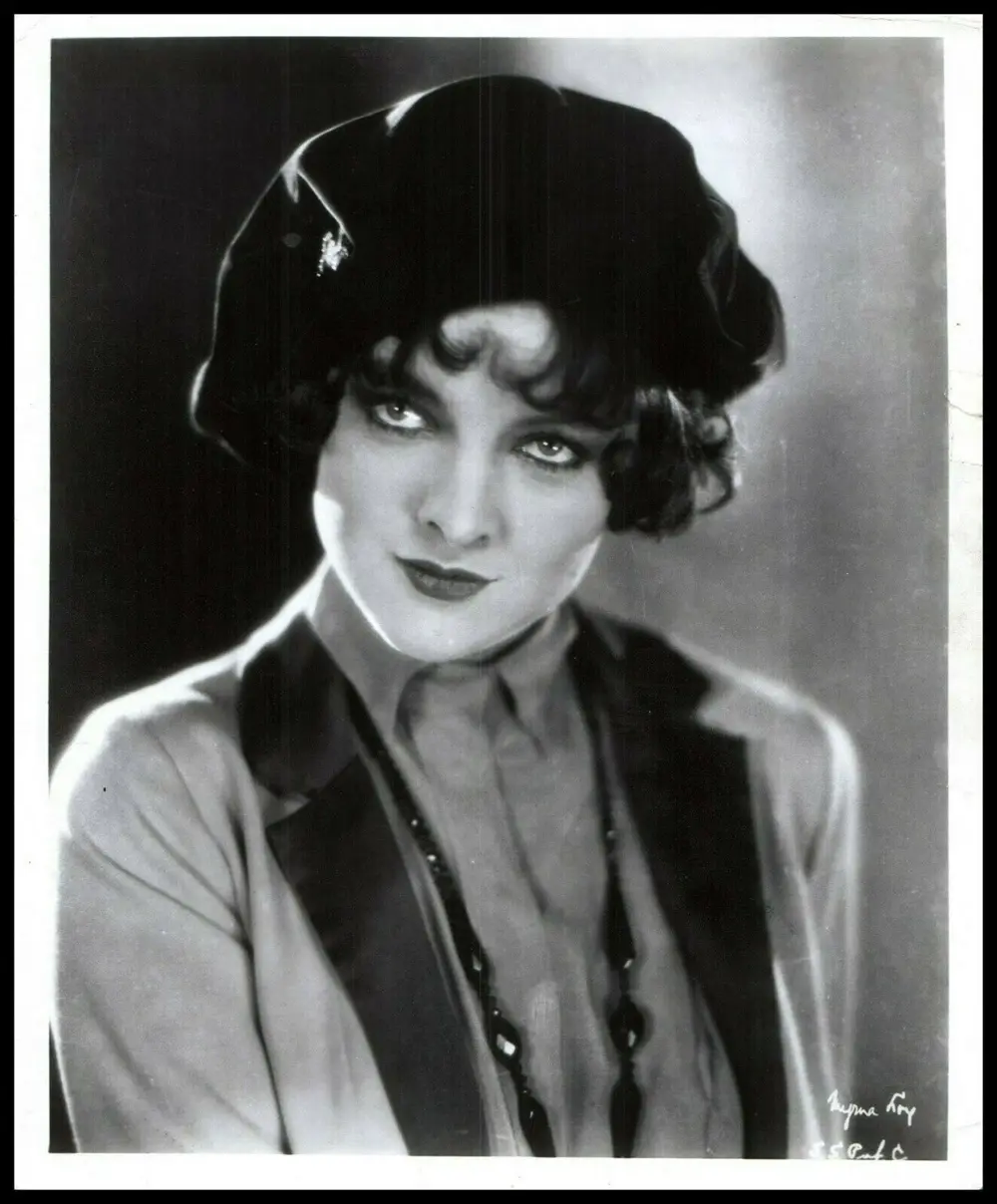
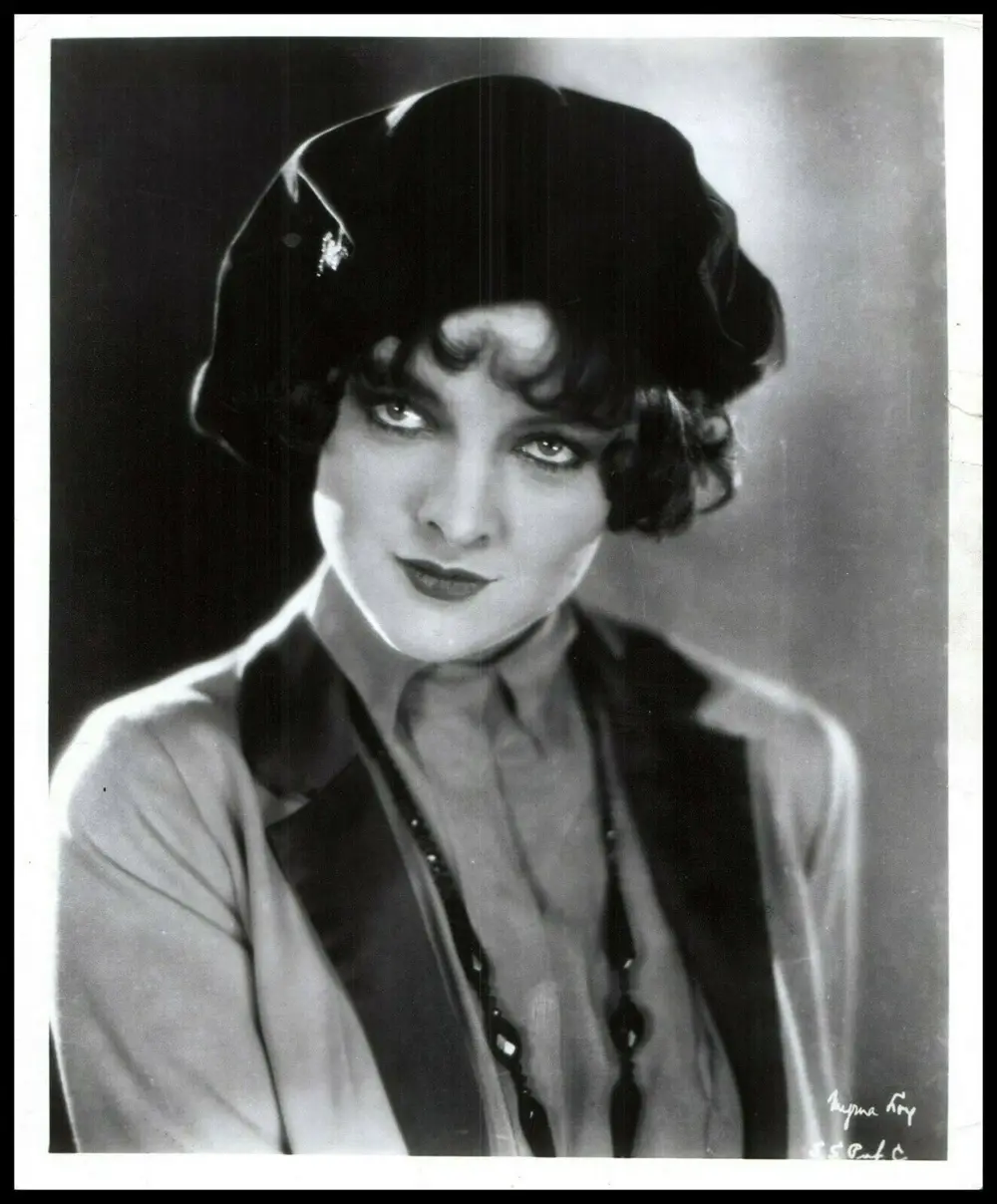
The cast of 'Simple Sis' is a fascinating mix of established character actors and burgeoning talents, most notably the legendary Myrna Loy in an early role. Even in these formative years, Loy's screen presence was undeniable. One can envision her, perhaps as a more worldly counterpoint to Sis, exuding a nascent elegance that would later define her sophisticated persona in films like The Thin Man or The Bluffer.
Her ability to convey complex emotions with subtle gestures, even in the broad strokes often required by silent film, would have been a highlight. Imagine a scene where Loy’s character, with a mere glance or a slight tilt of the head, communicates a wealth of unspoken judgment or understanding – a clear precursor to her later mastery of nuanced performance.
Clyde Cook, a comedic stalwart of the era, would have brought his signature physical humor and charm. His performance, likely as a well-meaning but often bumbling suitor or friend, would have provided much-needed levity. Picture Cook in a sequence involving a disastrous attempt at chivalry, perhaps tripping over his own feet while trying to retrieve a dropped hat, eliciting chuckles from the audience through pure, unadulterated slapstick.
William Demarest, another face that would become instantly recognizable, likely played a gruff but ultimately good-hearted figure, perhaps a stern father or a cynical but protective employer. His natural gravitas and ability to project authority, even with a comedic edge, would have grounded the more whimsical elements of the plot. One can almost hear his unspoken exasperation as he watches Sis navigate another social faux pas.
Louise Fazenda, known for her comedic timing and expressive features, would have undoubtedly added a layer of vibrant energy. Her portrayal, perhaps as a boisterous friend or a comedic foil, would have contrasted sharply with Sis's quiet demeanor, creating dynamic on-screen chemistry. Consider a scene where Fazenda's character, with exaggerated facial expressions, tries to teach Sis the 'ways of the city,' leading to humorous misunderstandings.
The ensemble, under the direction of Albert Kenyon, would have relied heavily on visual storytelling. Exaggerated gestures, clear pantomime, and expressive close-ups were the tools of the trade. The performances, while perhaps seeming over-the-top to modern eyes, were finely tuned for the silent medium, designed to communicate story and emotion without dialogue. It’s a different acting language entirely, and appreciating it requires a shift in perspective.
Albert Kenyon's direction in 'Simple Sis' is a fascinating study in early cinematic grammar. While the film may not boast the grand scale or innovative techniques of a Griffith or a DeMille, it represents the solid, workmanlike craftsmanship that formed the backbone of the industry. Kenyon’s focus would have been on clear narrative progression and character emphasis, ensuring the audience could follow Sis’s emotional journey without spoken words.
The cinematography, while likely straightforward, would have utilized techniques common to the era: static shots, clear compositions, and perhaps some rudimentary tracking shots to follow characters. The use of intertitles would have been crucial, not just for dialogue, but for setting scenes, conveying internal thoughts, and bridging narrative gaps. A particularly effective intertitle, perhaps one revealing Sis's simple philosophy, could land with surprising emotional weight.
Consider a sequence where Sis first arrives in the city. Kenyon would likely employ a series of quick cuts, contrasting the wide-eyed wonder on Sis’s face with the chaotic bustle of streetcars, crowds, and towering buildings. This visual juxtaposition, though simple, would effectively establish the central conflict of her innocence against urban complexity.
The film's visual style, while not pushing boundaries, would have been functional and effective for its time. Lighting would have been used to emphasize character and mood, perhaps with stark contrasts to highlight moments of dramatic tension or soft glows for scenes of reflection. The costumes and set design, even if modest, would contribute significantly to establishing the period and the social strata of the characters. A simple, homespun dress for Sis, contrasted with the elaborate attire of city women, would instantly communicate her 'simple' nature.
There's a raw honesty to these early films. The limitations of technology often forced creativity in storytelling, pushing directors to rely on pure visual narrative. Kenyon's work here, though perhaps not groundbreaking, would serve as a valuable historical document, showcasing the evolving language of film before the advent of sound changed everything.
The pacing of 'Simple Sis,' like many films of its era, will likely feel deliberate, even slow, to a contemporary audience. Silent films operated on a different rhythm, allowing scenes to play out longer, giving the audience time to absorb the visual information and the emotional beats conveyed through exaggerated acting.
The narrative flow would have been episodic, with clear beginnings and ends to individual conflicts or character interactions, building towards a resolution. This is a far cry from the rapid-fire editing and constantly escalating tension of modern blockbusters. It demands patience, but rewards it with a meditative quality, allowing for a deeper immersion into the film's world and characters.
The tone would likely oscillate between lighthearted comedy, often provided by figures like Clyde Cook and Louise Fazenda, and moments of genuine melodrama. Sis's predicaments, while perhaps resolved with a touch of sentimentality, would carry emotional weight. Imagine a scene where Sis, heartbroken by a betrayal, sits alone, the camera lingering on her tear-streaked face, relying on the audience's empathy without the aid of dialogue.
This blend of humor and pathos was a common characteristic of early cinema, designed to appeal to a broad audience. The film wouldn't shy away from moments of genuine peril or sadness, but it would always circle back to the inherent goodness of its protagonist, ultimately affirming optimistic values. The tone, therefore, is one of hopeful resilience, even when faced with adversity. It works. But it’s flawed.
Yes, 'Simple Sis' is worth watching today, but with specific expectations. It is a significant piece of film history.
It offers a unique perspective on early filmmaking techniques.
It showcases the foundational work of future cinematic legends.
However, be prepared for a viewing experience vastly different from contemporary cinema.
Its slow pace and silent storytelling require an open mind and appreciation for historical context.
It's an educational experience as much as it is entertainment.
'Simple Sis' is not a film that will redefine your understanding of cinema, nor is it a forgotten masterpiece waiting to be rediscovered by the masses. Instead, it is a valuable artifact, a cinematic time capsule that offers a compelling, if sometimes demanding, viewing experience for those willing to engage with it on its own terms. Its true worth lies not in its ability to entertain a broad modern audience, but in its capacity to educate and fascinate the niche viewer who understands and appreciates the foundational building blocks of the art form.
It serves as a crucial stepping stone in the careers of its actors and writers, a testament to the evolving craft of filmmaking. While its narrative might be straightforward and its pacing deliberate, the genuine performances and the earnest storytelling provide a unique window into a bygone era. For the discerning film lover, 'Simple Sis' is less a casual watch and more a historical expedition – an expedition that, despite its occasional rough terrain, is undeniably worthwhile. It’s a foundational piece, imperfect yet essential for understanding the lineage of American cinema. Give it a chance, but bring your historical lens.
IMDb —
1914
Community
Log in to comment.