DbcultAccessing Vault...
Cult Review
Senior Film Conservator
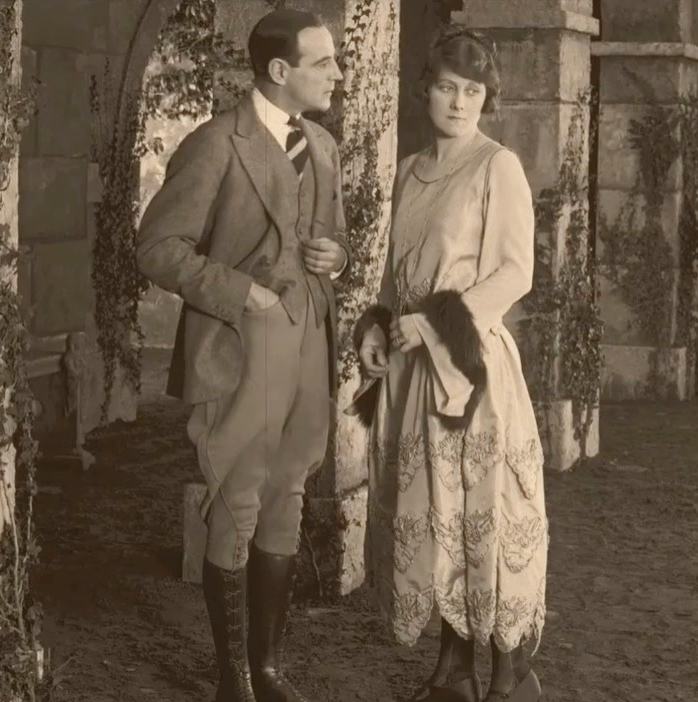
Delving into the annals of early cinematic history often unearths forgotten gems, narratives that, despite their age, resonate with a timeless power. Such is the case with 1923’s Strangling Threads, a film whose very title evokes a sense of inescapable doom and psychological entanglement. Far from a mere historical curiosity, this silent drama, penned by the collaborative talents of Leon M. Lion, Naunton Davies, and Blanche MacIntosh, offers a compelling exploration of human frailty, the corrosive nature of guilt, and the cruel ironies of fate. It stands as a testament to the sophisticated storytelling capabilities of the silent era, proving that profound emotional depth and intricate plot mechanics were well within the grasp of filmmakers even a century ago.
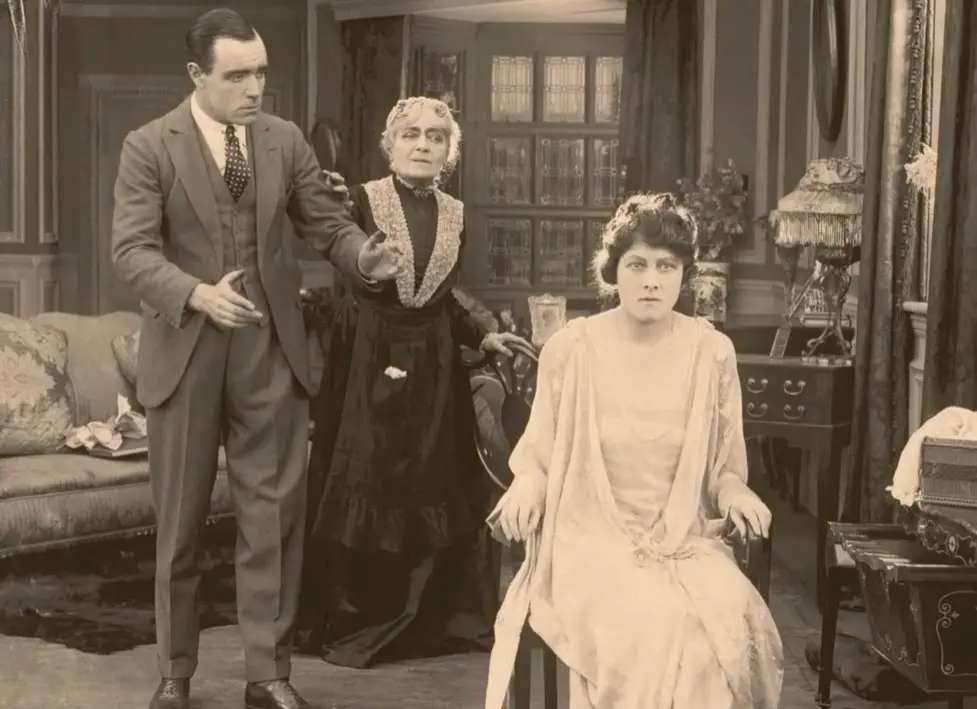
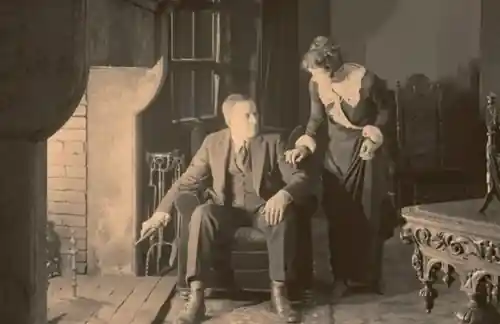
At its core, Strangling Threads unravels a tale of a millionaire, a man of considerable means yet trapped in a prison of his own making, or rather, one meticulously crafted by his manipulative spouse. His Mexican wife, portrayed with a chilling blend of allure and venom, is not merely a partner but a relentless blackmailer, her presence a constant, suffocating threat to his reputation and sanity. The film masterfully builds this tension, painting a vivid picture of a man pushed to the brink, his every action dictated by the fear of exposure. The narrative’s genius lies in its central, agonizing twist: in a moment of desperate confrontation, believing he has committed the ultimate act to free himself from her insidious grasp, the millionaire grapples with his wife. What he perceives as a fatal blow, however, is merely the catalyst for a more profound, albeit accidental, tragedy. She dies not from his hand in the manner he intends, but from the sheer terror, a fatal shock that seizes her heart. This subtle yet devastating distinction transforms a tale of premeditated violence into a harrowing psychological drama of mistaken culpability, where the protagonist is haunted by the ghost of a murder he believes he committed, yet one that was, in its stark reality, a cruel twist of fate.
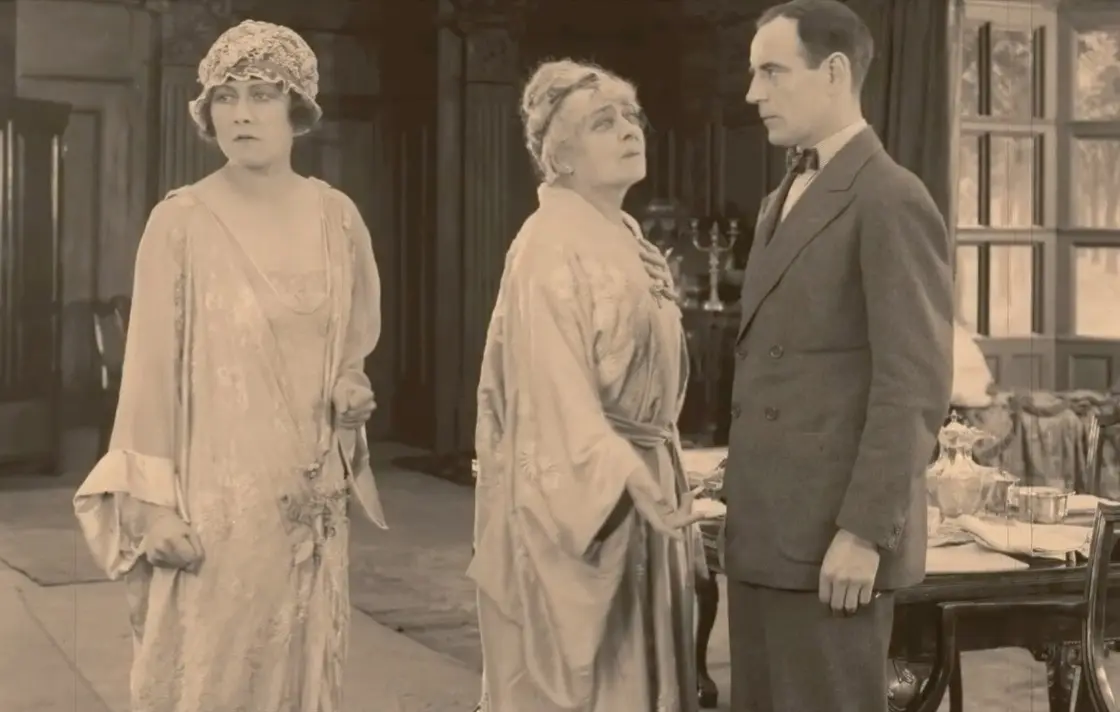
The film’s power emanates from this psychological quagmire. The millionaire’s subsequent torment is palpable, a silent scream of guilt that permeates every frame. It's a narrative that forces the audience to confront the arbitrary nature of justice and the profound impact of self-deception. The writers, Leon M. Lion, Naunton Davies, and Blanche MacIntosh, craft a scenario that is both morally ambiguous and deeply human, exploring how our perceptions of events can be as damning as the events themselves. The plot, while seemingly straightforward in its premise, blossoms into a complex study of conscience and consequence, a thematic depth that elevates it beyond mere melodrama. This intricate dance of perceived crime and actual outcome makes Strangling Threads a compelling piece, demonstrating that even without spoken dialogue, the human condition can be explored with astonishing nuance.
The success of any silent film hinges largely on the expressive capabilities of its cast, and Strangling Threads benefits from a ensemble that, through gesture, facial contortion, and bodily language, conveys a rich tapestry of emotion. Lyell Johnstone, presumably in the role of the tormented millionaire, delivers a performance steeped in a quiet desperation that slowly escalates into profound psychological anguish. His eyes, in particular, become windows to a soul in turmoil, reflecting the crushing weight of his perceived crime and the constant fear of discovery. It’s a masterclass in silent acting, where every subtle shift in posture or flicker of expression communicates volumes more than words ever could. This nuanced portrayal is crucial for the audience to empathize with his plight, even as his actions are morally questionable. Johnstone's ability to hold the audience's attention and convey such a complex internal struggle without a single spoken line is truly remarkable, a testament to the unique demands and artistic potential of the silent medium.
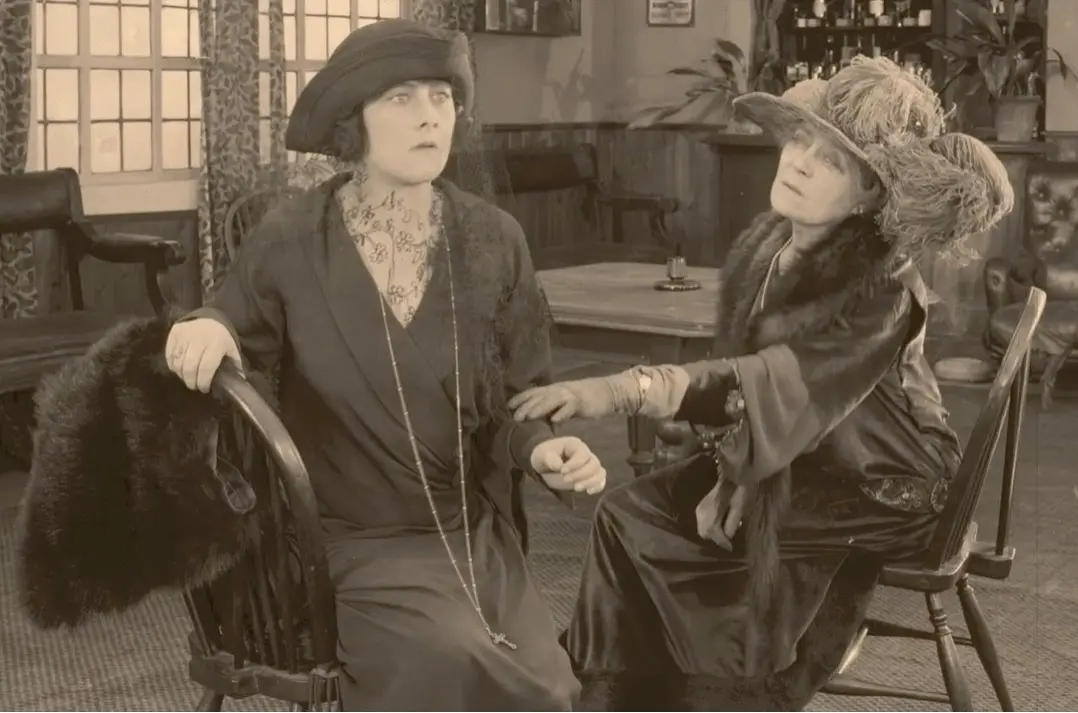
Mary Dibley, as the blackmailing Mexican wife, embodies the villainess with a captivating intensity. Her performance is a delicate balance of seductive charm and ruthless calculation, making her character a truly formidable antagonist. She isn't merely evil; she is a force of nature, driven by her own desires and unapologetic in her methods. The confrontation scenes between Dibley and Johnstone are particularly charged, crackling with an unspoken tension that is almost unbearable. Other notable performances include Gwynne Herbert, Eileen Dennes, James Carew, Alma Taylor, Campbell Gullan, John MacAndrews, Louis Goodrich, and Maud Cressall, each contributing to the film's rich texture. While specific roles for each are not detailed, their collective presence undoubtedly adds layers of societal pressure, judgment, and the ever-present threat of discovery that further ensnares the millionaire. The ensemble works in concert to create a believable world, where every character plays a vital role in the protagonist's descent into a self-imposed purgatory. Their physical acting, honed for the silent screen, ensures that the narrative's emotional beats land with precision and power, leaving a lasting impression on the viewer.
The direction of Strangling Threads, while not explicitly attributed in the provided details, undoubtedly played a crucial role in translating the intricate screenplay into a visually coherent and emotionally resonant experience. Silent film direction was an art form unto itself, relying heavily on mise-en-scène, camera angles, and editing to guide the audience’s understanding and emotional response. The use of dramatic lighting to emphasize the millionaire’s internal struggle, perhaps casting long, ominous shadows that mirror his encroaching guilt, would have been paramount. Close-ups on the actors’ faces, especially during moments of high emotion, would have amplified their non-verbal communication, drawing the audience directly into their psychological states. The pacing, too, is key; the gradual build-up of tension during the blackmail, the sudden explosion of violence, and the subsequent slow burn of paranoia would have been meticulously orchestrated to maintain suspense.
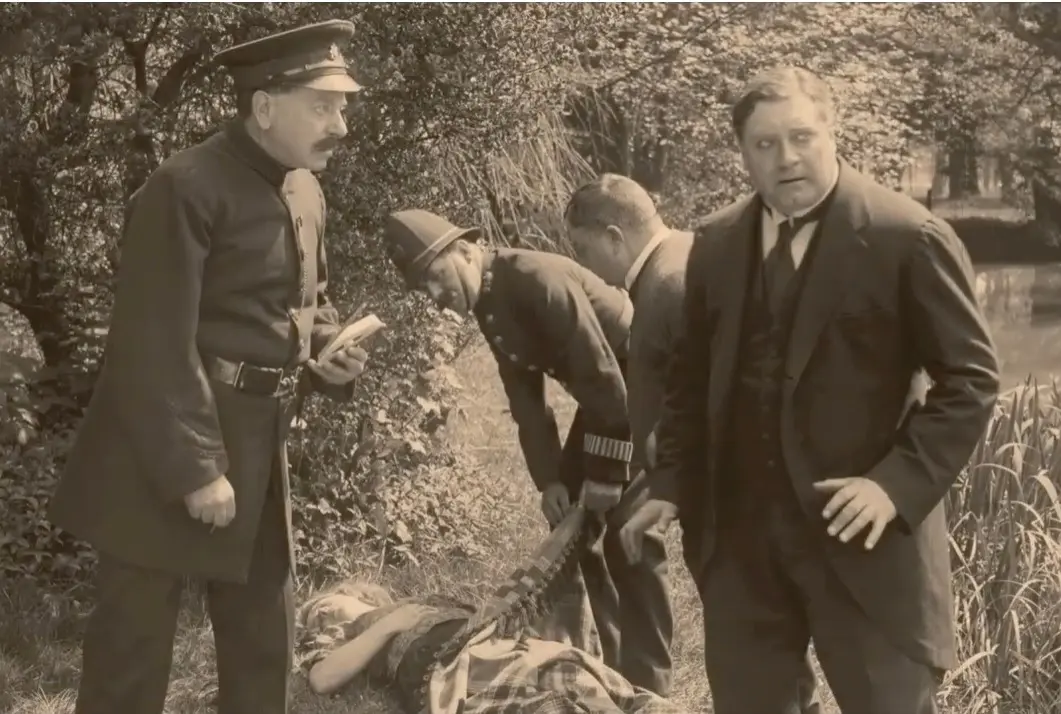
The visual language of Strangling Threads likely employed symbolic imagery to further enhance its themes. Perhaps the titular 'strangling threads' are not just metaphorical but represented visually through recurring motifs – a knotted rope, a tightly wound clock, or even the oppressive architecture of the millionaire's own opulent home, which ironically becomes his gilded cage. The set design and costuming would have been carefully chosen to reflect the characters' social standing and psychological states, from the millionaire's increasingly dishevelled appearance to the wife's perhaps overly elaborate attire, signifying her material greed. This attention to detail in visual storytelling is a hallmark of effective silent cinema, allowing the narrative to unfold with clarity and impact even without dialogue. The film's ability to communicate such a nuanced plot and complex emotional journey through purely visual means is a testament to the sophisticated cinematic techniques of the era, and the skill of the filmmakers in harnessing them.
To fully appreciate Strangling Threads, it’s beneficial to place it within the broader context of silent cinema, comparing its thematic and narrative approaches to contemporary works. The film’s exploration of guilt and the psychological aftermath of a perceived crime finds a fascinating parallel in films like Le coupable, which also delves into the judicial and moral ramifications of criminal acts. While Le coupable might focus more on the legal process, Strangling Threads leans into the internal, personal hell of its protagonist, making it a more intimate psychological study. The millionaire's torment, his internal struggle with a conscience wracked by what he believes he has done, resonates with the profound human dramas that characterized much of the era's serious filmmaking.
The film’s portrayal of a manipulative woman, albeit one driven by blackmail rather than pure romantic machinations, could also draw comparisons to the femme fatale archetypes beginning to emerge more prominently in cinema. While not a direct comparison in plot, the theme of a destructive relationship and its far-reaching consequences echoes in films such as Syndig Kærlighed (Sinful Love), which often explored the darker, more transgressive aspects of human desire and its societal repercussions. Both films, in their respective ways, highlight the dangers lurking beneath the surface of seemingly conventional lives, exposing the moral compromises and hidden desires that drive human action.
Furthermore, the exotic element of the ‘Mexican wife’ in Strangling Threads, while potentially problematic through a modern lens, was a common trope in early cinema, often used to signify otherness, passion, or danger. This can be seen in films like Maria Rosa or even the more adventurous Under Two Flags, where foreign settings and characters often served as backdrops for intense emotional dramas. These comparisons, however, should be made with an understanding of the historical context, where such portrayals were less about accurate representation and more about creating compelling, often sensational, narratives for a broad audience. The film’s use of this character element, therefore, is more a reflection of the era’s storytelling conventions than a unique thematic choice.
The broader theme of societal judgment and the struggle for redemption or escape from past transgressions also finds resonance in films like The Eternal Magdalene. While The Eternal Magdalene focuses on a woman seeking redemption from a past of sin, Strangling Threads presents a man grappling with a perceived sin, one that exists more strongly in his mind than in objective reality. This juxtaposition highlights the diverse ways silent cinema explored morality and social standing. The pervasive sense of dread and the psychological unraveling in Strangling Threads could also be loosely aligned with the suspenseful atmosphere found in dramas like While Paris Sleeps, which often explored hidden lives and desperate acts within an urban landscape. While the specific plots differ, the underlying tension and the exploration of characters pushed to their limits connect these cinematic experiences.
Strangling Threads, despite its relative obscurity compared to some of its more famous silent contemporaries, offers a powerful reminder of the sophisticated narrative techniques and profound emotional depth achievable in early cinema. It’s a film that asks pertinent questions about guilt, perception, and the arbitrary nature of fate, questions that remain relevant even today. The absence of dialogue forces the audience to engage more deeply with the visual storytelling, to interpret every gesture, every expression, and every intertitle with heightened attention. This active engagement creates a unique viewing experience, one that is both intellectually stimulating and emotionally resonant.
The film’s lasting impact lies not just in its clever plot twist, but in its unflinching portrayal of psychological torment. It serves as a valuable artifact for understanding the development of cinematic narrative, particularly in its exploration of internal states rather than purely external events. For modern viewers, Strangling Threads is more than just a historical document; it is a compelling drama that transcends its era, offering a glimpse into the human condition that is as raw and impactful today as it was a century ago. It challenges us to look beyond superficial actions and delve into the complexities of human motivation and the crushing weight of a troubled conscience. The sheer artistry involved in conveying such a nuanced story without the benefit of spoken words is a testament to the creativity and ingenuity of the filmmakers of the silent era, solidifying Strangling Threads as a significant, albeit perhaps underappreciated, contribution to the tapestry of early cinema.
In conclusion, Strangling Threads stands as a remarkable example of silent-era psychological drama. Its taut narrative, compelling performances by actors such as Lyell Johnstone and Mary Dibley, and its exploration of universal themes like guilt and mistaken identity make it a film worthy of rediscovery. The collaborative writing effort of Leon M. Lion, Naunton Davies, and Blanche MacIntosh crafts a story that is both intricate and emotionally resonant. For enthusiasts of classic cinema and those interested in the evolution of storytelling, this film offers a rich and rewarding experience, proving that the power of a story transcends the need for spoken words, relying instead on the universal language of human emotion and visual artistry. It is a stark reminder that the threads of fate, once woven, can indeed strangle even the most powerful among us, not always through direct action, but through the insidious whispers of our own minds.
IMDb —
1928
Community
Log in to comment.