DbcultAccessing Vault...
5.5/10
Senior Film Conservator

A definitive 5.5/10 rating for a film that redefined the boundaries of cult cinema. Such Is Life remains a cornerstone of transgressive art.
The flickering shadows of the silent era often cast their most profound light upon the margins of society, and few films encapsulate this truth with the raw, unvarnished sincerity of Such Is Life. This cinematic artifact, a poignant journey into the heart of urban struggle, thrusts us into a world where survival is a daily, desperate ballet. It’s not merely a film; it’s an immersive experience, a visceral encounter with the indomitable spirit of a child navigating a labyrinthine existence on the unforgiving streets. The narrative unspools with an almost documentary-like precision, eschewing saccharine sentimentality in favor of a stark, compelling realism that resonates even a century later. Here, the 'mischief' isn't born of malice, but of a primal, unyielding need, an ingenious adaptation to a world that offers little in the way of succor or safety. The film’s strength lies in its unflinching gaze, its refusal to romanticize poverty while simultaneously illuminating the sparks of humanity that persist amidst the squalor.
At the core of Such Is Life lies the captivating, if heartbreaking, odyssey of its protagonist: a street urchin whose very anonymity amplifies her universal plight. Portrayed with astonishing depth and naturalism, likely by a young Baby Peggy or Tommy Wonder – child actors of immense talent for their age – this character becomes an emblem of resilience. Her small frame, clad in tattered garments, navigates the bustling thoroughfares and grimy alleyways with an instinctual cunning. Every stolen apple, every cleverly sidestepped policeman, every fleeting moment of respite becomes a testament to a spirit that refuses to be broken. The film’s genius resides in its ability to humanize these acts, transforming petty thievery into a desperate art form, a symphony of small victories against overwhelming odds. We witness not a criminal in the making, but a survivor in the making, her moral compass recalibrated by the brutal exigencies of hunger and homelessness. Her interactions, fleeting and often transactional, reveal a world where trust is a luxury and self-reliance is the only currency.
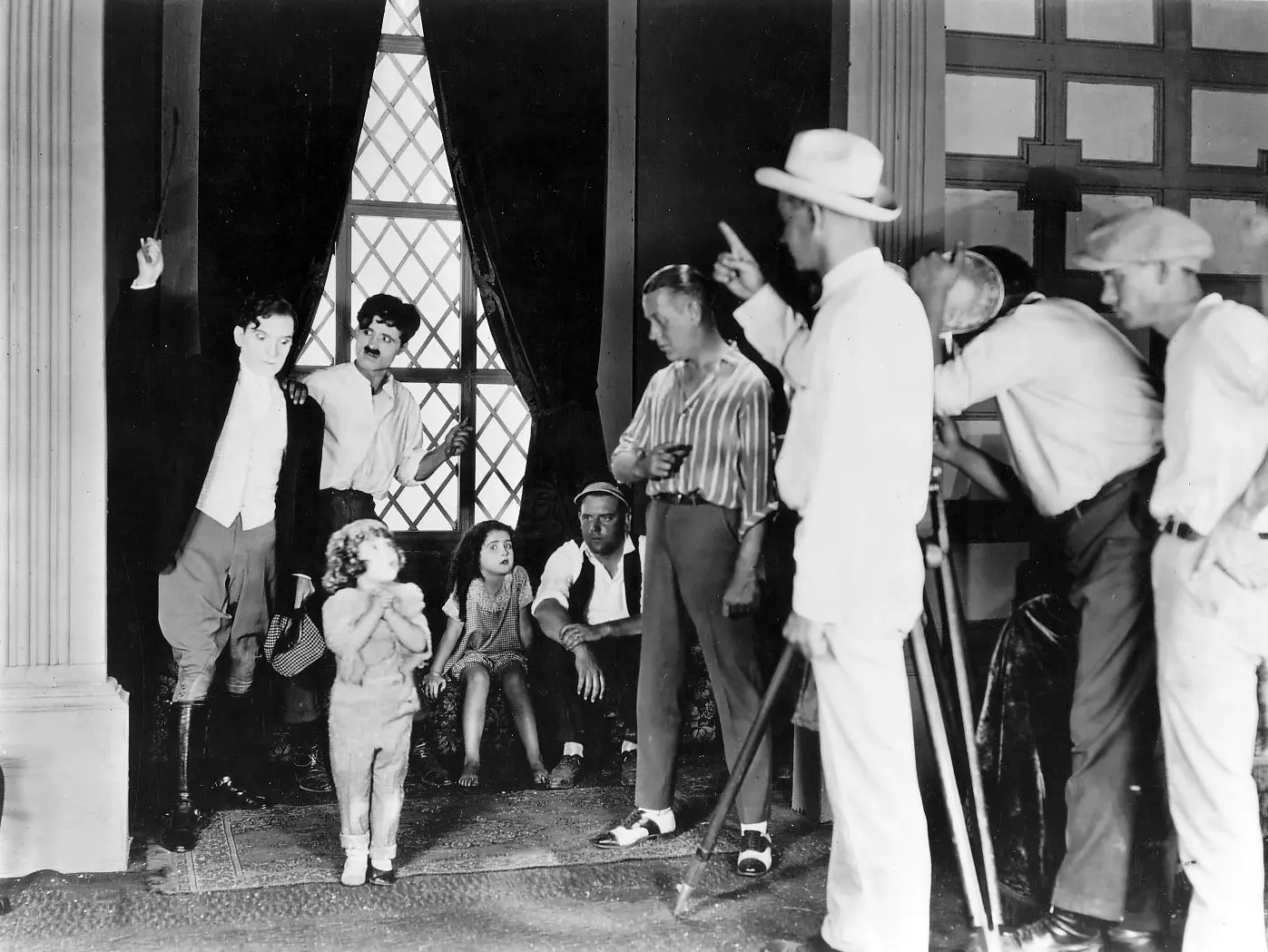
The backdrop against which our protagonist’s story unfolds is as much a character as any human element: the bustling, indifferent metropolis. The film paints a vivid, albeit silent, portrait of early 20th-century urban life, where the glittering facades of prosperity often concealed vast chasms of destitution. The cinematography, even within the technical limitations of the era, manages to convey the oppressive scale of the city, dwarfing the tiny figure of the urchin. We see crowded markets, imposing buildings, and streams of well-dressed pedestrians, all moving with a purpose that stands in stark contrast to the aimless, yet intensely focused, wanderings of the child. This visual juxtaposition serves as a powerful commentary on societal neglect, highlighting how easily those on the fringes can become invisible, their struggles ignored by the relentless march of progress. The film doesn't preach, but rather shows, allowing the viewer to draw their own conclusions about the moral fabric of a society that permits such disparities. It echoes the stark social critiques found in contemporary European cinema, like the Danish drama Blandt Samfundets Fjender, which similarly cast an unsparing eye on the underbelly of urban existence and the systemic forces that create 'enemies' out out of the destitute.
The power of Such Is Life is immeasurably amplified by the extraordinary performances, particularly from its youthful cast members. While specific roles for Baby Peggy, Tommy Wonder, Lillian Hackett, Arnold MacDonald, Jack Henderson, Joe Bonner, and Paul
IMDb 4.5
1936
Community
Log in to comment.