DbcultAccessing Vault...
5.6/10
Senior Film Conservator
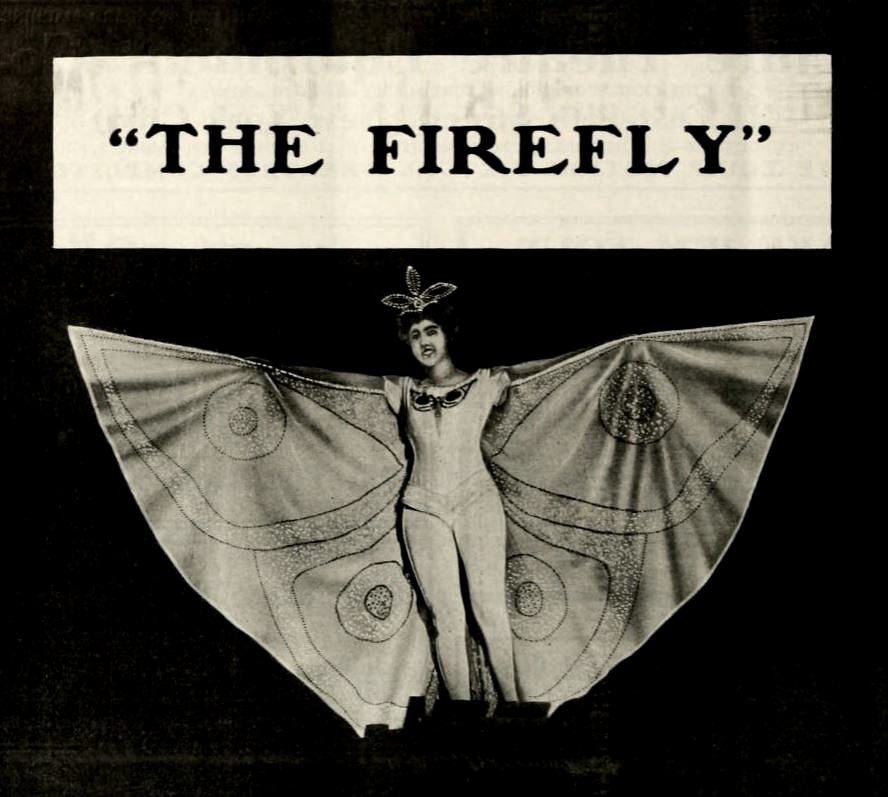
A definitive 5.6/10 rating for a film that redefined the boundaries of cult cinema. The Firefly remains a cornerstone of transgressive art.
A moon-drenched fable of mossy aristocratic lawns and caravan dust, The Firefly begins like a lullaby before the cradle tips over the precipice.
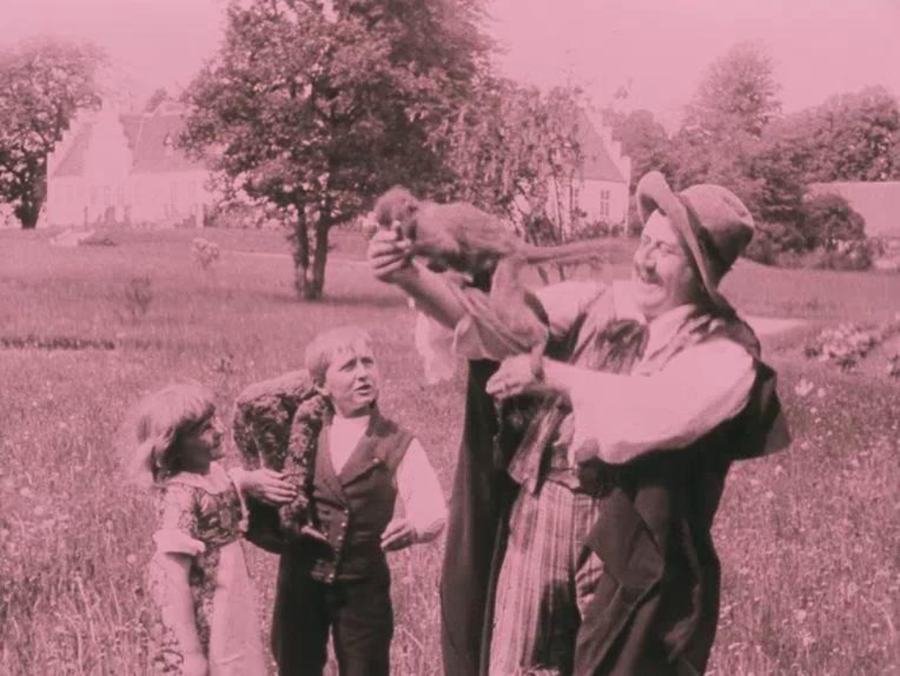
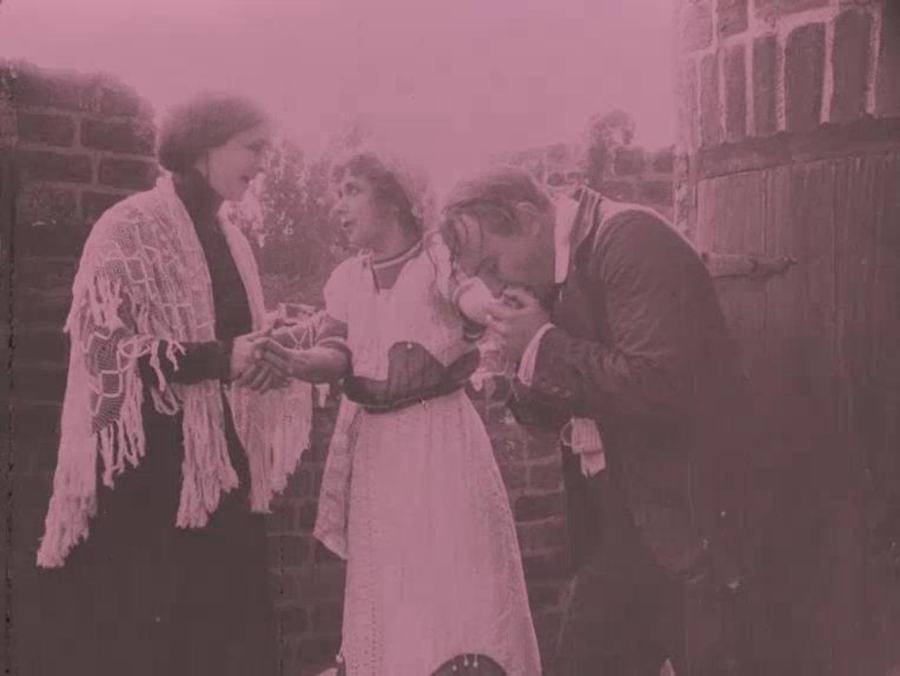
Lilian, porcelain child of Countess Barri, chases laughter through boxwood mazes while Ralph, the estate-manager’s wiry offspring, matches her footfalls with the solemn urgency of one who already senses class-etched boundaries. Their Eden fractures when Michael—part Pan, part Mephistopheles—ambles onstage with a tambourine-jangling monkey whose antics refract the sunlight into forbidden promise. The Countess, corseted dignity incarnate, recoils when the gypsy woman cuffs her own feverish infant; indignation detonates into exile. Before dawn, Lilian’s crib stands vacant, the sheets still warm, the window yawning toward the charcoal ribbon of road.
The narrative leapfrogs across seasons stitched together by intertitles that flutter like soot-smudged snow. We re-encounter Lilian as the Firefly: a sequined aerialist whose phosphor-green wings brush the sawdust sky of a travelling circus. Ralph, now a taciturn young man in chauffeur’s gloves, ferments with guilt; his quest to restore the lost heiress becomes an obsession measured in train whistles and winter campsites. Cinematographer Einar Zangenberg lenses the circus montage through a prism of nitrate glow, tinting Lilian’s solo turn in amber while the crowd remains a graphite blur—her body a comet yanked against the gravitational black of anonymity.
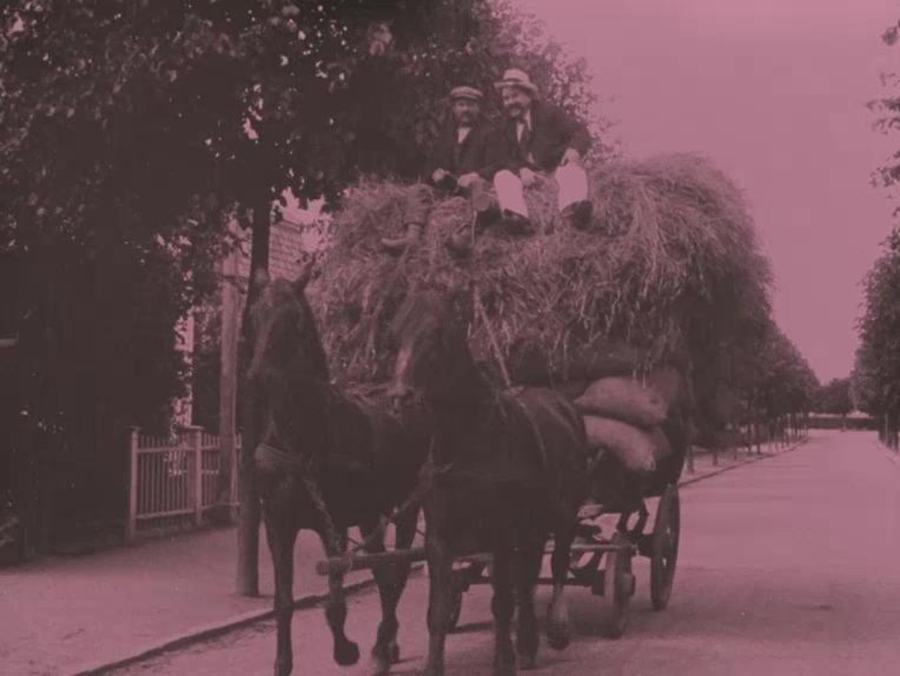
Michael, ever the puppeteer, orchestrates the girl’s betrothal to an aging Baron whose moustache conceals more cruelty than his title admits. The transaction is wordless: coins pass like ice cubes, and ownership is sealed with the clinical detachment of a butcher’s scale. The Baron’s touring Delage becomes a mobile boudoir of predation until Ralph, hearing muffled sobs through the tonneau, feigns engine trouble. One crank of the starter, and the aristocrat is marooned roadside while the automobile—containing our fugitives—thunders toward the horizon, chrome glinting like drawn steel.
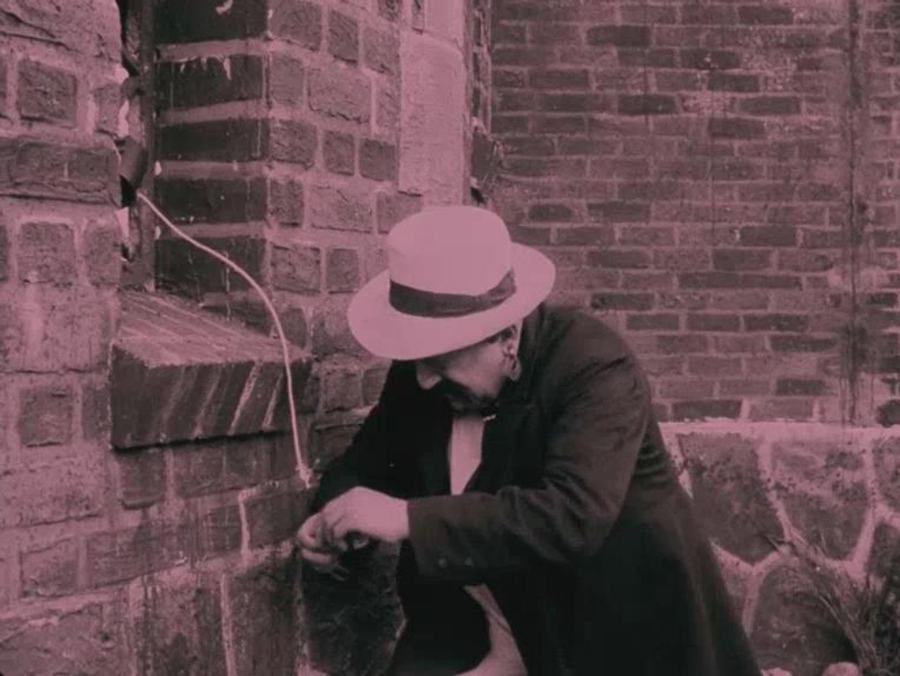
Yet escape is only prologue. Michael, scenting betrayal, pursues with the patience of a wolf tracking carrion. His destination: the ivy-clad tower where Lilian and Ralph once played pirates, now a mausoleum-in-waiting. He padlocks the iron door, wedges dynamite into a lower window, and strikes the fuse—turning nostalgia into death-trap. Ralph’s rescue is pure vertigo: he tightropes across brittle telegraph wires suspended above a lily-choked pond, silhouette quivering against the dusk. The camera tilts downward; water glints like obsidian. One slip equals oblivion. He dives, surfaces, claws toward the tower, and hurls the explosive into the underbrush where Michael cowers. A bloom of orange obliterates the kidnapper—poetic justice rendered in nitrocellulose thunder.
Danish cinema of 1913 seldom brandished such kinetic sadism; the sequence rivals the siege pyrotechnics of The Great Circus Catastrophe and anticipates the moral reckoning of The Redemption of White Hawk.
William Bewer’s Baron oozes a decadent rot reminiscent of Erich von Stroheim’s later aristocratic ogres, while Johanne Fritz-Petersen radiates both childlike luminescence and bruised resilience—her Lilian ages not in years but in lumen count, eyes dimming each time the spotlight hits. Alfi Zangenberg’s Ralph is less a swashbuckler than a watch-spring slowly tightening; his final sprint across the wires feels earned because every frame has stored his latent kineticism.
Director Urban Gad—yes, the same Gad who would soon helm Vampyrdanserinden—deploys a grammar of tension that predates Griffith’s cross-cut climaxes: parallel montage between fuse burn, mother’s swoon, and aerial footwork. Tinting shifts from cerulean night to sulphur-yellow panic, culminating in a red flash that singes the celluloid metaphor as well as the negative. The Danish intertitles, translated here with lapidary brevity, retain the cadence of Skaldic verse: “Flammen kender sin skaber” (“The flame knows its maker”)—a proverb that sutures theme and denouement.
Comparative cinephiles will detect DNA strands later woven into The Mystery of the Rocks of Kador’s cliff-hung heroines and even into the circus fatalism of The Flying Circus. Yet The Firefly stands apart for its liminal fusion of social Darwinism and childhood eros—an uneasy alloy that courts proto-Expressionist darkness without plunging headlong into the abyss that Satana would excavate two years later.
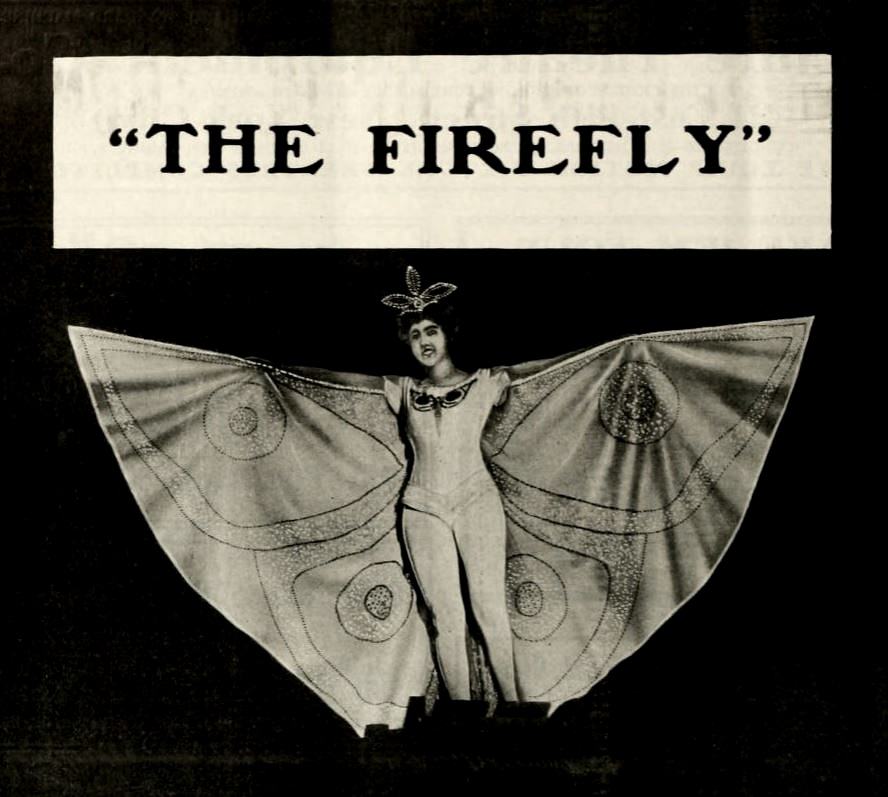
Musically, the original Danish exhibitors recommended a live quartet progression from Haydn innocence to Wagnerian dread; modern festivals often commission new scores blending nyckelharpa and brushed snare to echo the film’s nomadic pulse. Viewers today may find the monkey’s comic relief jarringly twee, yet it functions as moral litmus: every guffaw reminds us how easily civilization masks rapacity beneath carnival glitter.
Restoration status? Only two incomplete prints survive: one at the Danish Film Institute (Nitrate Vault, 9.5 mm) and a 35 mm fragment recovered from a Buenos Aires warehouse in 1987. The latter bears water stains shaped like moth wings—archivists leave them intact, claiming they augment the film’s chiaroscuro. Digital 4K scans reveal hairline scratches that flicker like fireflies themselves, an artifactual strobe that no AI dirt-removal dares erase.
Final verdict: The Firefly is a 38-minute molotov whose fuse hisses long after the frame dissolves. It interrogates ownership—of land, of bodies, of narrative—while gifting early cinema one of its most vertiginous rescues. Seek it out in any form; let the nitrate ghosts scorch your retinas, and ponder how seldom innocence, once commodified, ever truly returns home.
IMDb —
1934
Community
Log in to comment.