DbcultAccessing Vault...
6.1/10
Senior Film Conservator
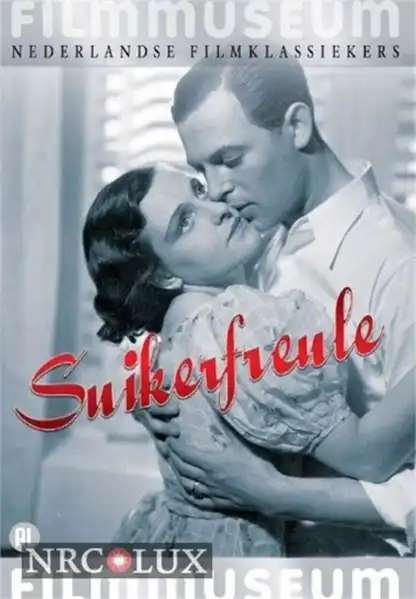
A definitive 6.1/10 rating for a film that redefined the boundaries of cult cinema. Suikerfreule remains a cornerstone of transgressive art.
Alright, so Suikerfreule. That name alone, it just sounds like a quiet, old-fashioned movie, doesn't it? And you'd be right. If you’re into vintage Dutch cinema, or you’re a fan of those big, dramatic stories where people keep secrets that explode later, this might just be for you. Anyone expecting quick cuts or modern sensibilities? You’ll probably find yourself checking your watch.
This film is a journey, not just for the main character, but for us watching it. We follow a woman, a 'freule' or lady, heading to the Dutch East Indies — what we know now as Indonesia. Her husband’s gone ahead for five years, and she’s off to join him. Sounds romantic enough, right? Then *wham*. She finds out he's got a grown daughter there already. From a previous marriage. A whole secret life.
The whole setup is just primed for drama. Christine van Meeteren, as the wife, she carries so much of that initial shock. Her face, you can just see the gears turning, the confusion, then the hurt. It’s not subtle acting, by today’s standards, but it's effective for its time.
Louis De Bree plays the husband, and he’s... well, he’s a piece of work. He has this look, almost apologetic, but also a bit defiant. Like he always knew this day might come, but hoped it wouldn't. His performance is very much in the theatrical style of the era, lots of grand gestures, maybe a bit stiff. But you feel his discomfort, or at least the movie tries very hard to make you feel it.
What really sticks out are the moments when the wife and this newly discovered daughter, played by Jacqueline Royaards-Sandberg, are on screen together. There's this tension. A silent battle. The daughter, she's not just some plot device; she has her own sense of belonging, or perhaps, *dis*belonging in this new dynamic.
The setting, 'Indonesia,' is mostly studio-bound. You get hints of the tropical, a few palm trees, some painted backdrops. It gives it this sort of dreamlike, almost artificial feel, which actually works for the heightened emotions of the story. It doesn't distract you with realism; it just lets the characters stew in their predicament.
Pacing is definitely from another era. There are long takes, silent moments that just stretch on. It forces you to sit with the characters, to absorb their expressions. Sometimes it’s _really_ effective, like when the wife just stares out a window, processing everything. Other times, you might wish they’d just get on with it, honestly.
There's a particular scene where the wife confronts her husband, and the camera just holds on her face. You can almost feel the movie trying to convince you this moment matters. And it does. It’s a quiet explosion, rather than a loud one. The way her hand trembles slightly when she reaches for a teacup? That’s the kind of small detail that actually lands.
The whole colonial backdrop is interesting, too. It's not the main point, but it's there, this idea of Dutch people in a foreign land, bringing their dramas with them. It adds a layer of complexity, even if the film doesn't deeply explore it. It’s just _part_ of the world these characters inhabit.
One thing that’s a little funny, or perhaps just a sign of the times, is how formal everyone is, even when their lives are falling apart. No one really yells. It’s all very polite, very contained, until it’s not. The emotional outbursts are more like controlled eruptions. It's quite a contrast to how films handle similar situations today.
Did you notice?
It’s an interesting watch, Suikerfreule, especially if you’re curious about how stories were told back then. It’s a slow burn, but it definitely delivers on the melodrama. Just be ready for the quiet.
IMDb 5.5
1918
Community
Log in to comment.