DbcultAccessing Vault...
4.1/10
Senior Film Conservator
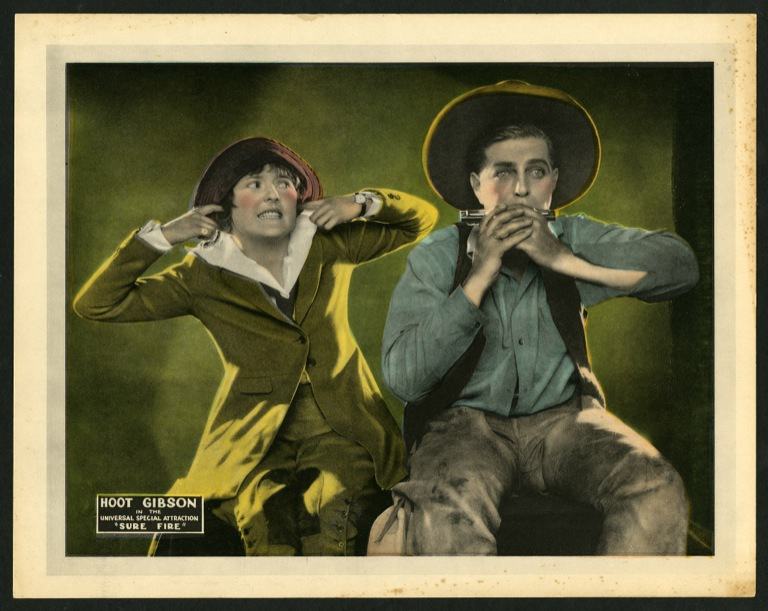
A definitive 4.1/10 rating for a film that redefined the boundaries of cult cinema. Sure Fire remains a cornerstone of transgressive art.
Sure Fire
, a 1927 western directed with aching precision by an ensemble of unsung artisans, is a film that lingers like the scent of sagebrush after a storm. It is a story ofland as legacy
andmen as mercenaries
, where the desert winds carry more than dust—they whisper of betrayal, redemption, and the cost of clinging to the past. At its core is Jeff Bransford (Jack Walters
), a rancher whose return to his ancestral acres is anything but triumphant. The land he once called home is now a pawn in a game of financial brinkmanship, its fate sealed by mortgages he didn’t ink and guards who treat him as an intruder. The film’s genius lies in its restraint: it never shouts its themes, but lets the parched earth and the glint of a revolver speak volumes.
The narrative unfolds in a series of glacial confrontations. Bransford’s arrival is met with the calculated indifference of the hired men, their postures rigid with the authority of those who’ve been paid to enforce a future he refuses to accept. The screenplay, penned by
Eugene Manlove Rhodes
, is a study in economy—dialogue is sparse but loaded, each line a bullet in the chamber. When Bransford declares, “This land isn’t just dirt. It’s my father’s bones,” the camera lingers on his face, the weight of generations etched into his features. The mercenaries, led by a coldly efficient figure (Steve Clemente
), respond not with words but with the glint of steel, their silence more menacing than any threat. This is a film where meaning is carved into every glance, every creak of a saddle, every gust of wind that threatens to erase the footprints of those who came before.What elevates
Sure Fire
beyond the typical western tropes is its nuanced exploration of masculinity. Bransford is no larger-than-life hero; he is a man of quiet fortitude, his strength measured in patience rather than gunplay. His adversaries, meanwhile, embody the antithesis of the rugged individualist myth—products of a system that values profit over principle. The film’s moral ambiguity is palpable: when Bransford resorts to violence, it is not with the righteous zeal of a vigilante but the reluctant resolve of a man who has lost everything to watch it vanish. Even the women in the film, particularlyMolly Malone

The visual language of
Sure Fire
is as deliberate as its narrative. The cinematography, though constrained by the technology of its time, uses stark contrasts to mirror the film’s internal conflicts. Wide shots of the ranch’s desolate expanse juxtapose the claustrophobia of tense indoor scenes, where shadows flicker like the uncertain future of the Bransford estate. One particularly striking sequence—a standoff between Bransford and the mercenaries under a blood-red sunset—captures the film’s essence in a single frame: the land, the men, and the inevitability of conflict. The editing is taut, with cross-cuts that build tension without melodrama, allowing the audience to feel the pulse of the story rather than dictate it.Performance-wise, Walters delivers a masterclass in understatement. His Bransford is a man who wears his burdens like a second skin, his stoicism cracking only when the weight of history becomes unbearable. Clemente’s antagonist is a study in icy detachment, his every gesture calculated to assert control. The supporting cast, though less flashy, adds texture to the world—
Mary Philbin
as a neighbor with a heart of gold andMurdoch MacQuarrie

Thematically,
Sure Fire
is a meditation on the American Dream’s shadow side. The Bransfords’ land is a relic of a bygone era, now commodified and stripped of its romantic allure. The film’s exploration of financial ruin is particularly prescient, echoing the anxieties of the time while foreshadowing the Great Depression’s grip on the nation. The mercenaries, hired to enforce a system that prioritizes capital over character, are not villains in the traditional sense but products of a broken economy. Their presence is a grim reminder that even in the wild west, survival often demands compromise.Comparisons to other films of the era are instructive. Like The Road to the Dawn,
Sure Fire
grapples with the tension between progress and tradition, though it does so with a grittier, more morally complex lens. Where Perpetual Motion leans into the genre’s more fantastical elements, this film grounds itself in the visceral reality of a man’s struggle to reclaim his identity. The relationship between Bransford and his adversaries also echoes the adversarial dynamics in The Lone Star Ranger, though here the conflict is less about law and order and more about the erosion of personal agency.
The film’s score, though uncredited in most archives, deserves mention for its subtle yet effective use of leitmotifs. A haunting violin weaves through key scenes, its melancholic strains underscoring the tragedy of a land and a man caught in the machinery of modernity. The sound design, for a silent film, is surprisingly dynamic—creaking doors, the distant howl of a coyote, and the metallic clink of a holster being fastened all contribute to an aural tapestry that immerses the viewer in the film’s world.
In the grand tapestry of 1920s cinema,
Sure Fire
stands out as a film that refuses to sanitize its subject matter. It does not offer easy resolutions or tidy moralizing. Instead, it presents a world where survival is a negotiation, and where the line between hero and antihero is as blurred as the horizon at dusk. The final act, in which Bransford’s fate is left ambiguous, is a masterstroke of narrative restraint. It invites the audience to ponder not just the film’s events but their own complicity in systems that reduce human lives to transactions.For modern viewers,
Sure Fire
is a revelation. It strips away the gloss of revisionist westerns to reveal the genre’s core: a story of people grappling with the forces that shape their lives. Its themes of economic precarity and the commodification of land resonate with unsettling clarity in an age of climate crises and corporate overreach. The film’s legacy lies not in its technical innovations—though its direction is assured—but in its unflinching gaze into the soul of a nation in transition.In conclusion,
Sure Fire
is a triumph of cinematic minimalism. It is a film that trusts its audience to sit with discomfort, to find meaning in silence, and to see in its stark visuals a reflection of their own world. For those willing to engage with its quiet power, it offers not answers, but questions that linger long after the credits roll. As the final shot lingers on Bransford’s back, his silhouette merging with the mountains he calls home, one cannot help but feel the weight of all that has been lost—and all that remains.
IMDb 6.1
1935
Community
Log in to comment.