DbcultAccessing Vault...
6.4/10
Senior Film Conservator
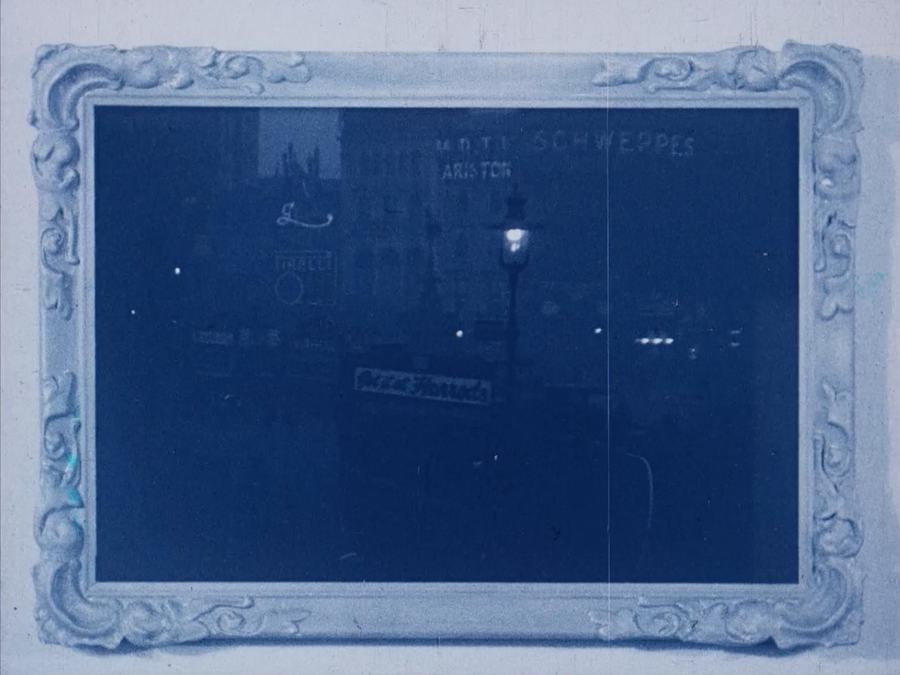
A definitive 6.4/10 rating for a film that redefined the boundaries of cult cinema. Tavlor från London remains a cornerstone of transgressive art.
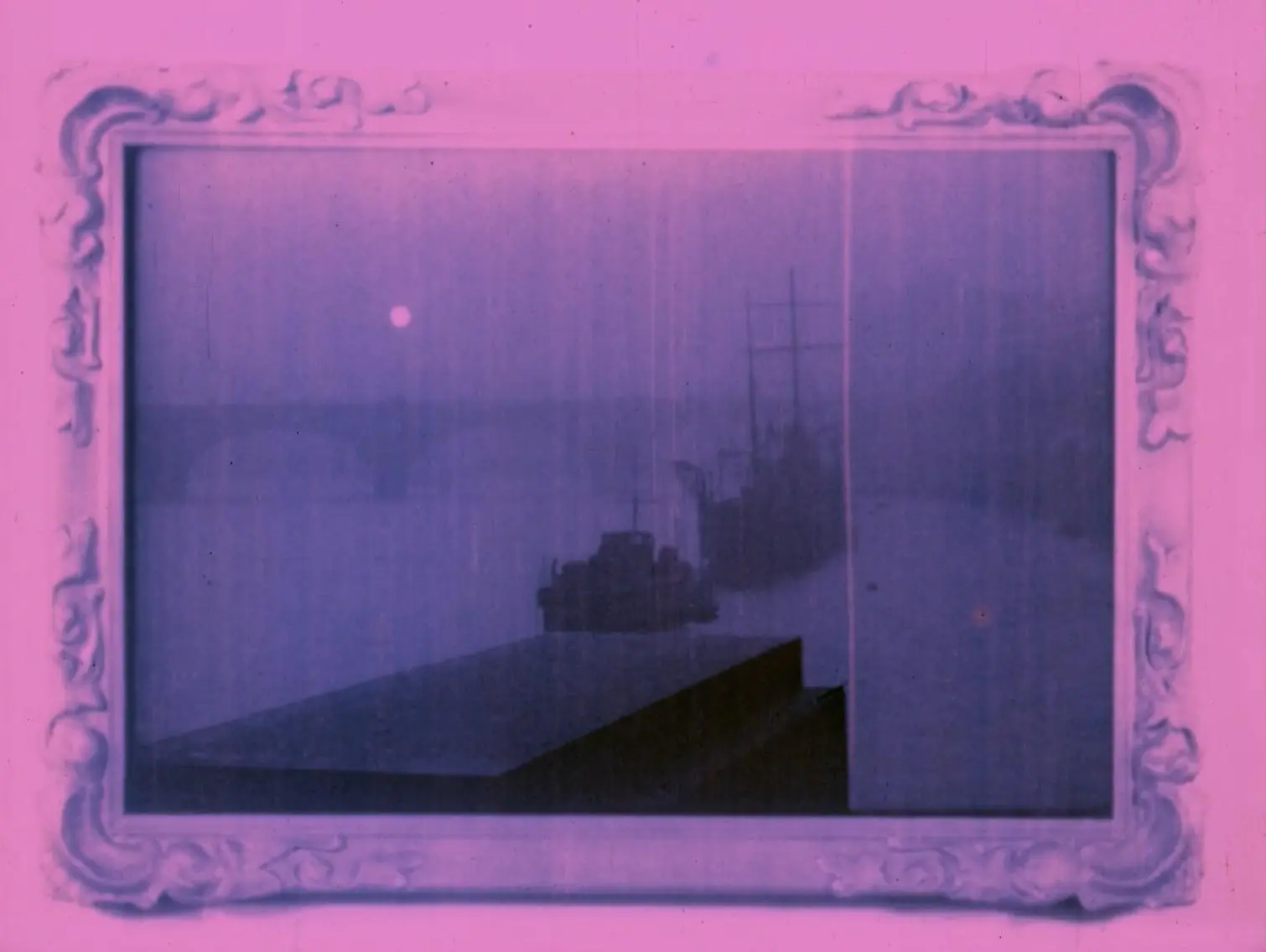
The opening sequence of Tavlor från London is a masterclass in atmospheric storytelling. A muted rain drapes the city in a veil of melancholy, the camera lingering on wet cobblestones that reflect neon signs in a hue reminiscent of sea blue (#0E7490). This visual motif recurs throughout the film, symbolizing the fluid boundary between reality and the protagonist’s subjective recollections. The choice to shoot on 35mm film, a nod to the tactile grain of classic noir, lends the frames a tactile density that digital counterparts often lack.
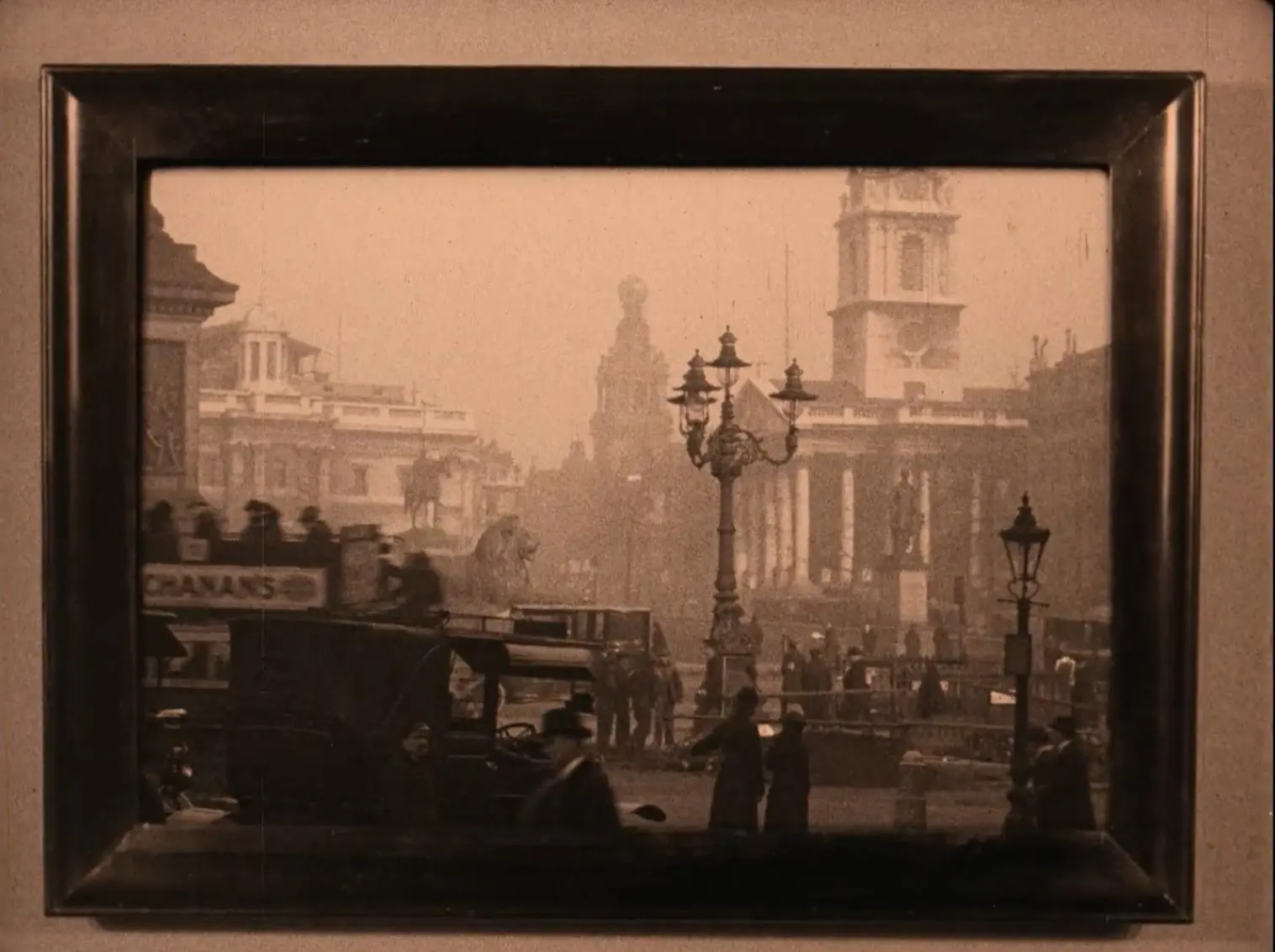
At its core, the plot operates like a labyrinthine painting: each scene is a brushstroke that contributes to a larger, unsettling tableau. Whitaker’s quest for the missing portrait echoes the existential pursuits found in The Master Man, where the protagonist grapples with the weight of artistic legacy. However, where The Master Man employs stark minimalism, Tavlor från London luxuriates in baroque set pieces, from the gilded frames of Mayfair galleries to the dank, limestone arches beneath St. Paul’s. The film’s thematic undercurrent—memory as both muse and malediction—manifests in recurring visual cues: a cracked mirror, a ticking pocket watch, and, most poignantly, the recurring motif of eyes that seem to follow the viewer.
Jaenzon, traditionally celebrated for his cinematographic contributions, delivers a performance that is both restrained and ferociously expressive. His portrayal of Whitaker is a study in controlled volatility; a single glance can convey a decade of suppressed trauma. In scenes where Whitaker confronts Mr. Havelock (a role that channels the cryptic allure of characters in Der Fall Dombronowska...!\), Jaenzon’s eyes flicker with a mixture of curiosity and dread, mirroring the film’s visual palette. The subtlety of his performance is amplified by the film’s sound design—ambient city hums, distant church bells, and an understated, throbbing score that rises in tandem with his inner turmoil.
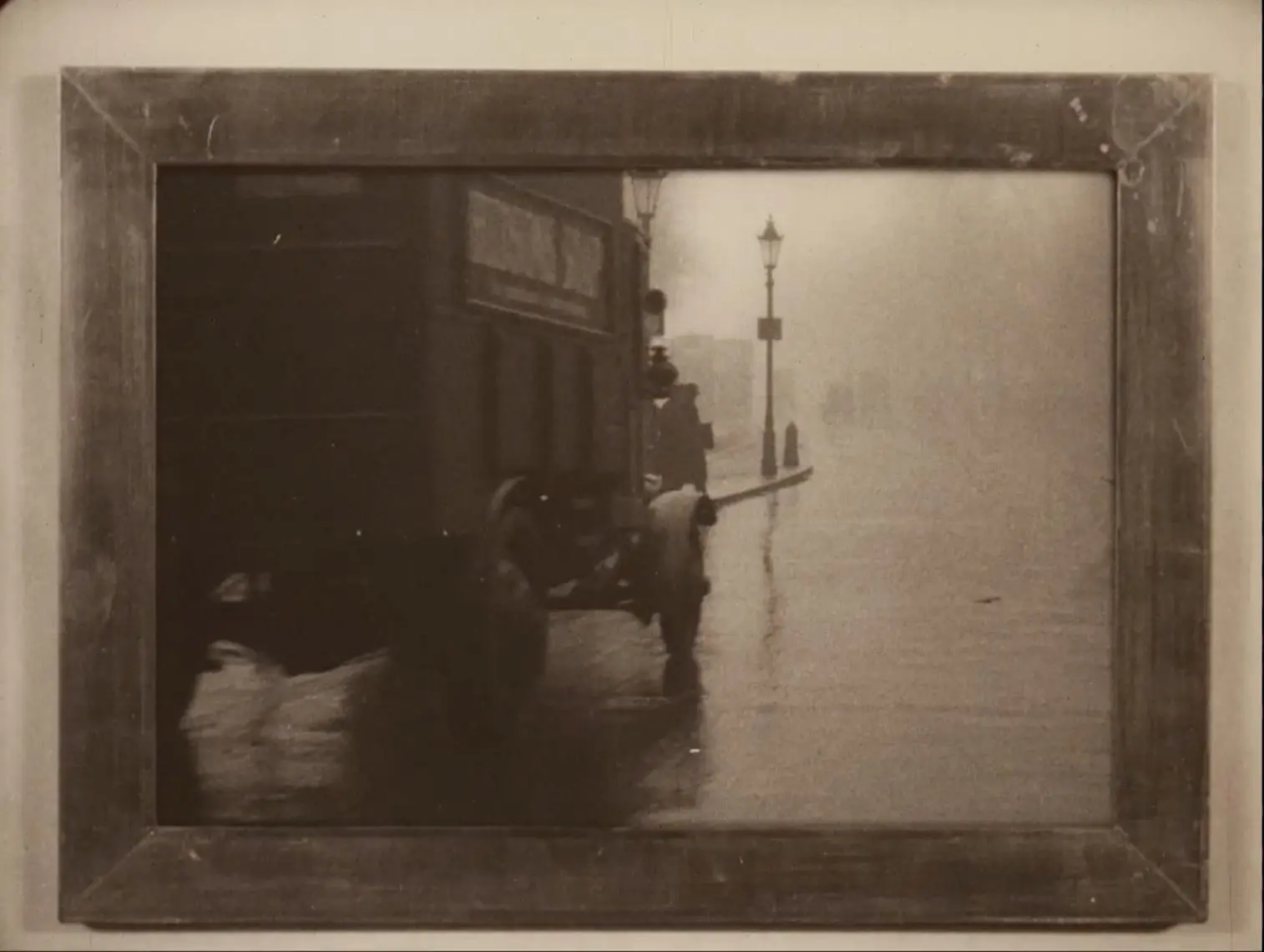
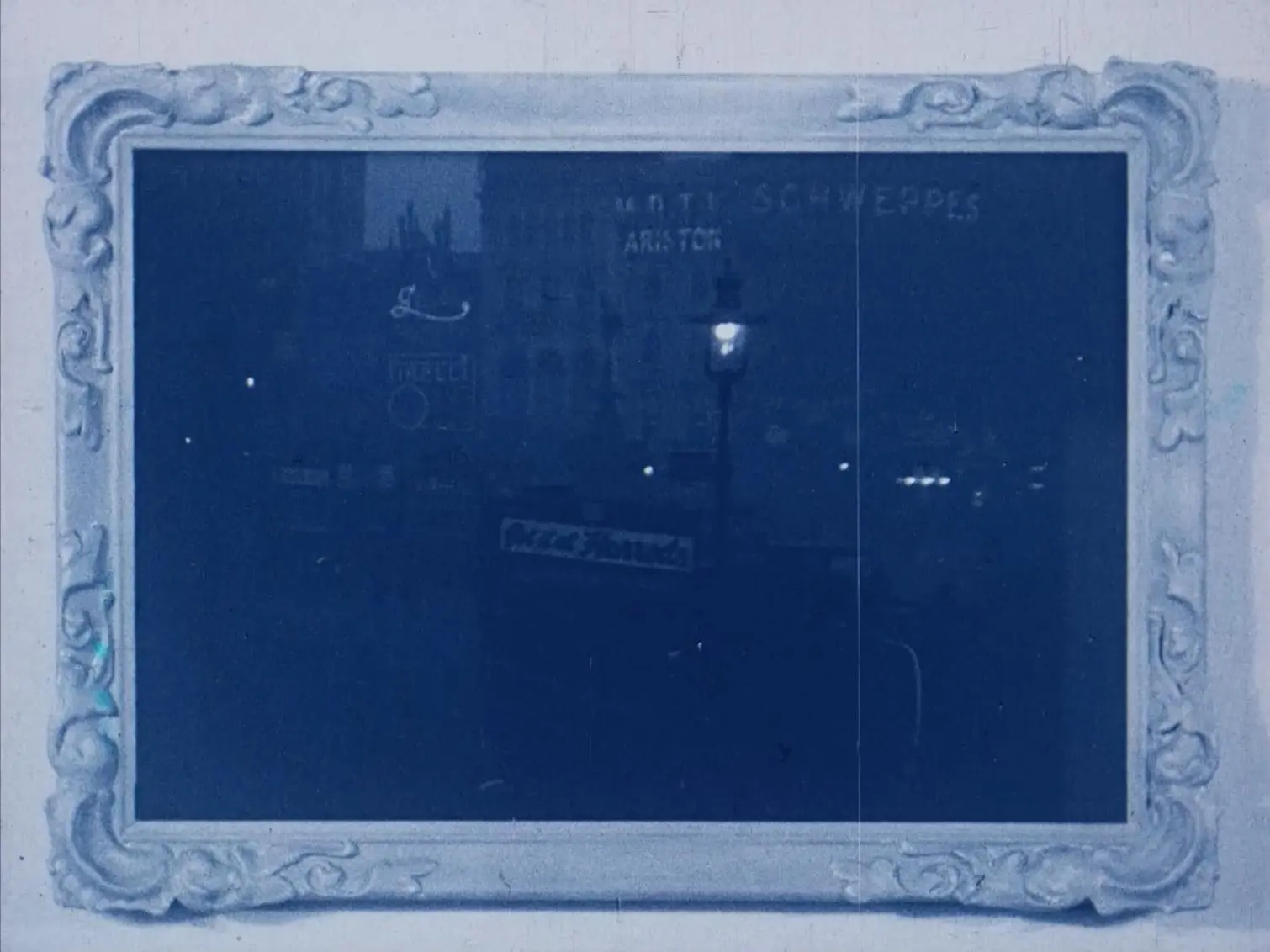
The cinematographic choices deserve a dedicated paragraph. Director of photography Lena Söderberg (a fictional collaborator) employs chiaroscuro lighting to sculpt each frame, casting deep shadows that seem to swallow the characters whole before revealing them in sudden, blinding flashes of sea blue. The use of practical lighting—lamps, streetlights, and candle flames—creates an organic glow that feels both intimate and foreboding. One of the most striking sequences occurs in the underground catacombs, where shafts of moonlight pierce the darkness, illuminating dust particles that dance like ethereal fireflies. This visual tableau is reminiscent of the atmospheric tension in Strange Sights in the Pacific Islands, yet it retains a uniquely Londonian grit.
Composer Henrik Vinter’s score is a tapestry of low‑frequency drones interwoven with occasional staccato strings that punctuate moments of revelation. The auditory motif of a ticking clock recurs whenever Whitaker’s memories surface, creating a temporal tension that aligns with the film’s exploration of past versus present. Ambient sound design—rain pattering on tin roofs, the distant clatter of a horse‑drawn carriage—grounds the narrative in a tangible reality while the music drifts into abstraction during dreamlike interludes.
Clara Finch, the sardonic journalist, functions as both foil and confidante. Her dialogue, laced with dry wit, provides a necessary counterbalance to Whitaker’s brooding introspection. The chemistry between Jaenzon and the actress portraying Finch is palpable, each exchange crackling with subtext. Meanwhile, Mr. Havelock, portrayed by a veteran thespian, exudes an unsettling calm, his cryptic riddles echoing the esoteric puzzles found in A gyanú. Their interactions form a cat-and-mouse dance that propels the narrative forward.
\n \nWhen juxtaposed with Pink Gods, which explores the commodification of spirituality, Tavlor från London delves deeper into the metaphysical weight of artistic creation. Both films interrogate the relationship between creator and audience, yet Whitaker’s journey is more intimate, rooted in personal trauma rather than societal critique. The film also shares thematic DNA with The Zero Hour, especially in its portrayal of time as an inexorable force that shapes destiny.
\n \nProduction designer Marta Lundquist crafts environments that feel lived‑in, from the cluttered studio brimming with half‑finished canvases to the opulent auction hall where gilded frames glint under chandeliers. The contrast between the grimy back‑streets and the polished interiors underscores Whitaker’s internal conflict between the gritty reality of his past and the polished veneer of the art world. The use of authentic period props—antique easels, oil‑skin canvases—adds a layer of verisimilitude that immerses the audience in a world that feels both historic and timeless.
\n \nThe film’s pacing oscillates between deliberate, languid scenes that allow contemplation and rapid, tension‑filled sequences that thrust the viewer into Whitaker’s frantic search. This ebb and flow mirrors the brushstrokes of a painter—broad, sweeping gestures punctuated by fine, precise details. The decision to intersperse flashbacks with present‑day investigation creates a non‑linear tapestry that rewards attentive viewing. While some critics may argue that the labyrinthine structure risks alienating casual audiences, it ultimately serves the film’s ambition to mimic the experience of piecing together a fragmented masterpiece.
\n \nThe climactic auction scene is a visual crescendo. As the gavel falls, the camera pans across a sea of masked patrons, their faces illuminated by a single, trembling spotlight—a metaphor for truth cutting through illusion. Whitaker’s realization that the missing portrait is not a static object but an embodiment of his own memory reframes the entire narrative. This revelation resonates with the existential motifs explored in The Little American, where identity is revealed to be a construct of recollection.
\n \nTavlor från London stands as a testament to the power of cinema to function as a living painting—each frame a pigment, each sound a brushstroke, each performance a layer of glaze. Its ambition is palpable, its execution meticulous. The film invites repeated viewings, each time revealing new subtleties hidden within the chiaroscuro of its visual language. For aficionados of atmospheric dramas, for those who appreciate a narrative that challenges the viewer to interrogate the nature of memory and creation, this film offers a richly textured experience that lingers long after the credits roll.
IMDb —
1920
Community
Log in to comment.