DbcultAccessing Vault...
Cult Review
Senior Film Conservator
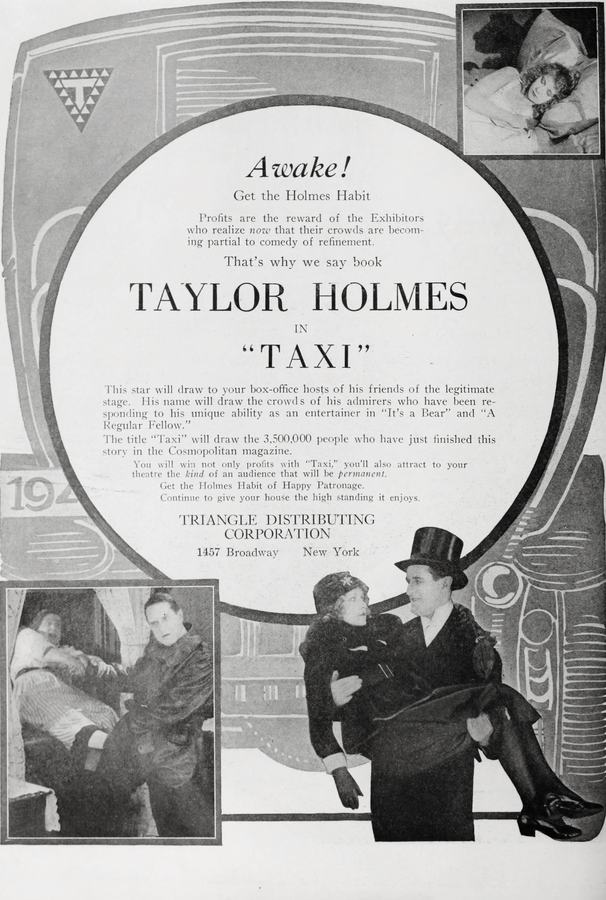
The flickering magic of early cinema often captured the grand narratives of human experience with an earnest simplicity that belies their intricate emotional tapestry. George Agnew Chamberlain's screenplay for Taxi, a 1921 silent film, is a quintessential example of this phenomenon, weaving a tale of capricious fortune, unexpected love, and the perennial struggle between ambition and integrity. It is a cinematic ride that, despite its vintage, still resonates with themes that remain remarkably contemporary.
At its core, Taxi is a delightful exploration of social mobility and the arbitrary nature of wealth. We are introduced to Robert Hervey Randolph, portrayed with a nuanced blend of aristocratic charm and underlying vulnerability by Taylor Holmes. His existence is sustained by a peculiar ten-thousand-dollar annual stipend, a financial stopgap contingent upon the failure to locate the rightful heir to a substantial fortune. This precarious prosperity, however, is insufficient for the mercenary affections of Madge Van Tillier, played by Olive Trevor, who, with a calculated coldness, jilts Robert, casting him adrift in the choppy waters of financial uncertainty. Trevor’s portrayal of Madge is appropriately unsympathetic, making her a clear catalyst for Robert's subsequent transformation rather than a source of genuine heartache.
The narrative truly ignites during a pivotal taxi ride, a setting that, in hindsight, lends the film its evocative title and much of its symbolic weight. Here, Robert encounters Imogene Pamela Thorton, a spirited chorus girl brought to life by Irene Tams. Tams imbues Pam with an effervescent charm and a resilient spirit, making her an immediate and appealing contrast to the calculating Madge. Robert’s chivalrous intervention, rescuing Pam from the clutches of the unsavory Duke Beamer (Henry Sedley, whose villainy is deliciously overt), sets in motion a chain of events that irrevocably alters his trajectory. This heroic act, however, carries an unforeseen consequence: Pam is, in fact, the long-lost heiress, a revelation that instantly dissolves Robert’s annual income. The irony is palpable: his noble deed directly leads to his financial ruin, a plot device that brilliantly underscores the film's central commentary on the unpredictability of fate.
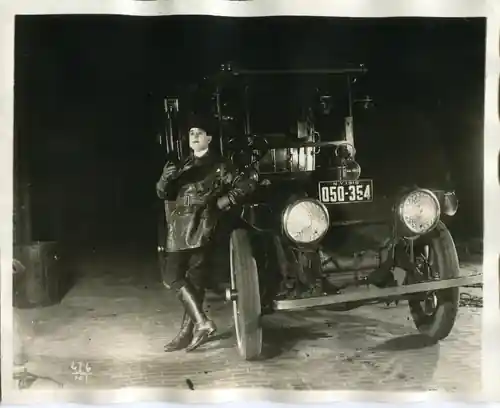
Stripped of his former life, Robert, with admirable stoicism, embraces a new path, becoming a taxi driver. This transition from gentleman of leisure to working man is handled with a commendable lack of melodrama, highlighting the character's inherent resilience. It's a journey that echoes the thematic shifts seen in other films of the era, where characters are often forced to confront harsh realities and redefine their identities. One might draw a parallel, though perhaps a loose one given the tonal differences, to the resilience portrayed in Charlie Chaplin’s The Kid (1921), where characters navigate poverty with a surprising degree of grace and determination, albeit through a comedic lens. While Taxi doesn't possess Chaplin's comedic genius, it shares a similar thread of human spirit enduring adversity.
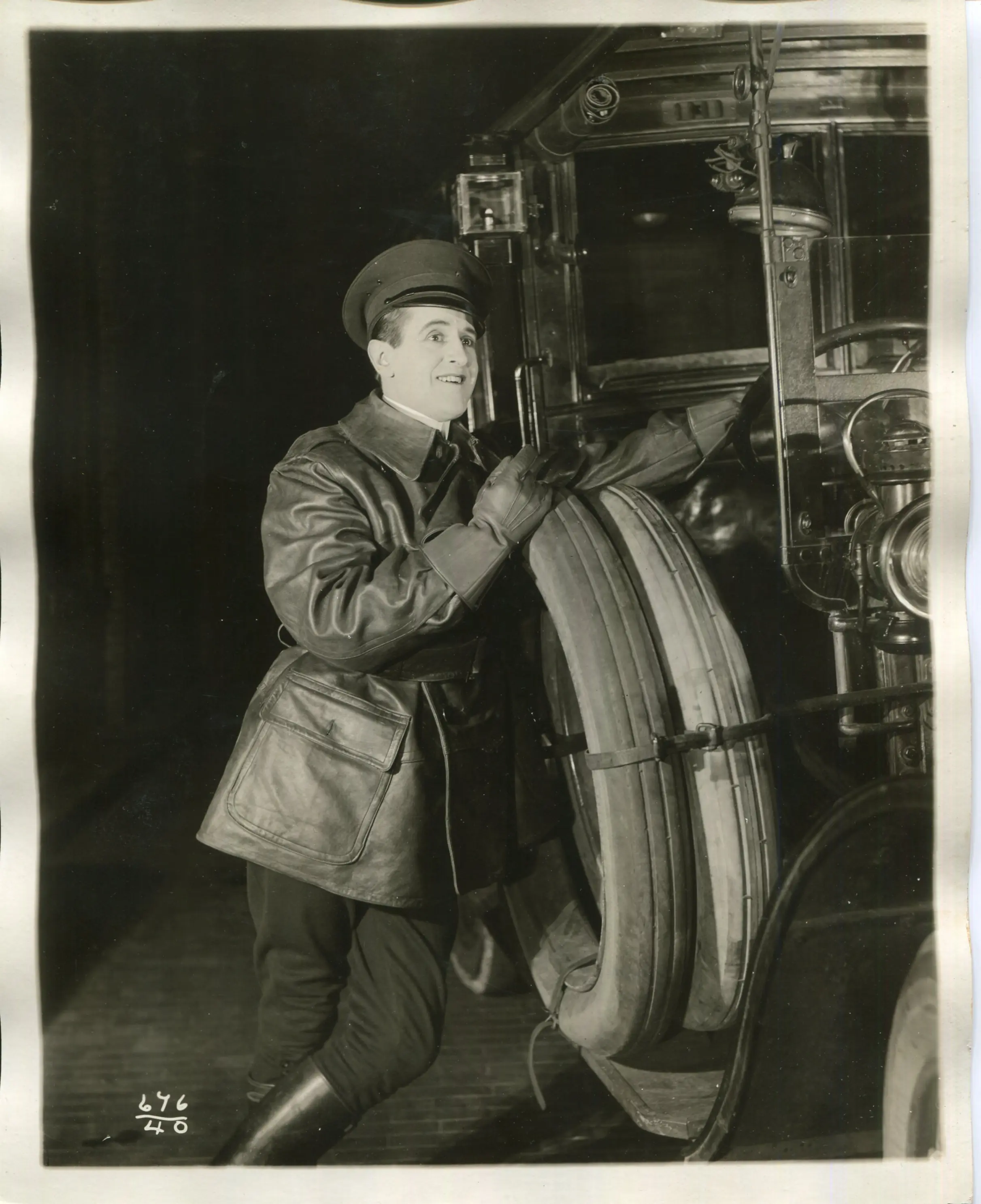
The plot thickens with the revelation that a significant portion of Pam's inheritance is tied to the Ajax Taxi Company, the very enterprise where Robert now earns his living. This narrative convergence is a clever stroke of screenwriting, bringing the protagonist and his newly found love interest into closer proximity within the professional sphere. The return of Duke Beamer, now intent on sabotaging Ajax, introduces a renewed sense of urgency and conflict. Sedley’s Beamer is a wonderfully hissable villain, embodying the era's archetype of unscrupulous ambition. His schemes are delightfully transparent, providing Robert ample opportunity to showcase his newfound resourcefulness and integrity.
The confrontation between Robert and Beamer is a satisfying climax, culminating in Robert’s triumph. This victory is not merely personal; it secures the future of the Ajax Taxi Company and, by extension, Pam's inheritance. The resolution sees Robert elevated to the position of vice-president, a testament to his character and ingenuity. This upward trajectory, from jilted gentleman to taxi magnate, is a classic rags-to-riches arc, albeit one that begins with a fall from grace. It's a narrative trope often explored in silent cinema, where hard work and moral fortitude are ultimately rewarded. Films like A Rich Man's Plaything (1917) or The Pawn of Fortune (1914) often grappled with the fickle nature of wealth and the pursuit of success, though Taxi approaches it with a more direct, almost charmingly straightforward sense of justice.
The performances in Taxi are a testament to the expressive power of silent film acting. Taylor Holmes, as Robert, carries the emotional weight of the film with considerable grace. His transformation from a somewhat passive recipient of fortune to an active architect of his destiny is compelling. He conveys a range of emotions – disappointment, determination, burgeoning affection – with subtle gestures and facial expressions that speak volumes. Irene Tams' Pam is equally engaging, her vivacity providing a vital counterpoint to Robert's initial melancholia. Her portrayal avoids the common pitfalls of damsel-in-distress tropes, presenting a woman with agency and spirit.
The supporting cast, including Lillian Hall, Maude Eburne, and Jane Jennings, contribute to the film's vibrant atmosphere, each bringing a distinct flavor to their respective roles. Fred Tiden, though perhaps in a smaller capacity, also adds to the rich tapestry of characters. The direction, while not overtly flashy, is competent and ensures the narrative flows smoothly, keeping the audience engaged through its various twists and turns. The cinematography, typical of its era, focuses on clear storytelling, utilizing intertitles effectively to convey dialogue and exposition without disrupting the visual rhythm.
Beyond its engaging plot, Taxi offers a fascinating glimpse into the social mores and aspirations of the early 20th century. The emphasis on inherited wealth, the perceived necessity of financial stability for marriage, and the inherent dangers of unscrupulous business practices are all themes that would have resonated deeply with contemporary audiences. The film subtly critiques the superficiality of wealth-driven relationships while championing genuine affection and hard-earned success. The romantic subplot between Robert and Pam, culminating in their union, provides the emotional heart of the story, affirming the power of love to transcend social and financial barriers.
One could compare the film's exploration of romantic entanglements and social expectations to other period pieces, such as The Marriage Speculation (1917), which similarly delves into the complexities of unions driven by factors beyond pure affection. However, Taxi distinguishes itself with its specific blend of comedic irony and dramatic consequence. The film, in its own charming way, suggests that true fortune lies not in inherited wealth, but in personal integrity, resilience, and the capacity for genuine connection.
While the world of 1921 might seem distant, the human emotions and narrative arcs presented in Taxi remain remarkably accessible. The film serves as a potent reminder of cinema's enduring ability to capture the universal human experience. It's a story of losing everything only to gain something far more valuable: self-reliance, true love, and a purpose-driven existence. The journey of Robert Hervey Randolph, from an accidental beneficiary to a self-made man and a beloved partner, is a testament to the transformative power of adversity and the unexpected turns life can take.
In an era marked by rapid social change and technological advancement, Taxi stands as a charming artifact, a silent film that speaks volumes about the enduring appeal of a good story well told. Its blend of romantic melodrama, financial intrigue, and character redemption makes it a compelling watch for anyone interested in the foundational narratives of early Hollywood. It's a journey worth taking, even a century later, proving that some stories, much like a reliable taxi, will always get you where you need to go, perhaps even to an unexpected destination of delight.
The film's exploration of fate and individual agency is particularly noteworthy. Robert doesn't simply wait for destiny; he actively shapes it, albeit after being forced into a corner. This active participation in his own narrative sets him apart from more passive protagonists often seen in melodramas of the time. He embodies a nascent form of the modern hero who, despite initial setbacks, rises to the occasion. This proactive stance is what ultimately differentiates Taxi from mere escapist entertainment, elevating it to a more thoughtful commentary on the human spirit's capacity for adaptation and triumph. It's a delightful cinematic relic that deserves rediscovery and appreciation for its narrative ingenuity and heartfelt performances.
IMDb —
1919
Community
Log in to comment.