DbcultAccessing Vault...
Cult Review
Senior Film Conservator
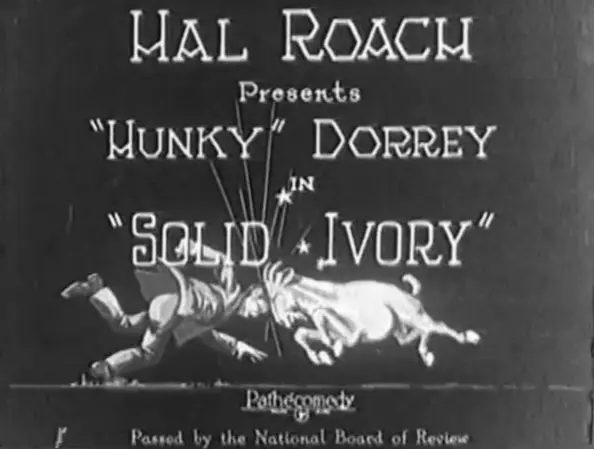
Short answer: Yes, if you're hungry for boxing cinema that prioritizes emotional truth over flash. No, if you demand narrative innovation or character redemption arcs. This is a film that wears its cynicism on its sleeve — and its fighters' scars.
This film works because Hal Roach weaponizes the ring like a character itself, using its ropes and steel to mirror the protagonists' psychological traps. Al Ochs' nuanced performance as the aging pugilist crackles with the weight of a man who's seen every trick in the book. The film fails because its bleak fatalism sags in the second act, turning what could be a tragic arc into a maddening loop of poor choices.
You should watch it if: You're a boxing enthusiast who appreciates technical jargon and ring choreography. You enjoy stories where characters' flaws are their fatal attractions. You're in the mood for a film that feels like a punch to the gut — in the best way possible.
Al Ochs brings a weathered authenticity to the lead role, his body language speaking volumes before a single line is delivered. In one particularly gripping scene, he stares down a mirror in a seedy hotel room, the reflected image of his younger self a silent antagonist in his monologue. Earl Mohan's manager is a masterclass in subtlety — his calculated grins mask a man who's lost more than he admits. The chemistry between these two is combustible, a slow-burn rivalry that simmers just below the surface of their professional facade.
Bud Ross' supporting role as a washed-up cutman provides an unexpected emotional anchor. His quiet confession about burying a brother in the ring adds a haunting depth to the film's central theme of boxing as a family of outcasts. This is acting that doesn't just inhabit character — it excavates the bones of their souls.
Hal Roach's direction is the real knockout here. He frames every fight scene as a microcosm of the characters' internal struggles — notice how the camera circles the ring in increasingly erratic spirals as the protagonist's confidence erodes. In one standout sequence, a brutal knockout is shot in reverse, the rising body floating like a balloon while the crowd's cheers morph into a dissonant cacophony.
The decision to shoot training montages in monochrome while keeping the ring scenes in vivid color is a masterstroke. It's a visual metaphor for how boxing transforms ordinary men into mythic figures — and then strips them down again. Roach trusts his audience to read between the lines, letting silence speak where dialogue would feel forced.
The film's visual language is as precise as a jab to the chin. The long take during the championship fight is a modernist tour de force — the camera moves with the fighters, sometimes obscuring their faces in the crowd's shadows, other times catching their reflections in the ring's steel. The use of negative space is particularly effective; characters often stand alone in vast, empty rooms, their isolation as stark as the sound of a gong in a silent gym.
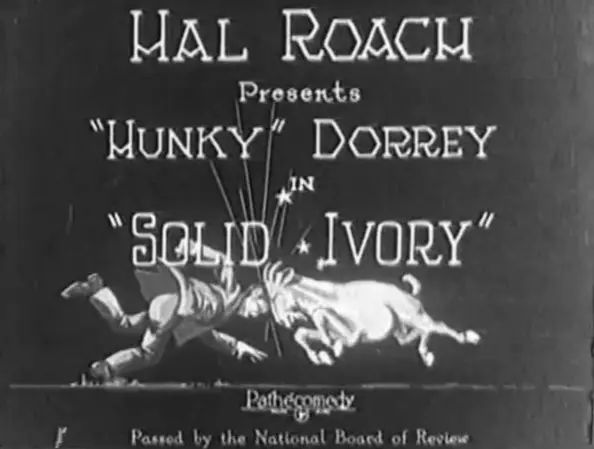
One haunting shot lingers on the manager's hands — calloused and stained with talcum powder — as he counts his earnings. These hands, which have built and destroyed careers, become a silent protagonist in their own right. The film's palette of greys and blood-red accents creates a visual tension that mirrors the characters' emotional seesaw.
The first act crackles with the urgency of a title shot, but the second act stumbles into a predictable rhythm. A subplot about the manager's financial gambles feels tacked on, its resolution arriving with the subtlety of a body blow. The final act redeems itself with a closing sequence that's both brutal and beautiful — a post-fight interview where the protagonist's trembling jawline tells more than any dialogue could.
The film's pacing mirrors boxing's own structure: three rounds of rising tension, a climactic knockout, and then the slow fade. But unlike a well-paced fight, the story lacks the strategic pauses that let themes settle. It's as if the director couldn't decide whether to deliver a body blow or a finishing punch.
Best for: Boxing purists, fans of character-driven cinema, and viewers who appreciate films that linger in the moral grey areas of ambition.
Not for: Those seeking uplifting stories or traditional redemption arcs. The film's unflinching portrayal of the sport's brutality may unsettle some audiences.
Standout element: The fight choreography, which seamlessly blends technical accuracy with emotional resonance. One sequence where the protagonist's eye is swollen shut is choreographed with such precision that you forget it's a staged fight.
Biggest flaw: The film's refusal to soften its edges. While this commitment to realism is admirable, it makes for a grueling watch at times.
*Solid Ivory* is a film that demands to be seen in a single sitting — and then reconsidered. It's not perfect, but it's unapologetically honest about the costs of glory. If you're looking for a boxing movie that's less *Rocky* and more *Raging Bull*, this is your fight. For every viewer who walks away with a new appreciation for the sport's poetry, there'll be another who's left bruised by its cynicism. Either way, it's a film that refuses to look away — from the beauty or the brutality.
Yes if you want to see boxing as a character study, not a sport. No if you prefer happy endings. This film is a masterclass in creating tension from silence and a warning shot about the costs of obsession.
IMDb —
1925
Community
Log in to comment.