DbcultAccessing Vault...
Cult Review
Senior Film Conservator
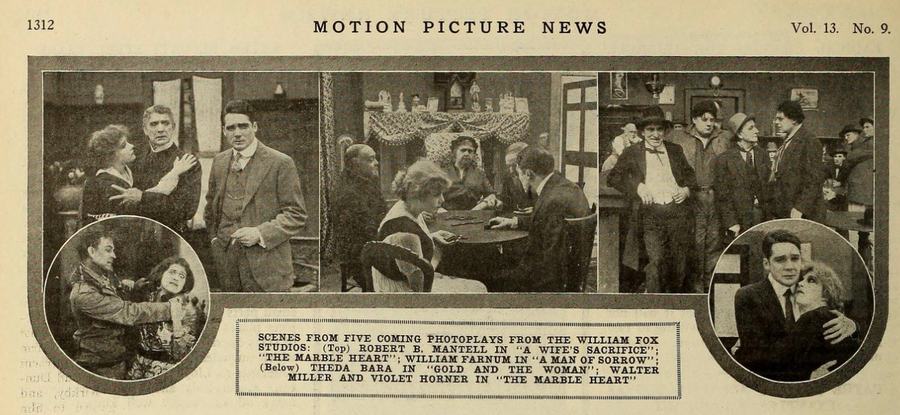
The cinematic tapestry of early 20th-century filmmaking often presented narratives of grand scope, yet few managed to intertwine personal tribulation with epochal conflict quite as compellingly as Gold and the Woman. This isn't merely a tale of a damsel in distress; it's a stark, often brutal, examination of how the maelstrom of revolution can strip away the veneer of societal stratification, exposing the raw human spirit beneath. The film plunges us into the heart of the Mexican Revolution, not as a distant historical event, but as an immediate, life-altering force that reshapes destinies and redefines the very essence of worth.
At its core, Gold and the Woman chronicles the dramatic downfall and subsequent re-emergence of an aristocratic Mexican daughter. Born into a world of opulence and inherited privilege, her existence is abruptly upended when the revolutionary fervor sweeps across her homeland. Her initial naiveté, a byproduct of her sheltered upbringing, is quickly dismantled, replaced by a grim pragmatism born of necessity. The narrative arc traces her arduous pilgrimage from a life of effortless grace to one of desperate survival, where every decision carries the weight of life or death, and every encounter is fraught with peril. It's a testament to the enduring human capacity for adaptation, even when confronted by the most dire circumstances.
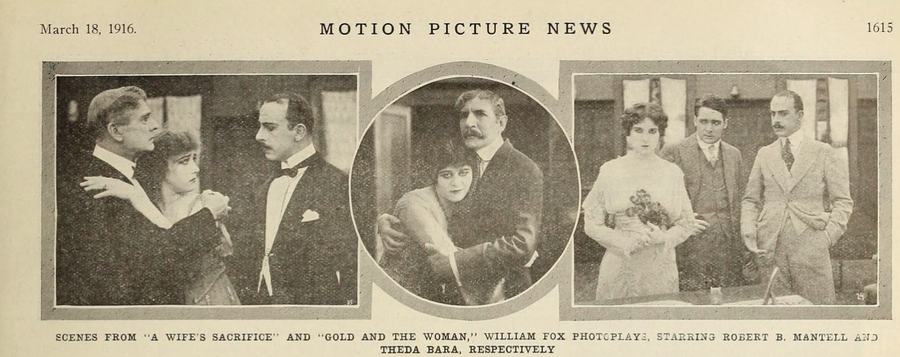
Central to the film’s magnetic appeal is the electrifying presence of Theda Bara. Known predominantly for her 'vamp' persona, a seductive and dangerous siren who captivated audiences of the silent era, Bara here brings a fascinating complexity to her role. While vestiges of her signature allure remain, they are subtly recontextualized. She is not merely a temptress, but a woman whose inherent strength, previously dormant under layers of societal expectation, is awakened by the crucible of revolution. Bara’s performance is a masterclass in silent acting, her expressive eyes and nuanced gestures conveying a spectrum of emotions – fear, defiance, sorrow, and ultimately, an indomitable will to live. She doesn't just portray a character; she embodies the very spirit of a nation in turmoil, reflecting its pain, its struggle, and its defiant hope.
Her portrayal transcends the typical melodrama often associated with films of this period. Instead of a passive victim awaiting rescue, Bara’s character actively engages with her predicament, making difficult choices and demonstrating remarkable resourcefulness. This departure from conventional female archetypes of the era makes her performance particularly noteworthy, echoing the burgeoning sense of female agency that would slowly permeate cinematic narratives. One might draw a thematic parallel to Carmen (1915), another vehicle for Bara's potent screen presence, where her character also wields a formidable, albeit tragic, autonomy. However, in Gold and the Woman, the struggle is less about romantic entanglement and more about the fundamental fight for existence against a backdrop of national upheaval.

The Mexican Revolution, often romanticized or simplified in popular culture, is presented in Gold and the Woman as a relentless, multifaceted entity. It is not merely a backdrop, but an active participant, a force of nature that indiscriminately sweeps away the old order, demanding a new kind of resilience from its survivors. The film captures the chaotic energy of this period, from the sudden raids and skirmishes to the widespread displacement and famine that afflicted countless lives. The filmmakers, Mary Murillo and Daniel Roosevelt, craft a narrative that, despite its melodramatic flourishes, attempts to convey the profound societal disruption caused by such a conflict. The imagery of burning haciendas and desperate refugees paints a vivid, albeit silent, picture of the revolution’s devastating reach.
The 'travails' endured by the protagonist are not merely episodic misfortunes; they are systemic consequences of a crumbling social structure. She witnesses firsthand the brutality of both sides, the arbitrary nature of justice, and the sheer desperation that drives people to extremes. This immersive experience forces her to confront harsh realities that her sheltered life had previously obscured. The film subtly critiques the inherent fragility of wealth and status when confronted by the raw power of collective unrest. In this regard, it shares a thematic resonance with films that explore societal collapse and individual survival, albeit through different lenses. For instance, while On the Firing Line with the Germans offered a more documentary-style glimpse into a different conflict, Gold and the Woman leverages narrative drama to explore the deeply personal impact of such large-scale events.
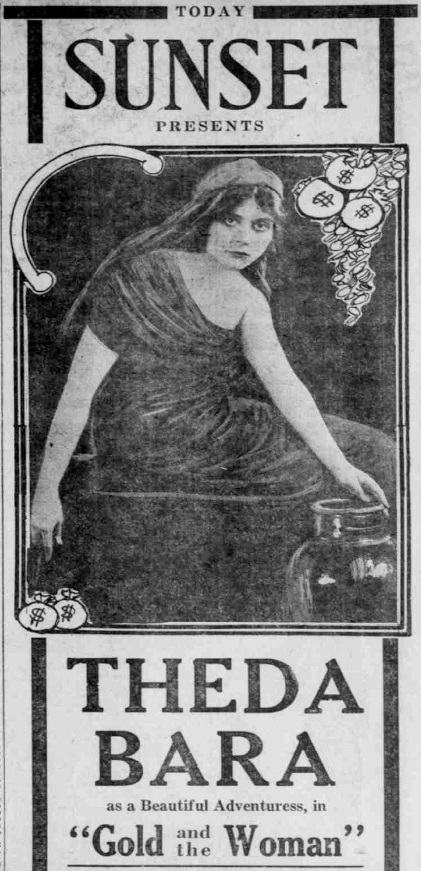
The most compelling aspect of the film is undoubtedly the protagonist's profound transformation. Initially, her world is defined by the rigid class structures of pre-revolutionary Mexico. She is a symbol of the elite, her identity intertwined with her family's land, wealth, and social standing. The revolution systematically dismantles these external markers of identity, forcing her to shed the trappings of her former life. We witness her progression from a woman who perhaps never had to make a difficult choice, to one who must constantly adapt, improvise, and fight for her very existence. This journey is not without its moral ambiguities, as survival often demands compromises that challenge one’s inherent principles.
Her interactions with various factions and individuals throughout the conflict further shape her worldview. She encounters both cruelty and unexpected kindness, betrayal and steadfast loyalty, learning that character is not always dictated by social rank. This evolution is subtly portrayed through Bara's performance, her initial wide-eyed innocence slowly hardening into a steely resolve. The film suggests that true 'gold' is not the material wealth she loses, but the inner strength and wisdom she gains through adversity. This thematic exploration of inner resilience, where external circumstances force an individual to tap into an unforeseen wellspring of courage, finds echoes in other dramas of personal struggle, though perhaps less overtly political. Consider the profound personal journey depicted in The Italian, where a protagonist faces different but equally challenging societal pressures and moral dilemmas.
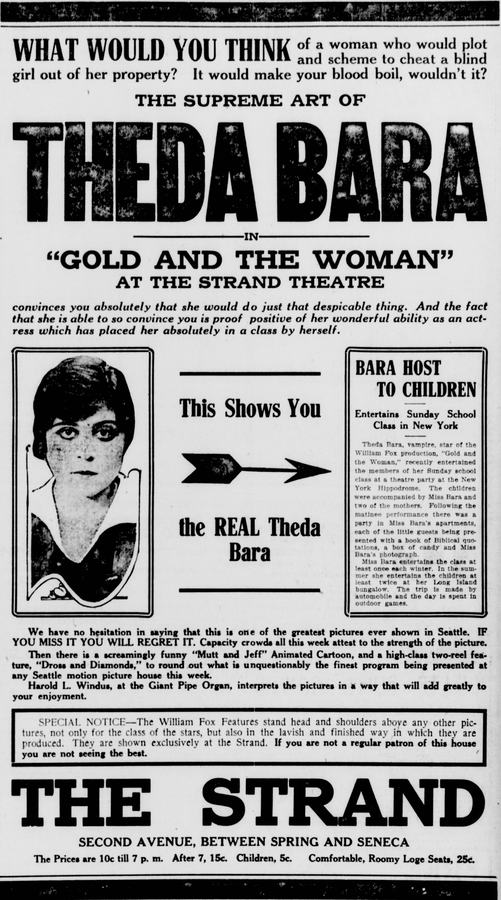
The title itself, Gold and the Woman, is highly symbolic. 'Gold' can be interpreted in multiple ways: the literal wealth and status lost, but also the inherent value of human life, the purity of spirit, or perhaps even the metaphorical 'gold' of a nation's soul being tested. As the protagonist loses her material possessions, the narrative compels us to consider what truly holds value when society collapses. Is it loyalty? Compassion? Or simply the instinct for self-preservation? The film suggests that while gold can buy comfort, it cannot purchase resilience or integrity in the face of existential threat.
The story delves into the moral quandaries that arise when survival becomes paramount. How far is one willing to go? What ethical lines are blurred or crossed? These questions are subtly woven into the fabric of the plot, challenging the audience to consider their own responses in similar circumstances. It’s a powerful testament to the human spirit's capacity for both immense suffering and extraordinary endurance. The film's exploration of these weighty themes, particularly the redefining of 'value' in a world turned upside down, elevates it beyond mere historical drama, giving it a timeless quality that resonates even today. Such a profound exploration of human nature under duress is a hallmark of compelling cinema, much like the intense psychological drama found in films such as Dämon und Mensch, albeit with different narrative settings.
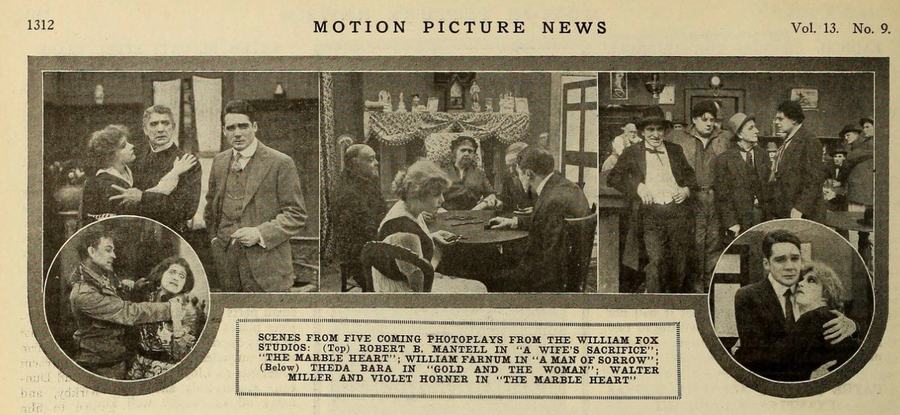
B. Reeves Eason’s direction, characteristic of the era, prioritizes clear storytelling through visual cues and dramatic tableaux. While silent films relied heavily on intertitles to convey dialogue and crucial plot points, Eason, along with his cast, ensures that the emotional tenor of each scene is palpable through performance alone. The cinematography, though rudimentary by modern standards, effectively captures the scale of the conflict and the intimacy of the protagonist's struggles. The use of wide shots to depict the ravaged landscapes juxtaposed with close-ups of Bara’s intensely expressive face creates a dynamic visual language that draws the viewer into the narrative.
The supporting cast, including talents like Howard Missimer, Caroline Harris, and Louis Stern, contribute to the tapestry of characters that populate this turbulent world. Their performances, while often overshadowed by Bara's star power, provide essential context and emotional anchors for the protagonist's journey. From the stoic revolutionaries to the desperate villagers, each character, however briefly glimpsed, adds a layer of authenticity to the film's depiction of a society in flux. The collective effort creates a compelling, if occasionally melodramatic, portrayal of a nation grappling with seismic change. The intricate dance of characters navigating peril and betrayal is a common thread in many silent era adventure-dramas, perhaps reminiscent of the episodic dangers faced by the heroine in The Perils of Pauline, though Gold and the Woman grounds its dangers in a more specific historical and social context.
As a product of its time, Gold and the Woman offers a fascinating glimpse into how historical events were interpreted and dramatized for mass entertainment during the early silent film era. It showcases the formidable star power of Theda Bara, cementing her status as a cinematic icon, and demonstrates the nascent power of film to convey complex narratives and profound human experiences. While the conventions of silent cinema might feel alien to contemporary audiences, the film's core themes – survival, resilience, the shattering of class distinctions, and the search for identity amidst chaos – remain timeless and universally relevant.
Its historical significance lies not only in its depiction of the Mexican Revolution but also in its contribution to the evolution of narrative filmmaking. The film's ability to create a compelling, emotionally resonant story without spoken dialogue is a testament to the artistry of its creators and performers. It reminds us of a period when visual storytelling was paramount, and the power of an actor's gaze or a director's composition could evoke entire worlds. In a landscape of early cinematic endeavors, Gold and the Woman stands as a robust example of dramatic storytelling, a testament to the enduring appeal of human struggle and triumph against overwhelming odds. It is a film that, despite its age, continues to speak to the enduring spirit of humanity under duress, much like other powerful silent dramas that explored the depths of human emotion, such as Sperduti nel buio, which delved into social issues with intense dramatic flair.
Ultimately, Gold and the Woman is more than a historical artifact; it is a vibrant narrative that captures the essence of a turbulent era through the intensely personal journey of one woman. It’s a powerful reminder that even amidst the grandest historical movements, it is the individual stories of endurance and transformation that truly resonate, echoing across generations and continuing to captivate audiences with their timeless tales of courage and change.
IMDb 6.1
1926
Community
Log in to comment.