DbcultAccessing Vault...
1.8/10
Senior Film Conservator
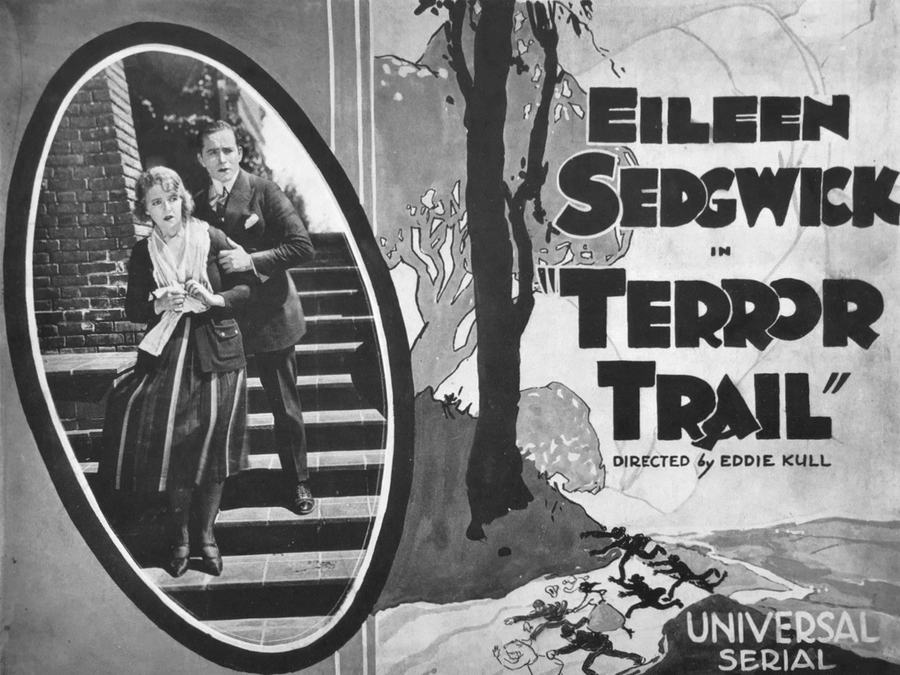
A definitive 1.8/10 rating for a film that redefined the boundaries of cult cinema. Terror Trail remains a cornerstone of transgressive art.
Terror Trail: A Dissection of Silent Cinema’s Toughest Thrills
In an era where silent films often grappled with the limitations of dialogue, Terror Trail (1925) emerges as a triumph of visual storytelling and narrative audacity. This review unpacks the film’s labyrinthine plot, its ensemble’s magnetic performances, and its enduring relevance in the pantheon of suspense cinema.
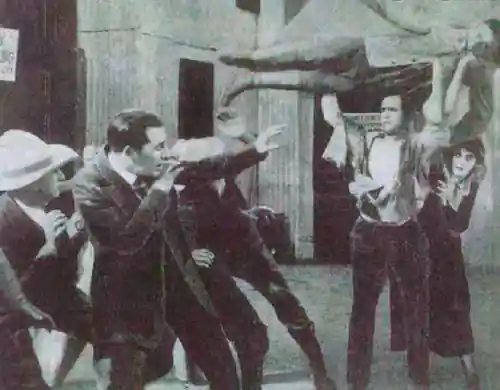
The film’s premise—three agents carrying segments of a lethal gas formula to a central location while evading a determined syndicate—might seem rudimentary on paper. Yet, in the hands of director John Grey and writers George H. Plympton and Edward A. Kull, it becomes a taut, cerebral exercise in tension. The absence of spoken dialogue forces the narrative to rely on visual cues, body language, and intertitles that are both poetic and razor-sharp. The result is a film that feels simultaneously urgent and meditative, a rare alchemy in the silent film era.
Albert J. Smith, as Agent Harrow, anchors the film with a performance that oscillates between stoicism and vulnerability. His character’s weariness is palpable, a man who has seen the rot beneath civilization’s veneer and still chooses to fight. George Larkin and Theodore Brown, portraying the other two agents, bring contrasting energy to the trio: Larkin’s frenetic anxiety and Brown’s cool pragmatism create a dynamic trio of personalities that drive the film’s emotional core.
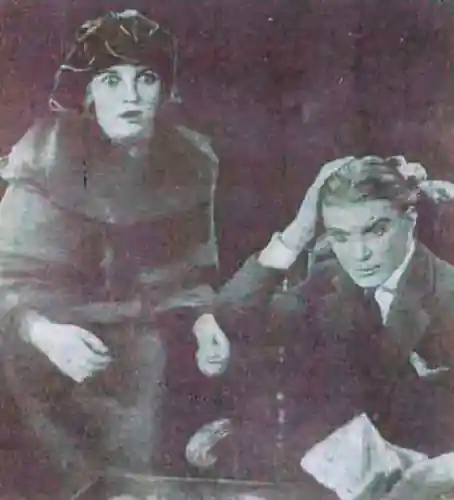
Eileen Sedgwick’s role as the enigmatic double agent is a standout. Her character’s shifting allegiances are conveyed through minute gestures—a tilt of the head, a lingering glance—that elevate the film’s suspense. Sedgwick’s performance is a masterclass in understatement, a stark contrast to the over-the-top villains in contemporary silents. Her chemistry with Pierre Couderc, who plays the syndicate’s leader with a suave, reptilian menace, is electric, adding layers of complexity to their cat-and-mouse game.
The film’s set pieces are nothing short of breathtaking. A train sequence, where the agents narrowly escape a disguised assassin, is a tour de force of choreography and editing. The use of cross-cutting between the agents and the conspirators’ preparations mirrors the mounting dread of both sides, a technique that would later be refined in Hitchcock’s work but here feels startlingly modern. The cinematography, with its stark chiaroscuro lighting, evokes the expressionist aesthetics of The Cabinet of Dr. Caligari, yet Terror Trail grounds its visuals in a grittier, more tangible reality.
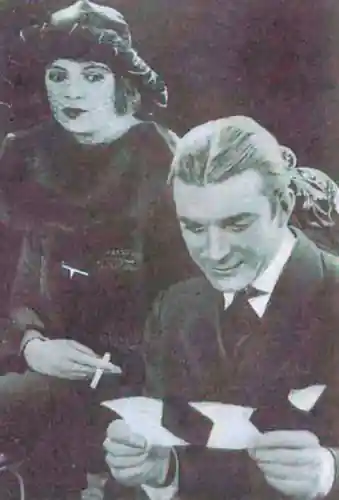
What sets Terror Trail apart is its willingness to explore moral ambiguity. The agents are not paragons of virtue; their motivations are muddled, their actions occasionally self-serving. This complexity is particularly evident in Agent Harrow’s subplot, where his past dealings with the syndicate are gradually revealed, forcing viewers to question whether he is a hero or a man trying to atone for past sins. Such narrative depth was rare in 1925, yet the film handles it with a deftness that feels ahead of its time.
The score, though not originally part of the film, is a modern addition that enhances the atmosphere without overpowering the visuals. The use of dissonant strings during tense moments and a haunting piano motif during quiet scenes adds an auditory dimension that complements the film’s visual language. For a silent film, the balance between sound and image is near-perfect, a testament to the curators who restored it for modern audiences.
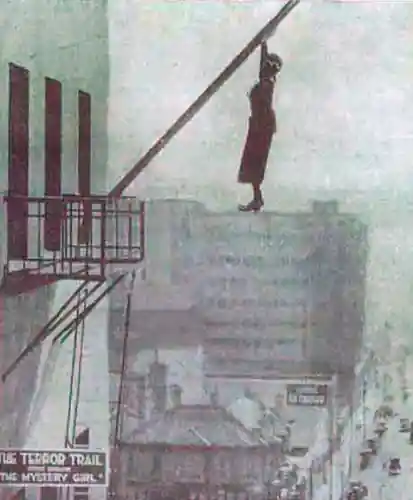
Comparisons to other films of the era are inevitable. Like Fanchon, the Cricket, Terror Trail uses its characters’ relationships to explore themes of loyalty and betrayal. However, where Fanchon leans into romantic melodrama, Terror Trail is cold and clinical, its focus on the dehumanizing effects of power. Similarly, the film’s procedural elements—tracking the gas formula’s segments—echo the structure of modern heist films, albeit with a far grimmer tone.
One of the film’s most striking aspects is its pacing. At just 75 minutes, it rarely lulls, each scene building on the last with surgical precision. The climax, a confrontation in a desolate warehouse, is both a physical and philosophical showdown. The conspirators’ defeat is not a tidy victory but a bittersweet resolution, underscoring the futility of their quest. This refusal to offer simple answers is what elevates Terror Trail from a mere thriller to a meditation on human nature.

The restoration of Terror Trail is a minor miracle. Once thought lost to time, surviving prints were painstakingly pieced together, with missing scenes reconstructed using early drafts of the script and surviving stills. The result is a film that looks and feels alive, its grain and textures a reminder of cinema’s fragile history. For historians and cinephiles alike, this restoration is a gift, preserving a work that might otherwise have vanished into obscurity.
In conclusion, Terror Trail is a landmark in silent cinema, a film that transcends its era to speak to universal themes of power, corruption, and redemption. Its legacy is secure not just for its narrative ingenuity but for its ability to resonate with modern audiences who crave depth and complexity in their entertainment. For those seeking a bridge between the artistry of early cinema and the sophistication of contemporary thrillers, this film is an essential watch.
For further reading, explore The Cabinet of Dr. Caligari and Beatrice Fairfax Episode 13: The Ringer to trace the evolution of suspense and character-driven storytelling.
IMDb —
1923
Community
Log in to comment.