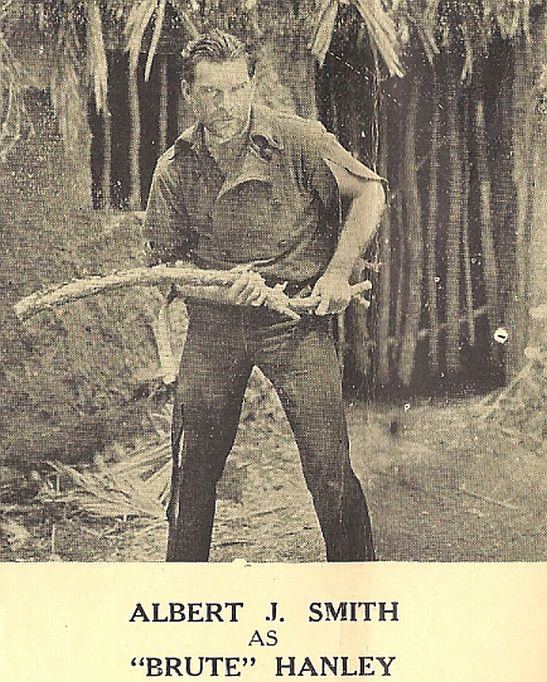
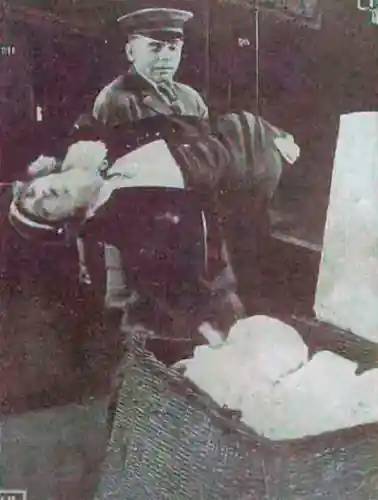
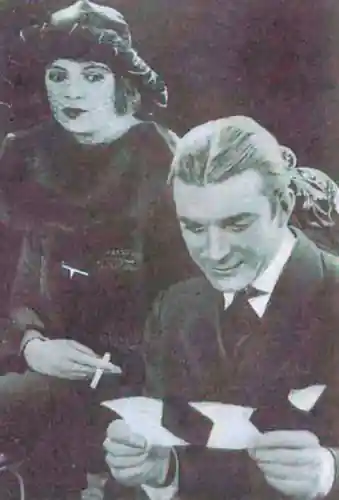
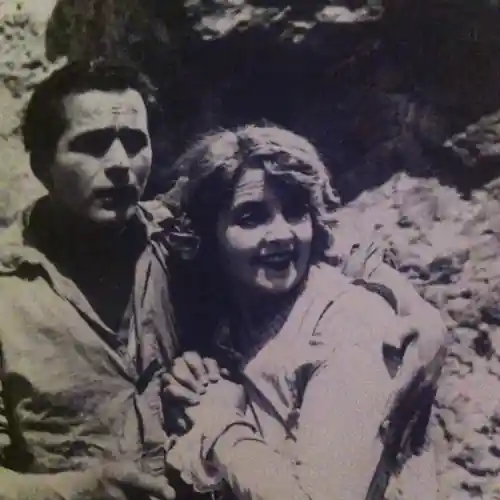
The government is about to buy a secret formula for a powerful gas. The formula is divided into three parts and three agents start for a central point with each separate part, where it is to be tested.
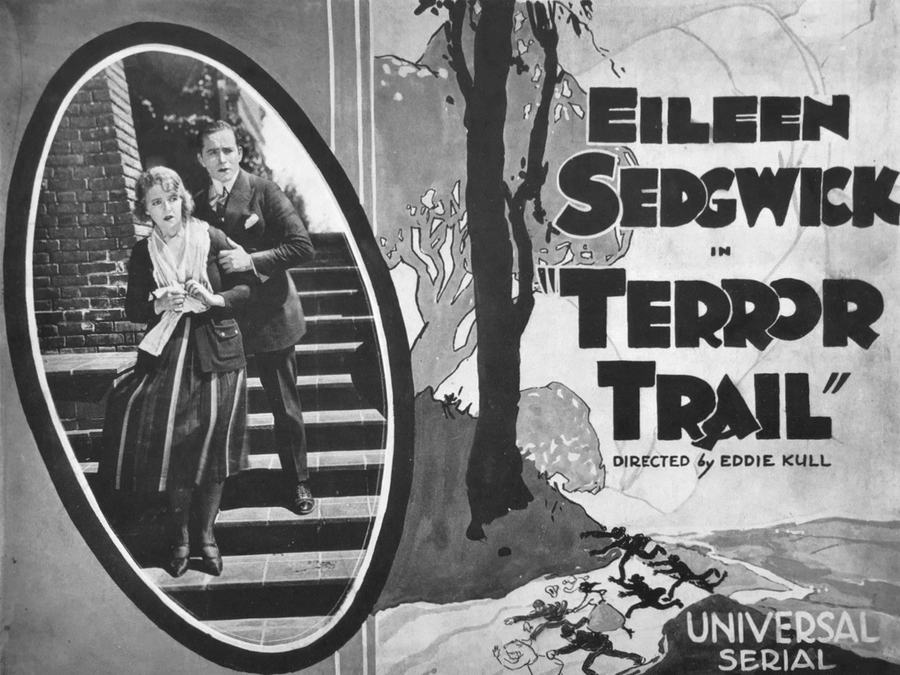
Terror Trail: A Dissection of Silent Cinema’s Toughest Thrills In an era where silent films often grappled with the limitations of dialogue, Terror Trail (1925) emerges as a triumph of visual storytelling and narrative audacity. This review unpacks the film’s labyrinthine plot, its ensemble’s magnetic performances...
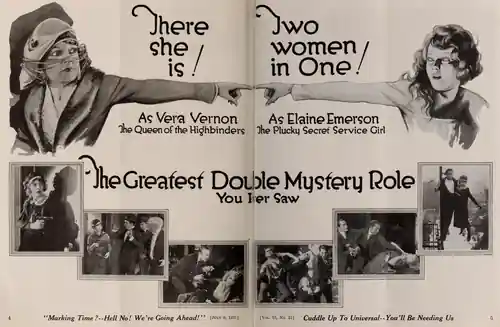
publicity
still_frame
publicity
still_frame
still_frame
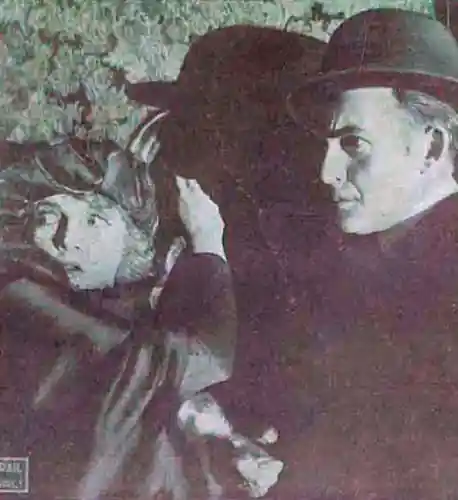
still_frame
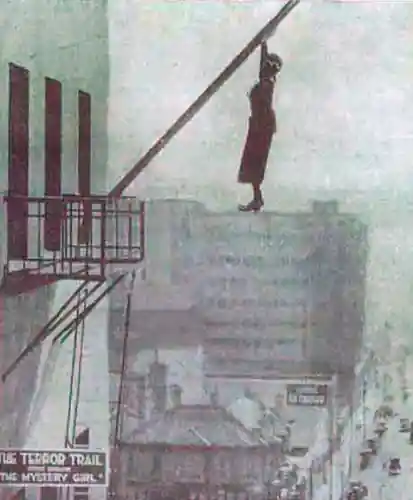
still_frame
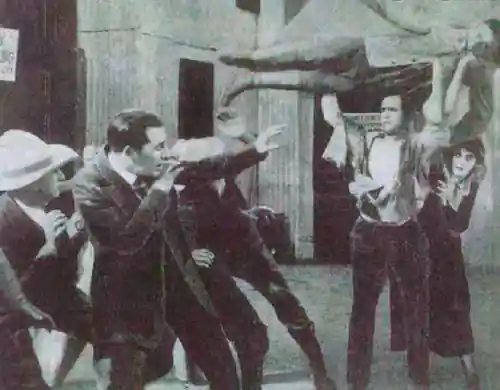
still_frame
Comparing the cinematic DNA and archive impact of two defining moments in cult history.
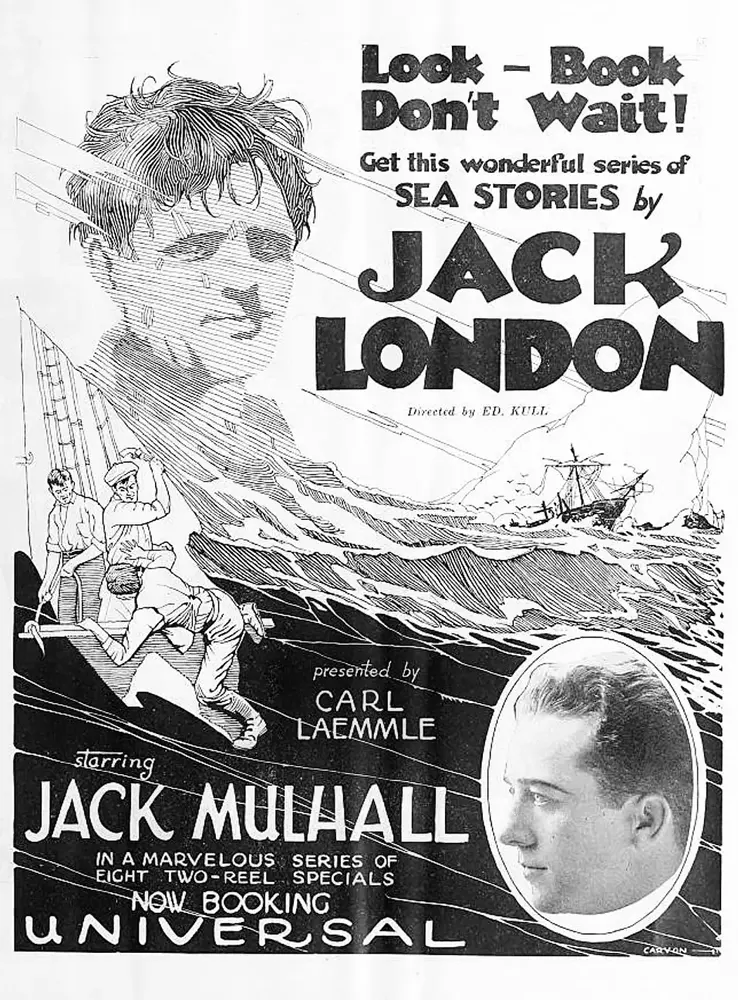
Edward A. Kull
Edward A. Kull
Community
Log in to comment.
" Terror Trail: A Dissection of Silent Cinema’s Toughest Thrills In an era where silent films often grappled with the limitations of dialogue, Terror Trail (1925) emerges as a triumph of visual storytelling and narrative audacity. This review unpacks the film’s labyrinthine plot, its ensemble’s magnetic performances, and its enduring relevance in the pantheon of suspense cinema. The film’s premise—three agents carrying segments of a lethal gas formula to a central location while evading a d..."
John Grey, George H. Plympton, Edward A. Kull
United States
Deep dive into the cult classic
Discover similar cinematic experiences
A Directorial Spotlight on Edward A. Kull