DbcultAccessing Vault...
7.1/10
Senior Film Conservator
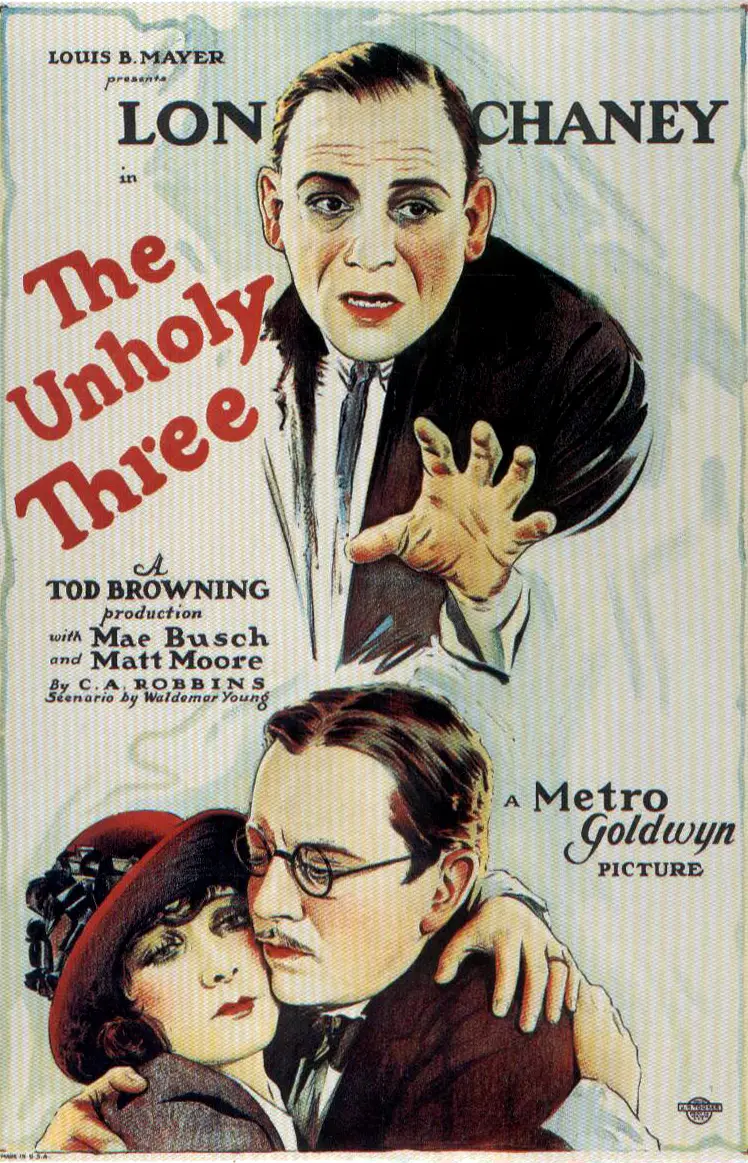
A definitive 7.1/10 rating for a film that redefined the boundaries of cult cinema. The Unholy Three remains a cornerstone of transgressive art.
The cinematic landscape of 1925 was forever altered by the convergence of Tod Browning’s macabre sensibilities and Lon Chaney’s chameleonic prowess in The Unholy Three. This is not merely a crime caper; it is a profound meditation on the art of deception, utilizing the silent medium to explore the auditory illusions of a ventriloquist. Chaney, the 'Man of a Thousand Faces,' delivers a performance of such layered complexity that it challenges the very boundaries of screen acting during the silent era. His portrayal of Echo—and subsequently the matronly Mrs. O’Grady—is a masterclass in physical transformation, proving that his talent transcended the mere application of prosthetics.
Unlike the more straightforward narratives found in films like Dangerous Days, Browning’s work here revels in the uncanny. The Bird Shop, which serves as the base of operations for our protagonists, is a setting of exquisite artifice. It is a space where the natural world—the birds—is silenced, only to be animated by the deceptive voice of the ventriloquist. This subversion of nature mirrors the trio's subversion of social norms. They are outcasts who, rather than seeking assimilation, weaponize their 'otherness' to prey upon the bourgeoisie. The film’s thematic weight rivals the psychological depth found in The Inner Voice, yet it maintains a gritty, pulp-inspired momentum that keeps the audience in a state of perpetual unease.
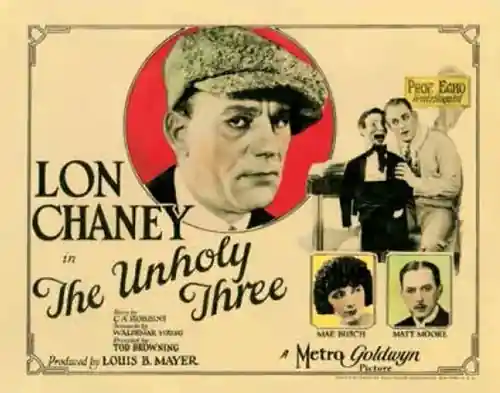
The chemistry between Lon Chaney, Victor McLaglen, and Harry Earles is nothing short of electric. McLaglen’s Hercules provides the raw, unthinking power—a physical threat that is constantly tempered by Chaney’s intellectual dominance. However, it is Harry Earles as Tweedledee who introduces a truly disturbing element to the film. Clad in infant’s clothing and tucked into a baby carriage, Earles exploits the universal instinct to protect the vulnerable. His performance is a chilling reminder of how innocence can be mimicked to facilitate malice. This dynamic creates a tension that is far more palpable than the standard conflicts seen in The Love Letter or other contemporary romances.
"In the world of the sideshow, truth is a commodity, and the mask is the only reality worth holding onto."
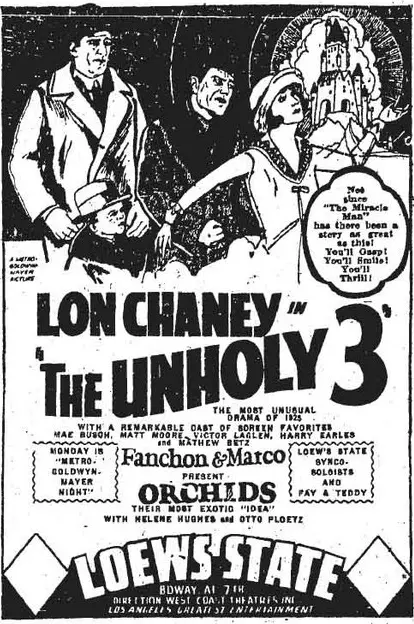
The film’s visual language is heavily indebted to German Expressionism, with shadows that stretch like grasping fingers and framing that emphasizes the isolation of the characters. Browning uses the camera to entrap the trio within their own lies. As the robberies become more daring, the internal friction grows. Rosie, played with a nuanced blend of toughness and vulnerability by Mae Busch, serves as the moral fulcrum. Her shift from a cynical accomplice to a woman seeking redemption provides the necessary emotional stakes, preventing the film from becoming a cold exercise in nihilism. This transition is handled with a delicacy that surpasses the character arcs in Foolish Lives.
One of the most fascinating aspects of The Unholy Three is how it handles the concept of ventriloquism in a silent film. Browning relies on the audience’s imagination, using intertitles and Chaney’s expressive gestures to 'hear' the voices Echo creates. This creates a unique participatory experience; the viewer becomes an accomplice to the deception. This meta-textual layer elevates the film above the typical genre fare of the mid-20s, such as The Yellow Traffic. The silence actually enhances the power of the 'voice,' making the eventual revelation of the trickery feel all the more visceral.
The climax of the film, involving a courtroom drama and a terrifying escape by a gorilla, shifts the tone from a psychological thriller to a gothic nightmare. The gorilla, a recurring motif in Browning’s filmography, represents the untamed violence that lies beneath the surface of the carefully constructed masks. When the beast is unleashed, it is not just a plot device; it is the physical manifestation of the trio's moral decay. The chaos that ensues is captured with a frantic energy that mirrors the technical bravado found in The Battle of the Ancre and the Advance of the Tanks, albeit on a much more intimate and harrowing scale.
To discuss The Unholy Three is to discuss the quintessential collaboration between actor and director. Browning understood Chaney’s need to submerge himself in roles that were physically demanding and emotionally taxing. Chaney, in turn, provided the humanity necessary to make Browning’s dark fantasies relatable. While films like The Lone Star Ranger offered traditional heroism, The Unholy Three offered something far more complex: a protagonist who is simultaneously a villain and a victim of his own genius.
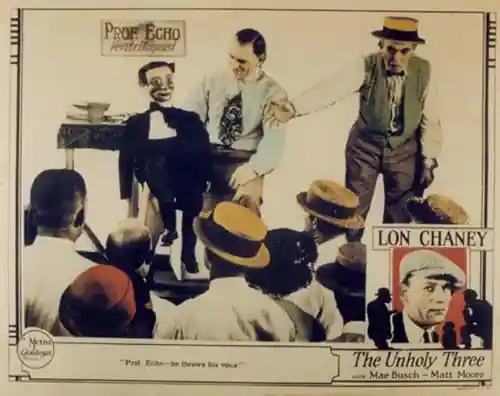
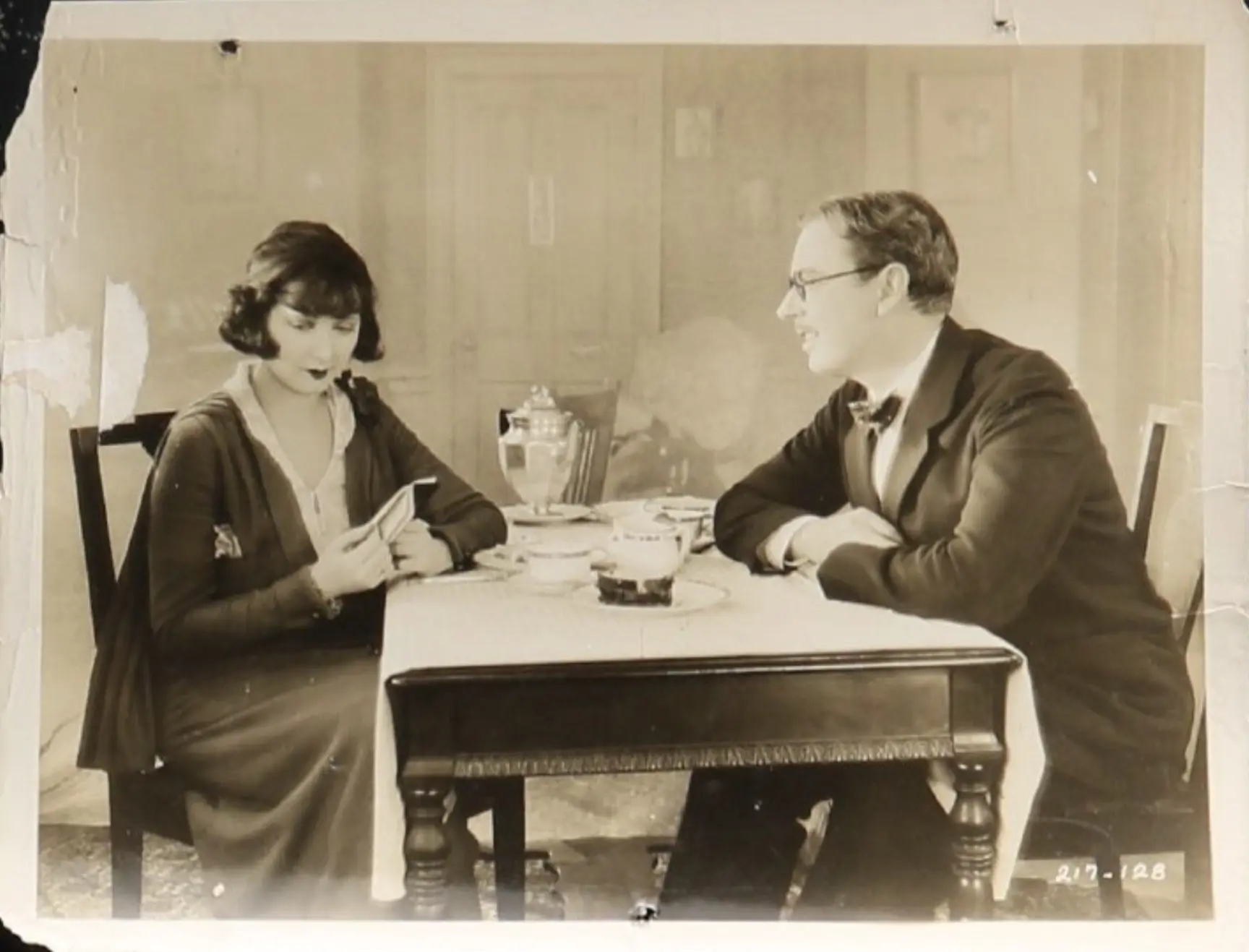
The supporting cast deserves significant praise for grounding the more fantastical elements of the plot. Matt Moore’s performance as the naive clerk provides a stark contrast to the cynicism of the central trio. His presence reminds the audience of the world they are leaving behind—a world of simple truths and earnest emotions. This juxtaposition is vital; without it, the darkness of the Bird Shop would be overwhelming. The film manages to balance these disparate tones with a grace that is often missing from similar works like Mutiny or Lest We Forget.
Technically, the film is a marvel of its time. The set design of the O’Grady residence is filled with Victorian clutter that feels both lived-in and menacing. The use of low-angle shots to emphasize Hercules’ size and high-angle shots to diminish the victims creates a visual hierarchy of power. The editing, particularly during the robbery sequences, is tight and purposeful, building a sense of dread that is almost unbearable. It lacks the pastoral simplicity of The Flower Girl, opting instead for a dense, layered aesthetic that rewards multiple viewings.
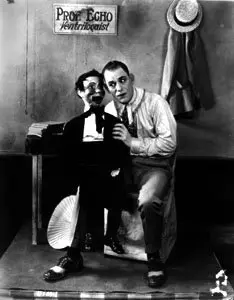
In the final act, the film pivots toward a surprising sense of pathos. Echo’s ultimate sacrifice—an act of honesty in a life built on lies—is a powerful conclusion to his journey. It suggests that even for the most depraved among us, there is a possibility of redemption through truth. This moral complexity is what sets The Unholy Three apart from the black-and-white morality of Two-Gun Betty. It refuses to give the audience easy answers, leaving us to contemplate the nature of identity long after the final frame has faded.
As we look back on the silent era, few films retain their ability to shock and provoke as effectively as this one. It is a testament to the vision of its creators and the timelessness of its themes. Whether viewed as a precursor to the modern noir or as a standalone piece of gothic horror, The Unholy Three remains an essential chapter in cinematic history. It captures a moment when the medium was discovering its power to explore the darkest corners of the human psyche, much like the haunting imagery found in A napraforgós hölgy. For those seeking a film that is as intellectually stimulating as it is visually arresting, this remains a mandatory experience.
The enduring influence of the film can be seen in everything from the works of David Lynch to the gritty realism of modern crime dramas. It taught filmmakers that the most frightening monsters are not those that lurk in the woods, but those that sit beside us in a bird shop, smiling through a mask of grandmotherly kindness. It is a masterpiece of subversion, a triumph of acting, and a chilling reminder that the voice we hear is rarely the voice that speaks the truth.
IMDb —
1929
Community
Log in to comment.