DbcultAccessing Vault...
4.3/10
Senior Film Conservator
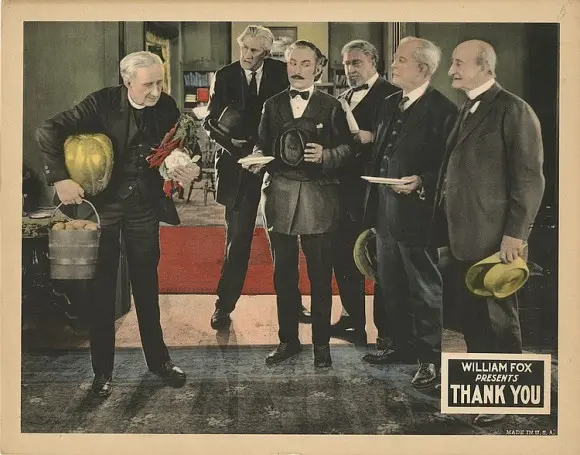
A definitive 4.3/10 rating for a film that redefined the boundaries of cult cinema. Thank You remains a cornerstone of transgressive art.
Set in the picturesque yet starkly humdrum village of Dedham, 'Thank You' offers a poignant glimpse into the lives of its inhabitants through the lens of a young, prodigal son, Kenneth Jamieson. George O'Brien's portrayal of Kenneth is magnetic, capturing the essence of a man torn between the allure of his wild past and the prospect of a meaningful future.
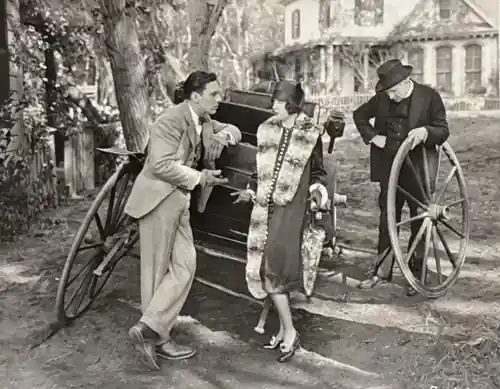
Upon his arrival at the chicken farm, Kenneth's presence is immediately felt. The village, already grappling with its own set of challenges, is thrown into a whirlwind of chaos. It is here that he meets Diane Lee, the niece of the local reverend, David Lee, played by George Fawcett. Diane, portrayed with a blend of sophistication and innocence, represents the calm amidst the bustling village life.
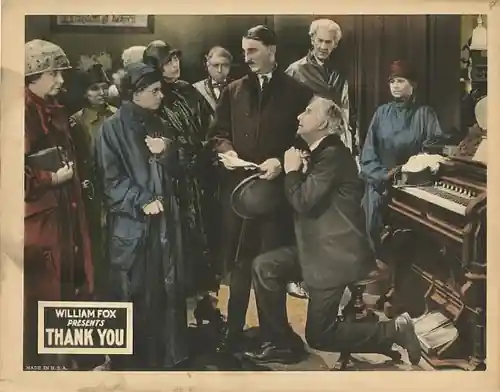
The film's narrative unfolds through a series of events that are both dramatic and deeply reflective. Kenneth, having been sent to the farm by his disapproving father, is initially resistant to the change. His father, played by Aileen Manning, is a wealthy man who is at odds with his son's reckless behavior. The father-daughter relationship adds a layer of complexity to the story, as the father's expectations and the son's shortcomings are laid bare.
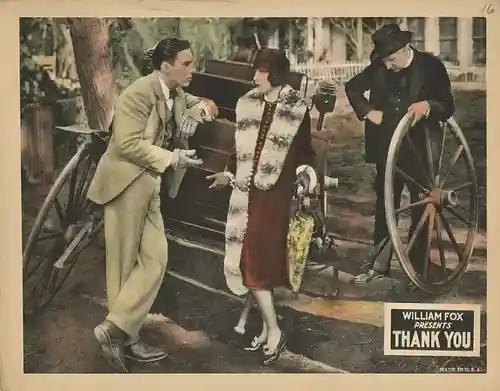
Central to the narrative is the heart-to-heart talk between Kenneth and Reverend Lee. Played by Mark Fenton, the Reverend represents a beacon of wisdom and moral integrity. His intervention marks a pivotal moment in Kenneth's journey, prompting him to reflect on his actions and consider a path of redemption. This scene, shot with a soft, golden hue, evokes a sense of warmth and sincerity, making it one of the film's most memorable moments.
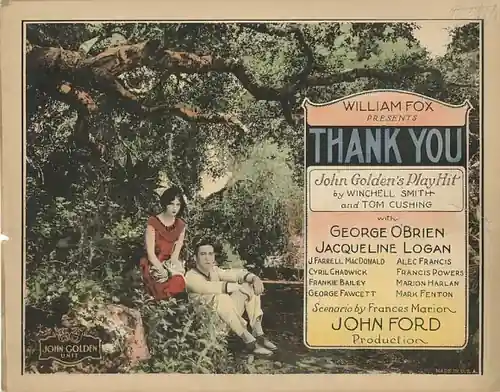
The village itself becomes a character in the film, with its modest homes and the local community playing significant roles. The setting is crucial to the story, as it serves as a backdrop for the characters' struggles and triumphs. The chicken farm, with its rustic charm, provides a stark contrast to the opulence of Kenneth's former life, emphasizing the stark realities of rural existence.
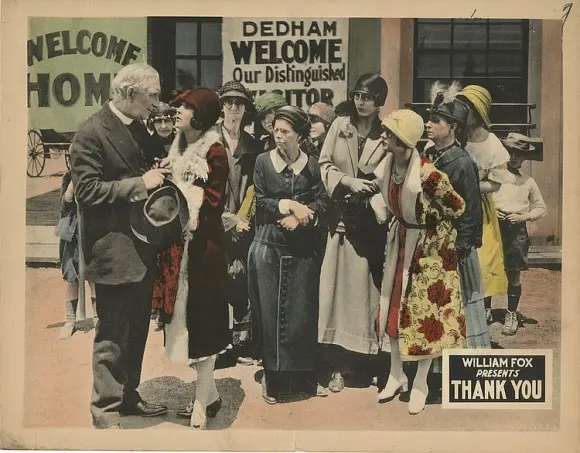
The film's exploration of social constraints is particularly noteworthy. The Reverend's struggle to secure a raise for himself, a consequence of his family's financial hardships, highlights the systemic issues faced by the community. The conflict between duty and personal gain is a recurring theme, adding depth to the narrative. Diane's education, which becomes a point of tension, symbolizes the village's aspirations and the challenges of achieving them.
One of the film's strengths lies in its ability to balance drama and romance. Kenneth and Diane's relationship develops organically, with their interactions revealing layers of character and emotion. The chemistry between the actors is palpable, making their love story feel genuine and heartfelt.
Technically, 'Thank You' is a well-crafted film. The cinematography, by Francis Powers, captures the beauty of the small village and its surroundings, while the score by Edith Bostwick adds an emotional layer to the proceedings. The film's pacing is commendable, maintaining a steady rhythm that keeps the audience engaged without ever feeling rushed.
Compared to films like 'Just a Good Guy' and 'King Solomon's Mines', 'Thank You' offers a more intimate and character-driven narrative. While the latter films may have larger-than-life settings and grand adventures, 'Thank You' focuses on the small, everyday struggles and the profound impact of moral guidance. The film's themes resonate with a wide audience, offering a relatable story that transcends its time and setting.
In conclusion, 'Thank You' is a film that invites viewers to reflect on the complexities of personal growth, the impact of mentorship, and the importance of community. It is a testament to the power of storytelling and the enduring relevance of moral lessons. Whether viewed as a period piece or a timeless tale of human nature, 'Thank You' remains a compelling and enriching cinematic experience.
IMDb 6.8
1922
Community
Log in to comment.