DbcultAccessing Vault...
Cult Review
Senior Film Conservator
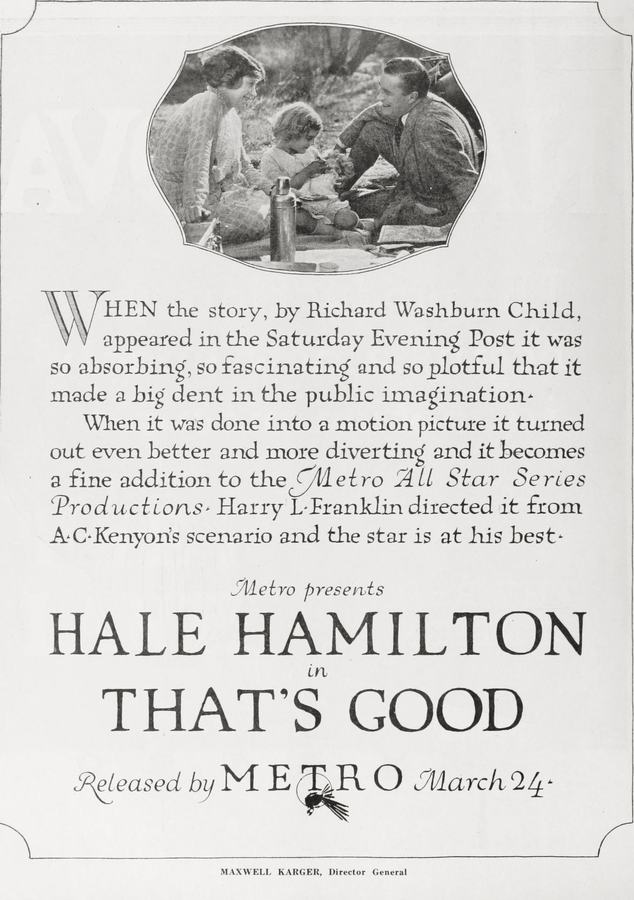
Stepping back into the cinematic tapestry of 1919, one encounters That's Good, a film that, despite its century-plus vintage, resonates with a timeless charm and an intriguing exploration of human nature's more complex facets. It's a narrative that deftly weaves together threads of innocence, cunning, moral awakening, and an ultimately triumphant romance, all under the seemingly simple mantra of its protagonist. What might appear on the surface as a straightforward melodrama quickly reveals layers of psychological depth, thanks to the nuanced performances and the clever penmanship of Richard Washburn Child and A.G. Kenyon.
At its heart lies Marcellus Starr, portrayed with an endearing guilelessness by James Duffy. Starr is the quintessential small-town proprietor, a man whose worldview is so unshakably optimistic that every twist of fate, every piece of news – good or ill – elicits his characteristic, unperturbed declaration: 'That's good.' This seemingly simplistic philosophy, while making him a beloved figure in his community, also paints a target on his back for a less scrupulous element. It's a fascinating character study from the outset, challenging the audience to discern whether Marcellus is genuinely naïve or possesses a deeper, almost Zen-like wisdom that transcends immediate circumstances. Duffy's performance is crucial here, balancing the outward appearance of simple-minded benevolence with hints of an underlying astuteness that slowly, subtly, begins to surface.
The film truly ignites with the arrival of the urban predators. A group of city crooks, sensing an easy mark in Marcellus's unassuming demeanor and perceived wealth, dispatches their most potent weapon: the exquisitely beautiful and ruthlessly efficient Josephine Pollock, played by the captivating Grace La Rue, accompanied by the equally calculating Barrett Prentice. La Rue, a Broadway star making her mark in film, imbues Josephine with a dangerous allure, a woman whose beauty is matched only by her capacity for manipulation. Their mission: to fleece Marcellus of his life's savings. The initial interactions are a masterclass in cinematic seduction and calculated charm. Marcellus, utterly smitten by Josephine's sophisticated grace, falls readily into their trap. His willingness to accompany her to the bustling anonymity of Chicago, ostensibly to expand his modest business, speaks volumes about his burgeoning affection and perhaps, a yearning for something beyond his tranquil existence.
Chicago becomes the stage for the elaborate swindle, a labyrinthine scheme designed to convince Marcellus he could amass a fortune by backing a supposedly legitimate, yet entirely fake, horse race. The tension here is palpable, as the audience watches Marcellus, seemingly oblivious, walk deeper into the financial snare. The writers, Child and Kenyon, craft this segment with a meticulous attention to the mechanics of the con, demonstrating how easily trust can be exploited and how greed, even when not Marcellus's own, can be used as a lever. It’s a classic narrative trope, reminiscent of other films where unsuspecting innocents are targeted by cunning fraudsters, though That's Good adds its own unique twist by making the 'innocent' character potentially more aware than he lets on. In this regard, it shares thematic DNA with films like His Last Dollar, where financial deception forms the core conflict, but That's Good elevates it with a more intimate, romantic undercurrent.
The pivotal turning point in the narrative arrives when Josephine and Marcellus return to his hometown. The purpose: to retrieve the substantial funds necessary to finalize the 'investment.' It is here that Josephine's carefully constructed façade begins to crack. She encounters Alice, Marcellus's orphaned niece, a figure of pure, unadulterated innocence whose own small inheritance is tragically destined to be swallowed by the same fraudulent scheme. This encounter is a powerful catalyst. Alice's vulnerability and Marcellus's selfless devotion to her force Josephine to confront the moral abyss she is about to plunge them all into. Grace La Rue's portrayal of this internal struggle is masterful. The audience witnesses her transformation, the flickering of a long-dormant conscience, and the dawning realization of Marcellus's intrinsic goodness. It’s a moment of profound empathy, where the hardened con artist begins to see the true cost of her actions, not just in financial terms, but in the crushing of genuine, unvarnished trust.
This moral awakening is perhaps the most compelling aspect of the film. It's a testament to the power of human connection and the potential for redemption, even in the most cynical of hearts. Josephine's internal conflict is beautifully rendered, a silent struggle played out through subtle expressions and gestures, a hallmark of compelling silent film acting. Her growing affection for Marcellus is not merely a plot device but a genuine emotional development, making her ultimate decision to abandon the scheme feel earned and impactful. This thematic exploration of a character's moral struggle and subsequent transformation can be seen in other contemporary works, perhaps even subtly echoed in the complex character arcs found in films like The Woman Beneath, where hidden depths and unexpected turns define a protagonist's journey.
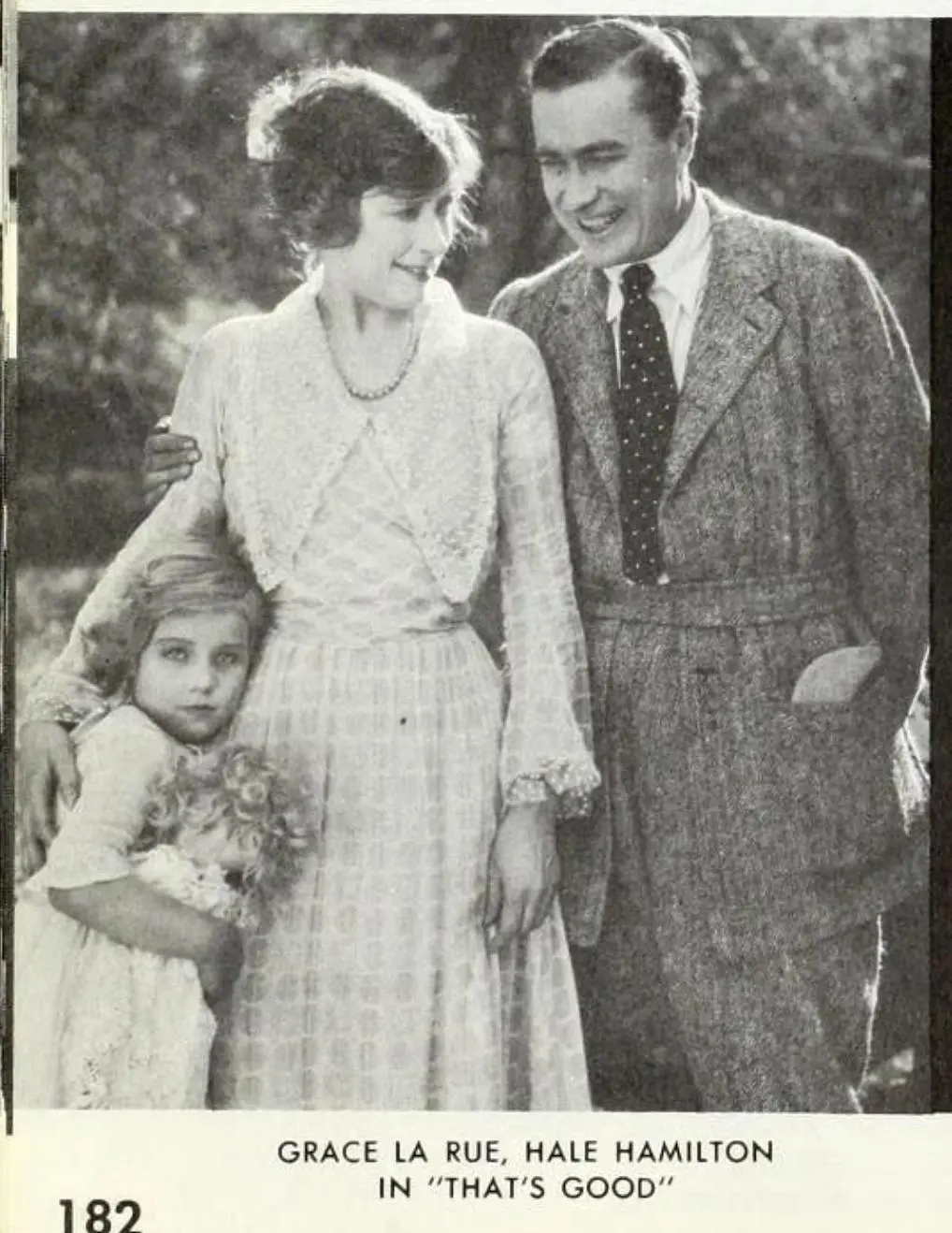
Then comes the grand reveal, a moment that recontextualizes everything that has come before. Marcellus, the seemingly simpleton, confesses to Josephine that he was 'on to her all the time.' This twist is brilliantly executed, transforming Marcellus from a victim into a benevolent orchestrator, a man whose unwavering optimism was, in fact, a calculated strategy. His goal was not to expose her but to reform her, to draw out the latent goodness he instinctively perceived within her, and ultimately, to make her his wife. James Duffy delivers this revelation with a quiet dignity, cementing Marcellus as a man of profound insight and an extraordinary capacity for forgiveness and love. It’s a bold narrative choice, elevating the film beyond a simple tale of crime and punishment to one of profound human understanding and a belief in second chances.
The resolution, with both Marcellus and Josephine embracing their future together, feels genuinely earned. It’s a triumph of character over circumstance, of love over deception. The film doesn't shy away from the darker aspects of human nature, but it ultimately champions the transformative power of empathy and the enduring strength of a good heart. The writers, Child and Kenyon, deserve immense credit for crafting such an intricate and satisfying conclusion, one that avoids saccharine sentimentality in favor of a more complex, believable emotional outcome.
From a technical perspective, for a film of its era, That's Good likely showcased the nascent artistry of silent cinema. While specific details of cinematography or direction by the unnamed director are sparse, the narrative's clarity and emotional impact suggest a competent hand guiding the visual storytelling. The pacing, crucial for maintaining audience engagement without dialogue, appears well-managed, building suspense and developing character arcs with an admirable economy of visual expression. The interplay between the bustling city scenes and the quiet charm of the small town would have provided a rich visual contrast, underscoring the clash of values at the heart of the story.
The supporting cast, including Herbert Prior and Hale Hamilton, while less central, would have contributed to the overall texture of the film, adding to the ensemble that brings this intriguing world to life. Louis Morrison and Marjorie Yeager, as Alice, likely provided the moral compass and emotional anchor that Josephine so desperately needed. The strength of That's Good lies not just in its engaging plot but in its profound understanding of human motivations – the allure of easy money, the weight of guilt, and the redemptive power of genuine affection.
In an age where cinematic narratives were still finding their footing, That's Good stands as a remarkable example of sophisticated storytelling. It transcends its period trappings to offer a universal message about perception versus reality, the potential for good within seemingly flawed individuals, and the quiet strength of unwavering integrity. It’s a film that leaves you pondering the true nature of 'goodness' and whether an unshakeable belief in it can indeed be the most powerful weapon against cynicism and deceit. For anyone interested in the foundational narratives of early cinema, and particularly those seeking stories with both heart and a clever twist, That's Good is more than just a historical curiosity; it’s a genuinely engaging and thought-provoking piece of cinematic art.
The film's enduring appeal lies in its ability to surprise and delight, challenging the audience's assumptions about its characters right up until the very end. It reminds us that appearances can be deceiving, and that true wisdom often hides behind a veneer of simplicity. The journey of Josephine, from a cold-hearted schemer to a woman transformed by love and conscience, is as compelling as Marcellus's quiet, strategic benevolence. It's a testament to the power of narrative to explore the complexities of the human spirit, making That's Good a film that truly lives up to its optimistic title, leaving a lasting impression long after the final fade to black.
IMDb —
1916
Community
Log in to comment.