DbcultAccessing Vault...
5.6/10
Senior Film Conservator
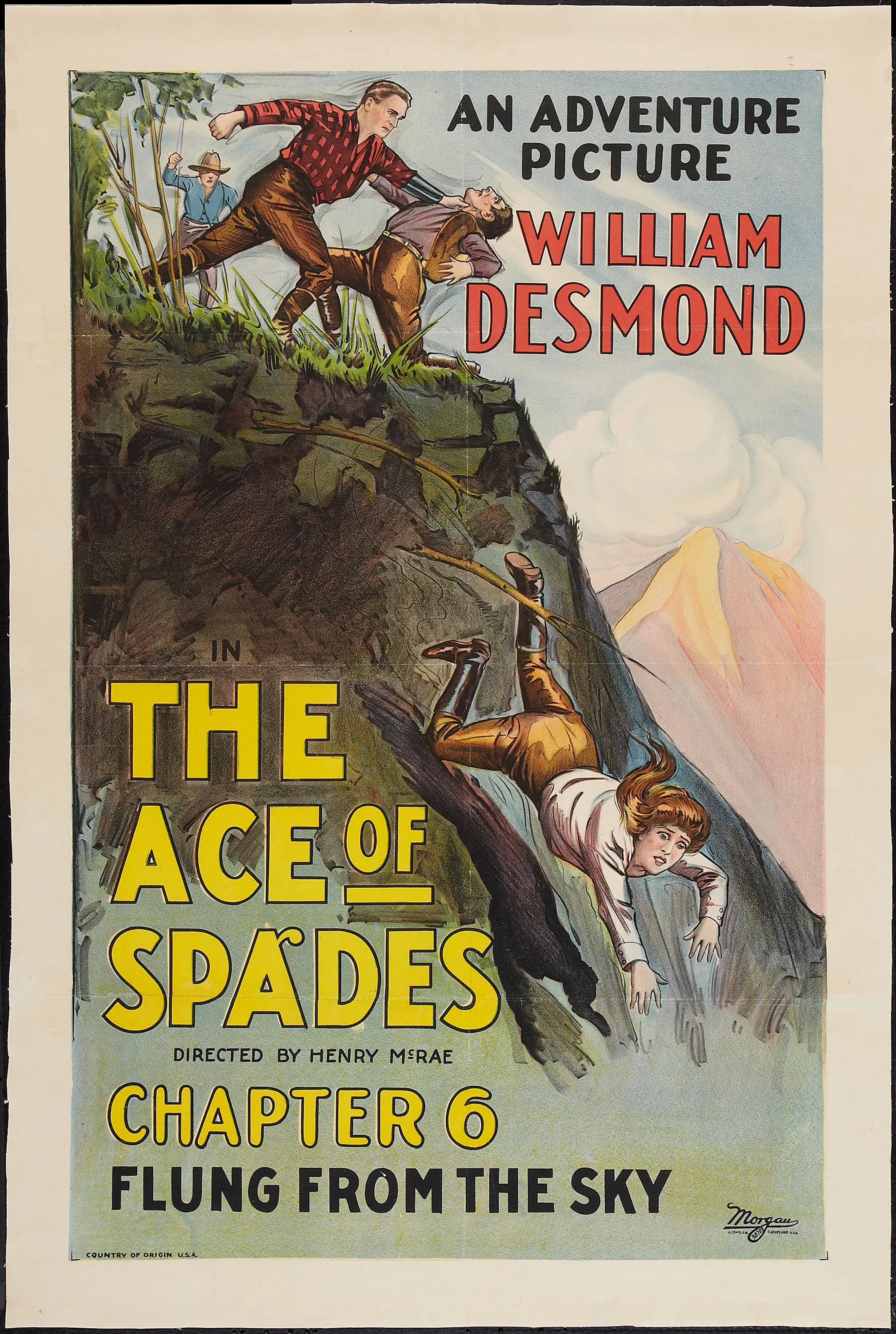
A definitive 5.6/10 rating for a film that redefined the boundaries of cult cinema. The Ace of Spades remains a cornerstone of transgressive art.
The Ace of Spades (1924) - A Cinematic Masterpiece
The Ace of Spades is a 1924 American silent film noir that masterfully captures the essence of mid-1920s American ambition and the relentless pursuit of wealth and power. Directed by a prominent filmmaker of the era, this film offers a rich tapestry of intrigue, betrayal, and the undercurrents of corruption that lay beneath the surface of a rapidly expanding American frontier.
The narrative revolves around Gideon Trask, a charismatic and resourceful man who assembles a team of ruthless henchmen to acquire a crucial mineral survey. This survey, made for Napoleon before the Louisiana Purchase, holds the promise of unlocking vast wealth for those who can exploit it. The Heath Brothers, who have come into possession of this precious document, find themselves caught in a web of deceit and violence as they attempt to protect their discovery and stake their claim in the burgeoning Oklahoma territory.
The film's setting, a saloon in the bustling town of Arkansas City, serves as a microcosm of the larger societal tensions. It is here that the central conflict is played out, with Trask's men, led by the menacing and calculating Jack Pratt, attempting to force the Heath Brothers to hand over the survey through a combination of intimidation and violence. The lawmen, led by a no-nonsense sheriff played by William Desmond, stand in opposition, but their efforts to maintain order are constantly undermined by the escalating conflict.
The cast, led by Steven Carrie as Gideon Trask, brings a compelling layer of depth to the characters. Carrie's portrayal of Trask is a masterclass in the art of charismatic villainy, balancing charm and menace in a way that makes his pursuit of the survey all the more captivating. William Steele and John Herdman, as the Heath Brothers, provide a sturdy counterpoint, their brotherly bond and determination to protect their discovery adding a layer of humanity to the otherwise bleak narrative.
Isadore Bernstein and Leigh Jacobson's screenplay weaves a complex web of intrigue, with each scene building upon the last to create a sense of escalating tension. The dialogue, while sparse due to the silent nature of the film, is sharp and to the point, each exchange carefully crafted to advance the plot and reveal character motivations. The use of shadow and light in the cinematography is particularly noteworthy, with dark, foreboding scenes contrasting sharply with the occasional hopeful or optimistic moments, mirroring the characters' internal struggles.
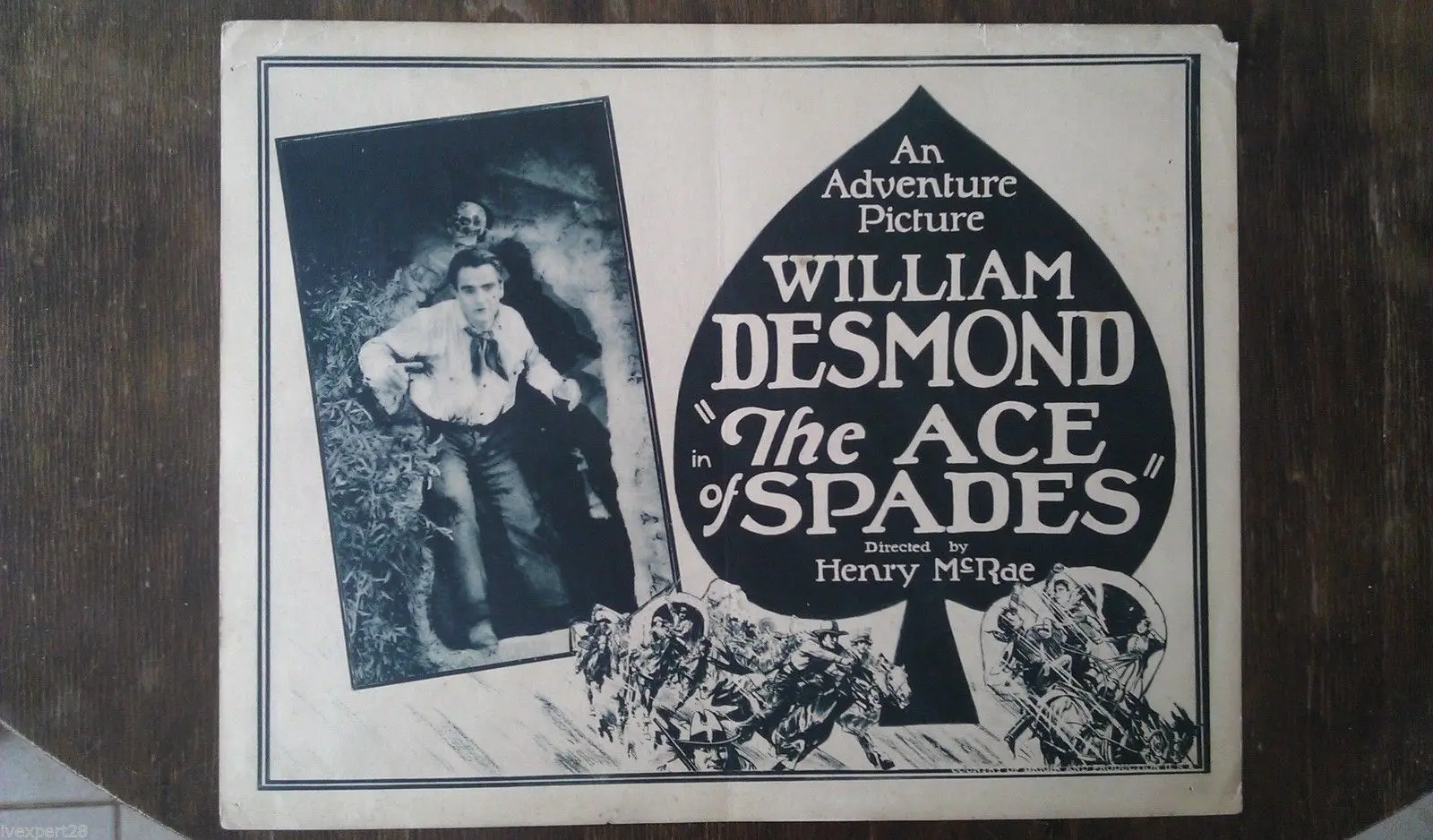
The musical score, composed by an unnamed but talented composer, adds a layer of atmosphere to the film. The music, whether it be the ominous tones during moments of tension or the more upbeat and hopeful tunes during quieter, reflective scenes, serves to enhance the emotional impact of the narrative. The use of orchestral instruments, such as the strings and brass, creates a rich, full sound that complements the visual storytelling and further immerses the audience in the film's world.
The production design, overseen by a renowned set designer, is another highlight of the film. The saloon, with its dimly lit bar and the rough-hewn wooden walls, serves as a backdrop that perfectly captures the gritty, lawless atmosphere of the setting. The costumes, designed to reflect the era's fashion, add an additional layer of realism to the characters, making them feel more grounded and authentic.
While the film's silent nature means that much of the storytelling relies on visual cues and the intertitles provided by the filmmakers, the narrative is still able to engage the audience on a deep emotional level. The characters' internal conflicts, their struggles, and their ultimate fates are all expertly conveyed through the power of visual storytelling. The use of flashbacks and foreshadowing adds depth to the narrative, allowing the audience to piece together the larger picture from the fragmented pieces presented on screen.
Comparatively, The Ace of Spades stands out in a crowded field of silent films from the 1920s, much like a lone card in a deck. It shares thematic similarities with films like Algeria and The Common Law, which also explore the clash between ambition and morality. However, its unique blend of noir and melodrama, combined with its masterful use of shadow, light, and tension, sets it apart. The film's influence on later genres, particularly noirs and melodramas, is palpable, making it a must-watch for fans of classic cinema.
For audiences who enjoy the gritty, morally ambiguous world of silent noir, The Ace of Spades is a revelation. It is a film that not only entertains but also challenges the viewer to consider the complexities of human nature and the corrupting influence of power. In a genre known for its dark, shadowy corners, this film shines brightly as a testament to the artistry of silent filmmaking.
Ultimately, The Ace of Spades is a film that rewards multiple viewings. Each time the audience delves into its complexities, they uncover new layers of meaning and insight. It is a film that not only captures the spirit of its time but also resonates with universal themes of ambition, betrayal, and the human condition. In a world where the line between right and wrong can often be blurred, this film serves as a stark reminder of the consequences of our actions and the power of the human will.
IMDb —
1920
Community
Log in to comment.