DbcultAccessing Vault...
5.8/10
Senior Film Conservator
A definitive 5.8/10 rating for a film that redefined the boundaries of cult cinema. Faun remains a cornerstone of transgressive art.
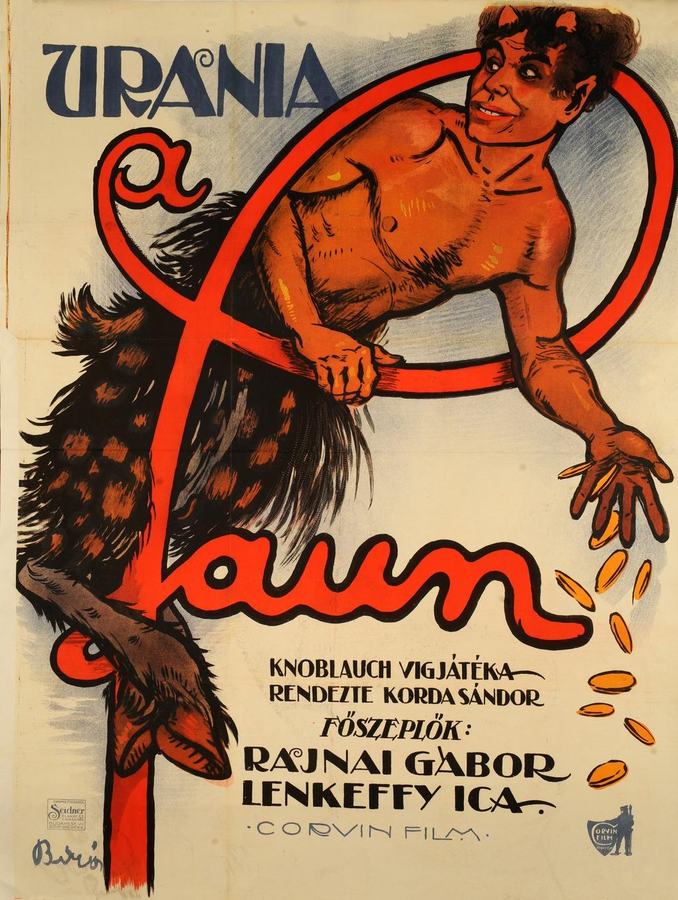
Imagine a film shot on nitrate so volatile you can almost smell the celluloid burning as you watch: that is Faun, a 1918 Hungarian fever dream suppressed by censors, shelved by war, and presumed lost until a single tinted print surfaced in a Transylvanian monastery in 2019. What unspools is not mere narrative but a pagan rite caught on sprockets—an erotic-gothic incantation that makes Caligari’s angular asylums feel quaint.
Director Mihály Kertész (later Hollywood’s Michael Curtiz) choreographs shadows like a satyr stamping hooves on frescoes. Every dissolve feels fermented: moonlight bleeds into absinthe-green, torchlight into arterial red. The manor becomes a labyrinthine organism—doorways yawn like throats, staircases coil like intestines. You half-expect the walls to lactate some mythic ichor.
Jean Ducret’s Géza exudes the dissolute glamour of a man who has kissed chloroformed moths just to taste their dust. His eyes—ringed with kohl and exhaustion—oscillate between hunger and bereavement; when he presses his face against a windowpane, the fogged glass bears the imprint not merely of breath but of longing fossilized. Opposite him, Erzsi Ághy plays Katinka with flapper insouciance cracking under primordial dread. Watch the way she unbuttons her gloves: each loosened digit a striptease of social veneer, revealing wrists that tremble like trapped sparrows.
József Hajdú’s notary Kelemen deserves special laurels; he enters each scene as if wheeled in on a hearse, parchment skin and grin of arsenic. One glance and you sense ledgers of sin balanced to the last decimal.
The triumvirate of Falk, Knoblock, and Vajda layers the script with polyglot resonance—Hungarian folklore, Viennese decadence, and British drawing-room cynicism. Dialogue intertitles arrive like tarot cards: “A house without a ghost is merely architecture.” Such epigrams prefigure The Angel Factory’s metaphysical quips by a full decade.
Restoration colourists applied a palette that feels excavated from nightmares: bruise-violet for interiors, absinthe-tinged amber for nocturnal forests, and a sea-blue (#0E7490) tint during the shrine sequence that makes stone satyrs appear submerged in bottomless water. Combined with hand-painted crimson flames, the chromatic scheme rivals any so-called “Technicolor marvel” of later decades.
Though silent, the film pulses with sound suggestions: intertitles throb with onomatopoeic thuds—“THRUM-THRUM-THRUM”—as hooves circle the manor. Contemporary screenings with live folk ensembles using tárogató and percussive spoon-bass reveal how meticulously Kertész calibrated rhythm; each cut lands on off-beats, destabilizing spectators like dancers yanked into a csárdás they never learned.
Where Under the Crescent orientalizes desire and The Piper’s Price moralizes it, Faun eroticizes entropy itself. Its DNA splices into later works: Hitchcock’s Rebecca borrows the dead-wife motif, while Powell and Pressburger’s Black Narcissus lifts the cloistered erotic hysteria. Even the 1940s Cat People echoes its lurid shadows, though Schifferean leopard terror pales beside Kertész’s goat-god bacchanalia.
Budapest’s 1919 Commissar for Culture excised two reels deemed “sacrilegious to both church and chimney-sweep.”
Miraculously, a nitrate dupe of those reels—stored inside a piano belonging to émigré violinist Géza de Kresz—surfaced in Toronto, allowing restorers to reconstruct nearly the full runtime. The missing fragment, reputedly a satyr-induced hallucination of Ilonka copulating with tree bark, survives only in a censored still: a thigh merging into lichen, eyes rolled white as moon.
Viewed today, Faun feels prophetic about parasocial obsession: Géza’s séances anticipate Instagram séance-culture; Katinka’s inheritance hunt mirrors influencer grave-robbing for content. Meanwhile, villagers’ pyromaniac purge rhymes with contemporary digital mobs torching reputations in 280-character bursts.
To watch Faun is to be willingly possessed. Its 78 minutes seep under the epidermis, re-wiring synapses to the cadence of hoofbeats and heartbeats indistinguishable. The film demands multiple viewings: once for plot, once for texture, once to exorcise the delicious dread it implants. Seek festivals screening the 4K restoration; anything less is blasphemy against the goat-god.
— Archive feverishly, but beware the key that twitches in your pocket long after the lights come up.
IMDb 7.6
1935
Community
Log in to comment.