DbcultAccessing Vault...
Cult Review
Senior Film Conservator
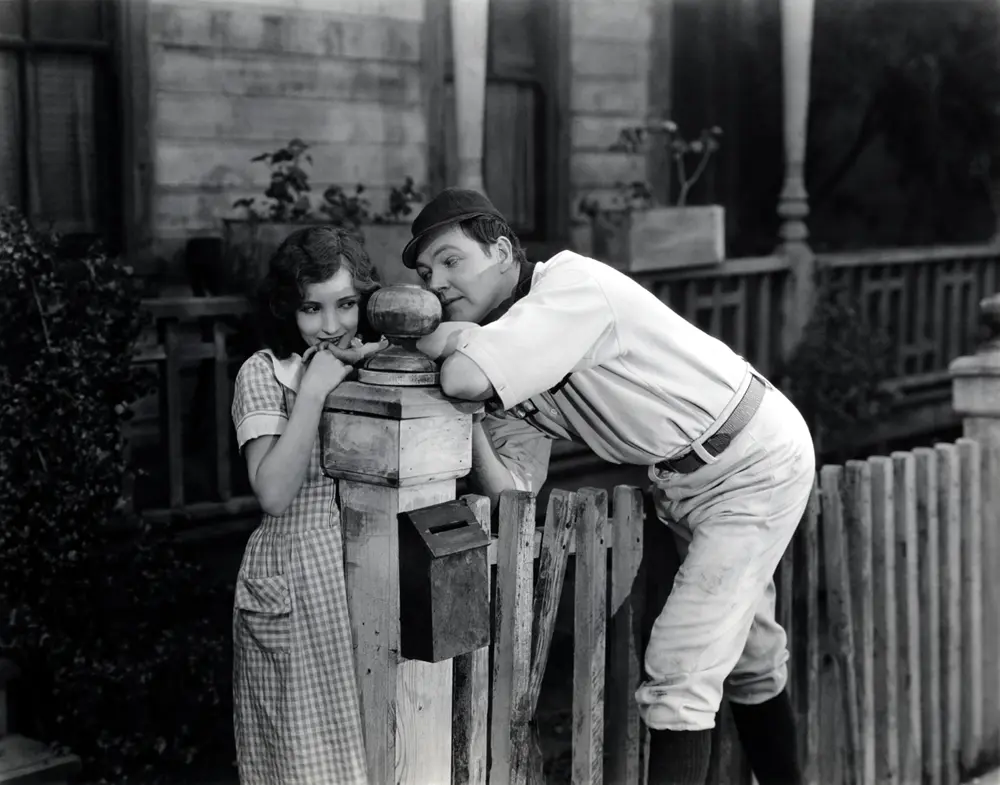
Is The American worth watching today? Short answer: yes, but with significant caveats that demand a specific palate. This film is an intriguing, if imperfect, journey into the heart of a man consumed by vengeance, set against a backdrop of cultural clash and unexpected humor, making it a peculiar but memorable experience for those who appreciate a certain kind of historical cinema, yet it will likely confound viewers seeking conventional pacing or narrative clarity.
It's a film for cinephiles interested in the early days of narrative cinema, particularly those drawn to stories of grand returns and cultural collision, infused with a distinct blend of melodrama and burgeoning comedic elements. Conversely, it is decidedly not for audiences accustomed to modern storytelling conventions, fast-paced action, or pristine narrative arcs; its charm lies in its eccentricities and historical context, not its universal accessibility.
The setup for The American is ripe with dramatic potential. A man, wronged and exiled, returns from a land of boundless opportunity to exact revenge. Seref’s transformation from a broken man to ‘Seref The Turk,’ a dollar billionaire with a cowboy hat and Dallas boots, speaks volumes about the early 20th-century fascination with American exceptionalism and the immigrant’s dream. This initial premise promises a straightforward tale of retribution, yet the film, surprisingly, veers into something far more intricate and, dare I say, chaotic.
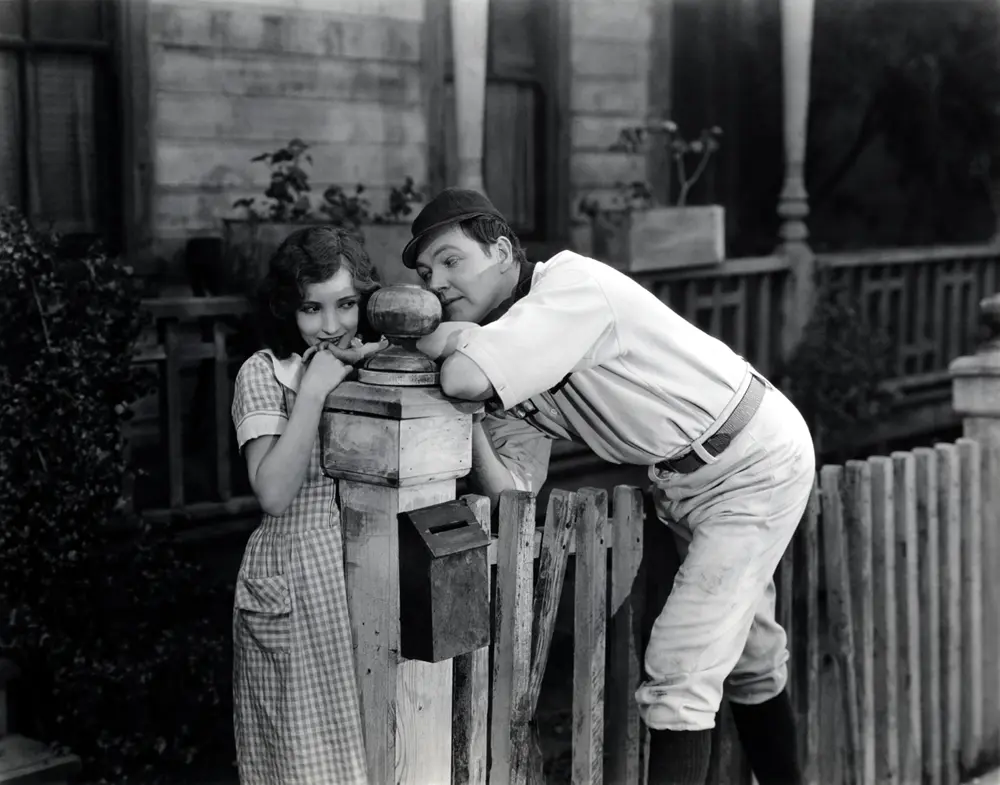
The decision by writers Jewel Spencer and Marian Constance Blackton to inject elements of “funny and exciting adventure where sexuality and violence mingle” into a revenge plot is an unconventional choice that defines the film’s unique, sometimes jarring, tone. It’s a bold swing, attempting to fuse high drama with burgeoning slapstick and a hint of risqué provocation, which was quite daring for its era. This blend is where the film finds both its singular identity and its most significant challenges.
Charles Ray, in the titular role of Seref, carries the film with a performance that, while rooted in the theatricality of the period, manages to convey a surprising depth of emotion. His initial portrayal of a man burdened by a two-decade-old wound is palpable, even through the often exaggerated expressions common in silent film. The shift in his demeanor upon encountering 'Small America' and the unexpected turns of his quest for Melek is where Ray truly shines, showcasing a range that moves from steely determination to bewildered amusement.
One particular moment stands out: Seref’s first encounter with the chaotic 'Small America.' Ray’s eyes, initially fixed with a grim resolve, subtly widen, conveying a silent, internal struggle between his carefully constructed persona of the vengeful millionaire and the unpredictable reality unfolding before him. It’s a delicate balance, and Ray navigates it with a commendable sincerity that elevates the material beyond mere spectacle. However, there are instances where his performance leans too heavily into the comedic, almost undermining the gravity of Seref’s initial motivations. This tonal inconsistency, while characteristic of the film's overall design, sometimes makes it difficult to fully invest in Seref's emotional journey.

Given the film's age, the direction, which remains uncredited in many records, demonstrates a keen understanding of visual storytelling, even if it feels rudimentary by today's standards. The use of close-ups to emphasize Seref’s internal conflict or the fleeting glances of other characters is effective, drawing the audience into the emotional core of the scene. The cinematography, while lacking the intricate camera movements of later eras, nonetheless captures the vibrant energy of its setting, painting a picture of a bustling, slightly disorienting world.
The visual depiction of 'Small America' is particularly noteworthy. It’s a character in itself, a whirlwind of activity and unexpected encounters that visually contrasts with Seref’s rigid, revenge-driven mindset. The framing of scenes within this chaotic environment, often featuring multiple simultaneous actions, suggests an early attempt at creating a dynamic, immersive experience. While some transitions feel abrupt and the editing occasionally sacrifices clarity for pace, there’s an undeniable ambition in its visual language. Consider the scene where Seref first steps off the boat: the bustling port, the cacophony of vendors, and the quick cuts create an immediate sense of disorientation, effectively mirroring Seref's own bewilderment.
This film works because of its audacious blend of genres and Charles Ray's committed performance, which anchors the narrative even as it veers into unexpected territory. It fails because its tonal shifts can be jarring and its narrative, while ambitious, occasionally sacrifices coherence for spectacle. You should watch it if you're a silent film enthusiast, a student of early cinematic experimentation, or someone who enjoys a story that doesn't quite fit neatly into any box.
The pacing of The American is an erratic beast. It begins with a solemn, almost melancholic tempo, establishing Seref’s backstory and his long-simmering resentment. This deliberate opening sets expectations for a serious drama, only for the film to abruptly shift gears upon Seref’s return to Turkey. The introduction of 'Small America' unleashes a torrent of comedic encounters and escalating absurdity that injects a frantic energy into the narrative. This sudden acceleration can be disorienting, feeling less like a natural progression and more like two distinct films awkwardly spliced together.
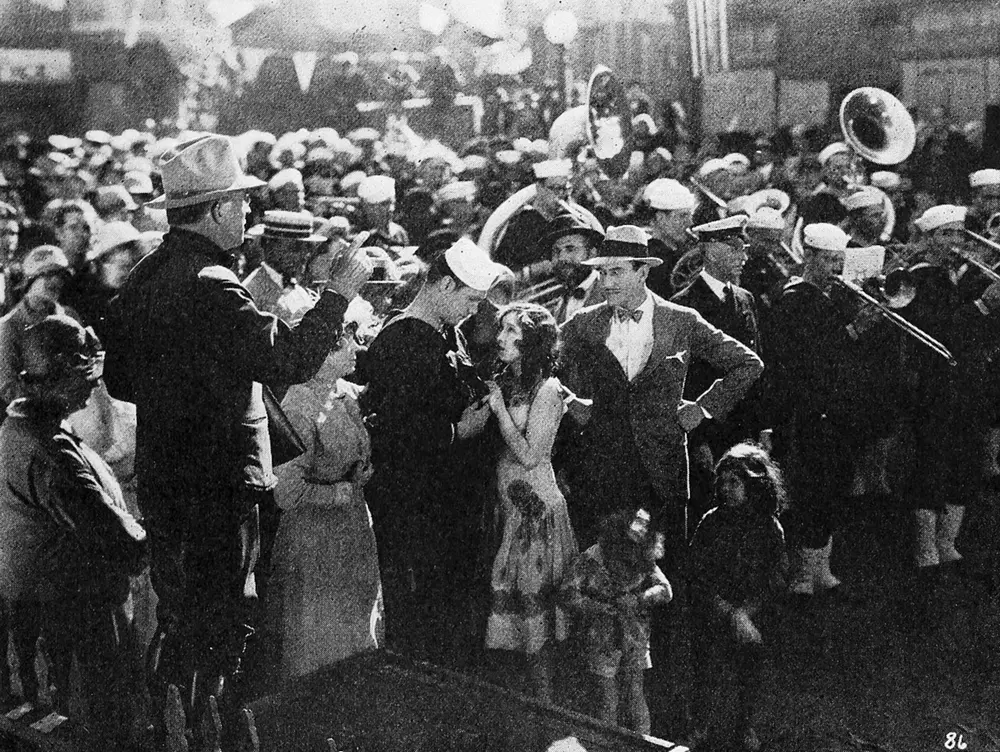
The tonal blend of revenge drama, slapstick comedy, and what the plot describes as mingling 'sexuality and violence' is a challenging tightrope walk. At times, the film achieves a compelling, almost avant-garde fusion, where the humor serves to underscore the futility of Seref’s rigid pursuit of vengeance. At other moments, the comedy feels out of place, trivializing the very emotional stakes the film meticulously built in its opening act. A particularly jarring sequence involves Seref’s intense search for Melek being interrupted by a series of increasingly farcical misunderstandings, diluting the emotional impact of his quest.
For contemporary audiences, The American presents a unique challenge and a unique reward. It requires patience and an appreciation for the historical context of its creation. It is not a film that will instantly resonate with everyone, nor should it be expected to. Its worth lies in its historical significance as an example of early genre blending and its surprisingly complex portrayal of a protagonist wrestling with his past.
It serves as a fascinating artifact, showcasing how filmmakers of the era grappled with ambitious narrative structures and explored themes that were perhaps ahead of their time. The audacity of its premise and execution, even if imperfect, makes it a valuable watch for those interested in the evolution of cinema. It’s a snapshot of a time when storytelling conventions were still being forged, and experimentation was often the norm, leading to results that are both frustrating and utterly captivating. It offers a glimpse into how societal anxieties and desires—like the allure of America or the complexities of revenge—were translated onto the silver screen.
One of the most surprising aspects of The American is its implicit commentary on the myth of the 'American Dream' itself. Seref returns as a billionaire, ostensibly a success, yet he is still haunted and driven by the failures of his past. The 'Dallas-type boots' and 'cowboy hat' are not just symbols of his wealth, but perhaps a superficial veneer over a soul that remains deeply Turkish, deeply wounded. His 'American' identity is merely a tool for his very un-American quest for personal retribution, rather than a pursuit of new opportunities or a forward-looking ambition.
Furthermore, the film’s portrayal of 'Small America' in chaos might be interpreted as a subtle critique or a humorous exaggeration of the perceived American way of life—a place of wild freedom, perhaps, but also disarray, contrasting sharply with the structured, albeit traumatic, past Seref left behind. It’s a truly fascinating subtext that gives the film more intellectual heft than its often-comedic surface might suggest. It works. But it’s flawed.
The American is a fascinating, if flawed, relic from an exciting period in cinematic history. It’s not a film I would universally recommend, but for those with a deep appreciation for the silent era and an interest in unconventional storytelling, it offers a surprisingly rich experience. Its audacity in blending genres and its exploration of identity and revenge, however uneven, make it a worthy subject of study and discussion. It may not achieve the narrative cohesion of a film like The Busher, nor the dramatic intensity of Adam's Rib, but it stands on its own as a curious and often compelling piece of early cinema. Approach it not as a flawless classic, but as an ambitious experiment that, against all odds, still manages to entertain and provoke thought a century later. It’s an acquired taste, certainly, but one that offers distinct flavors not found in more conventional fare.

IMDb 6.4
1936
Community
Log in to comment.