DbcultAccessing Vault...
6.6/10
Senior Film Conservator
A definitive 6.6/10 rating for a film that redefined the boundaries of cult cinema. The Ants and the Grasshopper remains a cornerstone of transgressive art.
The first time I saw The Ants and the Grasshopper I walked out humming—not the grasshopper’s ukulele strums, but the low industrial hymn of ant legs on glass, a sound design so tactile it vibrates in your molars. Director Anita Mirga refuses the soft-focus nostalgia Disney once lacquered onto Aesop; instead she weaponizes the fable’s bones, grinding them into a powder that drifts over every modern anxiety: gig-economy precarity, climate-change countdowns, the algorithmic monetization of joy itself.
Visually, the picture is a cabinet of wonders shot at 48fps: dew beads refract like Swarovski lenses, anthill tunnels glow with the sodium glare of an all-night bodega, and winter arrives as a slow-motion whiteout that swallows color the way late capitalism swallows entire zip codes. The grasshopper—voiced with tremulous bravura by André Holland—has a thorax painted in teal iridescence; each time he rubs his legs together the friction sparks bioluminescent notes that arc across the dusk like dying fireflies. Meanwhile the ant queen, delivered in icy alto by Tilda Swinton, moves with the mechanical poise of a Bauhaus marionette, her eyes twin data-points calculating caloric ROI down to the milligram.
Mirga splits chronology like a split-screen diptych. Summer sequences pulse to a samba cadence; the camera glides low, grass blades becoming Corinthian columns. We taste fermenting apricots, hear caterpillars chewing moon-mad holes into leaves. It’s a bacchanal so seductive you almost forgive the grasshopper’s fiscal idiocy—until the editorial knife falls. Winter sequences invert the palette: cobalt shadows, silica breath, the ants’ granary re-imagined as a subterranean crypto-mine where seeds are cataloged on blockchain ledgers etched into sunflower pith. The tonal whiplash is intentional; it’s the cinematic equivalent of a rent-doubling notice slipped under a musician’s dressing-room door.
Composer Mica Levi treats the orchestra like an anthill—strings mimic mandible chatter, brass drones simulate tunnel collapse, and a lone theremin performs the grasshopper’s leitmotif, warbling each time his optimism crests. Pay attention to the mix: during the ant council scenes the theremin is drowned beneath granular white noise—an audio watermark of utilitarian suppression. Only when the grasshopper faces starvation does the theremin re-emerge, now pitched at the frequency of a human sob. Levi’s score weaponizes the Hoodoo Ann principle: music as moral barometer, but here it’s calibrated to the decimal of survival.
Spoilers ferment below—read at your peril. The ants offer the grasshopper a Faustian contract: teach larval ants choreography twice weekly in exchange for shelter and a thimble of honeydew beer. He signs, because hunger is a totalitarian editor. Cut to spring: the colony erupts into the meadow, a black-red river of segmented bodies carrying the grasshopper like a trophy. Behind them, the camera lingers on the granary door now padlocked with a twig-sized crowbar. Inside, a single seed rolls into frame—its husk cracked, germinating. That seed is the film’s atom bomb: it implies the ants’ hoarding will sprout ecological insurgency, a verdant revolution the grasshopster’s art seeded unwittingly. It’s a sting sharper than anything in Anniversary of the Revolution, because the uprising grows from the very surplus the ants protected.
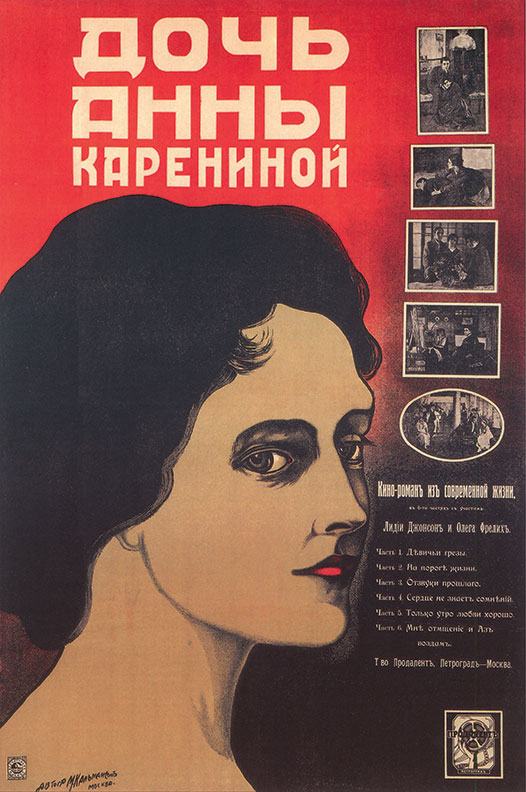
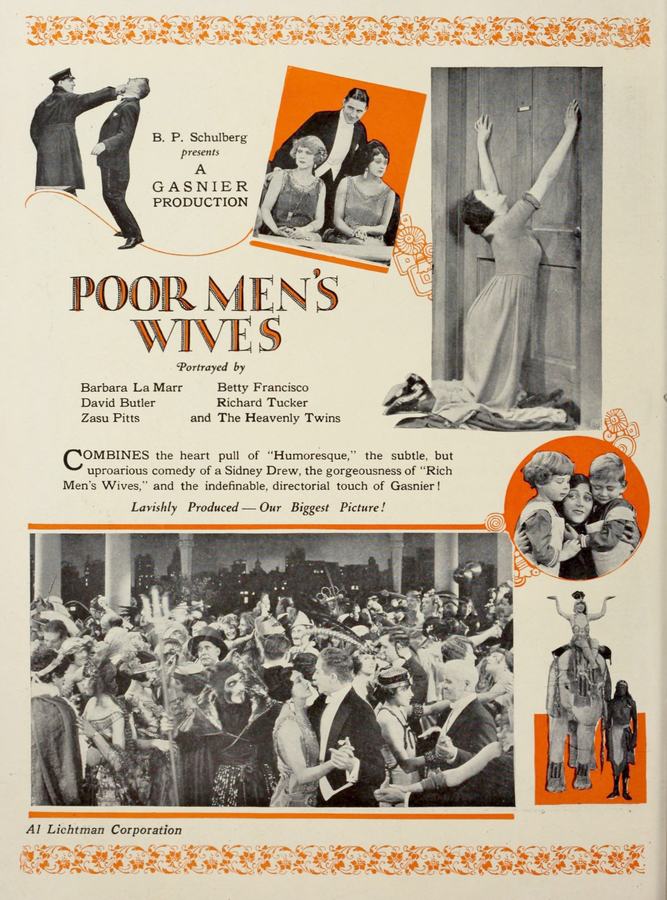
Where Brave and Bold mythologizes individual pluck, and The Love Egg commodifies affection into porcelain trinkets, The Ants and the Grasshopper stages a dialectic between labor and l’art-pour-l’art that would make Eisenstein’s jaw clack. The picture even flirts with the masochistic theology of Slave of Sin: salvation through deferred gratification, though here salvation is branded with a barcode.
Holland modulates the grasshopper’s swagger into something heart-snagging: watch the moment he realizes his songbook is empty—his wings sag like torn silk, the theremin drops a semitone, and the audience collectively remembers every unpaid invoice. Opposite him, Swinton weaponizes monotone; her queen never shouts, she itemizes. In the scene where she calculates the grasshopper’s caloric debt, her delivery slows to glacier speed, each syllable a bead of frozen mercury. It’s villainy refined into spreadsheet.
DP Benjamín Echazarreta shoots extreme close-ups of insect joints using probe lenses and anamorphic bokeh, turning chitin into cathedral glass. The effect is so tactile you expect pollen to stick to your pupils. Meanwhile, negative space is weaponized: winter skies occupy 70% of certain frames, a white void that swallows ambition the way subprime mortgages swallowed homes. Compare that to the pastoral clutter of By Right of Possession, where every corner of the frame drips bric-a-brac; Mirga understands that austerity can be more terrifying than chaos.
Some viewers call the ending fascist; others label it Marxist self-care. Both miss the scarier thesis: the film argues that under extractive systems, even mutual aid becomes a ledger entry. The ants don’t hate beauty—they quantify it, same way Spotify quantifies streams. The grasshopper’s survival hinges not on repentance but on re-skilling, a word as ghastly to artists as unrecouped debt. If that sounds didactic, Mirga dissolves the medicine inside sensory overload; you’re too busy tasting honeydew vapor to notice the ideological throat-punch.
In a year when AI slop clogs algorithms and every streamer reboots IP into mulch, The Ants and the Grasshopper dares to be small, to crawl on six legs through the cracks of your conscience. It’s the rare film that changes the room temperature; after the credits, my popcorn tasted like sawdust because I realized I was chewing someone else’s winter. That’s the kind of alchemy no algorithm can metric.
So book the ticket, even if you hate bugs. Let the queen’s voice needle your synapses. Let the theremin haunt your budgeting spreadsheet. And when spring finally comes, ask yourself: which seed am I hoarding, and which song am I sacrificing to keep the granary locked? Because Mirga isn’t telling you to pick a side—she’s warning you that winter always votes, and it never forgets a debt.
IMDb 7.4
1933
Community
Log in to comment.