DbcultAccessing Vault...
Cult Review
Senior Film Conservator
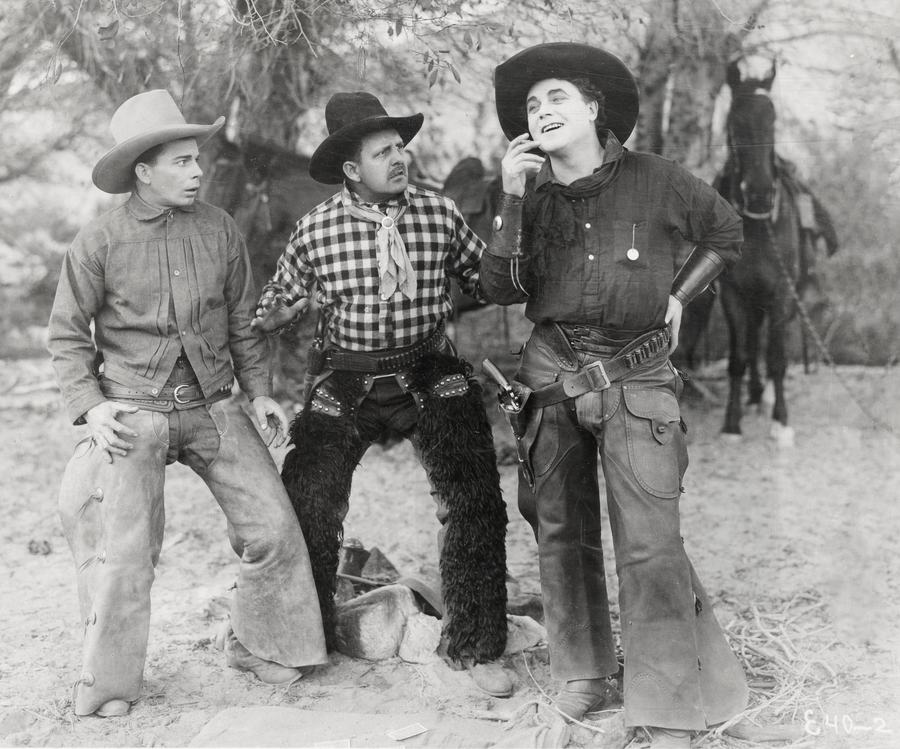
Stepping back into the cinematic past, the 1920 silent Western The Orphan emerges as a compelling, if somewhat archetypal, exploration of frontier justice, personal vendetta, and the circuitous path to redemption. Directed with the robust energy characteristic of early genre films and starring the formidable William Farnum, this picture, adapted by Roy Somerville from Clarence E. Mulford's narrative, offers a fascinating glimpse into the nascent storytelling conventions of the American West on screen. It’s a tale etched in the stark contrasts of black and white, where moral ambiguities are often painted with broad strokes, yet the emotional core of a young man’s quest for vengeance resonates with an elemental power that transcends the passage of a century.
From its very inception, the film plunges us into a world defined by its harsh realities. The inciting incident is a brutal, public hanging – the wrongful execution of a father, witnessed by his impressionable young son. This singular, traumatic event serves as the crucible from which our protagonist, forever scarred and rechristened 'The Orphan,' is forged. It's a classic origin story, replete with the primal urge for retribution that has fueled countless narratives across human history. His transformation into an outlaw isn't born of inherent malice, but rather a profound sense of injustice, a deep-seated conviction that the established order has failed him utterly. His subsequent life on the lam, a fugitive haunted by a past he cannot escape, immediately establishes him as a figure of both sympathy and danger, a man walking a tightrope between lawlessness and a self-appointed quest for a higher form of justice.
The narrative’s true genius, and where it begins to diverge from a purely linear revenge plot, lies in the intricate weaving of destiny that brings The Orphan into direct, yet unexpected, contact with Sheriff Jim Shields. Shields, portrayed with a stoic gravitas by George Nichols, embodies the very law that The Orphan has come to distrust, if not actively defy. Their initial encounters are, predictably, fraught with tension, the hunter and the hunted locked in a dance of pursuit. However, the unforgiving landscape of the frontier, always a character in its own right in these early Westerns, forces a dramatic shift. A sudden, violent attack by Native Americans – a common plot device of the era, though one viewed through a different lens today – compels these two adversaries into a temporary, uneasy alliance. In the face of a common, existential threat, the lines between outlaw and enforcer blur, revealing a shared humanity and an innate will to survive. This moment of shared peril is pivotal, laying the groundwork for a more complex relationship than mere antagonism.
The introduction of Helen, Sheriff Shields' niece, played by the luminous Louise Lovely, further complicates and enriches The Orphan’s journey. Her stagecoach, traversing the rugged terrain, becomes another focal point for danger, this time from a band of Apaches. It’s here that The Orphan’s heroic instincts truly shine. His swift and decisive action in rescuing Helen is not merely an act of bravery; it’s a profound moment of character revelation. It underscores that beneath the veneer of the wanted man lies a heart capable of immense courage and, perhaps, a burgeoning capacity for love and connection. The nascent sparks of romance between The Orphan and Helen are handled with the delicate subtlety of silent cinema, conveyed through longing glances and gestures rather than dialogue, adding a layer of emotional depth to what could otherwise be a purely action-driven narrative. This romantic interlude, while a classic trope, feels earned within the context of the escalating stakes and the gradual unveiling of The Orphan’s true nature.
The plot thickens with the sinister machinations of Tex Willard, brought to life with menacing intensity by G. Raymond Nye. Willard, a notorious outlaw gang leader, harbors his own nefarious designs, specifically targeting Sheriff Shields. His intricate plot to eliminate the Sheriff sets in motion the final, inevitable confrontation. It is in this unfolding web of deceit and violence that fate, with its cruel sense of irony, brings The Orphan face-to-face with the true architect of his childhood trauma. The moment of recognition, when The Orphan realizes that Willard is the very man responsible for his father’s unjust death, is a powerful cinematic beat. It's a chilling realization that transforms his general quest for vengeance into a highly personal, deeply visceral mission. This revelation elevates the stakes beyond mere survival or frontier justice; it becomes a reckoning with the past, a confrontation with the very source of his suffering.
The climax of The Orphan is, as expected for a Western of this vintage, a classic gun duel. It’s a swift, brutal, and ultimately satisfying resolution to the long-simmering tensions. The Orphan, having honed his skills on the fringes of society, proves himself a formidable opponent, delivering the final, fatal shot to Willard. The death of Willard isn't just the end of a villain; it’s the symbolic eradication of the injustice that has defined The Orphan’s existence. With his vengeance fulfilled, the narrative could easily conclude with him riding off into the sunset, a solitary figure forever marked by his past. However, the film chooses a more redemptive path. His bravery and proven character, perhaps vouched for by Sheriff Shields or simply recognized for their intrinsic merit, lead to his appointment as foreman of the Sheriff’s ranch. This is a profound transformation, moving from an outlaw to a man of responsibility, integrated into the very society he once fled. And, in a final flourish of classic Hollywood romance, he wins Helen’s love, sealing his new life with affection and belonging. This arc, from a vengeful outcast to a respected member of the community, complete with a romantic partner, is a deeply satisfying resolution, affirming the possibility of a new beginning even after profound loss.
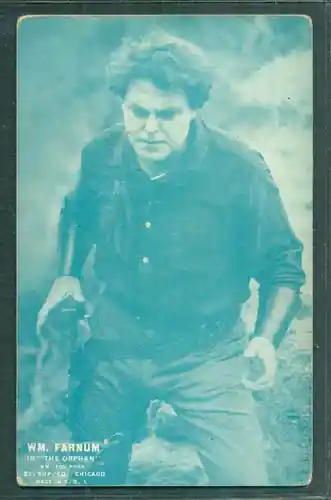
William Farnum, a prolific star of the silent era, brings a rugged authenticity and a compelling intensity to the role of The Orphan. His performance is a masterclass in silent acting, relying on expressive body language, piercing gazes, and nuanced facial expressions to convey the character’s inner turmoil, his unwavering resolve, and his eventual softening. He manages to imbue The Orphan with a sympathetic quality even in his outlaw guise, making his journey of vengeance and eventual redemption feel genuinely earned. Louise Lovely, as Helen, provides a gentle counterpoint to Farnum’s raw energy, embodying the strength and vulnerability characteristic of the era’s heroines. The supporting cast, including Carrie Clark Ward and Harry De Vere, all contribute to building a believable frontier world, their performances often characterized by the broad, clear gestures necessary to communicate without spoken words.
Roy Somerville’s adaptation of Clarence E. Mulford’s story is taut and efficient, maintaining a brisk pace that keeps the audience engaged. The narrative unfolds with a clarity that belies the lack of spoken dialogue, a testament to effective visual storytelling and the use of intertitles. The cinematography, while perhaps not groundbreaking for its time, effectively captures the vastness and isolation of the Western landscape, using natural light and wide shots to emphasize the scale of the frontier against the human drama unfolding within it. The action sequences, particularly the Indian attacks and the climactic gunfight, are staged with a dynamic energy that would become a hallmark of the genre, showcasing the raw, visceral excitement that silent films could deliver.
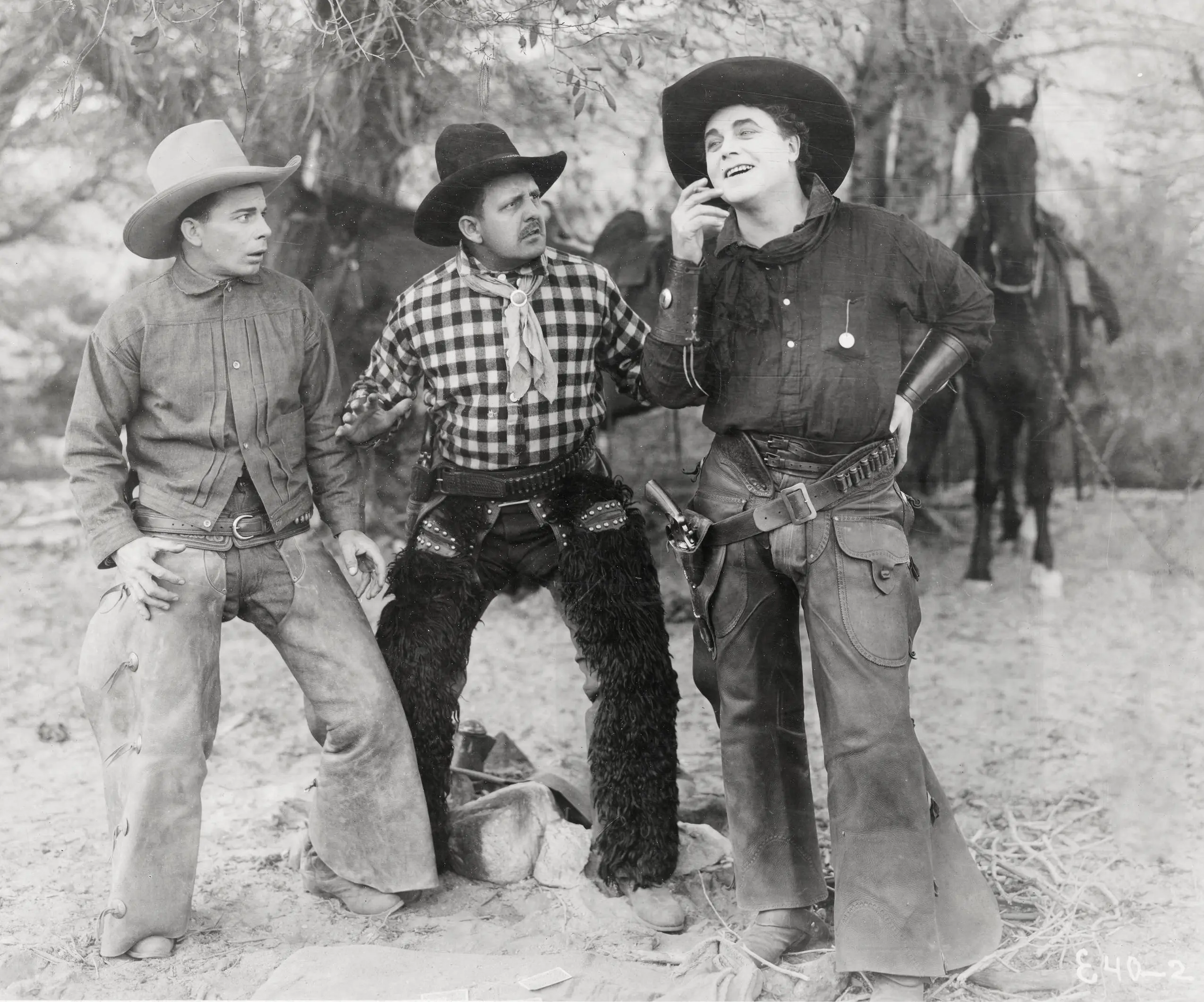
As a film from 1920, The Orphan is an important piece in the puzzle of the evolving Western genre. It adheres to many classic tropes – the wronged hero, the virtuous love interest, the dastardly villain, the stern but fair lawman, and the ever-present threat of the 'savages' – yet it executes them with a compelling sincerity. Its exploration of individual justice versus the established legal system is a recurring theme in Westerns, predating and influencing countless films that would follow. The moral ambiguities faced by The Orphan, forced to operate outside the law to achieve what he perceives as ultimate justice, echo the struggles seen in films like Marked Men, where characters navigate complex ethical landscapes under duress. The raw, untamed spirit of the frontier, a character in itself, is palpable throughout, much like the atmospheric world-building found in other contemporary Westerns such as Rimrock Jones, which similarly immerses its audience in the rugged realities of the West.
The film's earnestness in storytelling and its focus on character-driven motivation are also reminiscent of its contemporary, Faith, also released in 1920, which similarly grappled with themes of morality and personal conviction in its own narrative. While the specific plot points differ, the shared cinematic language of the early 1920s, characterized by clear visual narratives and heightened emotional performances, creates a palpable connection between such works. The Orphan stands as a testament to the power of these early filmmakers to craft engaging stories that, despite their limitations in technology, resonated deeply with audiences and laid foundational stones for cinematic genres that would dominate for decades to come. The emphasis on the hero's journey, from a state of marginalization to one of integration and acceptance, is a narrative thread that consistently captivated viewers, offering both escapism and a reflection on universal human desires.
While The Orphan might not possess the household name recognition of later, more celebrated Westerns, its significance as a historical artifact and a compelling piece of early cinema cannot be overstated. It encapsulates the spirit of its time – a period of rapid expansion in filmmaking, where directors and actors were still defining the language of the moving image. The film’s straightforward narrative, its reliance on universal themes of loss, revenge, and ultimately, the yearning for belonging and love, ensures its enduring appeal to those willing to look beyond the absence of sound and color. It’s a reminder that compelling storytelling, strong characterizations, and a clear moral compass have always been the bedrock of memorable cinema. The Orphan’s journey from a young man defined by tragedy to one who finds a new purpose and a loving partner is a timeless narrative, echoing the very essence of the American Dream, albeit one forged in the crucible of the Wild West.
In its unvarnished portrayal of a bygone era, The Orphan provides a valuable window into the cultural landscape and cinematic tastes of a century ago. It’s a film that, despite its age, still manages to captivate with its raw energy and the sheer magnetism of its lead. For enthusiasts of silent cinema and students of the Western genre, it offers a rich tapestry of classic tropes, expertly woven into a narrative that speaks to the enduring human desire for justice and the profound capacity for redemption. It’s a testament to the power of film to transport us across time and space, to connect us with stories that, at their core, remain deeply, undeniably human.
IMDb 6.2
1936
Community
Log in to comment.