DbcultAccessing Vault...
Cult Review
Senior Film Conservator
Should you watch *The Apache*, a silent-era melodrama from 1928, today? The short answer is a qualified yes, but largely for cinephiles and historians keen on understanding the evolving language of early cinema, rather than casual viewers seeking immediate entertainment.
This is a film best suited for those with a genuine appreciation for the silent era's unique narrative rhythms and heightened performances. It is not for viewers accustomed to rapid-fire modern pacing or those who struggle to engage with the visual storytelling conventions of nearly a century ago.
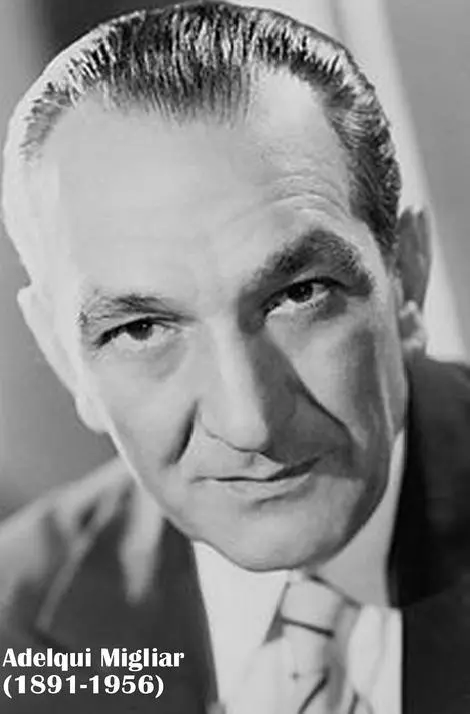
*The Apache* plunges us headfirst into a romanticized yet brutal vision of Paris, a city often depicted as a playground for love, here reimagined as a crucible for revenge. The film, directed by Adelqui Migliar, attempts to capture the essence of the 'Apache' subculture, a term then used to describe Parisian street gangs, notorious for their distinctive dances and violent reputation. It’s a fascinating, if sometimes stereotypical, window into societal anxieties and fascinations of the period.
The plot, penned by Michael Allard, is deceptively simple: a man scorned seeks to wound his ex-fiancée by targeting her sister. This setup, while melodramatic, allows for a rich exploration of human emotion, particularly the destructive nature of vengeance and the unexpected pathways of affection. It’s a narrative engine that, despite its age, still possesses a certain primal pull.
The film leans heavily into the tropes of its time – dramatic revelations, sudden shifts in loyalty, and the ultimate triumph of love over malice. Yet, it manages to occasionally transcend these conventions, largely due to the earnestness of its performances and the ambition of its visual storytelling.
In silent cinema, acting is an art of exaggeration and nuance, a delicate balance between broad gestures and subtle facial expressions. Jameson Thomas, as the titular 'Apache' protagonist, is the undeniable anchor of the film. His portrayal is a masterclass in silent screen emoting, conveying a complex emotional arc from hardened resentment to tentative tenderness.
Consider the scene where his character first encounters the sister of his ex-fiancée. Thomas doesn't just look; he observes, his eyes initially cold and calculating, slowly softening with a flicker of something akin to curiosity, then confusion. It's a subtle but powerful shift, communicated entirely through the tilt of his head and the gradual relaxation of his jawline. This isn't just acting; it's a physical manifestation of an internal monologue.
Mona Maris, as the unsuspecting sister, delivers a performance that, while less overtly dramatic, is equally crucial. Her innocence and vulnerability provide a stark contrast to Thomas's brooding intensity, making his eventual change of heart more believable. Her wide-eyed expressions of fear and dawning affection are classic silent film fare, yet she imbues them with a genuine sweetness that prevents her character from becoming a mere plot device.
The supporting cast, including James Carrasco and Adelqui Migliar, provide solid, if less memorable, turns. They fulfill their roles as narrative catalysts or foils, but it is the central dynamic between Thomas and Maris that truly captures the audience's attention. Their chemistry, though constrained by the era's conventions, is palpable, especially in the more intimate, understated moments.
Adelqui Migliar, pulling double duty as director and actor, crafts a film that is visually competent, though rarely groundbreaking. His direction is straightforward, focusing on clearly communicating the narrative beats and emotional states of the characters. He utilizes classic silent film techniques: close-ups for emotional emphasis, medium shots for character interaction, and wider shots to establish setting.
The cinematography, while not reaching the experimental heights of a F.W. Murnau or the expressionistic depths of a Robert Wiene, effectively uses light and shadow to enhance the mood. The Parisian streets are often bathed in a soft, diffused light, contrasting with the harsher, more stark lighting used in scenes of conflict or internal turmoil. There's a particular sequence where the protagonist grapples with his conscience, shot with dramatic shadows falling across his face, emphasizing his moral dilemma.
One unconventional observation: Migliar frequently employs deep focus in scenes depicting the Parisian streets, allowing background action to remain visible, which adds a layer of verisimilitude to the otherwise theatrical proceedings. This subtle choice helps ground the melodrama in a recognizable, bustling world, rather than letting it float entirely in an abstract emotional space.
However, the film's visual language can, at times, feel a little pedestrian. While functional, it rarely elevates the material into something truly transcendent. Unlike a film such as Blind Love, which played with innovative camera angles to convey emotion, *The Apache* sticks to a more conventional visual grammar. This isn't a flaw, per se, but it does mean the film relies more heavily on its actors to carry the emotional weight.
The pacing of *The Apache* is characteristic of late silent films: deliberate, allowing for extended scenes of emotional reaction and exposition through intertitles. For contemporary audiences, this can feel incredibly slow. Modern viewers, accustomed to cuts every few seconds, might find themselves fidgeting during longer takes that emphasize a character's internal struggle or the gradual unfolding of a scene.
There's a scene, for instance, where the protagonist simply observes his new wife from afar, his expression shifting through several nuanced emotions over the course of nearly a minute. While effective for its era, demanding sustained attention to subtle shifts, it might test the patience of those unaccustomed to such a rhythm.
The tone is unashamedly melodramatic. Every emotion is amplified, every gesture significant. There is little room for subtlety in the broader narrative strokes, which is part of the charm and challenge of silent cinema. The film fully embraces its dramatic premise, asking the audience to invest completely in its heightened reality. This commitment to melodrama is a double-edged sword: it allows for powerful emotional peaks but can also lead to moments that feel overly theatrical or even unintentionally humorous to a modern sensibility.
The film's exploration of revenge turning into love is a classic trope, but *The Apache* handles it with a sincerity that, for the most part, makes it work. It's a testament to the power of the actors and the directorial intent that the emotional journey, however swift at times, largely lands.
At its heart, *The Apache* is a story of redemption. It posits that even the most hardened hearts, driven by the darkest impulses, can be softened by genuine affection. The protagonist's journey from a vengeful 'Apache' to a man capable of love is the central thematic thrust, and it's a theme that resonates across all eras of storytelling.
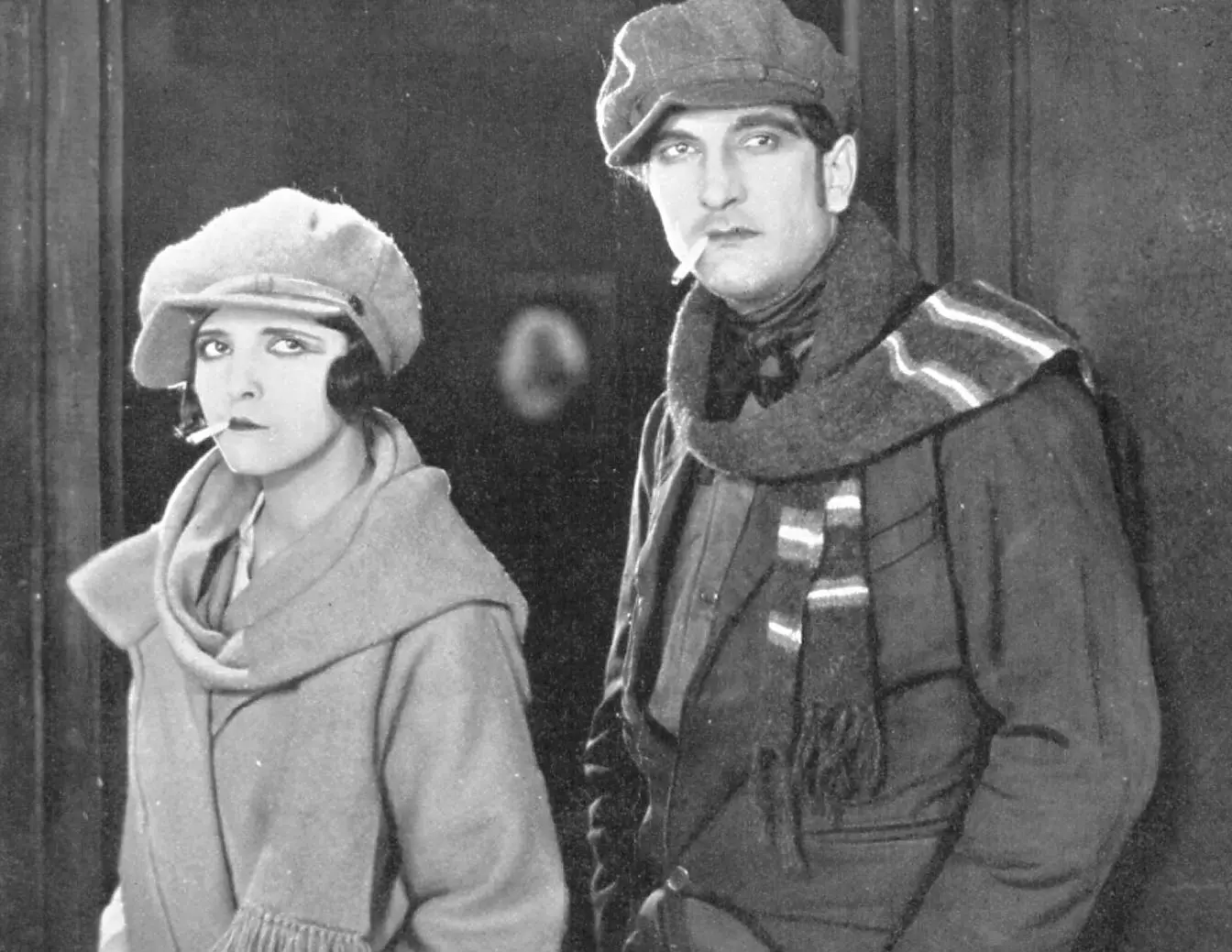
The film also touches upon themes of class and societal expectations. The 'Apache' moniker itself implies a certain social standing, an outsider status that contrasts with the more conventional world of his ex-fiancée and her family. His revenge is not just personal; it's also a subtle jab at the societal structures that might have contributed to his initial heartbreak. This undercurrent of social commentary adds a layer of depth, however slight, to the melodrama.
While the narrative might feel a bit formulaic by today's standards – the villain-turned-hero is a well-trodden path – its execution within the silent film context is noteworthy. The reliance on visual cues and performance to convey such a complex moral transformation is a powerful reminder of the craft involved in early cinema.
My strong, debatable opinion is that the film rushes the protagonist's change of heart too abruptly in the final act. While Thomas sells the transformation admirably through his acting, the narrative beats themselves feel a little too convenient, undermining some of the earlier, more effective build-up of his internal conflict. A slightly longer, more nuanced exploration of his burgeoning affection would have elevated the film significantly.
To truly appreciate *The Apache*, it's helpful to place it within the context of other films from its period. It shares thematic DNA with other melodramas of the era, such as The Forbidden Lover, which similarly explored illicit or complicated romances. However, *The Apache* distinguishes itself with its specific focus on the 'Apache' subculture, a relatively novel setting for a romance.
While not as grand in scale or as critically acclaimed as some of the decade's giants, it represents a solid example of mainstream silent drama. It lacks the experimental verve of a film like Spiritisten, which pushed boundaries in narrative structure, or the epic scope of Hamlet. Instead, *The Apache* opts for a more intimate, character-driven story, proving that compelling drama didn't always require massive sets or groundbreaking techniques.
It's a testament to the enduring appeal of universal themes – love, revenge, redemption – that films like *The Apache* can still hold a viewer's interest. It works. But it’s flawed. Its strengths lie in its performances and its earnest attempt to tell a human story, even if its narrative mechanics occasionally creak with age.
Compelling central performance by Jameson Thomas.
Fascinating glimpse into a specific Parisian subculture of the era.
Engaging exploration of revenge and redemption themes.
Competent direction and cinematography that effectively convey mood.
A strong sense of period atmosphere and melodrama.
Pacing can be slow and challenging for modern audiences.
Some narrative elements feel overly convenient or rushed.
Reliance on melodrama might feel dated to some viewers.
Visuals, while effective, rarely rise to a truly artistic level.
Limited character development for supporting roles.
*The Apache* is a solid, if not spectacular, example of silent-era melodrama. Its primary appeal lies in the commanding performance of Jameson Thomas, who masterfully navigates his character's complex emotional journey from cold vengeance to unexpected love. The film offers a curious, albeit romanticized, window into a specific corner of 1920s Parisian society, and its themes of redemption remain universally resonant.
However, its deliberate pacing and some narrative shortcuts prevent it from achieving true greatness. It demands patience and an appreciation for the unique storytelling language of its time. For those willing to make that investment, there are genuine moments of emotional power and a compelling central performance to be found.
Ultimately, *The Apache* is a film that deserves to be seen by those with a keen interest in film history and the evolution of cinematic storytelling. It's not a forgotten masterpiece, but it is a valuable piece of the silent film puzzle, showcasing the enduring power of human drama even without spoken words. Give it a watch if you're prepared to step back in time and embrace its particular charm.
IMDb —
1920
Community
Log in to comment.