DbcultAccessing Vault...
Cult Review
Senior Film Conservator
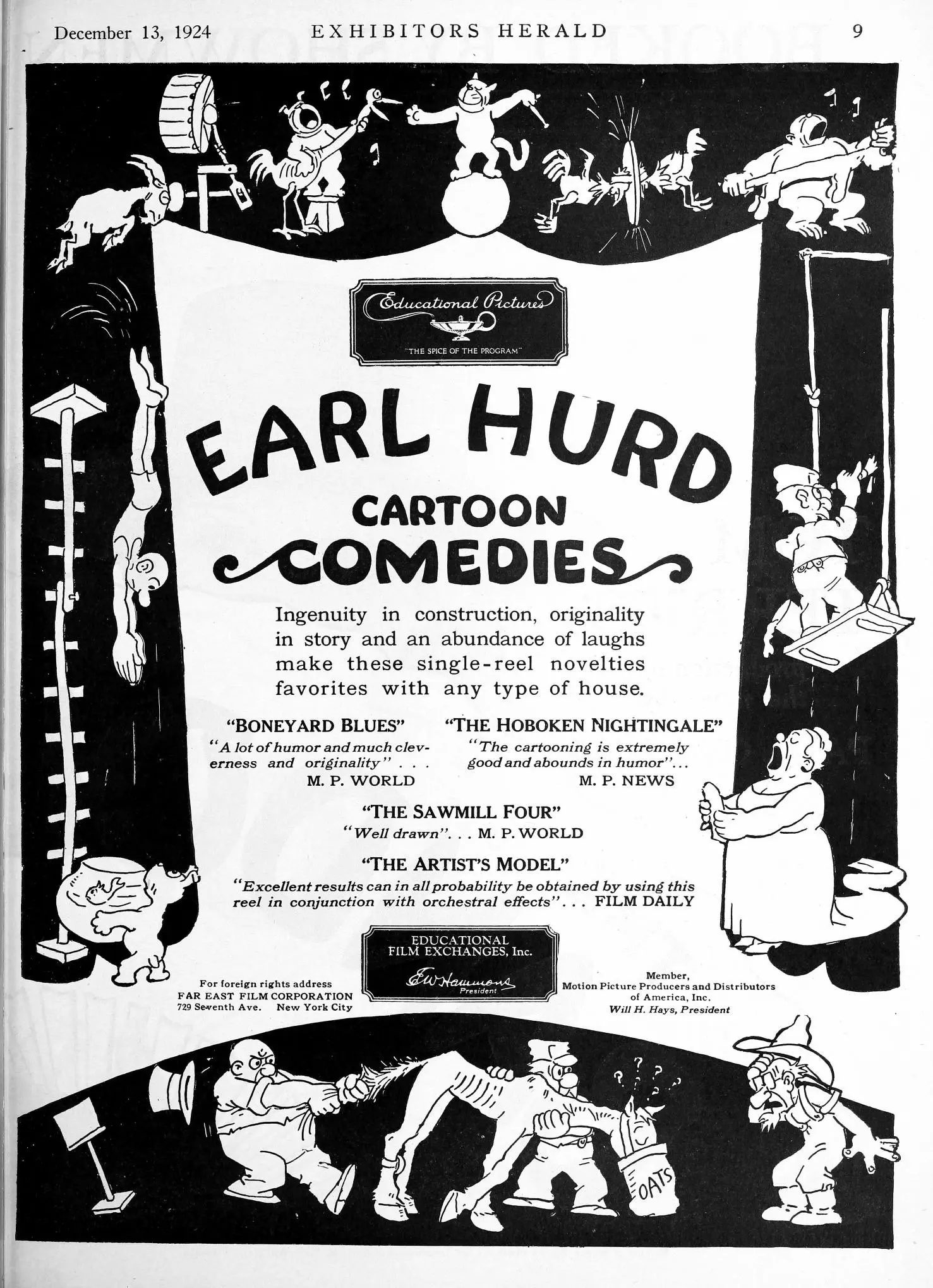
Earl Hurd's 'The Artist's Model' is a film that not only captures the essence of its era but also mirrors the enduring human quest for authenticity and self-expression. Set in a vibrant yet somewhat mundane Parisian landscape, the story follows the life of an aspiring artist who finds himself entangled in a series of events that challenge his perceptions of reality and his place in the world.
At the heart of the narrative is the protagonist, a character whose journey is both a reflection of Hurd's own life and a broader commentary on the creative process. The film opens with the protagonist, a young and ambitious painter, struggling to find inspiration and recognition in a city brimming with art and artists. Through a series of vignettes, we witness his evolution from a hopeful novice to a disillusioned artist, his relationships with models, patrons, and fellow artists serving as catalysts for his growth.
The visual storytelling in 'The Artist's Model' is a testament to the artistry of silent film. The use of shadow, light, and movement creates a rich tapestry of emotions and experiences. Hurd's direction is meticulous, every frame a deliberate composition that enhances the narrative. The cinematography, with its dramatic lighting and expressive mise-en-scène, mirrors the emotional intensity of the story. The scenes of the artist at work, capturing the essence of his models, are particularly poignant, evoking a sense of both beauty and struggle.
The performances, limited as they are in the absence of dialogue, are nuanced and compelling. Earl Hurd himself, playing the lead role, imbues his character with a depth that speaks volumes. The interactions between the artist and his models, each with their own stories and motivations, add layers of complexity to the narrative. The film's exploration of the personal and professional dynamics among artists, patrons, and models is particularly resonant, offering insights into the often tumultuous and misunderstood world of creative pursuits.
One of the most striking aspects of 'The Artist's Model' is its ability to engage with the broader cultural and social milieu of its time. The film touches on themes of class, identity, and the role of art in society. The artist's journey is not just a personal one but a reflection of the broader societal changes and pressures of the early 20th century. The depiction of Paris, with its bohemian energy and the stark contrast between wealth and poverty, serves as a backdrop that amplifies these themes.
The film's exploration of the personal cost of artistic ambition is particularly poignant. The protagonist's struggle to reconcile his artistic vision with the commercial demands of the art world, and the emotional toll of creating art that is both true to his vision and commercially viable, is a compelling narrative thread. This duality is reflected in the film's structure, which oscillates between moments of intense creativity and periods of existential doubt and despair.
While 'The Artist's Model' may not be as overtly political as some of its contemporaries, its underlying themes resonate strongly with contemporary discussions about the value and purpose of art. The film's exploration of the artist's inner world, his battles with self-doubt and societal expectations, and his quest for creative fulfillment are universal experiences that transcend the era in which the film was made.
Comparatively, 'The Artist's Model' stands as a unique gem among its contemporaries. Films like 'His Wife Jimmy' and 'Lunatics in Politics' offer different perspectives on the early 1920s, but none quite capture the depth and complexity of Hurd's exploration of art and life. In a period when films were often more focused on spectacle and entertainment, 'The Artist's Model' offers a profound and intimate look into the life of an artist, making it a significant contribution to the silent film canon.
Overall, 'The Artist's Model' is a film that deserves a place in any serious art and film enthusiast's collection. Its mastery of visual storytelling, its deep exploration of the human condition, and its timeless themes make it a must-watch for anyone interested in the intersection of art, life, and the human spirit.
IMDb —
1930
Community
Log in to comment.