DbcultAccessing Vault...
Cult Review
Senior Film Conservator
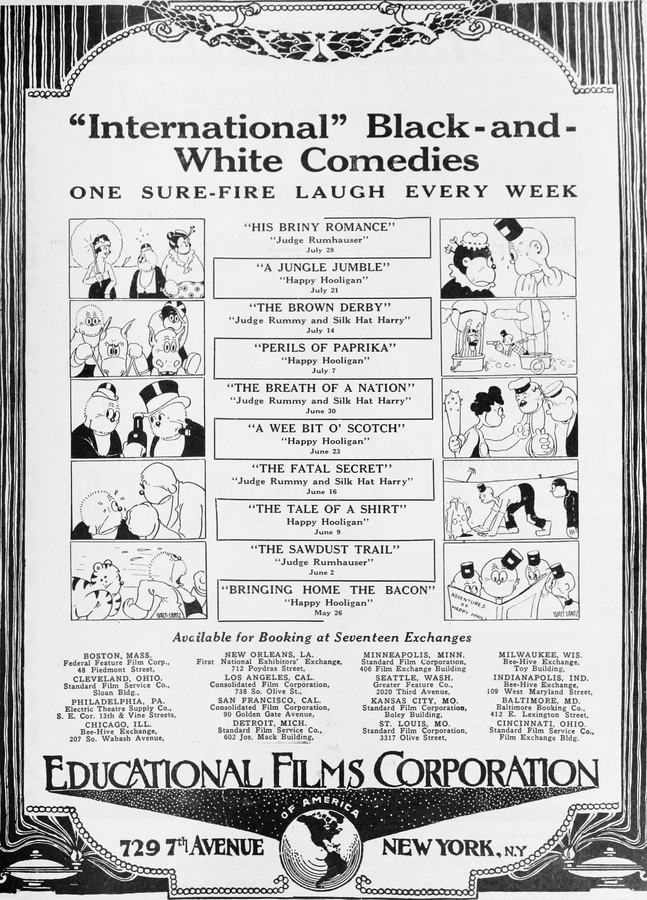
The very title, 'The Sawdust Trail', conjures an immediate, visceral image: the gritty, transient world of the traveling carnival or circus, a realm where the extraordinary is mundane and the ordinary is often a carefully constructed illusion. In the annals of early cinema, particularly the silent era, such settings provided fertile ground for narratives exploring human ambition, love, betrayal, and the perennial search for identity amidst a life of constant motion. While much of Gregory La Cava's more celebrated work would emerge with the advent of sound, particularly his incisive screwball comedies, examining a film like 'The Sawdust Trail' offers a fascinating glimpse into the nascent stages of his directorial sensibility, undoubtedly shaped by the keen observational eye of his collaborator, Thomas A. 'Tad' Dorgan.
Dorgan, primarily known as a cartoonist whose sharp wit captured the vernacular and eccentricities of early 20th-century America, brought a unique flavour to his screenwriting. One can almost picture his influence manifesting in the film's characterizations: perhaps a strongman with an unexpected poetic soul, or a ringmaster whose booming persona thinly veils a personal tragedy. This confluence of a burgeoning directorial talent and a seasoned observer of human foibles suggests a film that, even in its silent form, would have resonated with a vibrant authenticity, a stark contrast to some of the more melodramatic or purely spectacle-driven productions of its time. Unlike the grand, often operatic scale of a film like The Photo-Drama of Creation, which aimed for an almost divine scope, 'The Sawdust Trail' likely grounded its narrative in the raw, immediate experiences of its characters.
The carnival, as a microcosm of society, is inherently dramatic. It’s a place where societal norms are often suspended, where individuals reinvent themselves daily under the glare of kerosene lamps. Our central figure, Bartholomew 'Barty' Thorne, is not merely a strongman; he is the embodiment of paradox. His enormous physical prowess is counterbalanced by an interiority, a quiet melancholy that hints at aspirations far removed from the flexing of biceps. He represents the silent yearning for something more profound than applause, a sentiment perhaps echoed in the plight of the working class often depicted in films like Salvation Nell, which similarly delved into lives on the margins. Barty’s strength, rather than a source of pride, seems to be a burden, a chain binding him to a life he increasingly questions. This internal struggle is what makes a character compelling, transcending the superficiality of his profession.
Then enters Elara, the trapeze artist, a figure of aerial grace whose every movement defies gravity and earthly constraint. Her artistry, however, is not merely performance; it is an escape, a dance on the precipice of her own past. The dynamic between Barty and Elara forms the emotional core of the narrative. Their connection is likely forged not through grand declarations, but through shared glances, subtle gestures, and an unspoken understanding of the transient nature of their existence. This kind of nuanced emotional storytelling, relying heavily on visual cues and the expressive power of silent film actors, would have been a hallmark of directors like La Cava who understood the medium’s unique strengths. It’s a delicate interplay, a silent ballet of attraction and apprehension, reminiscent of the intricate romantic entanglements found in European melodramas like Zigeunerprinsessen, albeit with a distinctly American, gritty sensibility.
The antagonist, Silas 'The Serpent' Blackwood, the carnival owner, provides the necessary friction. He is the entrepreneur, the illusionist behind the illusion, whose charm is as thin as the tinsel adorning his tents. Blackwood embodies the exploitative underbelly of the entertainment world, seeing his performers as assets, not individuals. His pursuit of Elara is less about affection and more about possession, a desire to control the most beautiful and elusive jewel in his collection. This power struggle, a classic trope, gains depth through the specific context of the carnival, where Blackwood’s authority is absolute within his domain. The tension between Barty’s quiet integrity and Blackwood’s overt manipulation would have been a powerful engine for the plot, perhaps echoing the themes of justice and retribution seen in films such as The Iced Bullet or Treason, albeit on a more personal, intimate scale.
La Cava, even in his early career, demonstrated an interest in character-driven narratives and a keen eye for social dynamics. One can imagine his direction emphasizing the subtle shifts in facial expression, the telling body language that conveyed volumes without a single spoken word. The mise-en-scène of 'The Sawdust Trail' would have been crucial: the vibrant chaos of the carnival set against the stark solitude of a performer’s tent, the dazzling spectacle contrasting with the quiet desperation in a character’s eyes. The use of light and shadow, a cornerstone of silent film cinematography, would have been paramount in depicting the dual nature of the carnival – its outward gaiety and its inward struggles. The flickering gaslights, the stark silhouettes against the canvas, the dramatic chiaroscuro of a clandestine meeting – all would have contributed to the film's evocative atmosphere.
Dorgan’s influence, particularly his ability to capture the authentic voice of the common person, would have lent the film a grounded realism. While the plot contains elements of melodrama, the underlying current would likely be one of humanistic observation. His characters, even in their heightened circumstances, would feel relatable, their struggles universal. This sensibility would have been a precursor to the kind of social realism that found its way into later American cinema, exploring the lives of ordinary people with empathy and insight. Consider how films like The Measure of a Man sought to delve into the moral fabric of its characters; 'The Sawdust Trail' would have done so within its unique, transient setting.
The climax, a perilous performance under the moonlit sky, is a masterstroke of dramatic tension. Elara’s life, both literally and metaphorically, hangs by a thread. This is the ultimate test for Barty, forcing him to shed his passivity and embrace heroism. The sequence would have demanded breathtaking stunts and expert editing, building suspense through rapid cuts and close-ups, culminating in Barty’s decisive action. This moment would not merely be about saving Elara from physical danger, but about saving her from Blackwood’s clutches and, in doing so, liberating himself from his own self-imposed limitations. It’s a narrative arc that speaks to the power of choice and the courage required to pursue freedom, themes that resonate powerfully across cinematic history, much like the heroic endeavors in A Message to Garcia.
Beyond the immediate narrative, 'The Sawdust Trail' offers a rich tapestry of thematic exploration. It delves into the nature of illusion versus reality, a central preoccupation of the carnival world. What is genuine, and what is merely a performance? The film likely explores the masks people wear, not just on stage but in life, and the vulnerability that lies beneath. It touches upon the idea of home – is it a physical place, or is it found in the connection with another soul, even amidst constant travel? The transient nature of the carnival highlights the impermanence of life, yet also the enduring human need for belonging and love. This interplay of transient settings and enduring human emotions is a powerful device, as seen in films that explore unique cultural settings like High Spots of Hawaii or Barranca trágica, which capture specific environments as backdrops for human drama.
The film’s aesthetic, if one were to speculate based on the era and the talents involved, would have been a fascinating blend of gritty realism and theatrical spectacle. The costumes, while perhaps not as opulent as those in The Purple Mask, would have been evocative of the carnival setting, conveying character through fabric and adornment. The sets, whether depicting a bustling midway or a desolate backstage area, would have been meticulously crafted to immerse the audience in this unique environment. La Cava, even in his early career, showed a meticulous attention to detail, a characteristic that would later define his more polished sound films. Imagine the vibrant energy of the crowd, the barkers’ silent shouts, the hypnotic sway of the Ferris wheel, all conveyed through expert visual storytelling and a compelling musical score that would have accompanied the silent projection.
The legacy of 'The Sawdust Trail', despite its relative obscurity compared to later La Cava works, lies in its potential as a foundational piece. It represents an important step in the evolution of American cinema, demonstrating how character-driven drama could flourish within popular entertainment genres. It’s a testament to the collaborative spirit between a director finding his voice and a writer whose unique perspective enriched the storytelling landscape. The film likely offered a glimpse into the raw heart of a particular American experience, much like Sahara or The Rug Maker's Daughter transported audiences to distinct cultural settings, but with a focus on the transient, often overlooked lives of carnival performers. Its exploration of themes like freedom, self-discovery, and the power of love to transcend circumstance would have resonated deeply with audiences then, and continue to hold relevance today.
Moreover, the film's potential impact on the development of character archetypes in cinema cannot be overstated. The strongman with a heart of gold, the enigmatic female performer with a hidden past, the conniving showman – these are figures that reappear throughout cinematic history, refined and reinterpreted. 'The Sawdust Trail' likely presented these archetypes with a freshness and authenticity that would have captivated contemporary viewers. The film, in its essence, is a journey – not just across dusty roads, but into the human heart. It’s a story about finding one’s place, defining one’s self, and daring to reach for a dream, even when the ground beneath one’s feet is constantly shifting. The metaphorical 'sawdust trail' itself becomes a character, a path both challenging and enchanting, offering both hardship and the promise of discovery, much like the quest for understanding in The Magic Eye or the search for identity in Beauty in Chains. It’s a testament to the enduring allure of narratives that explore the human condition against vibrant, unconventional backdrops, leaving an indelible mark on the cinematic landscape of its era.
The beauty of rediscovering or re-imagining films from the silent era lies in their ability to speak across generations, even without spoken dialogue. Their stories, often grand in their emotional scope, rely on universal human experiences. 'The Sawdust Trail', with its compelling characters and dramatic narrative, would have been no exception. It is a film that, even in its absence from contemporary screens, continues to intrigue and inspire speculation about its artistry and its place within the rich tapestry of early American cinema. It represents a potent blend of directorial vision and narrative ingenuity, a lost gem whose imagined brilliance still shines brightly in the mind’s eye, a true testament to the creative ferment of its time, standing proudly alongside other great but perhaps less celebrated works like The Red Glove.
IMDb 6.1
1925
Community
Log in to comment.