DbcultAccessing Vault...
Cult Review
Senior Film Conservator
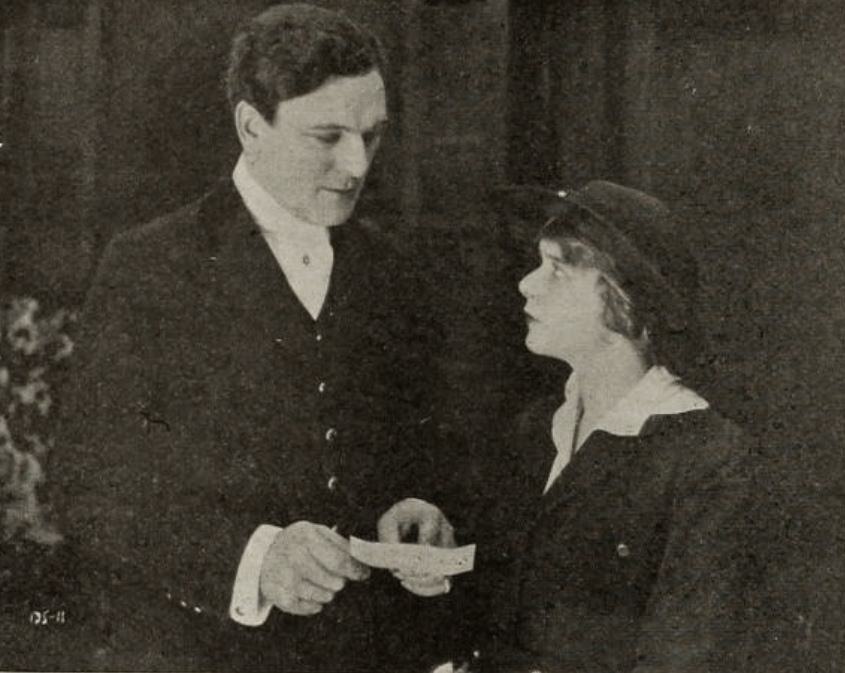
Stepping back into the flickering glow of the early 20th century, one encounters films like ‘The Dupe,’ a cinematic artifact that, despite its age, resonates with themes perpetually relevant to the human condition. This 1914 production, a fascinating entry in the silent era’s burgeoning narrative landscape, invites us to ponder the delicate balance between appearance and reality, a dichotomy often exploited by those with nefarious intent. It’s a compelling study of vulnerability, a dramatic exploration of how easily an unsuspecting soul can be manipulated when confronted with calculated charm and veiled ambition. As an ardent admirer of historical cinema, I find myself continually drawn to these foundational works, not merely for their pioneering spirit but for their raw, unvarnished portrayal of universal struggles. They serve as a powerful reminder that while technology evolves, the core of human drama remains remarkably consistent.
The narrative, penned by the insightful Margaret Turnbull and Hector Turnbull, unfolds with a precision that belies its early origins. It centers on Elara Vance, a character brought to life with an exquisite blend of fragility and burgeoning strength by the incomparable Blanche Sweet. Sweet, a titan of early Hollywood, imbues Elara with a luminous innocence, making her subsequent entanglement in a web of deceit all the more heartbreaking. Elara, a young woman of modest means and untarnished spirit, harbors aspirations beyond her station, a common thread in the human experience, particularly in eras defined by stark social stratification. Her dreams, however noble, render her susceptible to the predatory gaze of Arthur Thorne, a captivating rogue whose polished exterior masks a heart of pure opportunism. Ernest Joy, in the role of Thorne, delivers a performance that is subtly menacing, his smiles carrying an undertone of calculated malevolence. He is not a mustache-twirling villain in the traditional sense, but rather a more insidious kind of antagonist, one who preys on trust and aspiration.
Thorne’s scheme, facilitated by the conniving Mrs. Finch, played with a chilling pragmatism by Veda McEvers, is a masterclass in psychological manipulation. He sets his sights on an inheritance Elara is unaware of, an ancestral legacy that becomes the fulcrum of his elaborate charade. The film meticulously details the insidious nature of his courtship, portraying how flattery and grand promises can warp perception, blinding the unsuspecting to genuine threats. Elara, caught in the intoxicating glow of Thorne’s attentions, finds herself signing documents, each stroke of the pen unknowingly tightening the noose of her own undoing. This particular plot device, where an innocent is tricked into complicity, is a recurrent motif in early cinema, often used to highlight the dangers of unchecked ambition and the vulnerability of the unworldly. One might draw a thematic parallel to films like The House with the Golden Windows, where the allure of wealth similarly drives complex narratives of aspiration and deception, albeit with different narrative resolutions.
Enter Michael Donovan, a journalist of unwavering integrity, portrayed by Thomas Meighan with a stoic resolve that grounds the unfolding drama. Meighan’s performance provides a vital moral compass, his character’s investigative pursuit of Thorne’s shady dealings serving as the narrative’s counterpoint to Elara’s gradual ensnarement. Michael sees through Thorne’s veneer, understanding the danger that looms over Elara, but his warnings are initially dismissed, perceived as the jealous musings of an unwelcome suitor rather than the genuine concern of a protector. This dramatic irony, where the audience is privy to the truth while the protagonist remains tragically oblivious, is a powerful tool, generating palpable tension throughout the film. The subtle interplay between Sweet’s hopeful naiveté and Meighan’s quiet vigilance creates a compelling dynamic, hinting at a potential romance that must first overcome the formidable barrier of deceit.
Blanche Sweet’s portrayal of Elara is, quite simply, remarkable. Her ability to convey a spectrum of emotions without uttering a single word is a testament to the profound artistry required of silent film actors. Her eyes, her posture, the subtle shifts in her facial expressions communicate volumes, allowing the audience to intimately connect with Elara’s journey from wide-eyed optimism to crushing disillusionment. It’s a performance that speaks to the very essence of the 'dupe' – a person whose innate goodness makes them an easy target for those devoid of scruples. Her gradual realization of Thorne's treachery is depicted with a visceral authenticity, a slow dawning of horror that culminates in a powerful emotional crescendo. This kind of nuanced, non-verbal acting sets a high bar, one that contemporary performers still strive to emulate, demonstrating the enduring power of the craft.
Thomas Meighan, too, delivers a performance of quiet strength. His Michael Donovan is not a flamboyant hero but a man of conviction, whose determination to uncover the truth is driven by an innate sense of justice and a burgeoning affection for Elara. The chemistry between Sweet and Meighan, though largely unspoken, is undeniable, built on glances and gestures that convey a deep, unspoken understanding. Their eventual alliance against Thorne feels earned, a triumph of genuine connection over fabricated charm. Ernest Joy’s Thorne, as mentioned, is subtly chilling. He embodies the 'gentleman villain' archetype with disturbing finesse, making his eventual downfall all the more satisfying. Veda McEvers, as Mrs. Finch, provides the necessary foil, a pragmatic accomplice whose lack of moral compass serves to amplify Thorne’s villainy, lending an extra layer of complexity to the scheme. The ensemble cast, under the direction (though uncredited, the visual storytelling speaks volumes) that allowed for such expressive performances, truly elevates 'The Dupe' beyond a simple melodrama.
The core theme of 'The Dupe' — the devastating consequences of misplaced trust and the eventual triumph of truth — is one that has resonated across cinematic history. It’s a narrative that probes the darker corners of human nature, questioning the reliability of appearances and the deceptive allure of easy promises. The film implicitly critiques societal structures that allow for such exploitation, where social ambition can be leveraged against the innocent. In a broader sense, it touches upon the human desire for belonging and acceptance, and how this fundamental need can be exploited by those who seek to profit from vulnerability. This exploration of moral ambiguity and personal integrity finds echoes in later, more complex psychological dramas, demonstrating 'The Dupe's' foundational role in cinematic storytelling.
The climax is a masterfully orchestrated sequence of tension and revelation. As Thorne attempts to abscond with the ill-gotten gains, Michael, armed with irrefutable evidence, intervenes. Elara, now fully cognizant of the depth of Thorne’s betrayal and her own unwitting role, transforms from a passive victim into an active participant in her own vindication. Her newfound resolve is palpable, a powerful testament to the resilience of the human spirit when confronted with profound injustice. The ensuing chase and confrontation are executed with a kinetic energy that was characteristic of the era’s best action sequences, leading to Thorne's deserved apprehension and Elara's eventual exoneration. This dramatic resolution not only provides catharsis but also reinforces the film’s underlying message: that integrity, though tested, ultimately prevails.
Comparing 'The Dupe' to other films of its time reveals its unique strengths. While not as grand in scale as a historical epic like A Prince of India, its intimate focus on character psychology gives it a different kind of power. Unlike the fantastical escapism of Cinderella, 'The Dupe' roots its drama firmly in social realism, even amidst its melodramatic flourishes. The intricate plotting, particularly the unmasking of the villain, might draw a faint echo to the methodical deductions found in detective serials like Stuart Webbs: Das Panzergewölbe, though 'The Dupe' is firmly a drama of character rather than pure mystery. The film’s nuanced portrayal of deception and its emotional impact on the protagonist also brings to mind the profound emotional depth explored in works such as Destiny: or, the Soul of a Woman, where the inner turmoil of a woman facing moral dilemmas takes center stage. 'The Dupe' stands as a testament to the early film industry's capacity for creating compelling, character-driven narratives that engage audiences on an emotional and intellectual level.
In conclusion, 'The Dupe' is more than just a historical curiosity; it is a film that continues to speak to contemporary audiences through its timeless themes and powerful performances. The nuanced characterizations by Blanche Sweet and Thomas Meighan, coupled with the skillful narrative construction by Margaret Turnbull and Hector Turnbull, create a cinematic experience that is both engaging and thought-provoking. It serves as a potent reminder of the enduring power of silent cinema, an art form that, despite its lack of spoken dialogue, could convey profound emotions and complex ideas with remarkable clarity. The film's exploration of innocence, betrayal, and redemption remains as relevant today as it was over a century ago, solidifying its place as a significant piece of early cinematic heritage. For those willing to delve into the rich tapestry of silent film, 'The Dupe' offers a rewarding journey into the heart of human vulnerability and resilience. It underscores the perpetual vigilance required in navigating a world where appearances can be deceiving, and where the most charming smiles often conceal the darkest intentions. This film, with its compelling drama and stellar performances, is a true silent gem, deserving of continued appreciation and study.
The lasting impact of 'The Dupe' lies not just in its engaging plot but in its subtle commentary on societal values and individual morality. It challenges the viewer to look beyond the surface, to question motives, and to value genuine character over superficial charm. The resolution, while providing a satisfying sense of justice, doesn’t shy away from the scars left by betrayal, acknowledging that even cleared names carry the weight of past hurts. This realism, combined with the inherent optimism of overcoming adversity, creates a balanced and resonant conclusion. It’s a film that lingers in the mind, prompting reflection on one’s own susceptibility to deception and the importance of discernment in all human interactions. Such depth, achieved through the nascent language of cinema, is truly remarkable and secures 'The Dupe' a distinguished place in the annals of film history.
IMDb —
1914
Community
Log in to comment.