DbcultAccessing Vault...
5.8/10
Senior Film Conservator
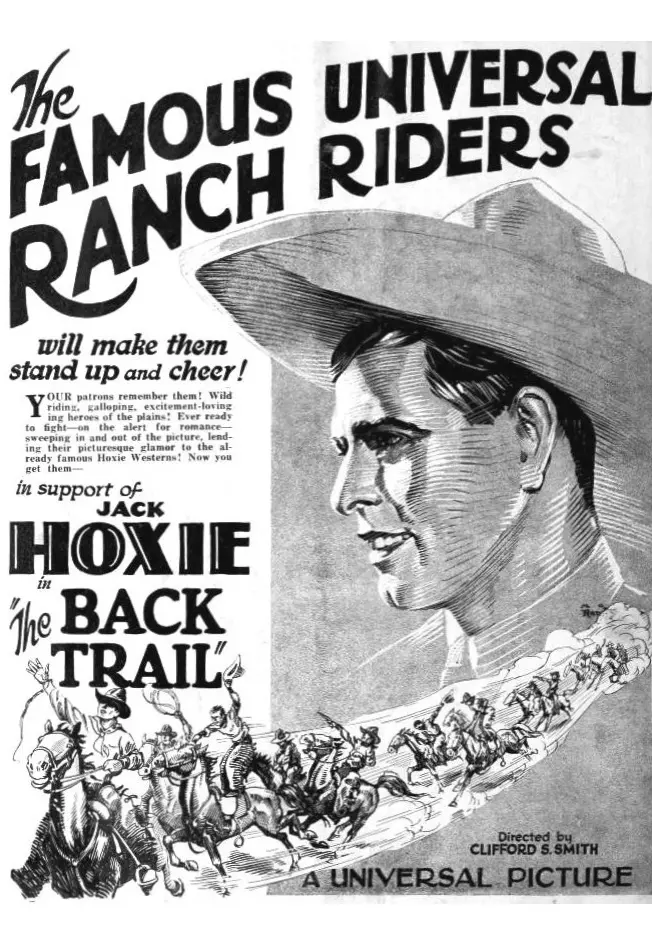
A definitive 5.8/10 rating for a film that redefined the boundaries of cult cinema. The Back Trail remains a cornerstone of transgressive art.
The backdrop of 'The Back Trail' is stark, a desolate landscape that mirrors the character's internal turmoil. Al Hoxie, in his portrayal of a cowboy suffering from war injuries-induced amnesia, brings a raw authenticity to the screen. His performance is a testament to the actor's ability to convey a range of emotions without uttering a single word. The supporting cast, including William Berke, Jack Hoxie, and Eugenia Gilbert, adds depth to the narrative, each bringing their unique flair to the ensemble.
The plot, meticulously penned by Isadore Bernstein, George Hoag, and Walter J. Coburn, unfolds with a deliberate pace that keeps the audience engaged. The film's structure is reminiscent of the intricate storytelling found in classics such as 'Crime and Punishment' (1923), where the moral complexities are explored with a keen eye for detail. However, 'The Back Trail' stands apart with its subtle, almost imperceptible shifts in perspective, making the audience question the very nature of truth.
The manipulation at the heart of the story is both masterful and unsettling. The gang's plan to exploit the cowboy's amnesia and the subsequent betrayal of his family's trust is a masterclass in psychological manipulation. The film's ability to weave a narrative that is both thrilling and ethically complex is a significant achievement. This is particularly evident in scenes where the character is led to believe he is a wanted criminal, a plot twist that is both surprising and deeply unsettling.
The cinematography of 'The Back Trail' is a visual treat, with the unforgiving landscape of the American West serving as a backdrop for the characters' inner conflicts. The use of natural light and shadow creates a sense of starkness that complements the film's themes of duality and deception. The period setting, complete with authentic costumes and props, adds to the film's authenticity, transporting viewers to a bygone era of American cinema.
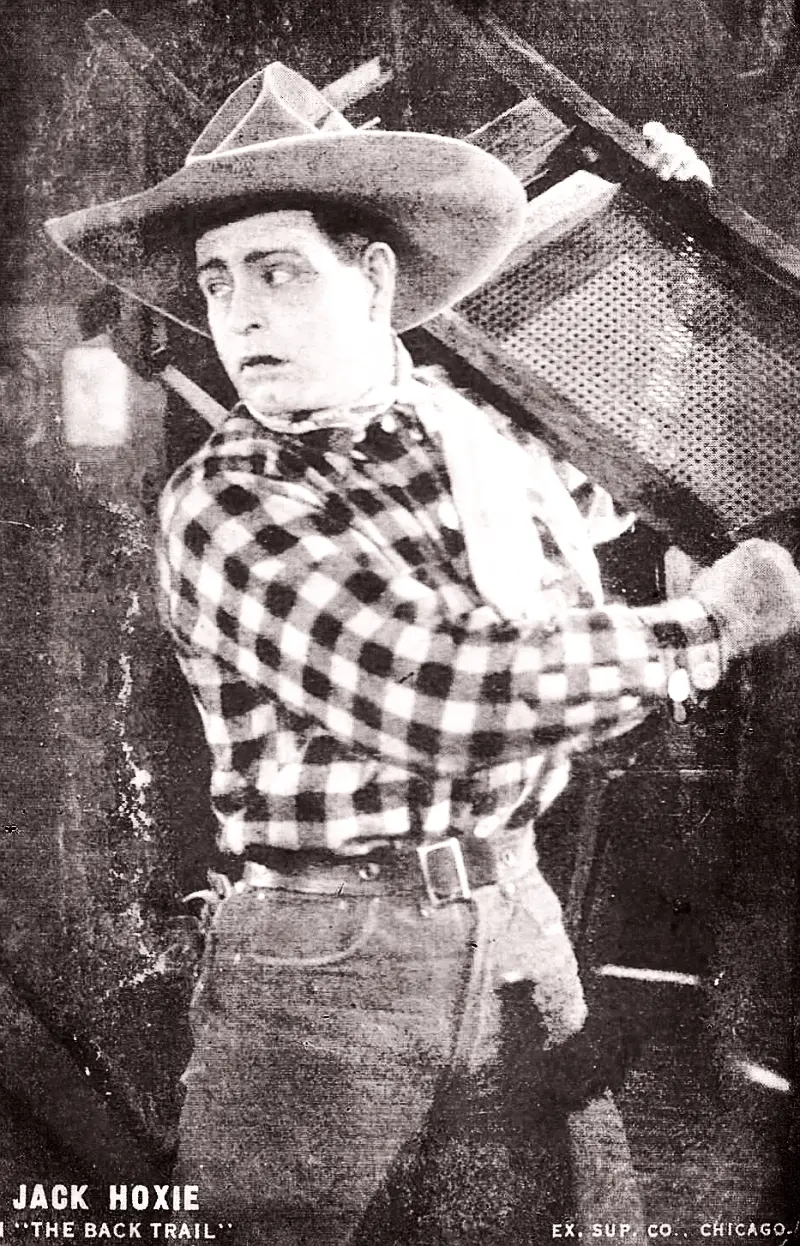
The score, composed to evoke a sense of foreboding and tension, perfectly complements the narrative. The music crescendos during pivotal moments, heightening the emotional impact of the scenes. This orchestral arrangement is reminiscent of the work found in 'A White Wilderness' (1925), where the score played a crucial role in setting the mood and enhancing the overall atmosphere.
One of the standout aspects of 'The Back Trail' is its exploration of the theme of identity. The protagonist's amnesia serves as a metaphor for the fragmented self, a narrative device that adds layers of complexity to the story. The film raises questions about the nature of identity and the role of memory in shaping our understanding of ourselves. This theme is particularly poignant in scenes where the character is forced to confront the consequences of his actions, leading to a profound sense of regret and redemption.
The performances in 'The Back Trail' are uniformly strong, with Al Hoxie's portrayal of the amnesiac cowboy being particularly noteworthy. His ability to convey a range of emotions through subtle facial expressions and body language is a testament to his skill as an actor. The supporting cast, including William Berke and Jack Hoxie, adds depth to the narrative, each bringing their unique flair to the ensemble.
The film's pacing is deliberate, allowing for moments of reflection and tension to build gradually. This approach creates a sense of anticipation, keeping the audience engaged and invested in the narrative. The editing, while not as elaborate as modern standards, is effective in guiding the viewer through the unfolding drama. The use of cross-cutting and flashbacks adds a layer of complexity to the storytelling, enhancing the film's overall impact.
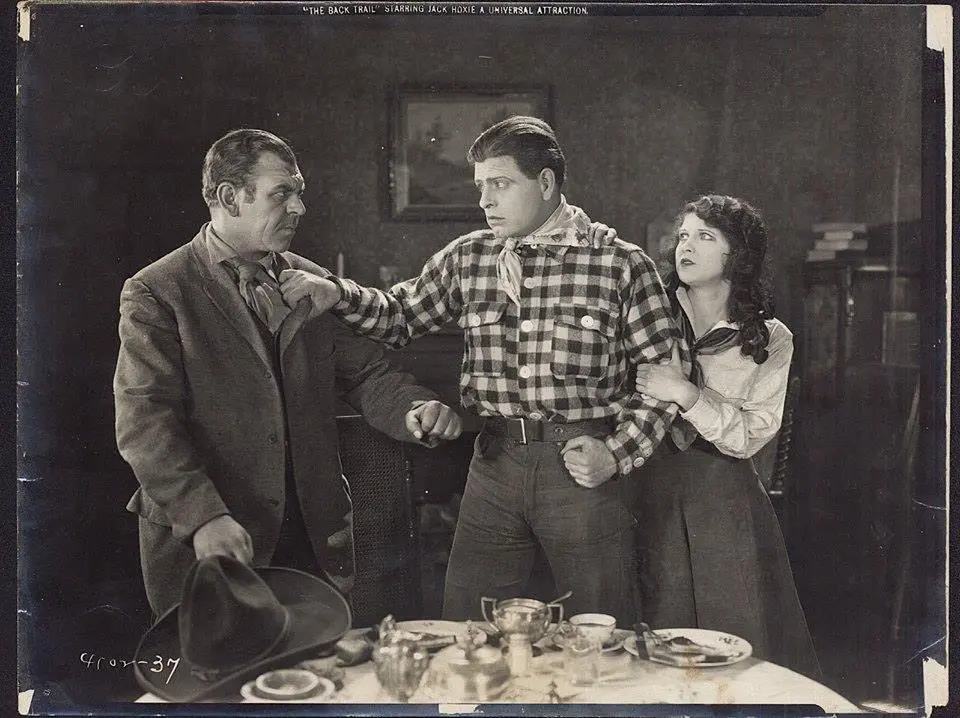
'The Back Trail' is a film that rewards close viewing. Its intricate narrative and rich characters make it a must-watch for fans of silent cinema and those interested in the exploration of identity and morality. While it may not be as well-known as some of its contemporaries, 'The Back Trail' stands as a testament to the artistry and craftsmanship of early Hollywood. Its exploration of themes such as deception, family, and the quest for identity makes it a thought-provoking and emotionally engaging experience.
The film's success lies in its ability to balance entertainment with deeper, more philosophical questions. It is a reminder of the power of cinema to explore complex human emotions and moral dilemmas. 'The Back Trail' is a film that demands to be seen, not just watched, and its impact on the viewer is likely to be long-lasting.
As we reflect on 'The Back Trail', it is clear that it is a film that merits attention and appreciation. Its exploration of identity and morality, combined with its masterful storytelling and strong performances, make it a significant contribution to the silent film era. For those interested in the rich history of early cinema, 'The Back Trail' is a must-see, a film that stands as a testament to the enduring power of narrative and the human condition.
Rating: ★★★★☆ (4/5 stars)
Conclusion: 'The Back Trail' is a remarkable exploration of identity, family, and deception, a film that demands to be seen and thought about. Its rich narrative and strong performances make it a standout in the silent film genre, a testament to the artistry and storytelling prowess of early Hollywood.
IMDb 5.9
1923
Community
Log in to comment.