DbcultAccessing Vault...
6.9/10
Senior Film Conservator
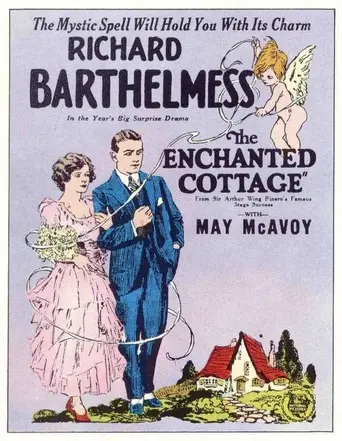
A definitive 6.9/10 rating for a film that redefined the boundaries of cult cinema. The Enchanted Cottage remains a cornerstone of transgressive art.
Stepping into the world of silent cinema, especially a gem like 1924's The Enchanted Cottage, feels less like watching an old film and more like unearthing a forgotten diary, its pages filled with emotions that resonate across a century. This isn't just a movie; it's a profound rumination on perception, healing, and the transformative power of love, meticulously crafted by director John S. Robertson from the original play by Arthur Wing Pinero, with screenwriting contributions from Gertrude Chase and Josephine Lovett. It's a testament to the era's ability to convey complex human dramas with a nuanced elegance, relying heavily on the expressive power of its actors and the evocative artistry of its visual storytelling.
The narrative commences in the somber aftermath of the Great War, a period when countless lives were irrevocably altered, both visibly and invisibly. Our protagonist, Oliver Bashforth, portrayed with heart-wrenching vulnerability by the inimitable Richard Barthelmess, returns from the battlefield a shadow of his former self. His physical disfigurement is but an outward manifestation of a deeper, spiritual wound. The world, once a vibrant tapestry of possibility, now appears to him as a judgmental, unforgiving place, reflecting his own internalized shame and despair. Barthelmess, a master of subtle emoting in an era often characterized by theatrical grandiosity, conveys Oliver's profound disillusionment and self-imposed isolation with an understated power that truly captivates. He doesn't just act the part; he embodies the silent suffering of a generation. Oliver's decision to retreat to a secluded cottage in the countryside is not merely a change of scenery; it's an attempt to escape the scrutiny of society, to hide away his perceived brokenness, much like the reclusive figures sometimes found in narratives such as Markens grøde, where characters seek solace and meaning in the primal embrace of nature, far from societal judgments.
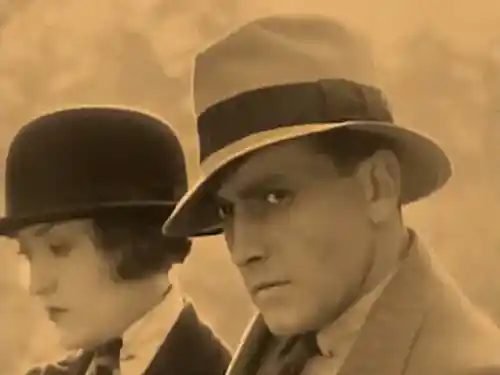
This cottage, however, is no ordinary dwelling. It's a place steeped in history, a hallowed ground where countless newlywed couples have begun their lives together. It's a repository of joy, hope, and burgeoning affection, a stark contrast to Oliver's current state of mind. It is here that he encounters Laura Pennington, brought to life with exquisite tenderness by May McAvoy. Laura, often considered 'plain' by societal standards, possesses a luminous inner beauty, a quiet strength, and an unwavering kindness that immediately sets her apart. Her character is a beacon of empathy, a gentle soul navigating a world that often prioritizes superficial charm over genuine warmth. McAvoy's performance is a masterclass in understated grace, conveying deep reservoirs of emotion through her eyes and delicate gestures, making Laura a profoundly relatable and endearing figure.
The cottage itself plays a pivotal, almost sentient role in this unfolding drama. It's not just a setting; it's a character, imbued with the lingering spirits of its past occupants. These spectral newlyweds, unseen but powerfully felt, are said to cast a 'love spell' upon those who inhabit its walls. This magical realism is handled with a delicate touch, never veering into overt fantasy but rather suggesting that the cottage's atmosphere fosters a unique environment for love to blossom. Is the spell literal, or is it a metaphor for the psychological transformation that occurs when two vulnerable souls open themselves to genuine connection, away from the harsh glare of external pressures? The film cleverly leaves this ambiguity intact, allowing the audience to interpret the magic as they see fit. This notion of a transformative environment, where external circumstances or even mystical forces conspire to alter one's destiny, echoes themes found in films like From Gutter to Footlights, where characters undergo significant personal evolution, albeit often through more conventional means of ambition and talent.
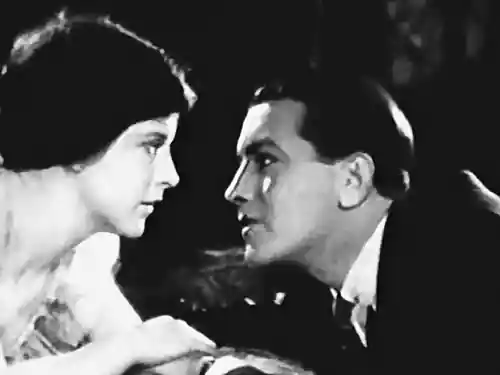
The script, penned by Gertrude Chase and Josephine Lovett, with the foundation laid by Pinero, is remarkably sensitive. It navigates the delicate territory of physical disfigurement and societal prejudice without resorting to melodrama. Instead, it focuses on the internal landscapes of Oliver and Laura, allowing their burgeoning affection to feel earned and authentic. The intertitles, so crucial in silent films, are poetic and insightful, guiding the audience through the emotional intricacies of the story without over-explaining. The pacing is deliberate, allowing moments of quiet reflection to breathe, inviting the viewer to truly inhabit the characters' experiences. This careful construction ensures that the central romance, though seemingly born of magic, feels deeply human and resonant.
As Oliver and Laura spend more time together within the cottage's enchanting confines, a profound shift begins to occur. The 'spell' manifests not as a sudden, inexplicable attraction, but as a gradual unveiling of their true selves to each other. Oliver starts to see beyond Laura's perceived 'plainness,' recognizing her boundless compassion, her gentle spirit, and her unwavering loyalty. Laura, in turn, looks past Oliver's disfigurement, perceiving the noble, kind, and intelligent man beneath the scars. This mutual recognition is where the true magic lies. It's a powerful affirmation that love, in its purest form, transcends superficiality, demanding instead a connection of souls. This exploration of inner beauty triumphing over external appearances is a timeless theme, one that challenges societal norms and expectations, much like the social commentary found in Caste, where love defies strict social stratifications and preconceived notions.
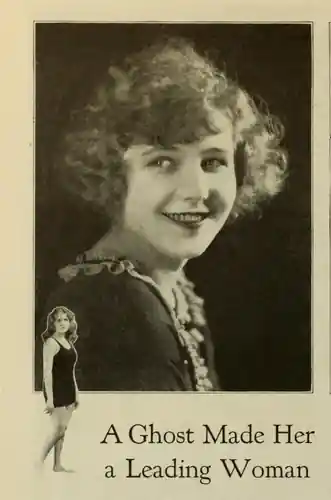
The supporting cast also contributes significantly to the film's rich tapestry. Nanci Price, Harry Allen, Ethel Wright, Marion Coakley, Polly Archer, David Brading, Milo, Alfred Hickman, Carole Belcher, Susan Belcher, Florence Short, Ida Waterman, and Holmes Herbert all play their parts in shaping the world around Oliver and Laura, providing context and contrast to their unique love story. Their presence, though sometimes brief, helps ground the mystical elements in a believable reality, emphasizing the societal pressures and expectations that Oliver and Laura are implicitly defying.
John S. Robertson's direction is sensitive and assured. He uses close-ups sparingly but effectively, allowing Barthelmess and McAvoy's nuanced expressions to convey volumes. The cinematography, while constrained by the technology of the era, is remarkably evocative. The cottage itself is filmed with a sense of reverence, its nooks and crannies suggesting secrets and history. The play of light and shadow, particularly within the cottage, contributes to the film's ethereal atmosphere, enhancing the sense of enchantment without resorting to overt special effects. The visual language of the film speaks volumes, translating the inner turmoil and burgeoning affection into a palpable experience for the audience. The meticulous attention to detail in creating this secluded, almost sacred space for healing and romance is a testament to the filmmakers' craft.
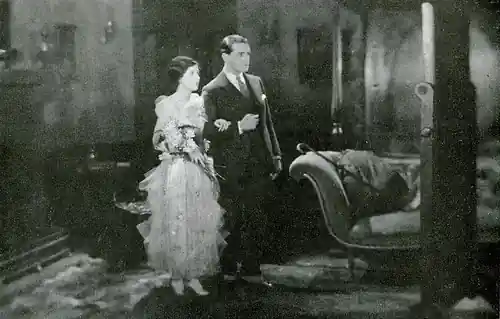
The journey Oliver undertakes is not just one of physical recovery but, more importantly, of psychological reclamation. He must confront his own internalized prejudices and accept that love can indeed find him, even in his altered state. This personal triumph, this internal 'winning' against self-doubt and despair, resonates with the thematic undercurrents found in films like The Man Who Won, where protagonists often grapple with significant personal challenges to achieve a form of victory, not always external, but deeply internal and transformative. For Oliver, the victory isn't over an enemy on the battlefield, but over the enemy within.
What truly elevates The Enchanted Cottage is its unwavering belief in the power of genuine human connection to heal the deepest wounds. It's a story that champions empathy, understanding, and the courage to look beyond the superficial. The love that blossoms between Oliver and Laura is not born of grand gestures or dramatic pronouncements, but of quiet companionship, shared vulnerabilities, and a mutual recognition of each other's inherent worth. It's a nurturing, gentle affection that mirrors the profound emotional depth explored in films like The Mother Heart, where the essence of love lies in its capacity for profound care and selfless devotion. This film reminds us that true romance isn't about perfection, but about seeing the perfection in imperfection, about cherishing the soul beneath the surface.
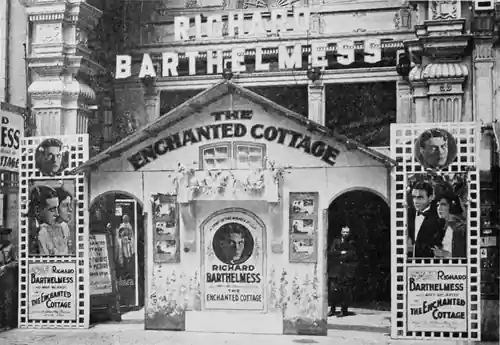
In an era still reeling from the scars of a global conflict, The Enchanted Cottage offered audiences a much-needed balm for the soul. It was a hopeful vision, a testament to the resilience of the human spirit and the enduring capacity for love to mend what is broken. It spoke to the universal desire for acceptance and belonging, especially for those who felt marginalized or diminished by their experiences. The film's message, that true beauty resides within and that love can transform perception, remains as relevant today as it was a century ago. It challenges us to look deeper, to listen more intently, and to love more authentically.
The Enchanted Cottage isn't a blockbuster in the modern sense, nor does it rely on spectacle. Its power lies in its quiet intimacy, its profound emotional resonance, and its timeless message. It's a film that lingers in the mind long after the credits roll, its gentle magic continuing to weave its spell. It reminds us of the profound impact silent films had on storytelling, proving that words are not always necessary to convey the deepest human truths. This cinematic experience is a beautiful, melancholic, yet ultimately uplifting journey that reaffirms the extraordinary in the ordinary, and the enduring power of love to illuminate even the darkest corners of the human heart. For anyone seeking a film that transcends its historical context to touch upon universal themes of healing, acceptance, and the transformative power of affection, this silent masterpiece is an absolute must-see. Its legacy is not built on thunderous applause, but on the quiet, persistent whisper of a timeless, enchanting spell.
IMDb —
1920
Community
Log in to comment.